Ad

Trade unions: ‘Don’t use labour agreement as excuse for cutbacks’
At some universities, wage increases are being used as an argument for cutbacks, but the trade unions take offence by that insinuation. After all, the administrators themselves agreed to it.

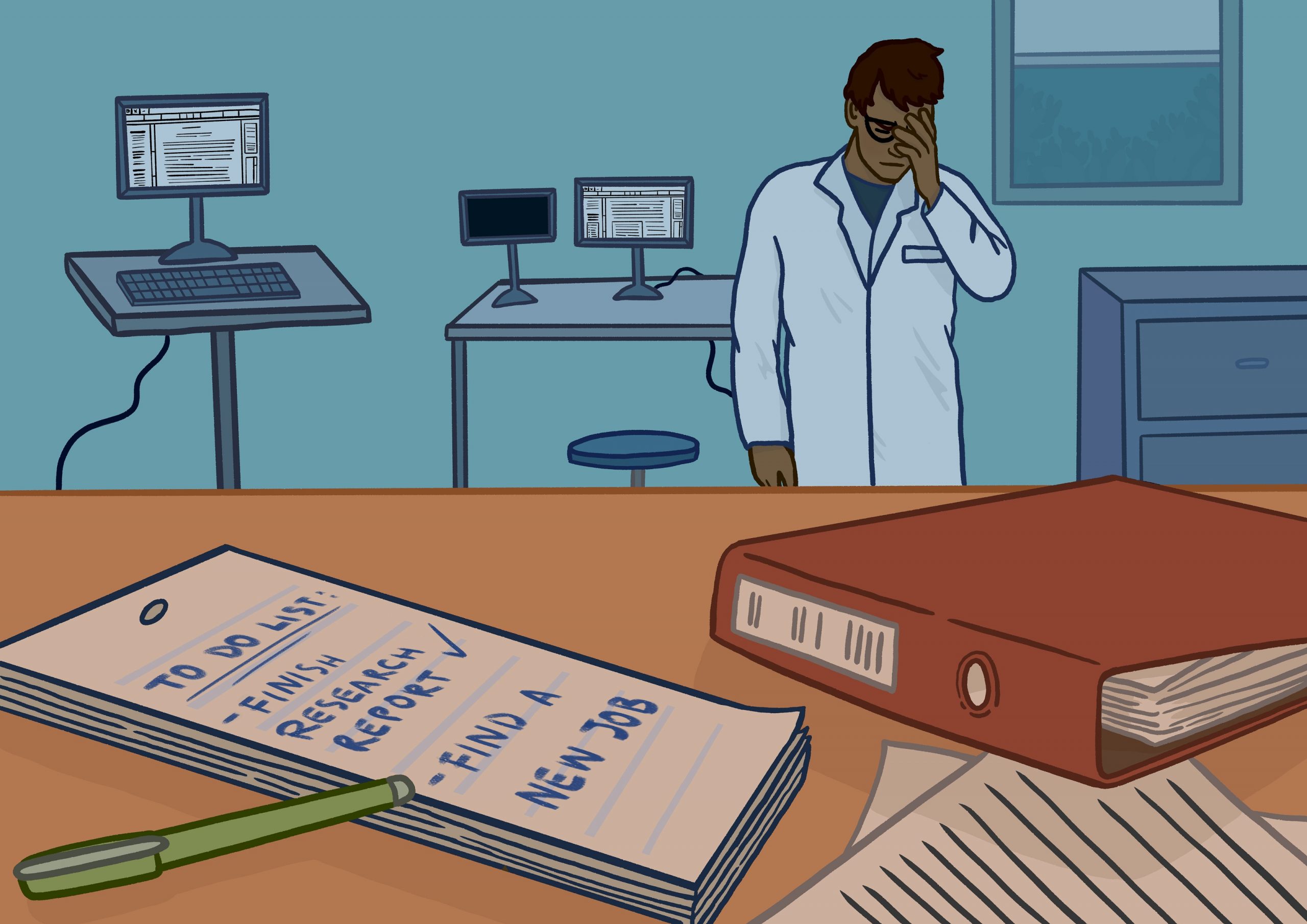
Image by: Migle Alonderyte
In spring, the unions and universities agreed to a new collective labour agreement, which includes a raise of 9 percent. In addition, more staff are to be offered a permanent contract.
Complaints
It has led to complaints by administrators and managers, especially those faced with financial setbacks. The University of Groningen, for instance, is foreseeing problems caused by lower student numbers, a higher energy bill and the new collective agreement.
The latter will cost the university 44 million euros, whereas the increased government funding is said to cover only half that amount. “So the gap has to be bridged some other way”, says President of the Board Jouke de Vries to university paper UKrant. “The future’s not looking too bright.”
The same applies to several faculties in Leiden. Humanities is counting on a budget gap of 2.7 million euros. “We are faced with decreasing student numbers, wage increases under the new collective agreement, inflation and fewer PhDs awarded”, says the dean to university weekly Mare.
Not right
The unions, in turn, take offence with the insinuation that the collective agreement is the cause of the problems. “It’s not true and it leads to unrest amongst employees”, says Sander Wesdorp, administrator at the Netherlands Trade Union Confederation (FNV).
The universities unanimously approved the collective agreement, he says. “They okayed it. And they’re being compensated for it by the government. So they have no business using the collective agreement as an excuse for cutbacks.”
The four unions involved, FNV, the General Union of Education (AOb), the Christian National Trade Union Federation (CNV) and the Federation of Professional Organisations in Healthcare (FBZ), have drafted a joint response. They say it’s “not quite right” that some employers have started complaining and point out that these employers unanimously agreed to the collective agreement.
Varying consequences
As the amount the government makes available to the universities for wage increases isn’t on the public record, it’s impossible to verify whether the universities have a point. The unions are in the process of launching a court case to get this information out into the open.
Employers’ association Universities of the Netherlands (UNL) has responded in a rather non-committal fashion. There was room for the wages to increase, a spokesperson says, but: “The collective labour agreement covers the entire sector. The way universities distribute their financial means within the institution, and the associated consequences, can of course vary.”
De redactie
Latest news
-

TU Delft may not favour women in admissions to courses
Gepubliceerd op:-
Education
-
-

Hate campaigns and political pressure: KNAW wants legal protection for academic freedom
Gepubliceerd op:-
Science
-
-

Signing up for a Dutch course ‘feels like a race’, no more places available for now
Gepubliceerd op:-
Internationalisation
-

Comments
Comments are closed.
Ad
Read more in Staff
-
University receives four warnings from Labour Inspectorate
Gepubliceerd op:-
Staff
-
-

Data of 22 EUR travellers leaked through bookings made via DGI Travel
Gepubliceerd op:-
Staff
-