Ad

Plans for knowledge security: no screening for students, fewer fields deemed ‘sensitive’

The government needs to be more precise in protecting sensitive knowledge, says minister Letschert. Students may not need to be screened, and she is also considering designating fewer subjects as ‘sensitive’.
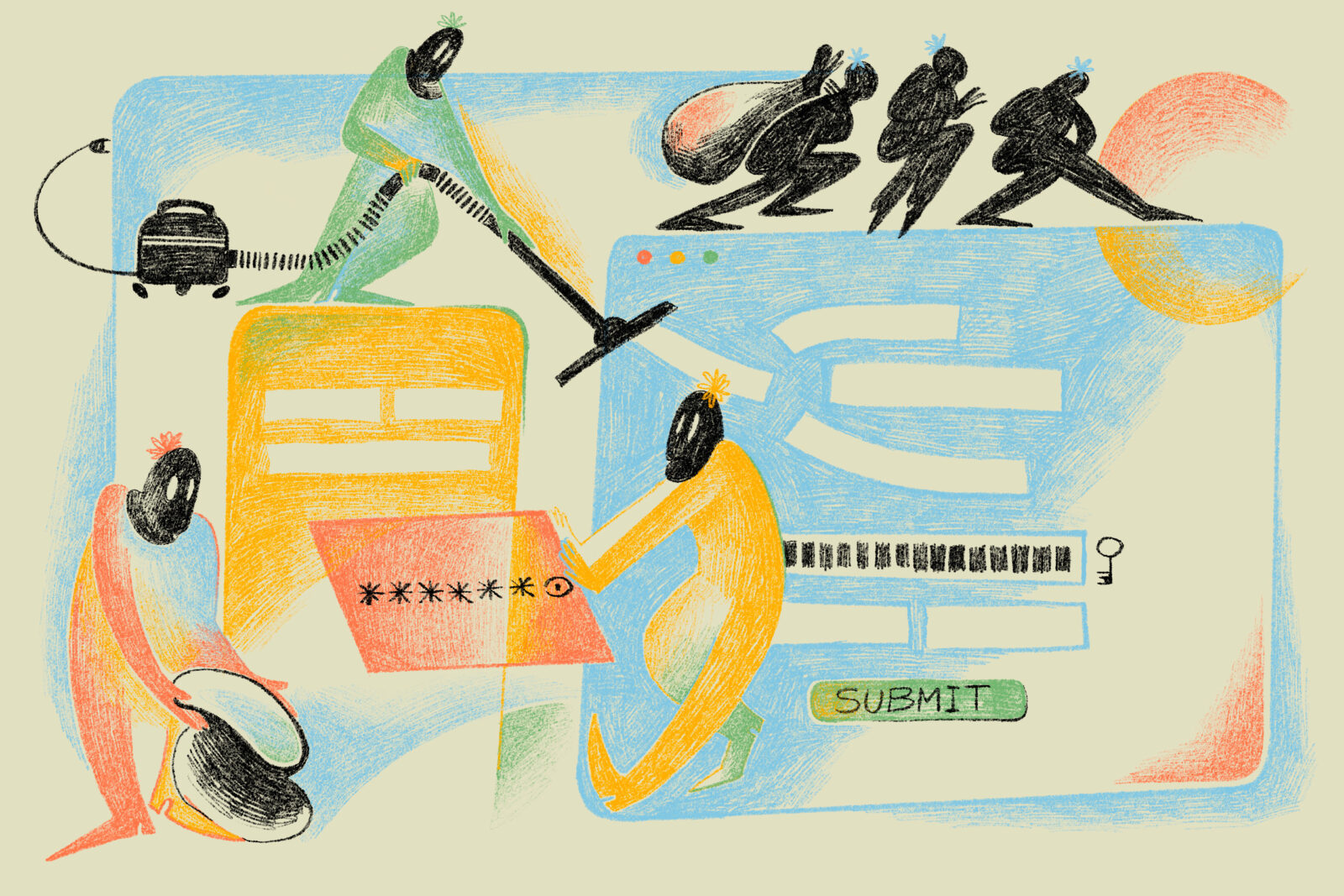
Image by: Ami Rinn
Dutch universities of applied sciences and universities have a great deal of knowledge that is also of interest to other countries. This brings risks: some countries do all they can to steal this knowledge to strengthen their own regimes.
In 2022, then education minister Robbert Dijkgraaf therefore announced plans to screen researchers and master’s students in ‘sensitive’ fields. The plan prompted considerable outrage, particularly among universities. They feared it would make the Netherlands less attractive to international talent.
However, such a broad screening law is “not feasible”, minister Rianne Letschert wrote in a letter to the House of Representatives in early June. She is now proposing an alternative: ‘narrow’ screening. She will investigate whether this would be feasible.
Making choices
The minister says that limited screening will require choices to be made. The list of sensitive technologies will have to be shortened. She cannot yet say which fields will remain on it.
She also wants to screen fewer people. Under the earlier proposal, master’s students as well as researchers would have been checked. The minister is considering excluding students and focusing solely on researchers.
Letschert also wants to prevent stricter rules from being imposed on higher education than on businesses. There must be “a level playing field”, the minister says. After all, businesses also possess a great deal of sensitive knowledge. She wants to ensure that the rules set by the Ministry of Education, Culture and Science and the Ministry of Economic Affairs are aligned.
Considerable costs
In their response, the universities say that they too recognise the importance of knowledge security. Despite budget cuts, universities have invested heavily in protecting sensitive knowledge, they stress.
But not all universities face the same level of risk, says umbrella organisation UNL. They should not all be treated alike. The association also points to the considerable costs of knowledge security.
Above all, universities want to avoid having to comply with strict rules that cannot be implemented. They would rather take responsibility themselves for protecting their knowledge.
At the same time, they are asking for greater clarity about so-called dual-use research – research that can be used for both civilian and military purposes. One example is the development of drone technology.
The Royal Netherlands Academy of Arts and Sciences (KNAW) and research funder NWO have responded positively to the minister’s intention to narrow the scope of screening. However, they continue to highlight the risks to academic freedom. Screening could also lead to discrimination unintentionally.
Other options
In addition to narrower screening, the minister is also looking at other options. For example, knowledge institutions could be required to have their own access policies, instead of being screened by the national government. But this too will first have to be investigated.
Letschert hopes to inform the House of Representatives in spring 2027 about whether more limited screening is feasible. A total of 100 million euros has been set aside to safeguard knowledge security.
Een lijst met artikelen
-

AIVD continues to warn about knowledge theft
Gepubliceerd op:-
IT
-
De redactie
Comments
Ad
Read more in Privacy
-
Ten years of the GDPR: access to your personal data is still not routine at EUR
Gepubliceerd op:-
Privacy
-
-
TU Delft ignores warnings and puts sensitive data of (former) students in the cloud
Gepubliceerd op:-
Privacy
-
-
University reports data breach in staff survey
Gepubliceerd op:-
IT
-
Privacy
-


Leave a comment