Ad

Minister scraps ‘interest cap’ for students: plan much more expensive than expected

A maximum interest rate of 2.5 per cent on student loans would mean students no longer face big surprises, was the coalition’s plan. But it’s turned out to cost four times as much as expected. That’s why minister Letschert wants to abandon it.
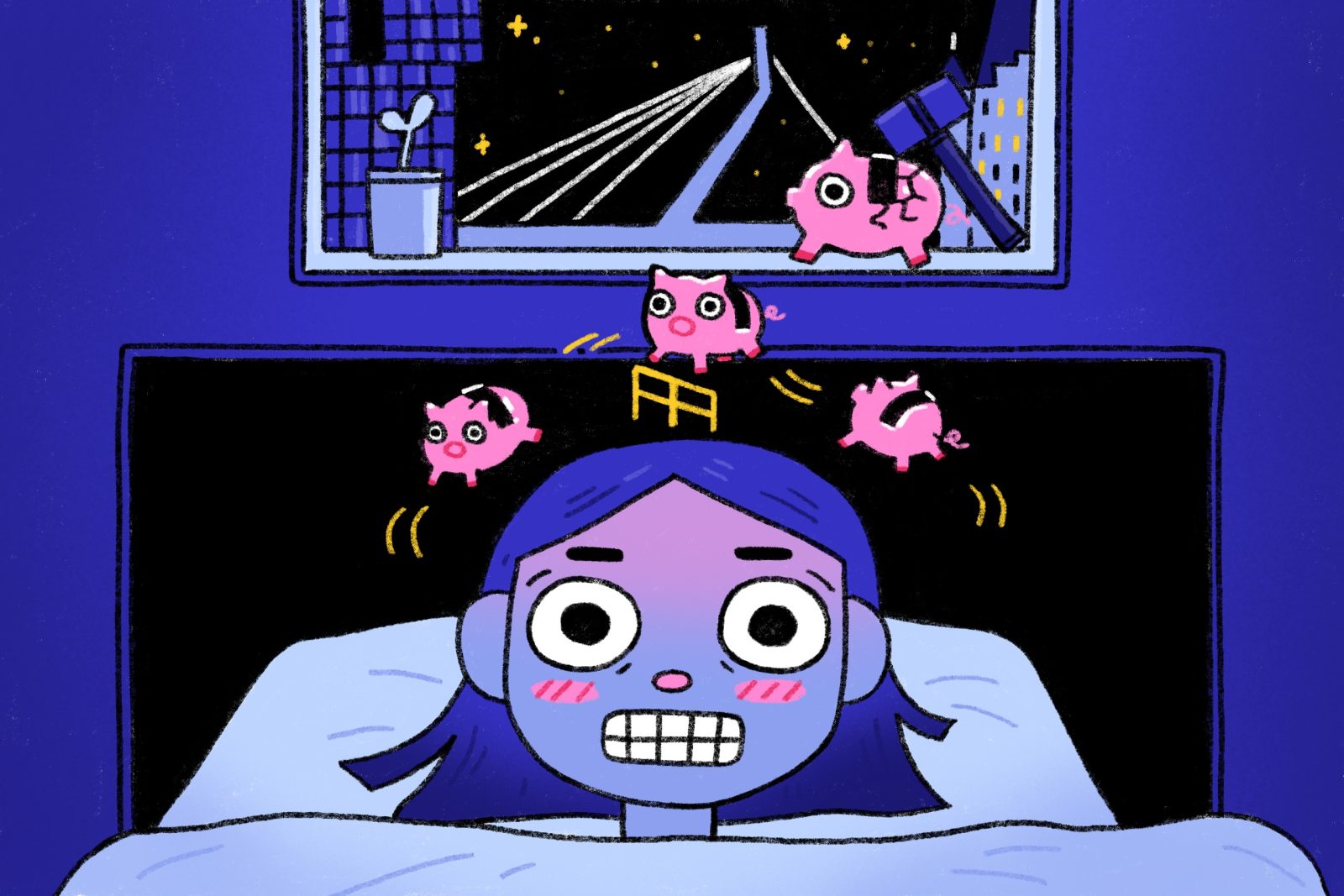
Image by: Femke Legué
During coalition talks, D66, VVD and CDA agreed that students would never again pay more than 2.5 per cent interest on their loan from DUO. At the time, they thought this ‘interest cap’ would cost ‘only’ 40 million euros a year from 2029.
But it now turns out that the measure will cost four times as much: 160 million euros. On Thursday, minister of Education Rianne Letschert sent a letter to parliament setting out her reservations. On second thought, the interest measure is too expensive, too risky and therefore ‘unwise’, she wrote.
Also contributing to the decision is growing pressure on her budget, partly because other ministries are reversing or postponing spending cuts. It was announced earlier that the Ministry of Education, Culture and Science (OCW) faces a possible cut of 1.2 billion euros. The ministry’s civil service also has to be substantially reduced.
Promise to students
Making it easier for students to make ends meet was a key promise of this government. The student organisation ISO is therefore ‘disappointed’, it says in a press release. The National Student Union is ‘furious’: without a cap, students will never know how much they will eventually have to pay back.
But an interest cap carries significant risks. The money the government lends to students has to be borrowed by the government itself on the capital market. If interest rates there are higher than the cap, the measure costs money.
The coalition had assumed an interest cap of 2.5 per cent and a government borrowing rate of 2.7 per cent. That would have cost around 40 million euros. But the rate now looks set to rise to 3.3 per cent, Letschert wrote, which would make the measure cost four times as much.
Risk
And interest rates have been even higher in the past. In 2008, they were 4.1 per cent, and in 1992 they were just over 11 per cent. Rates like that would now cost the treasury around 320 million to 1.7 billion euros if the cap was introduced.
On top of that, a maximum interest rate could encourage students to borrow more. If the interest rate charged by DUO is much lower than the interest students can earn on their savings, they could even make a little money from their loan.
Critical questions
Still, it is understandable that students are disappointed. The coalition had also promised to increase the basic grant by a few tens of euros from 2027. That has been postponed to 2028, minister Letschert wrote to the House of Representatives a few months ago.
Scrapping the interest measure is certain to prompt critical questions in politics. Parliament will discuss the education budget next week. Going back on promises like these rarely goes down well.
Letschert seems to be aware of that. She writes that, ‘unfortunately’, the 40 million euros set aside will not allow her to introduce a useful interest cap. But she does now have 40 million euros available. Perhaps parliament can think of something else to do with it? the minister asks in her letter.
Een lijst met artikelen
-
Everything you ever wanted to know about student debt
Gepubliceerd op:-
Student life
-
De redactie
Comments
Ad
Read more in Money
-

Repay your student debt in 15 years? Then interest rises to 3.28 per cent
Gepubliceerd op:-
Money
-
-
For the first time, student debt in the Netherlands falls
Gepubliceerd op:-
Money
-
-

Interest on student debt at highest level in 17 years
Gepubliceerd op:-
Money
-

Leave a comment