Ad

U-council loses right to approve security cameras

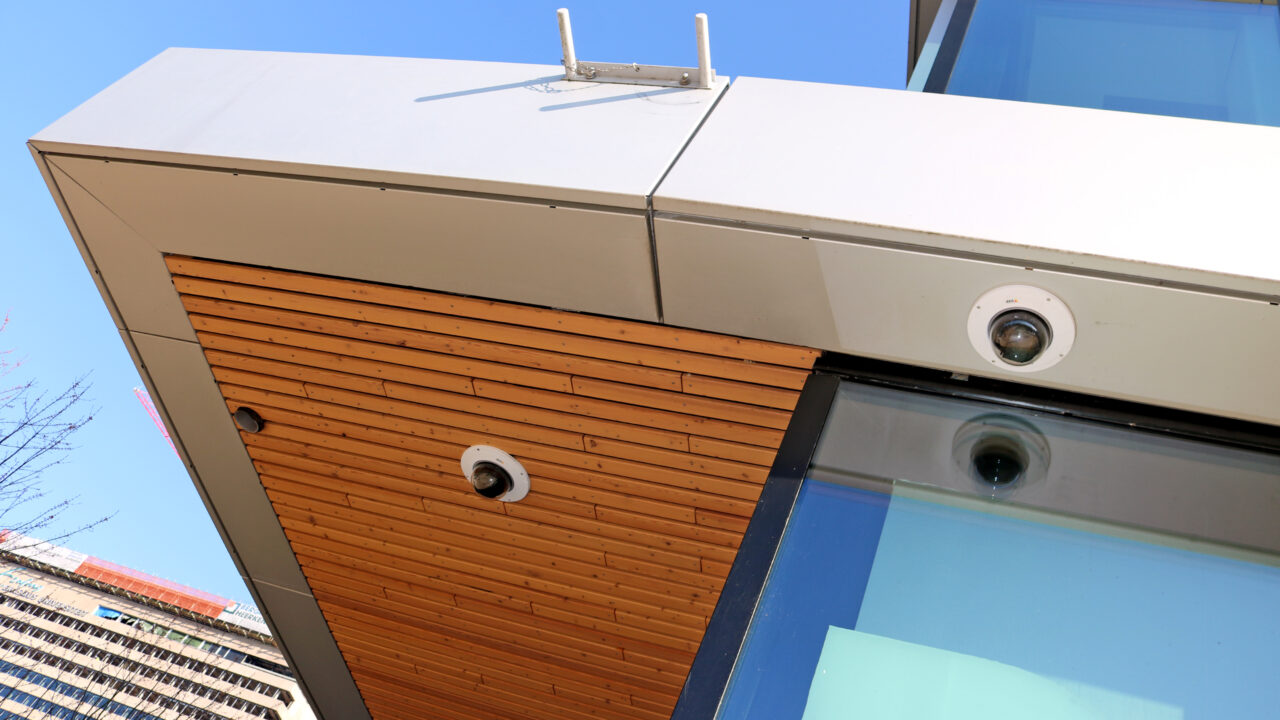
The University Council has approved a substantial amendment to the camera policy. The hard-won right of the council to assess every proposed security camera installation in advance has been scrapped.
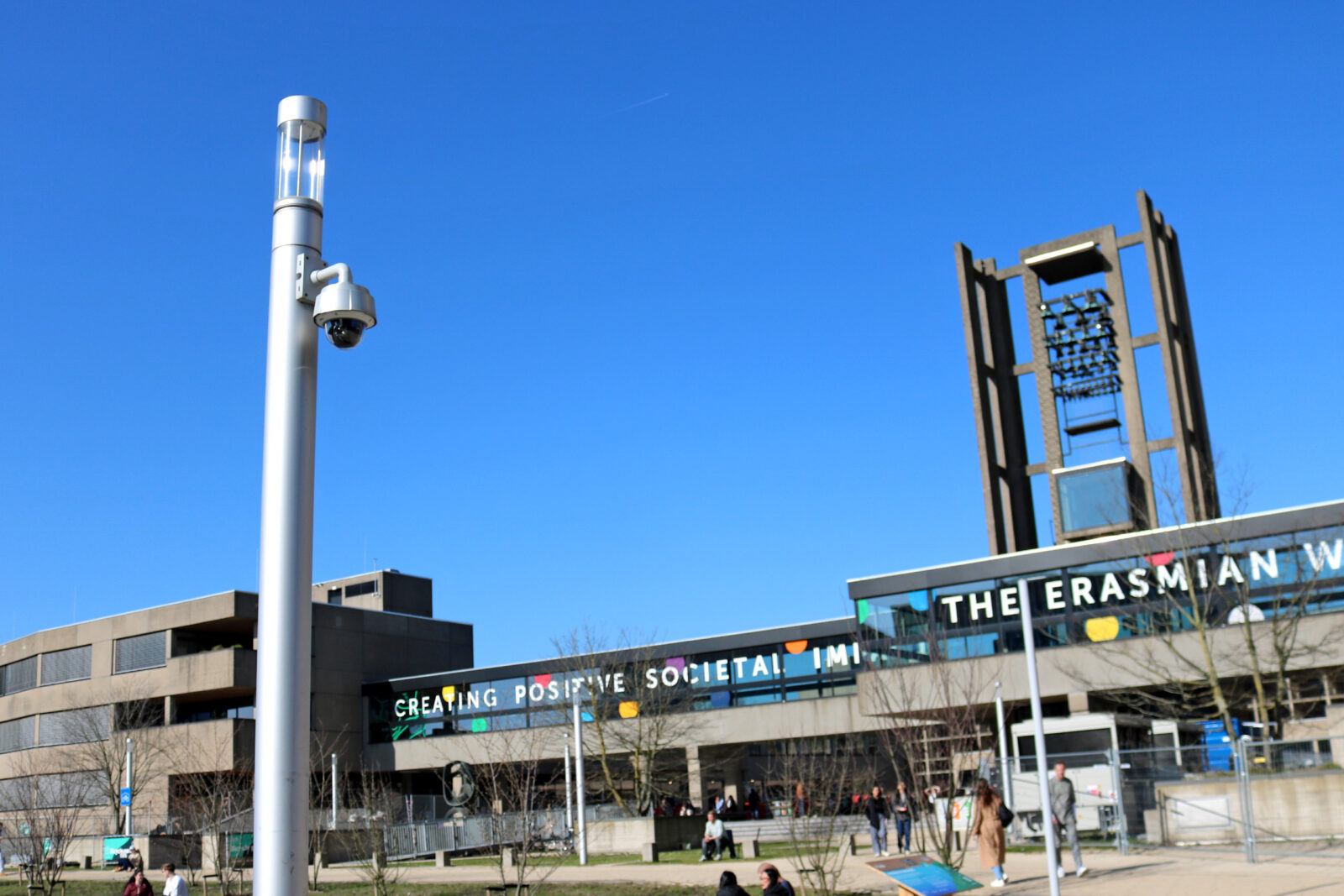
Image by: Esther Dijkstra
A new policy was urgently needed. The old policy dated from 2013 and was based in part on the Personal Data Protection Act, a law that has since been replaced by the General Data Protection Regulation (GDPR). Developments in the field of AI also made an update necessary.
Consultation disappears
But the policymakers’ first draft left no room for the University Council to have a say in the installation of cameras. This right to assess the installation of each security camera individually had been hard-won by the council in 2013, but was removed entirely from this draft. Changes to the policy would still require the consent of the participation bodies.
This draft version was amended at the council’s insistence, however. It now includes that the U-council may appoint an advisory member to a Camera Surveillance Review team, that will assess camera requests on the basis of ‘necessity, proportionality and subsidiarity’. The council will receive an annual report on camera surveillance. “That person can escalate any camera placement to the council, so if anything not in accordance to the regulations happens, it gets to us immediately”, says Borja Ranzinger, who negotiated about the regulations on behalf of the council.
There will also be a review every four years, in which the University Council will also be involved. But the council has now agreed to the loss of the right of approval of individual cameras.
Stricter rules
In some respects, the accepted new policy is stricter than the previous one. For example, footage may be retained for only two weeks, rather than one month. An explicit ban on AI for applications such as facial recognition and emotion recognition has been added. Stricter rules will apply to temporary camera surveillance: this may last for a maximum of six months, with a one-off extension of another six months. Covert surveillance may last for a maximum of one month, with written permission from the Executive Board, and provided that it is reported to the U-council immediately afterwards.
Consultation rooms, quiet rooms and breastfeeding rooms have also been added to the list of areas excluded from camera surveillance. Toilets, showers and changing rooms were already on that list. Offices and study areas may in principle not be filmed either, unless there is an extremely exceptional, acute threat.
The new regulations expire in five years, so if the council is unhappy with the practical consequences, it can revert to the old regulations in 2031.
Not without a struggle
The new policy was not adopted without a struggle. After an EM investigation, the council discovered that the university had failed to comply with the camera policy for years.
Until recently, cameras were not submitted to the council, even though the rules required this. The council was also unhappy that an investment of 1.7 million euros in a new camera system had never been submitted to it.
Een lijst met artikelen
-

Walking from A to B without being filmed is no longer possible on campus Woudestein
Gepubliceerd op:-
Security
-
De redactie
-
 Elmer Smaling
Deputy editor-in-chief
Comments
Comments are closed.
Ad
Read more in Security
-
Walking from A to B without being filmed is no longer possible on campus Woudestein
Gepubliceerd op:-
Security
-
-

University Council sidelined for years on surveillance and now refuses relocation of two cameras
Gepubliceerd op:-
Security
-
-

Break-in at the F building, boilers and taps stolen
Gepubliceerd op:-
Security
-