Ad

Cabinet wants knowledge and innovation for the armed forces

The Ministry of Defence wants to work more closely with educational and knowledge institutions, according to a new policy paper. Discussions are still ongoing about the exact conditions.
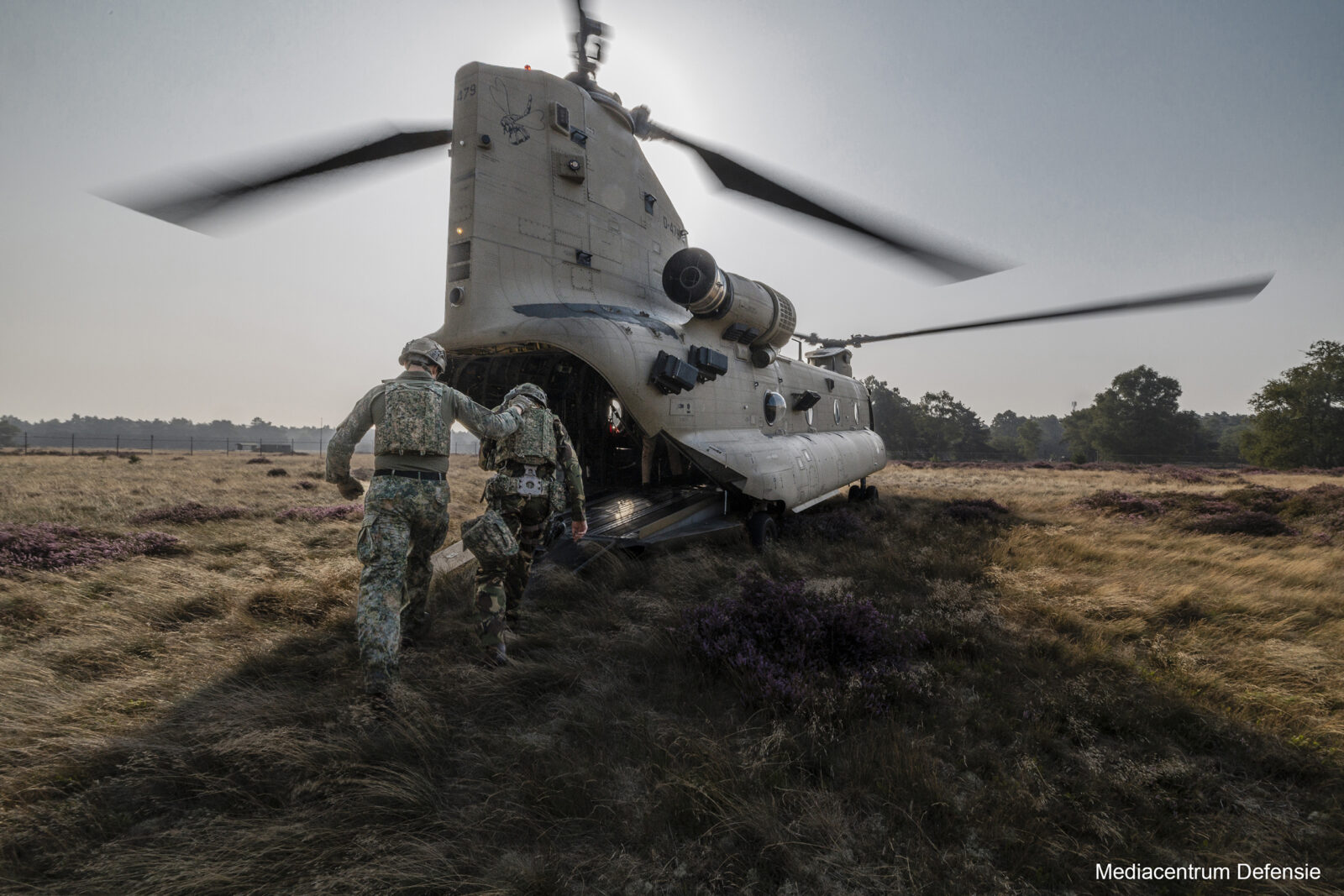
Image by: Mediacentrum Defensie
The budget for the Ministry of Defence is set to increase substantially. In the coming years, funding will already rise by several billion euros, eventually reaching an additional 19 billion euros in 2035.
Part of that money will be spent on research and innovation. Universities and universities of applied sciences can also contribute to this, and it appears they are keen to do so: the funding is attractive, and why would they not want to contribute to national security?
There are also critical voices: should researchers allow themselves to be drawn into the orbit of the defence industry? How does academic freedom relate, for example, to confidentiality requirements? And what are the implications for international collaboration?
Better alignment
Last Friday, Minister of Education, Culture and Science Rianne Letschert wrote to the House of Representatives that she is in discussions with her colleagues at Defence and Economic Affairs about the conditions that would enable knowledge institutions to “better align” with Defence research and innovation.
Both universities and universities of applied sciences have concluded agreements with the military – either individually or jointly – on the use of education and research. The question therefore seems to be mainly how this will take place, rather than whether it is desirable for these institutions to cooperate with the defence industry at all.
A new policy paper on Defence, which sets out the government’s plans in more detail, states that Defence will strengthen “development, knowledge, production and security of supply”. This will take place in close cooperation with the Ministry of Economic Affairs and the Ministry of Education, Culture and Science.
Dual-use
The plans remain fairly vague, but the cabinet wants to encourage dual-use applications, meaning innovations that could also be used for military purposes if required. No examples are given, but these could include certain radar technologies or expertise on vulnerabilities in software.
Defence also wants to cooperate at a regional level with businesses, industry, educational institutions and knowledge institutions. The expectation is that this will allow Defence to contribute to “societal resilience, economic strength and solutions to broader societal challenges”.
We must stay ahead of our adversaries, the cabinet says, and therefore the Netherlands must retain knowledge and expertise domestically. “Undesirable dependence on foreign knowledge and suppliers may constitute a security risk.”
The policy paper mainly confirms the current direction of travel rather than marking a major shift. At the same time, it shows that many details still need to be worked out. The role of knowledge institutions has not yet been fully defined.
Read more
-
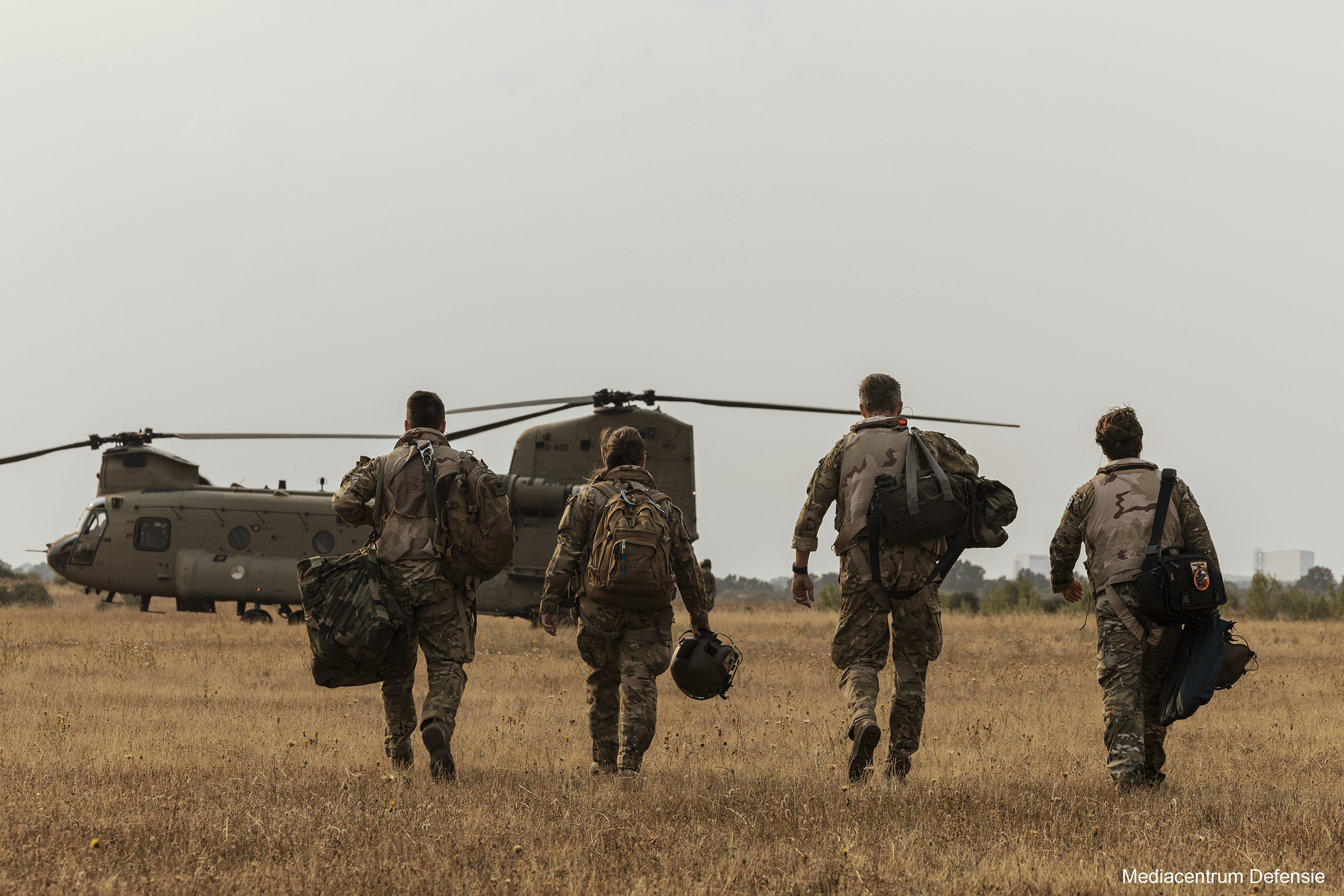
Universities of Applied Sciences want to teach the army, universities grapple with dilemmas
Gepubliceerd op:-
Governance
-
De redactie
Comments
Comments are closed.
Ad
Read more in Education
-
Solution for students who have to wait more than 50 weeks for medical internships
Gepubliceerd op:-
Education
-
-

National budget: extra money education and research, no unexpected cuts
Gepubliceerd op:-
Education
-
Politics
-
-
Long waiting times for medical internships also affect other cities
Gepubliceerd op:-
Education
-