Ad

After Ommoord, ERGO researchers want to follow the health of people in Zuid
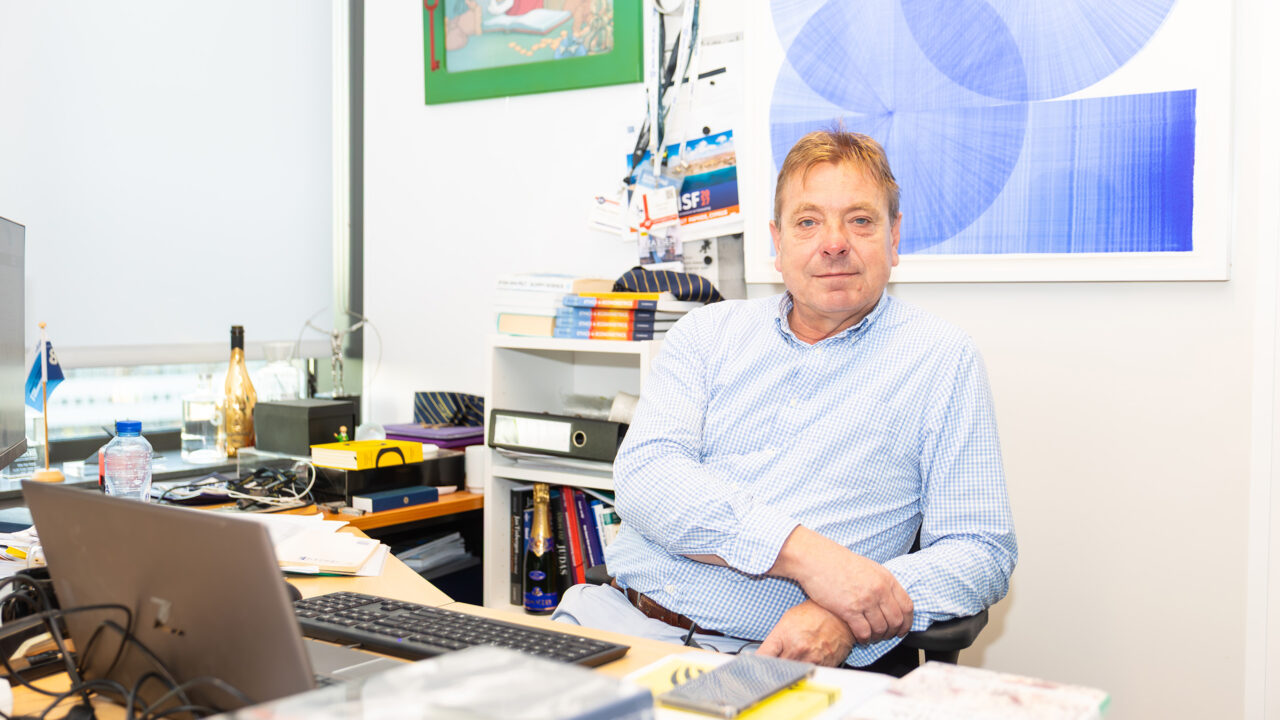
Scientists have been monitoring the health of residents of the Rotterdam neighbourhood of Ommoord for 35 years. If it is up to lead researcher Arfan Ikram, this will also happen in Rotterdam-Zuid next year. But that turns out to be more challenging than expected.
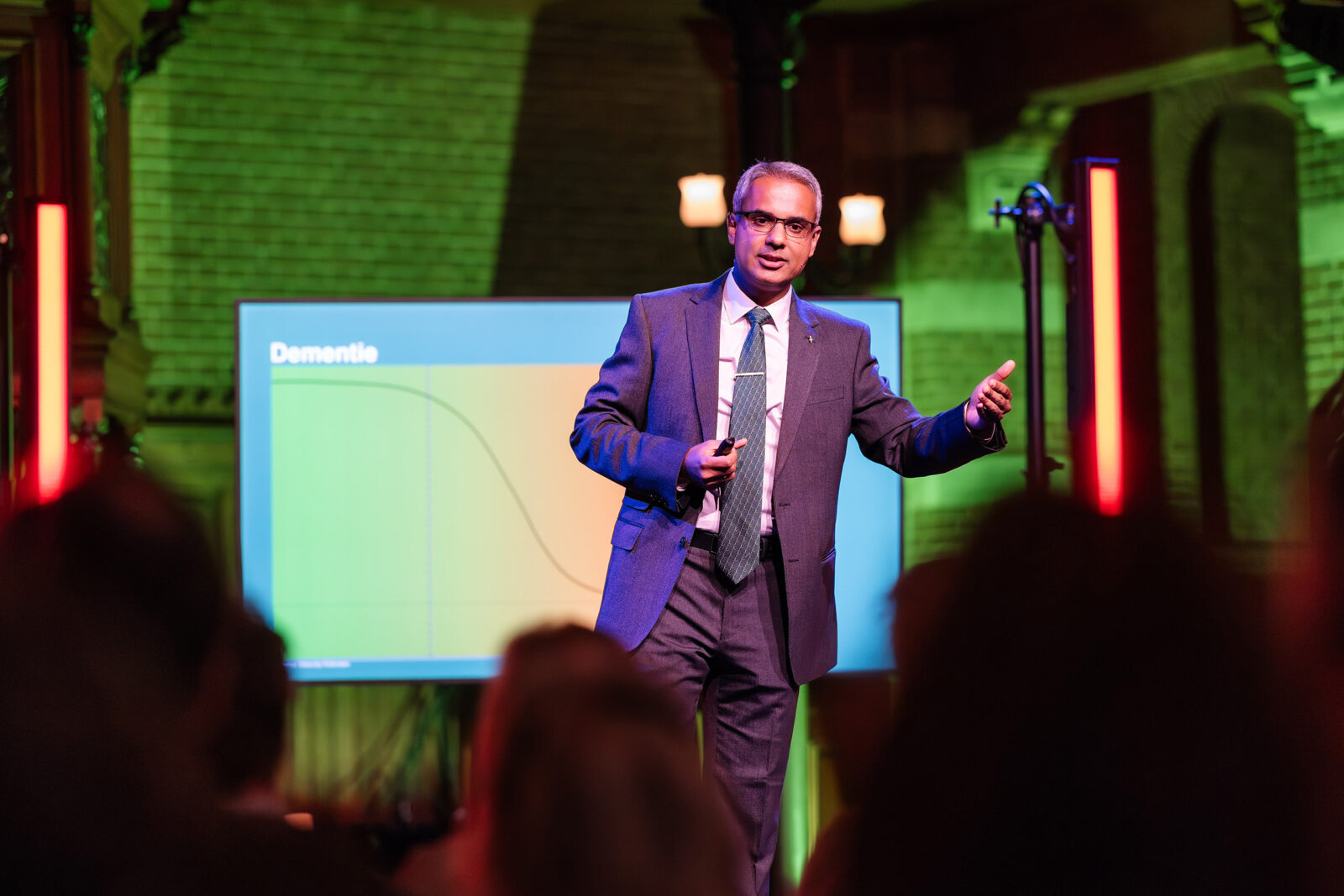
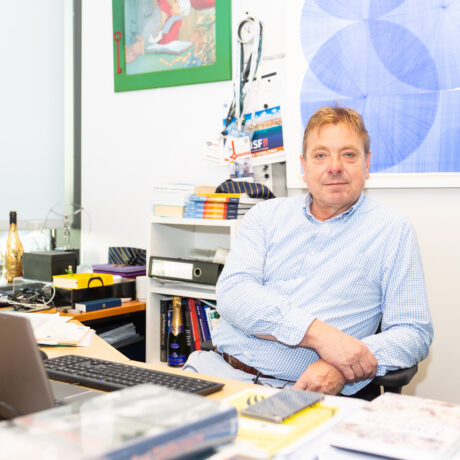
Arfan Ikram discusses his research on dementia at the 2026 Rotterdam Lecture.
Image by: Brian Lubking
Since 1990, research has been carried out in Ommoord into dementia and other conditions that are common later in life, making it the longest-running population study in the Netherlands. Participants are extensively examined every few years, which provides the researchers with a goldmine of health data.
Although similar studies in which people from a particular age group are followed over a long period have been carried out in the United States, the researchers of the Erasmus Rotterdam Gezondheid Onderzoek (ERGO) were among the first to apply this concept in the Netherlands.
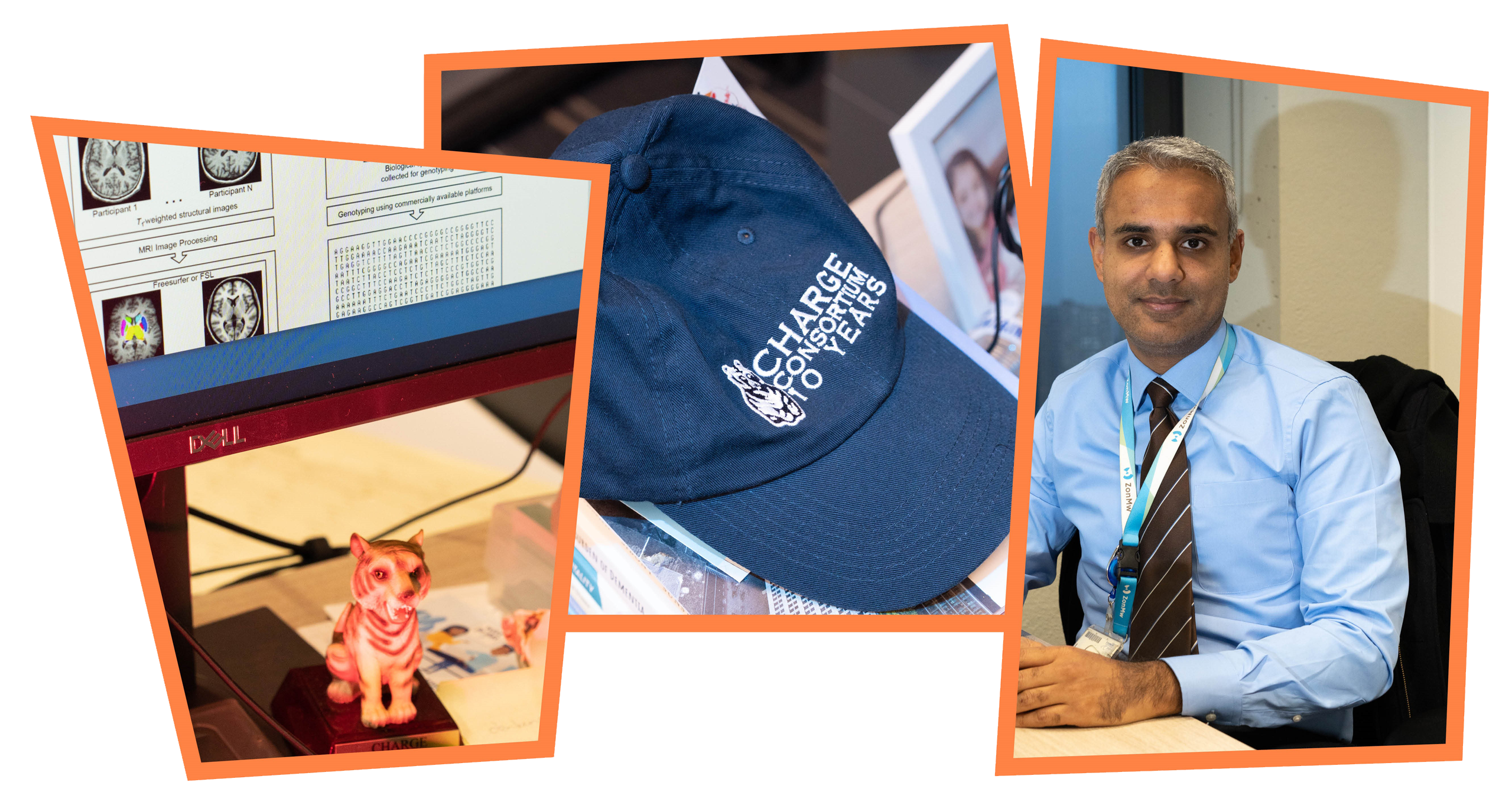
Arfan Ikram, epidemiologist and since 2017 lead researcher of the ERGO study, gave this year’s Rotterdam lecture to talk about the role of the city in global dementia research. During the lecture, Ikram shared the insights from 35 years of research in Ommoord. They found more and more factors that help explain cases of dementia. He also announced that he wants to expand the study to Rotterdam-Zuid.
Ommoord as starting point
So far, the study has been limited to Ommoord. “We may call it the ‘Rotterdam Study’ (as the ERGO study is known internationally, ed.), but our research has so far been limited to one neighbourhood.” The choice of Ommoord was mainly due to the stability of the study group: many of the over-45s take part and there are few dropouts. This makes the neighbourhood a suitable place for long-term research.
By inviting participants back every five years and following them in terms of physical activity, blood, blood pressure, blood vessels, heart and lung function, eyes and memory, the researchers have been able to build up a picture of various diseases that are common in older age, such as dementia, cardiovascular disease and osteoporosis.
“Because so little was known about certain conditions in the early years, the population of Ommoord was able to help answer many of the questions researchers had”, Ikram explains. “Whether you look in Ommoord or somewhere else, a person’s blood pressure is mainly determined by the same biological processes and factors.”
Expansion
In the meantime, the research questions have become more specific. In addition to lifestyle and genetics, other factors, such as the living environment, also play a role in the development of disease. Ommoord has a very different population composition, socio-economic status and age profile from Rotterdam-Zuid. It is precisely these differences that make expansion valuable.
“There is still so much more to learn about other parts of Rotterdam”, says Ikram. “Studying those differences can provide new valuable insights that we would never find if we stayed only in Ommoord. That is why we want to follow a more diverse group of participants.”
What started as an idea is now becoming a concrete plan. “It is no longer a moonshot”, says the lead researcher. “If everything goes according to plan, we hope to run our first pilot next year.”
‘Reinventing the wheel’
Even so, the expansion soon turned out to be more challenging than expected. “We began with the idea: we’ll just do it. But that is much easier said than done.” None of the current researchers were involved in setting up the original study in 1990. “We had to dive into the archives to find out what is involved. In that respect, we had to reinvent the wheel.”
A fresh start also has its advantages, Ikram shows with an example. “In Ommoord, we have always used a classic blood pressure monitor. Because we are starting with a clean slate in Zuid, we can opt for new technologies, such as a monitor that records data automatically, without any variation in the measured results because we use different measuring devices.”
Other challenges
Rotterdam-Zuid also presents the team with other challenges. More people with different backgrounds live there, and there are many young families. The latter may sound harmless, but for the researchers it is an important point of attention. “Our research has to be predictable in its execution”, Ikram explains. “We want to be able to follow the same participants over a longer period. If young families live somewhere else in a few years’ time, it is very uncertain whether they will come back for our study.”
All these kinds of considerations are being incorporated into the new research design. “We should not end up thinking afterwards: if only we had taken this into account”, says Ikram.
Together with the neighbourhood
Cooperation with the residents of Rotterdam-Zuid is central to the study. That starts with asking the right questions. “We first want to find out what people in the neighbourhood themselves want to know. Residents may well be worried about the amount of green space in their area, while we might think air pollution is the most important issue. In that case, we will have to adjust”, he says.
The same applies to the way in which results are communicated. Ikram gives another example: “If I were to give a lecture in Ommoord with the message ‘eat more broccoli’ residents would be able to act on that message. In Rotterdam-Zuid there are plenty of people who would say they are already just happy if there is any food on the table at all. We really have to understand the everyday reality of the people in Zuid before we come up with recommendations.”
According to Ikram, this really is a new way of doing research. “Instead of doing research for people, we are going to do it with them. Research is changing, and we are changing with it.”
Een lijst met artikelen
Comments
Comments are closed.
Ad
Read more in Science
-

Hate campaigns and political pressure: KNAW wants legal protection for academic freedom
Gepubliceerd op:-
Science
-
-
Why Philip Hans Franses had students look in wallets at a DIY store
Gepubliceerd op:-
Eureka!
-
-
Nobel Prize for research into ‘stabilisation’ of the economy
Gepubliceerd op:-
Science
-