Ad

Education is more than money in the bank
Professor of Philosophy Ronald van Raak is a little saddened by the CPB’s narrow model thinking. Do the people working there really not understand that intellectual development is about so much more than money in the bank?
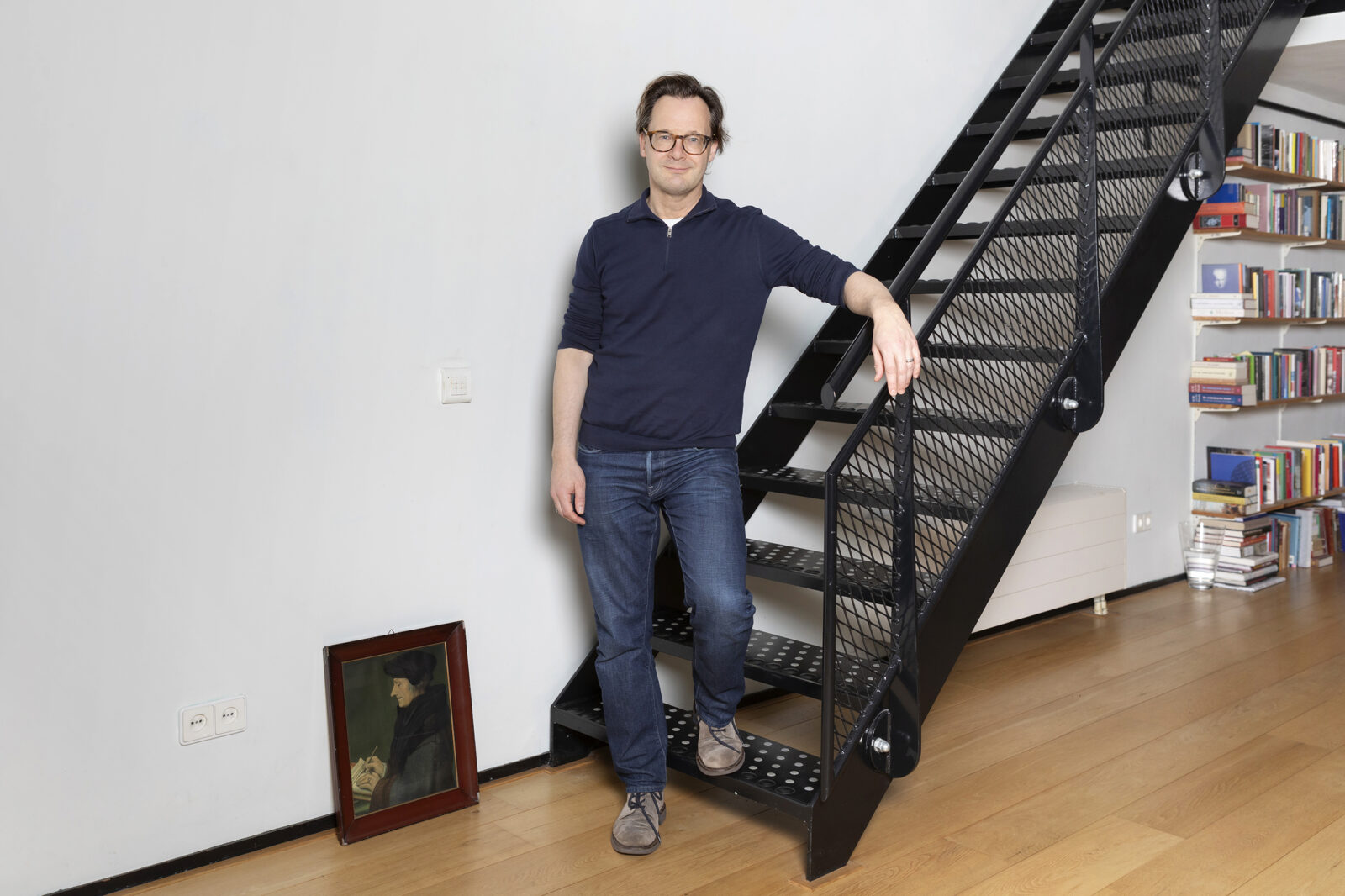
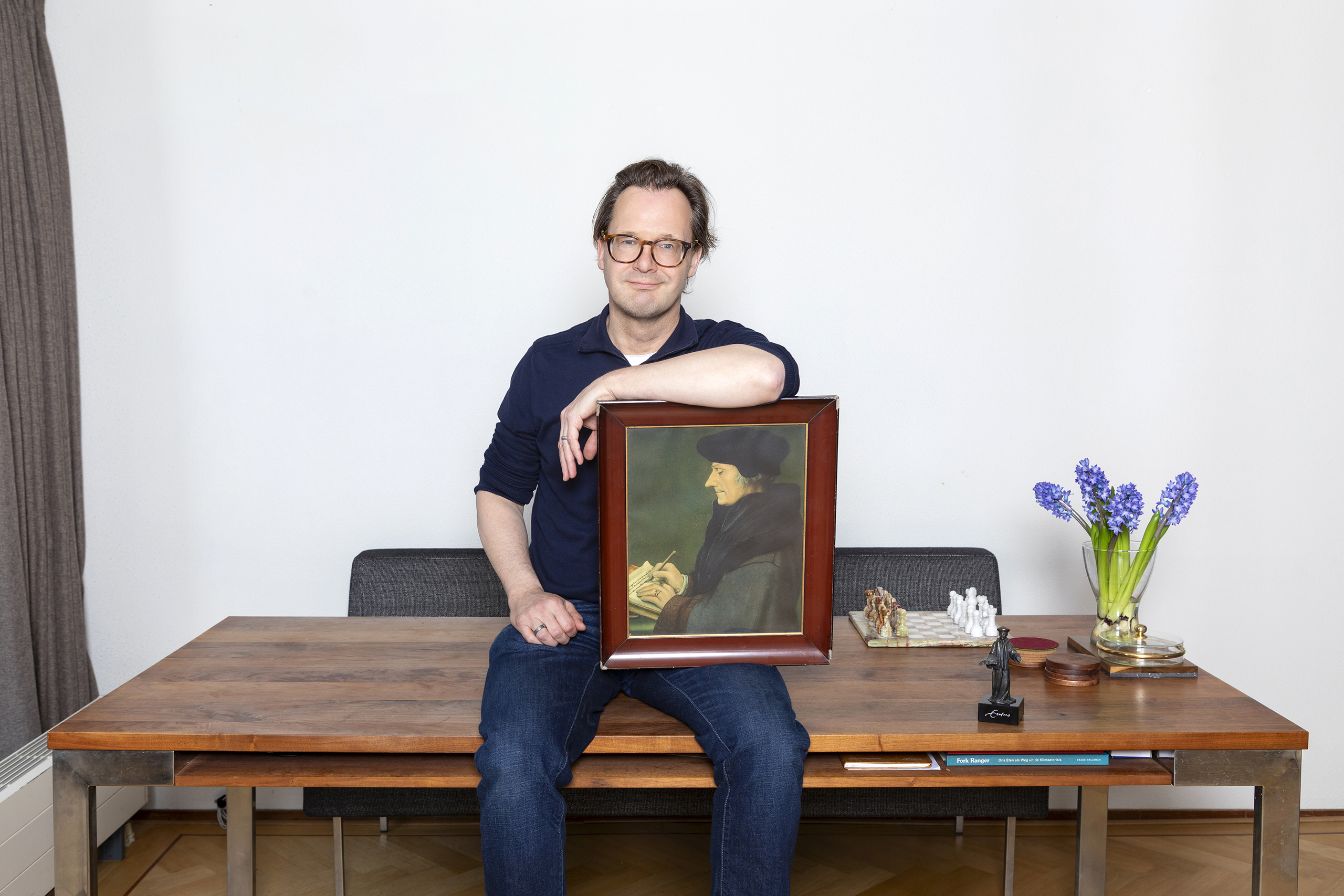
Image by: Geisje van der Linden
Do you want to become rich? Then above all, do not study. After all, you lock yourself away in a university for years, while you could have been doing business during all that time – or you could have been speculating: the fastest way to make money is, after all, with money. All that reading and all those lectures; those exams and that stress. I can assure you, it is not worth all that effort just for the money.
You may think: that Van Raak is being rather outspoken, but I am nowhere near as radical as the Netherlands Bureau for Economic Policy Analysis (CPB): until recently it claimed that education brings no financial benefit to society at all. The CPB calculates the programmes of political parties. There has been much criticism of this, because the models used are very limited. For example, the bureau viewed investments in education and research solely as costs, because it simply could not calculate their returns.
In our country, political parties are expected to have their plans assessed by the CPB. Parties have been doing this since 1986. This is a typically Dutch phenomenon – in other countries it is far less common. We have a tradition of planning bureaus, partly due to the work of Jan Tinbergen, the great economist of the Netherlands School of Economics, a predecessor of Erasmus University – and also the namesake of the Tinbergen Building. In 1945 he was one of the founders of the CPB, but he would certainly have criticised the bureau’s current models. For Tinbergen, science had a social duty and education had the task of developing people – something that simply cannot be captured in models.
Een lijst met artikelen
-
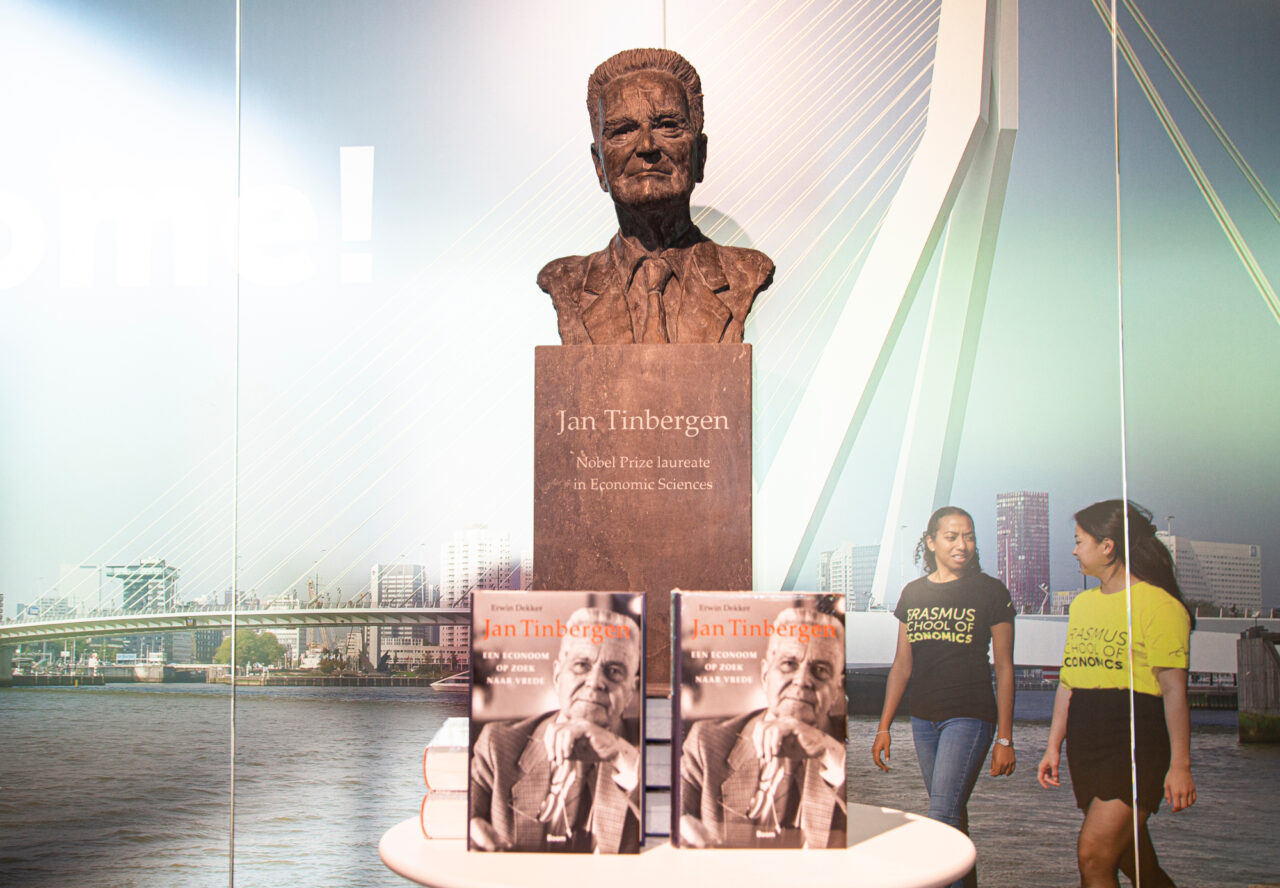
Jan Tinbergen biography shows the dichotomy between science and politics
Gepubliceerd op:-
Opinion
-
The CPB’s models are taken extremely seriously. Certainly in politics, where parties are expected in the assessment process to ‘prove’ whether their proposals are ‘CPB-proof’. This is partly encouraged by the attitude of the planning bureau itself, which in 2025 made economic forecasts up to 2060. That is 35 years. Let us count back 35 years from 2025 – we then arrive at 1990. ‘Those were good times’, sang Corrie Konings at the time. Ruud Lubbers was prime minister then; the current European Union did not yet exist, though the Soviet Union still did. As a student, I wrote my papers on a typewriter, we did not use computers; the digital revolution had yet to begin. What value would a prediction for 2025 have had at that time?
‘I become a little saddened by the CPB’s narrow model thinking’
Criticism of the CPB is growing and the planning bureau is not deaf to it, certainly when it comes to the strange outcomes of the models regarding investments in education and research. That is why the bureau announced an adjustment, through the introduction of a so-called human capital model, based on a lifetime income approach. To calculate the returns of more education, the CPB will now predict how much additional income people will gain from it.
I become a little saddened by the CPB’s narrow model thinking: for them, the importance of education is therefore the amount of money you can earn from it. The people working there must also have received an education themselves, surely? Do they really not understand that intellectual development is about so much more than money in the bank? I do not see the new CPB model as an improvement, but rather as confirmation: that the CPB itself could still use some education.
Read more
-
How it feels when your language disappears
Gepubliceerd op:-
Column
-
De redactie
-
 Ronald van Raak
Columnist
Comments
Comments are closed.
Ad
Read more in Column
-
The sad anniversary of powerless staff and students
Gepubliceerd op:-
Column
-
-

Tea, theory and a healthy dose of procrastination
Gepubliceerd op:-
Column
-
-
The drama of Jason Arday
Gepubliceerd op:-
Column
-