Ad

Universities weigh up their digital autonomy

Universities should become significantly less dependent on US software giants, they say. They are jointly setting up a committee to increase digital autonomy.
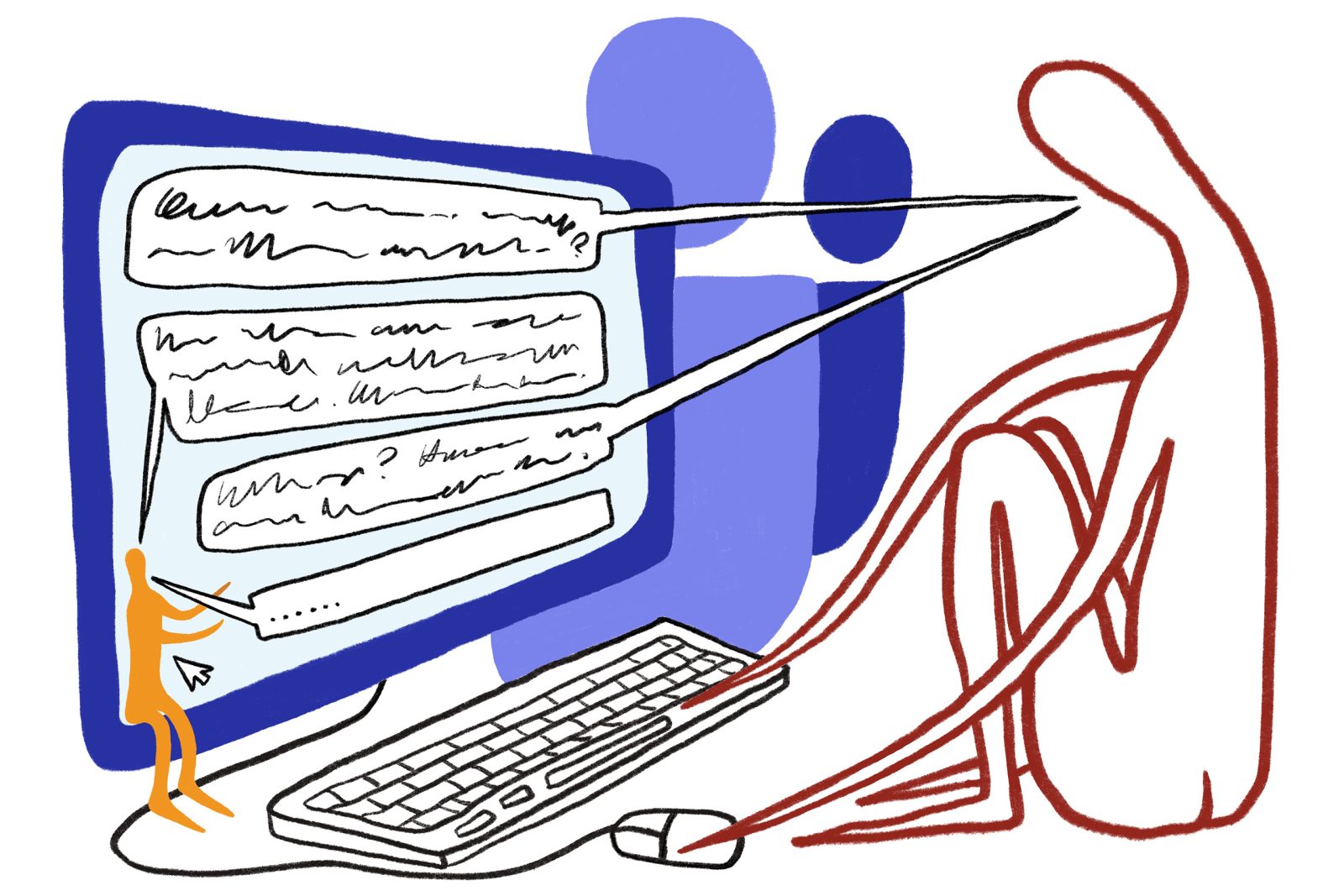
Image by: Sonja Schravesande
Suddenly being unable to access your email because of US sanctions: what happened last year to the chief prosecutor of the International Criminal Court in The Hague was an alarm signal for universities.
“We should actually develop a digital emergency kit”, says spokesperson Ruben Puylaert of UNL, the umbrella organisation of Dutch universities. “What if something like what happened at the Court occurs? Which provider would you then switch to?”
‘Educational values under pressure’
The dependence on US software is large. Microsoft in particular is dominant in Dutch higher education. And US companies can simply flip the switch. Or substantially raise prices. Or secretly give others access to our data.
“This dependence puts the values of education and science under pressure”, writes UNL in a statement. The umbrella has set up a committee that also includes the government and IT co-operative SURF. The committee will map the risks and look for short- and long-term solutions.
Universities of applied sciences and universities not only use Microsoft for email and office software, but also rely heavily on it for cloud storage and for keeping their networks secure. That dependence was already pointed out by the rectors of all universities back in 2019, but in practice little has changed since then.
More attention
Still, attention to this dependence is increasing. Last year the House of Representatives called on the government to work with universities of applied sciences and universities to increase the digital autonomy of the Netherlands.
Universities of applied sciences are also working on this, says a spokesperson for the umbrella association. A few years ago they and SURF started an ‘innovation zone’ to find alternatives ‘for market players that do not respect public values’.
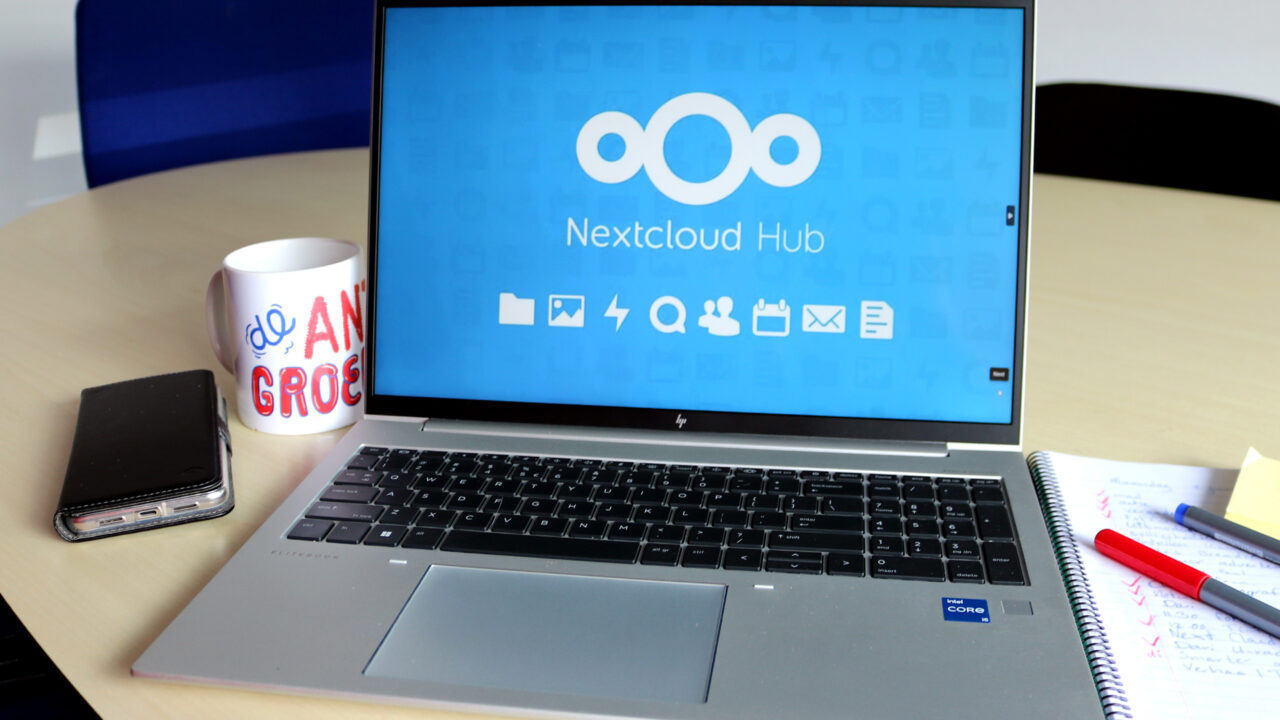
At the end of last year SURF began a practical test with software from the German Nextcloud. That could partly replace Microsoft. The pilot is so popular that SURF is now expanding it.
Een lijst met artikelen
-

A ChatGPT of its own for staff: university launches Desidera
Gepubliceerd op:-
Artificial Intelligence
-
De redactie
Comments
Comments are closed.
Ad
Read more in IT
-

Cybersecurity: lighter supervision for higher education
Gepubliceerd op:-
IT
-
Politics
-
-
Away from Big Tech: pilot with Microsoft Teams alternative starts in July
Gepubliceerd op:-
IT
-
-
University reports data breach in staff survey
Gepubliceerd op:-
IT
-
Privacy
-