Ad

Estonian president Alar Karis in Erasmus Paviljoen: ‘We are not at war, but also not at peace’
On Thursday afternoon, in an almost sold-out Erasmus Paviljoen, the Estonian president Alar Karis received the World Leader Cycle Award to loud applause. His message was clear: in his view Europe lives in a grey area between peace and conflict – and must prepare for that.
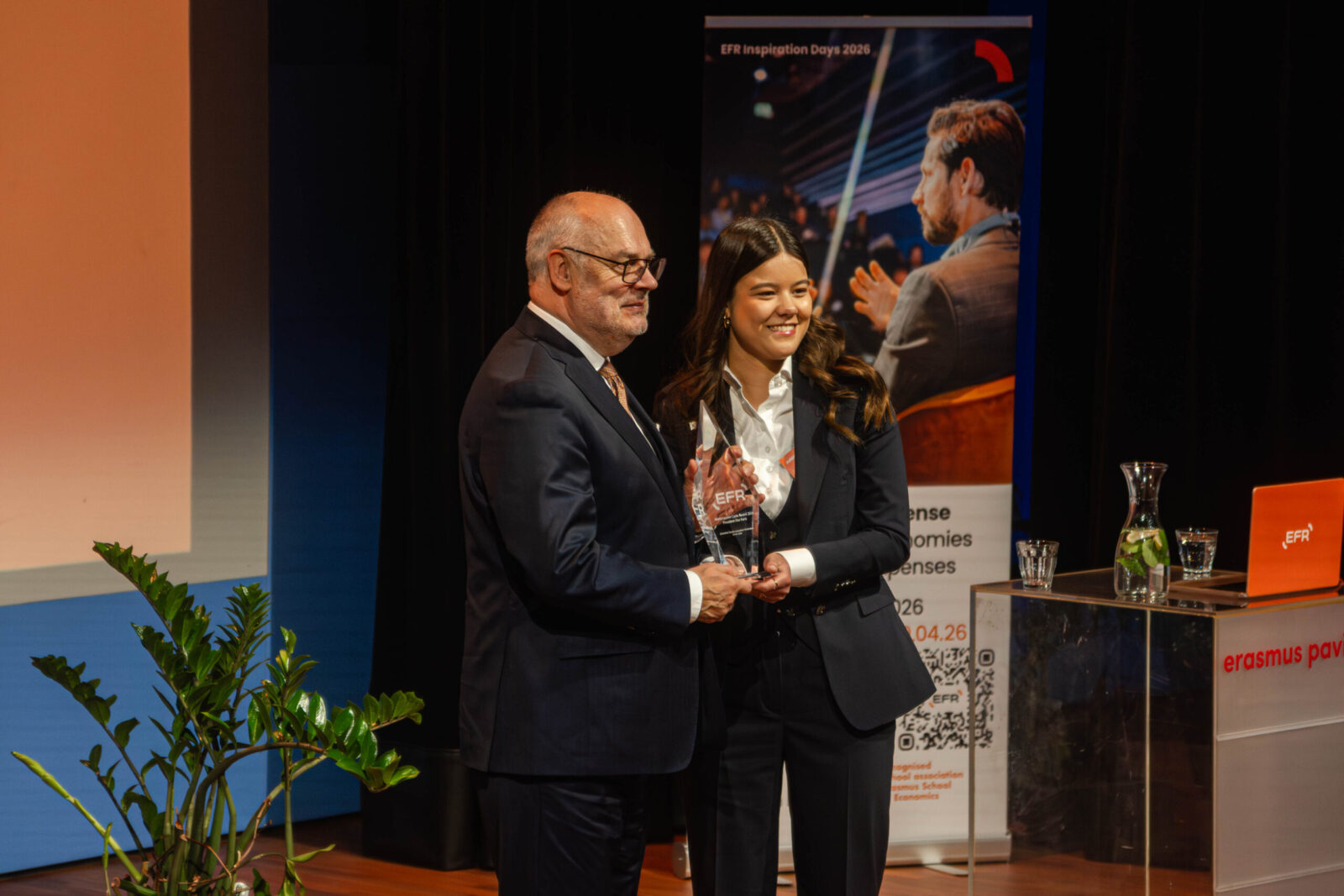
Alar Karis receives the World Leader Cycle Award from EFR.
Image by: Nhat Minh Bui
The presentation took place during the EFR Inspiration Days. It was a busy day for Karis. Earlier that morning he spoke with the king at Palace Huis ten Bosch and visited prime minister Rob Jetten in The Hague. In Rotterdam he met around one hundred and fifty students and alumni – Woudestein is familiar ground for the president of Estonia: he previously worked here as a researcher.
‘Not at war, not at peace’
After the presentation Karis gave a speech in which he painted a world where technological progress goes hand in hand with rising geopolitical tensions. In his view Europe is in an uncomfortable intermediate phase: “We are not at war, but also not fully at peace.”
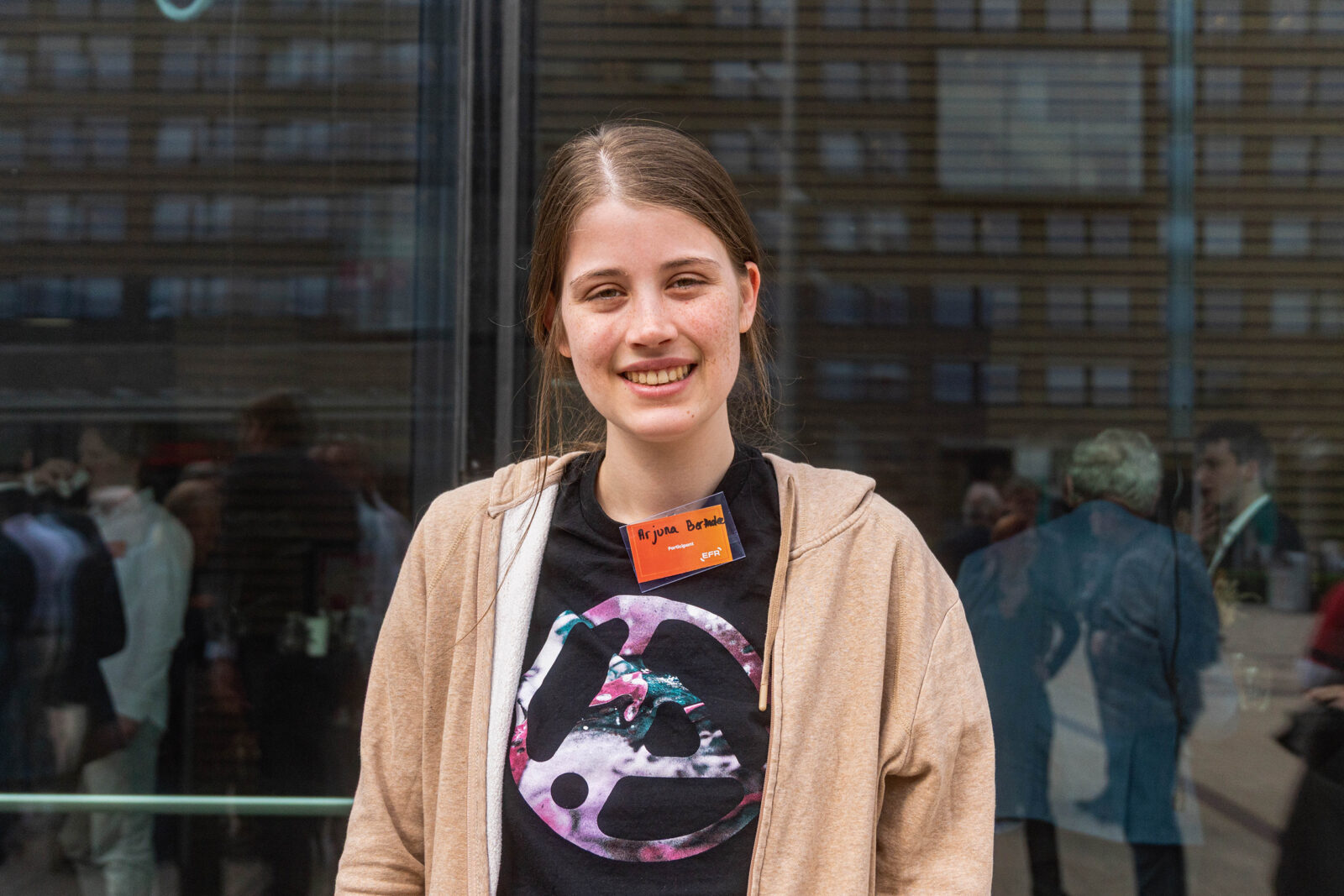
Arjuna Bertholee
Image by: Nhat Minh Bui
He pointed to cyberattacks, sabotage and disinformation as signs of a ‘new reality’. Still, there was no panic in his words. “We in Estonia are not afraid. We know our neighbour. We know what we can expect, and we know what we must do.”
That remark stood out to econometrics student Arjuna Bertholee, she said afterwards. “I found it interesting that he said he was less afraid, especially because Estonia is closer to Russia. In Western Europe it feels further away, but at the same time more threatening.”
Investing in deterrence
The theme of the Inspiration Days this year was ‘economy of defence’, and that came through clearly in Karis’ speech. He stressed that Estonia is investing heavily in defence. According to Karis it’s not just about how much is spent, but above all about credibility. “Deterrence only works if it is convincing.”
He called on European countries to invest more quickly in military capability, such as air defence and long-range weapons. That call prompted critical questions from the audience. One student pointed out that European countries together already spend more than Russia.
Karis stuck to his position: “It is not just about the numbers. Russia is willing to make sacrifices that we will not accept. That is why we must be stronger, precisely to prevent war.”
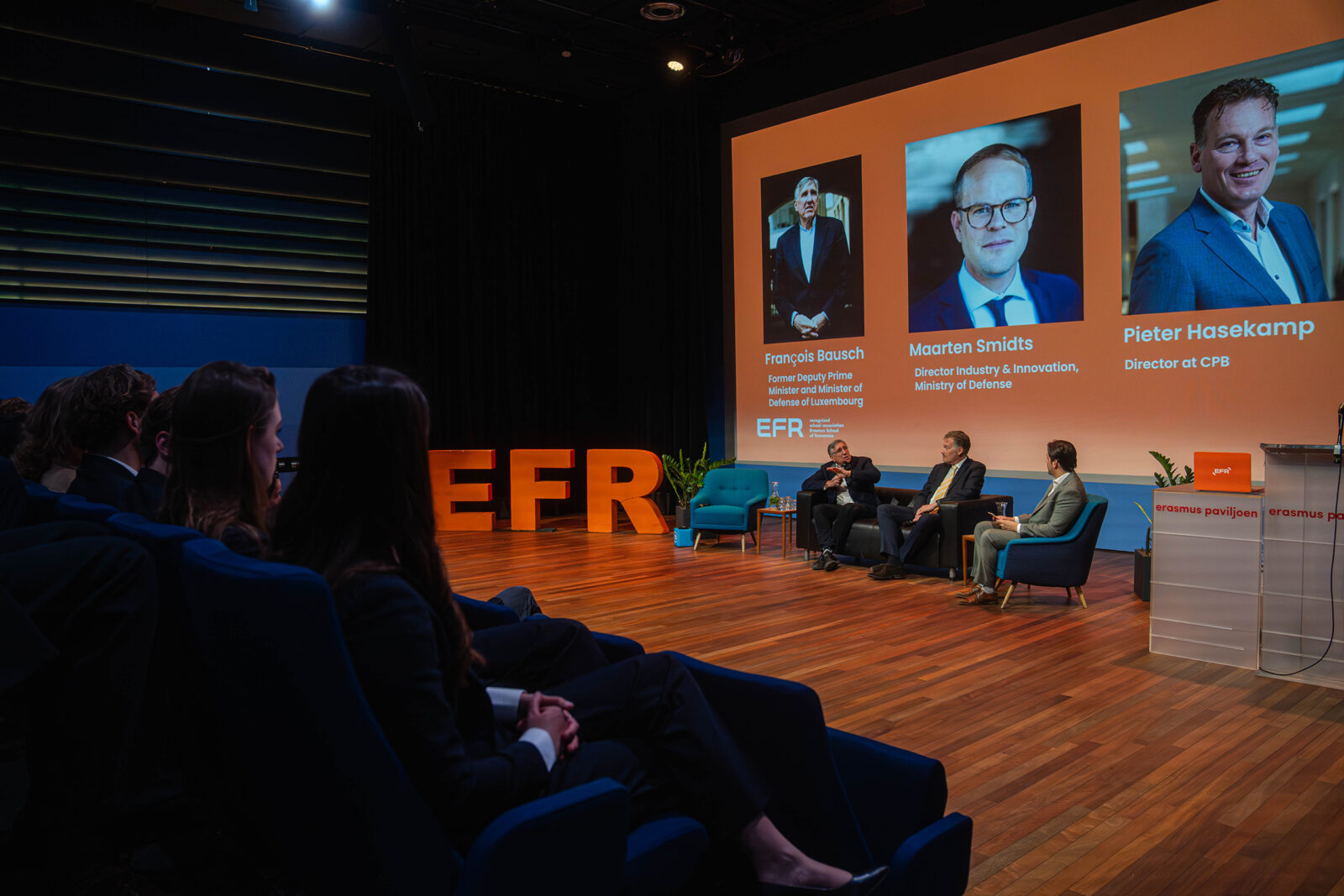
The theatre of the Erasmus Paviljoen was almost completely full.
Image by: Nhat Minh Bui
Elephant in the room
Besides defence Karis addressed Europe’s role in international cooperation. While he underlined the importance of NATO and the United States, he urged European countries to take more responsibility. “Europe must become stronger. Not as a replacement for the United States, but as a complement.”
Not all students were entirely convinced. IBEB student Tjeunkin Cheung missed depth in the speech: “It was interesting, but also fairly politically correct. He did not go deeply into the growing ideological differences within Europe. That felt like the elephant in the room.”
Private exchange
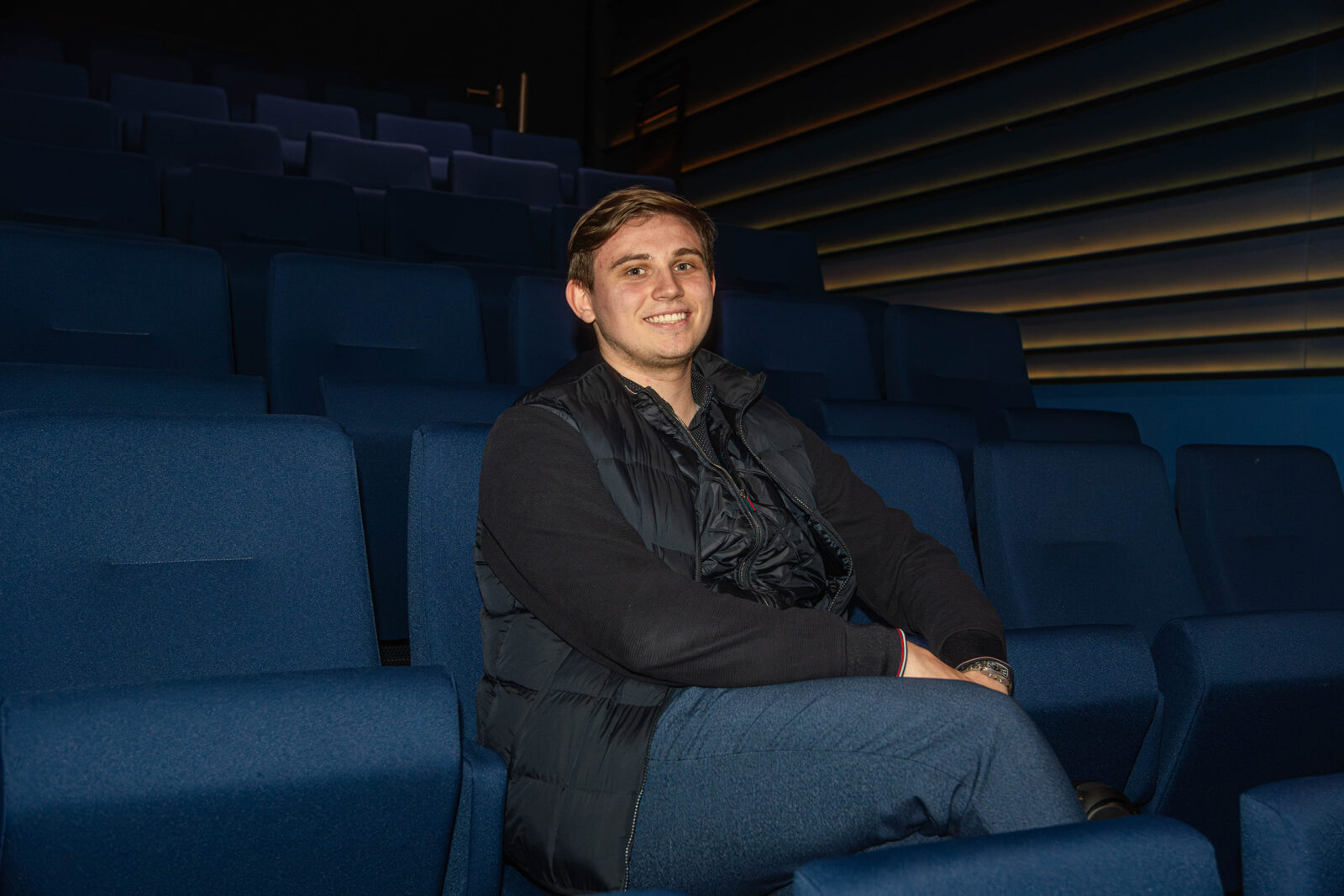
Karl Toomsoo had a private Estonian exchange with the president.
Image by: Nhat Minh Bui
During the question round IBEB student Karl Toomsoo, who himself is from Estonia, had the chance to ask the president of his home country a question. After a short private exchange in Estonian he asked about the impact of rising defence spending on citizens. Karis acknowledged that price increases are rarely popular, but stressed that investments in defence remain necessary. Toomsoo was not surprised: “It was a diplomatic answer, as you would expect from a president.”
He did, however, add a caveat regarding Karis’ view of the United States: “I do not know if I fully agree with how he spoke about the United States as an ally, especially in the current geopolitical context.”
Long process
It has been some time since the World Leader Cycle Award, an EFR prize for ‘world leaders with extraordinary accomplishments in the fields of politics, economics and society, was last awarded. Previous editions were in 2016 (Ban Ki-moon) and 2018 (François Hollande). According to EFR-president Juliëtte Beerenhout it is a challenge to present the award annually: “It is logistically very difficult to organise this every year. You have to contact embassies years in advance. That is why we are especially proud that we managed to do it this year.”
Een lijst met artikelen
-
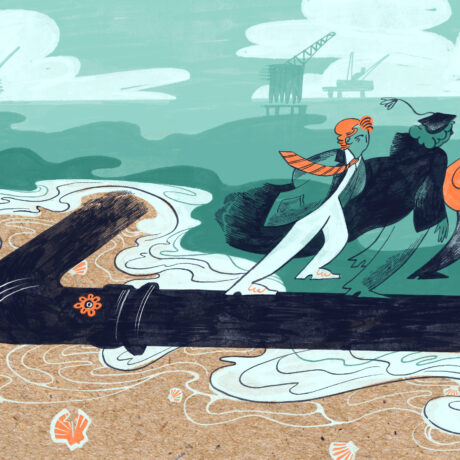
EFR has to cut ties with Shell and fears financial consequences
Gepubliceerd op:-
Student life
-
De redactie
-
 Sarah de Gruijter
Student editor
Comments
Comments are closed.
Ad
Read more in Politics
-
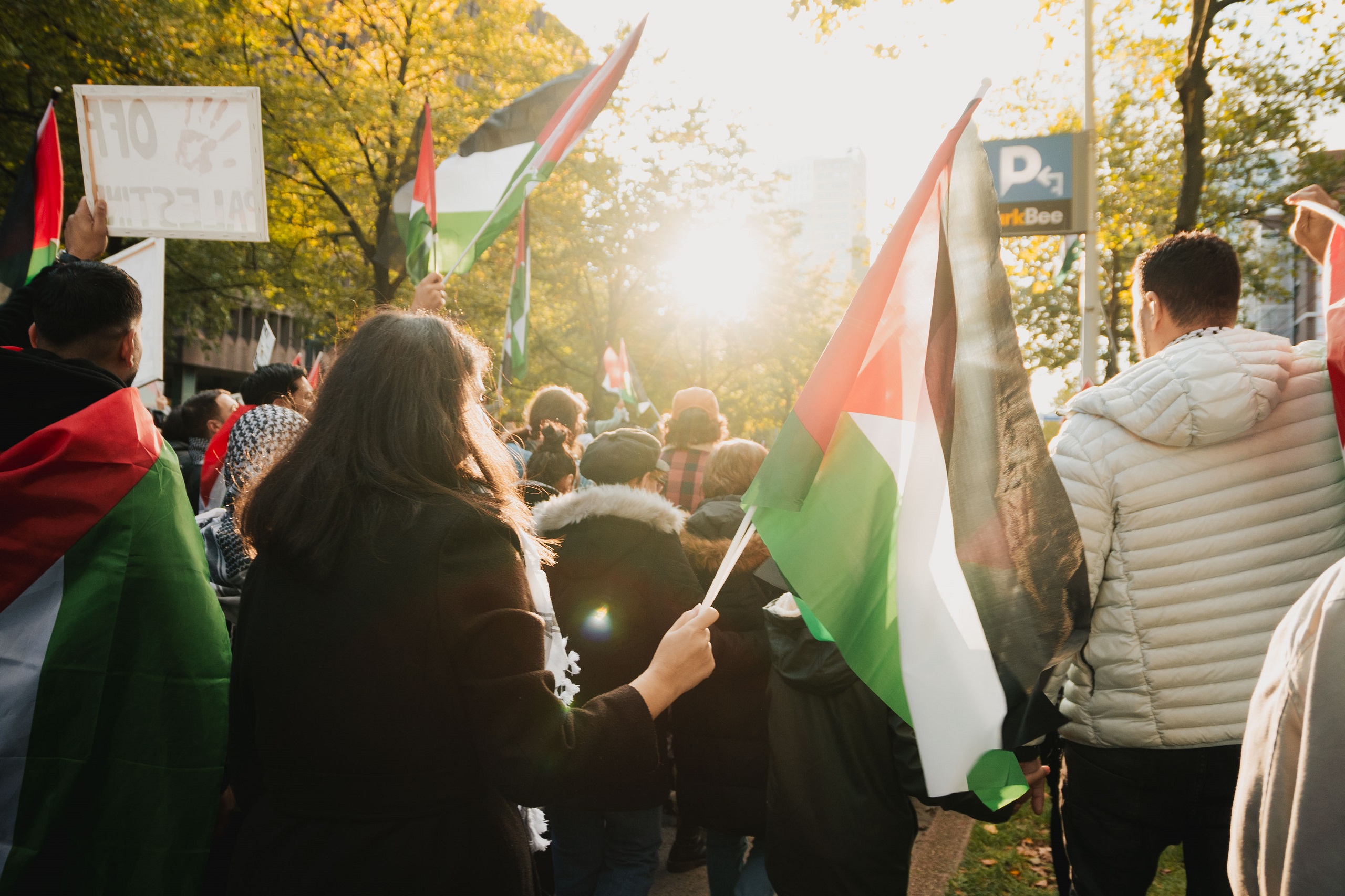
Translator: Suspended Palestinian student did not say ‘this is me’
Gepubliceerd op:-
Politics
-
-
Knowledge institutions warn against the Netherlands’ frugal approach in Europe
Gepubliceerd op:-
Internationalisation
-
Politics
-
-
Minister sees ‘major problem’ looming: will there be too few international students soon?
Gepubliceerd op:-
Internationalisation
-
Politics
-