Ad

Student on the ballot: Kim wants an accessible and understandable municipality
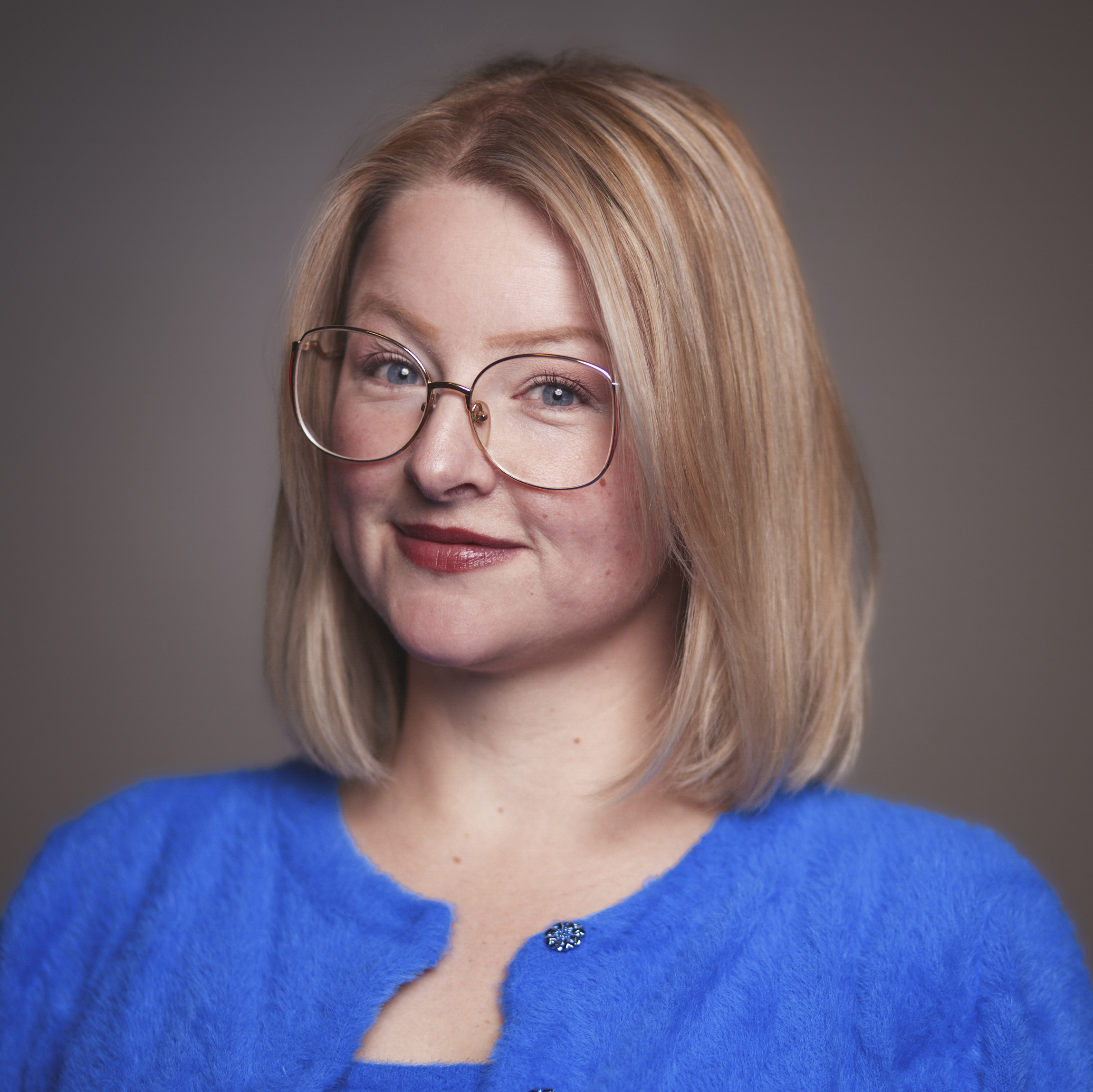
“Often it is too difficult to ask for help, even when you know exactly where to go”, says Kim Chieuw, candidate for D66 and neighbourhood council member for Katendrecht and Kop van Zuid. She is one of the students in Rotterdam running for the municipal elections.

Kim Chieuw (D66) is standing for election to the municipal council.
Image by: Pien Düthmann
What would you like to have achieved in the municipal council four years from now?
“The night metro. We want a vibrant city – the nightlife should be a full part of that. The night metro is not only important for people going out, but also for hospitality staff. Going out is more than just fun. It is an expression of who you are, it is important for a sense of group belonging. All of that contributes to a social life.”
In the run-up to the municipal elections, EM talks with students who are standing for election in Rotterdam. The 28-year-old Kim Chieuw is currently studying at the academic primary teacher training programme. She teaches through a temp agency and sits on the neighbourhood council of Katendrecht and Kop van Zuid. She is number 10 on the D66 list.
You are studying at the academic primary teacher training programme – how does that fit with this political step?
“As a child I was already fascinated by politics, by the debates you saw on television. I also believe that if you complain about things without wanting to do something about them, you are simply whining. Then you should take action.
“During my internships as a teacher I saw how big the differences in this city are, how well off some people are compared with others. And you see those differences reflected in children’s school results. A quarter of Rotterdam residents are functionally illiterate, Rotterdam is a city with a lot of poverty. These are not the people who go to museums with their children, or regularly go on holiday. And those kinds of things help children to learn – they learn from them, and knowledge builds on knowledge, that is what I learned during my studies. I also learned there about big-city problems. More and more I came to realise how inaccessible the municipality’s procedures and schemes are. I want to commit myself to an accessible and understandable city. In that way everyone can be included and given an opportunity.”
What do you take with you from your time on the neighbourhood council?
“That through good conversations with residents and the municipality you can really arrive at solutions, even if that sometimes seems impossible at the start. For example, I was involved with swimming in the Rijnhaven. That was extremely popular, but local residents also experienced nuisance. There is now more supervision, enforcement officers address disruptive young people directly, and more bicycle racks were added on the quay and more steps to get out of the water. Often it is those kinds of details that make the difference.”
'Everyone who comes to the city deserves a place. Students as well'
Looking at Rotterdam politics, what has made you angry recently?
“Have you seen the election posters of Leefbaar Rotterdam with ‘Rotterdammers first’? That is not how this city works. Everyone who comes to the city deserves a place. So students as well. By the way, I also disagree with the left that wants to focus entirely on social rental housing – we should not forget the middle segment. If you have graduated from university, you quickly earn too much for a social rental home. Plus, with enough opportunities to move on, more social rental homes become available.”
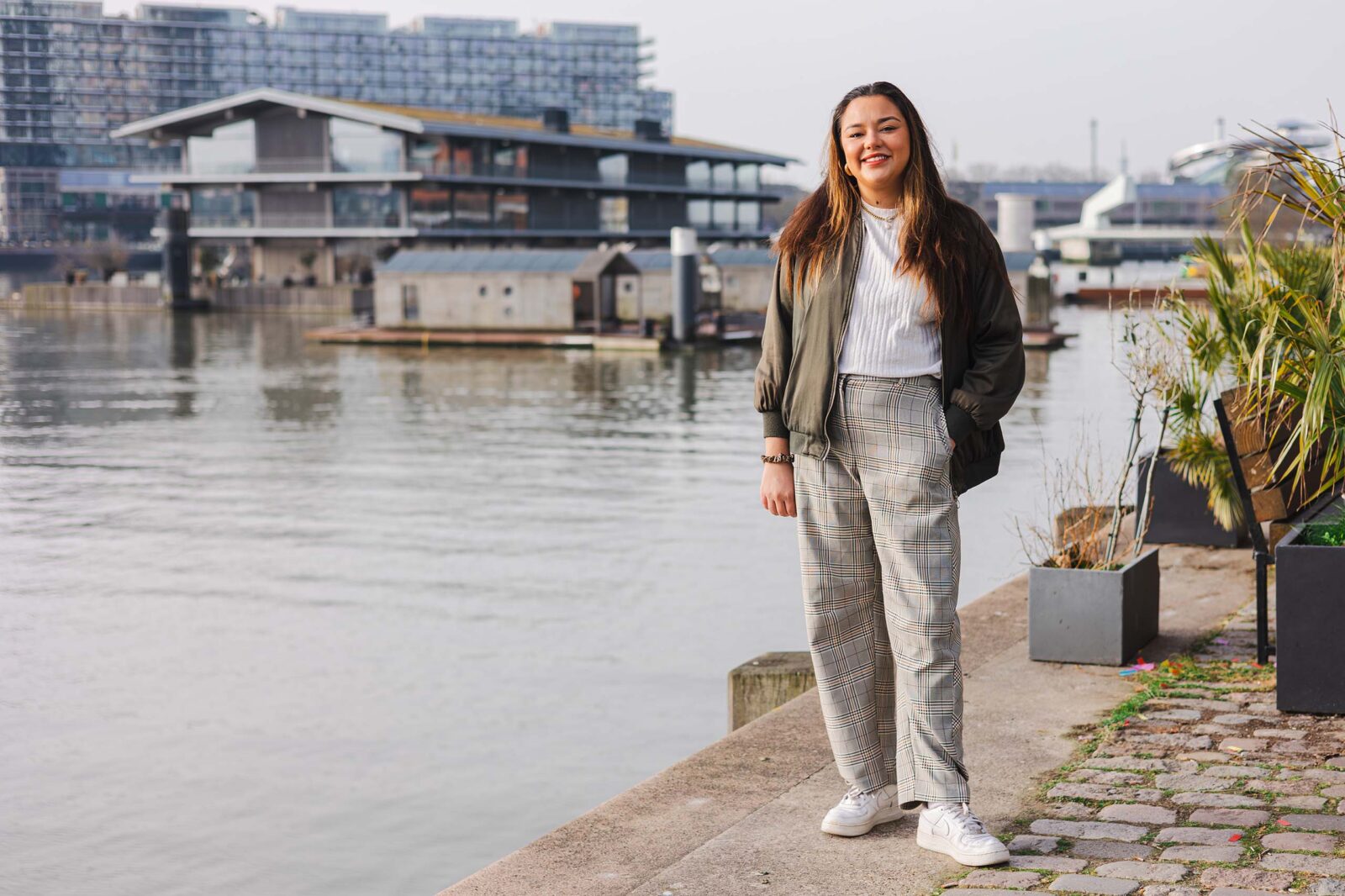
In the neighbourhood council, Kim worked on the issue of swimming in the Rijnhaven. “That was extremely popular, but local residents also experienced nuisance.”
Image by: Pien Düthmann
What is your dream for the future of Rotterdam?
“I know it cannot happen, but if I am allowed to dream: that no Rotterdam resident has any debt anymore. When I am handing out flyers now I see so many letterboxes stuffed with payment reminders. I think: if it is so overwhelmingly many, without proper help I would not dare open them either. Often it is too difficult to ask for help, even if you know exactly where to go.
“I know that from personal experience. I was in a violent relationship. I was not dependent on him, did not live with him, did not have a child with him, and still I did not dare leave. Only when a lecturer from the university approached me because I was absent more often and submitted fewer assignments did I build up the trust to share this. She then helped me. That is why I know how important it is to actively offer help.”
De redactie
-
 Tessa Hofland
Editor
Comments
Comments are closed.
Ad
Read more in Politics
-
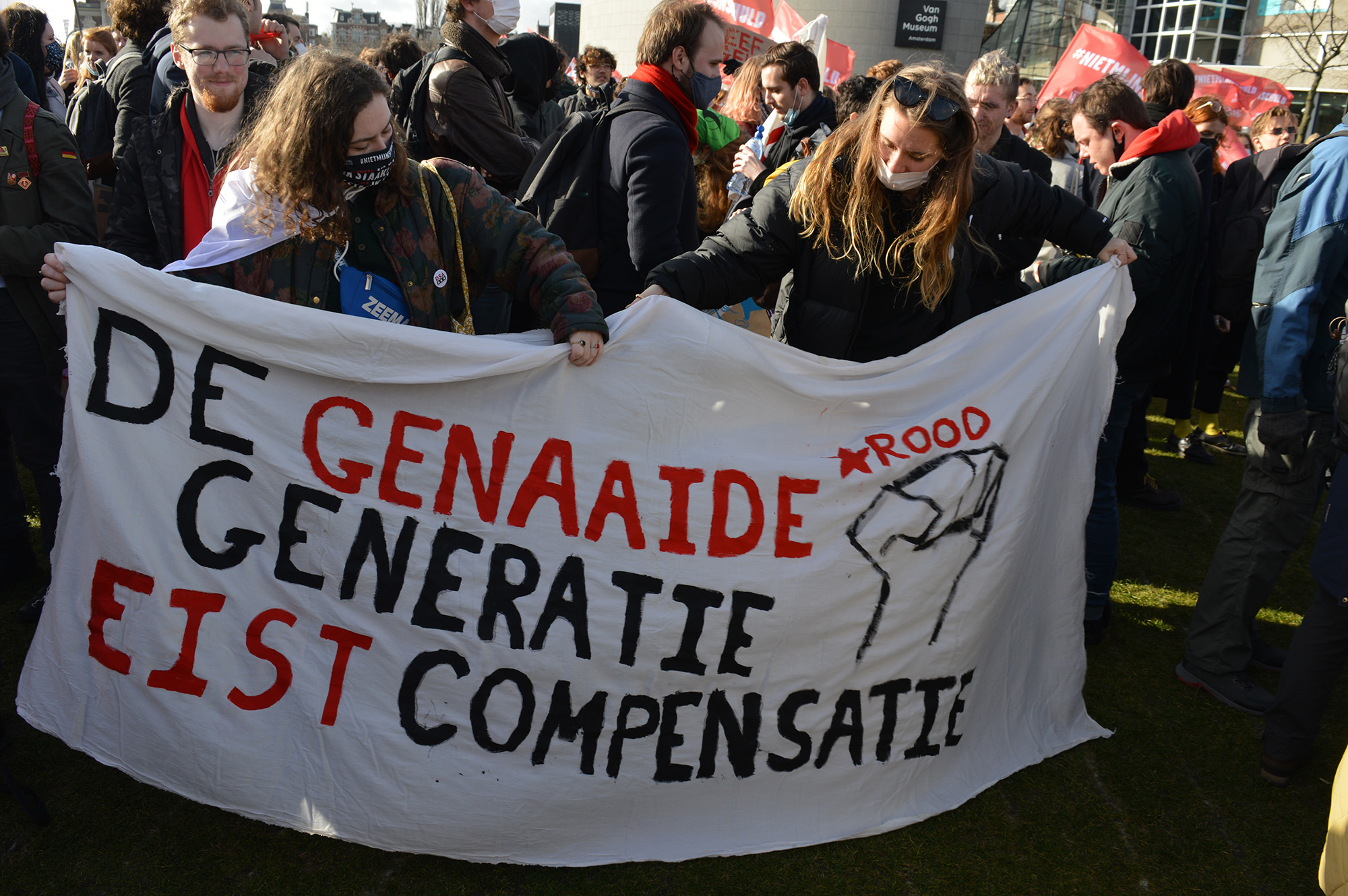
After a second compensation payment, that must be it for students who missed out
Gepubliceerd op:-
Money
-
Politics
-
-
Far-right extremists use campuses to normalise their ideas
Gepubliceerd op:-
Politics
-
-
Prime minister Jetten sees potential for AI to improve education
Gepubliceerd op:-
Artificial Intelligence
-
Politics
-