Letschert gives nothing away in first parliamentary debate
How do you get people back into the classroom once they have started working? The minister had no answers in her first parliamentary debate on ‘lifelong learning’. She did, however, make jokes.
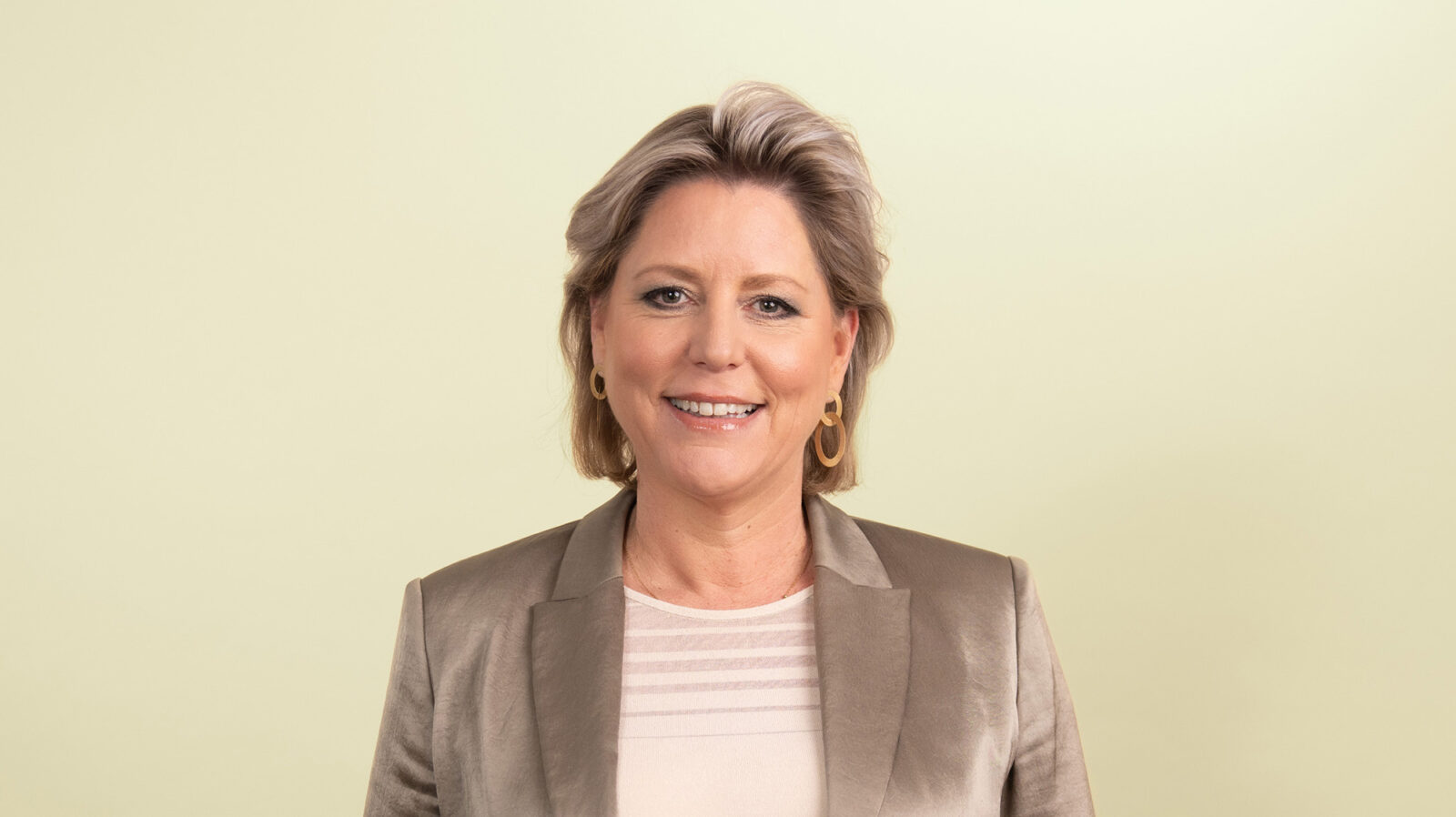
Image by: D66
Rianne Letschert shared ‘a secret’ with the House of Representatives on Wednesday: last Monday she had attended debate training. Someone had ‘grilled’ her for a while. Then she thought: “Okay, do I even want this anymore?”
Apparently the answer is yes, because a few days later the new minister of education was in the House of Representatives for her first debate. It was about lifelong learning (LLO), but so soon after taking office she could say little about it.
100 million
The Jetten cabinet is making 100 million euros available for it, but where will that money go? Universities of applied sciences have been lobbying for years to make LLO one of their statutory tasks. But last Wednesday parliamentary groups urged minister Letschert to make sure to involve vocational education (mbo) as well. After all, highly educated people can find their way back into education.
“Does that 100 million go only to universities of applied sciences and research universities or will it be used for the group that needs it most, people without work or with only practical training?”, summarised the PVV.
Letschert did not commit to anything yet, but she understood the concern. She responded with a summary of a report from the end of last year on LLO, which the ministry commissioned. It serves as the basis for her policy, she said. The report states that lifelong learning should become a government task, carried out by public and private educational institutions and focused on shortage sectors in the labour market.
It also says that the government currently mainly reaches those with theoretical training. Those with practical qualifications find it much harder to return to the classroom. The language level of programmes or courses is often too high. It is too expensive. And the government has largely left it to companies, which mainly target the easy-to-reach groups.
Mini diploma
Education should, together with companies, provide ‘tailor-made’ solutions. Courses should also be able to be broken up into pieces, Letschert summarised the report. A piece of a programme would then lead to a ‘microcredential’, a mini diploma.
But who issues that diploma and who supervises the quality of the education? That is still completely unclear. Before the summer Letschert wants to send a fully worked-out plan to the House of Representatives.
Perhaps, she considered, she should also get such a mini diploma for the debate training she had taken. As proof for a future employer. If the government ensures that such certificates are registered somewhere, you can easily present your educational history to an employer when applying.
“If someone asks me for my diploma I always have to go looking again”, said Letschert. A member of parliament immediately thought of Nathalie van Berkel, the intended state secretary who had polished up her CV with degrees she had not obtained. “That is another problem”, said Letschert. And besides: “I have found my diplomas.”
Een lijst met artikelen
-
Letschert will become minister of Education
Gepubliceerd op:-
Politics
-
De redactie
Comments
Read more in Education
-

EUR master’s in International Management among sixteen ‘excellent’ masters in the Netherlands
Gepubliceerd op:-
Education
-
-
Faculty honours programmes mostly continue, but have to adapt to budget cuts
Gepubliceerd op:-
Education
-
-
Universities recognise each other’s training for lecturers
Gepubliceerd op:-
Education
-
Leave a comment