Ad

Iranian students follow protests closely: ‘It feels like my family is dying again every single day’
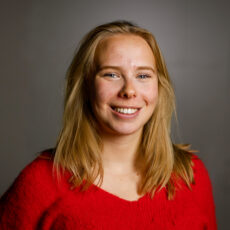
Darya and Navid follow the news from Iran day and night, while their family there lives in uncertainty. From the Netherlands they feel powerless, but staying silent is not an option. “If I were there, I would be the one taking to the streets and I would probably be killed.”
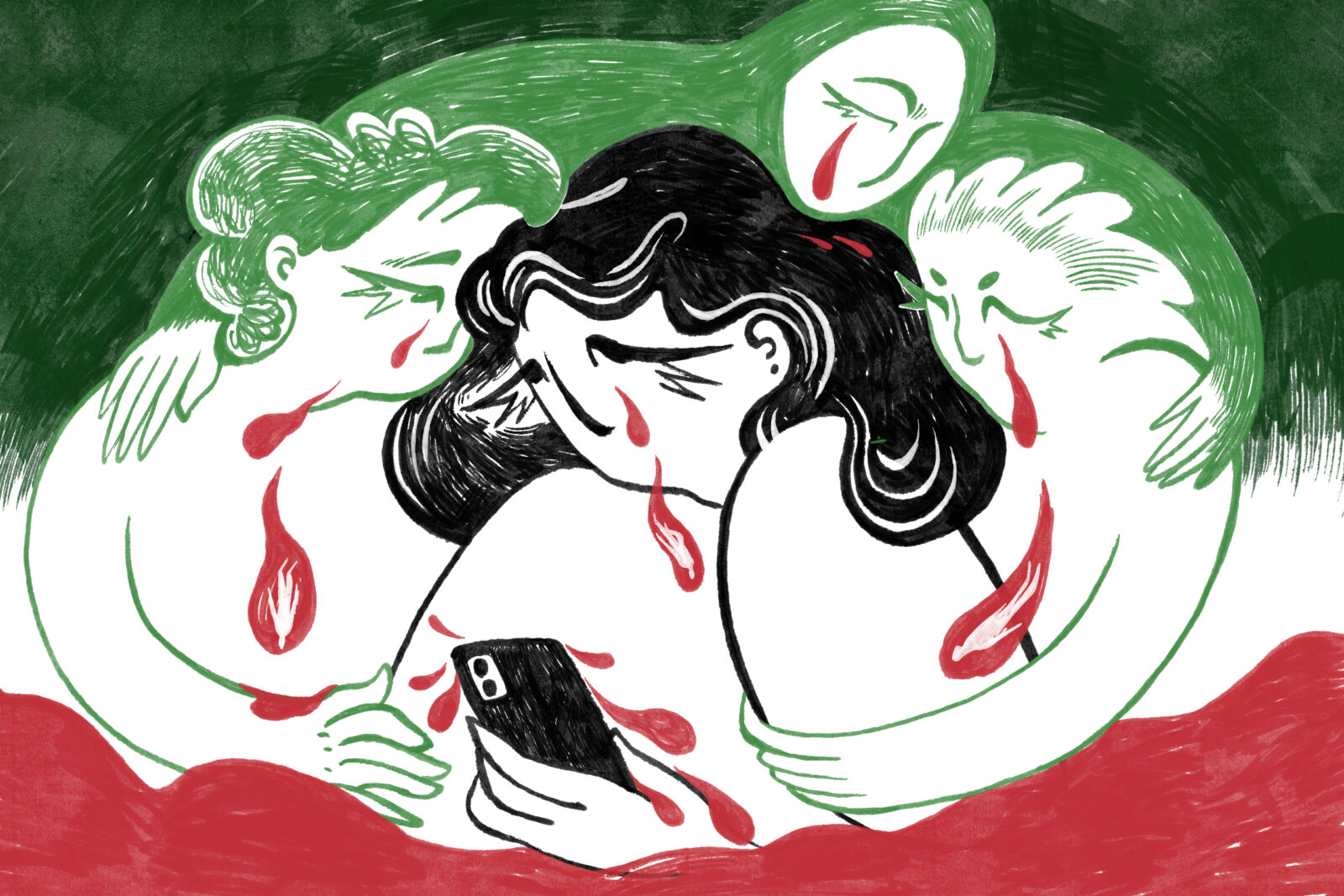
Image by: Ami Rinn
Darya Nikpayam and Navid were not born in Iran, but almost all their family still lives there. They grew up in the Netherlands and study medicine at Erasmus University. Yet they feel strongly connected to their parents’ country. “All the innocent people who are being killed there now deeply affect me”, says Darya. “It feels like my family is being killed every single day again.”
At his request, Navid’s name has been changed for safety reasons, as open criticism of the regime can have serious consequences. His real name is known to the editors. Darya wanted to appear in the article under her own name.
In early January, the protests against the Iranian regime reached a new peak. In dozens of cities, people took to the streets in large numbers. On those days, the highest number of deaths occurred since the start of the protests at the end of December. For Darya, those days were almost unbearable. “On Instagram, you see videos of people who have been killed. Young and old, in the most horrific ways. I have cried a lot.”
Guilt
Darya says she knows people who have been shot. She knows little about her own family. “Because of the poor internet connection, sometimes you hear nothing for days and don’t know how everyone is doing.” She regularly wonders what she would have done if she had been in Iran now. “If I were there now, I would be the one taking to the streets. And I would probably have been killed.”
'If I were there now, I would be the one taking to the streets. And I would probably have been killed'
Navid recognises that feeling and sometimes struggles with guilt about his life in the Netherlands. “We are free here, while there they have to give their lives to gain that freedom. If, for example, I have a birthday, I sometimes feel that I’m not allowed to be happy.” Besides the guilt, he also feels powerless. “There isn’t much you can do here, apart from speaking out on social media, signing petitions and going to demonstrations.”
Iran has been an Islamic Republic since 1979, in which religious leaders hold power. Criticism of the regime is punished severely. Political opponents, journalists and activists can be arrested, abused or sentenced. The recent protests arose from dissatisfaction with economic problems, social inequality and the lack of freedom.
No internet
To suppress the protests, the government completely shut down the internet and phone traffic in early January. “That’s the moment when you know terrible things are about to happen”, says Darya. “The regime doesn’t want the world to see what is happening.” For weeks they were unable to contact their family. They can now sometimes get in touch through indirect means. “But it’s very brief and far from ideal”, says Navid. “A lot is being monitored and it’s risky.”
'The regime doesn’t want the world to see what is happening'
Due to censorship, it is difficult to obtain reliable news from Iran. Domestic media are under government control. That is why Darya and Navid mainly follow foreign news channels. “There are three major channels we get our information from”, says Navid. “The largest is Iran International.”
According to Darya, Dutch media are doing their best, but they depend on limited information. “Iran is doing everything it can to push propaganda. As a result, the real situation is often underestimated.”
Difficulty concentrating
The situation in Iran is also taking its toll in the Netherlands. During her master’s research, Darya could barely concentrate. “Sometimes I couldn’t concentrate for days. I would often start crying out of nowhere and was very unproductive.” She tried to avoid the news, but rarely succeeded. “Often I just couldn’t resist looking.”
Darya and Navid receive a lot of support from friends and family. Contact with other Iranian students in particular helps. “They feel the same pain you do, and that makes you feel truly understood”, says Darya. But support from non-Iranian students is also important. “Especially when they express their support, for example via Instagram, I really feel heard.” Navid adds: “What also helps is turning the pain into action, for example by going to demonstrations and speaking out.”
Een lijst met artikelen
-
Not being able to contact your family and living in constant fear: this is the reality of Iranians
Gepubliceerd op:-
Politics
-
Fear and hope
Yet that doesn’t come without risk. “You know you’re being watched”, says Navid. “Sometimes I doubt whether I should post my opinion online.” Often he does it anyway. “I feel it’s my responsibility to make their voices heard here.” Darya feels the same. “My fear cannot compare to what they are going through. The sadness and anger are too great to stay silent.”
Not everyone supports their resistance. Sometimes they meet people who defend the regime. “I find that disappointing”, says Navid. “Often those people are not well informed, and a conversation with us could help them understand the situation better.” Darya is clear: “It’s not complicated. People are being arrested, killed and sentenced to death because they are fighting for freedom. It is not difficult to choose which side you are on.”
Darya and Navid see a future for Iran only without the current government. “The country is devastated, the divide with the government is unsustainable. For the first time, Iranians are united: no one wants an Islamic Republic any more, but total change”, says Navid. They believe that change is closer than ever. “The regime won’t step aside easily, but I try to hold on to hope, because hope is precious”, Darya adds.
The university has arranged various forms of support for students and staff, including information, conversations and practical and psychological assistance.
On 20 January, a support meeting was organised for students and staff from Iran. During the drop-in session, study advisers and psychologists were present, and rector magnificus Jantine Schuit also paid a visit. An informal support group emerged from the session, meaning the Living Room at EUR will remain available for Iranian students to meet and stay in contact. In addition, support is available via the digital platform OpenUp, and there is an emergency fund that students can apply to.
Een lijst met artikelen
-
Wish tree on campus to support students in Iran
Gepubliceerd op:-
Campus
-
De redactie
-
 Sarah de Gruijter
Student editor
Comments
Comments are closed.
Ad
Read more in Student life
-
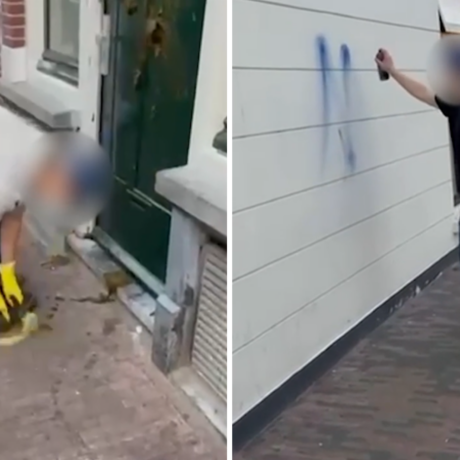
RSC/RVSV accused of poo stunt targeting student houses in Utrecht
Gepubliceerd op:-
Student life
-
-
Carolina could wake up ten minutes before her lectures
Gepubliceerd op:-
Housing
-
-
No joint introduction week for vocational, applied sciences and university students for now
Gepubliceerd op:-
Eurekaweek
-