Ad

The discussion on study migration is back in the fridge
Under the new cabinet, foreign-language education programmes may remain in place. That will sound like music to the ears of university administrators, writes Chris Aalberts, but he wonders what is left of the debate on excessive internationalisation.
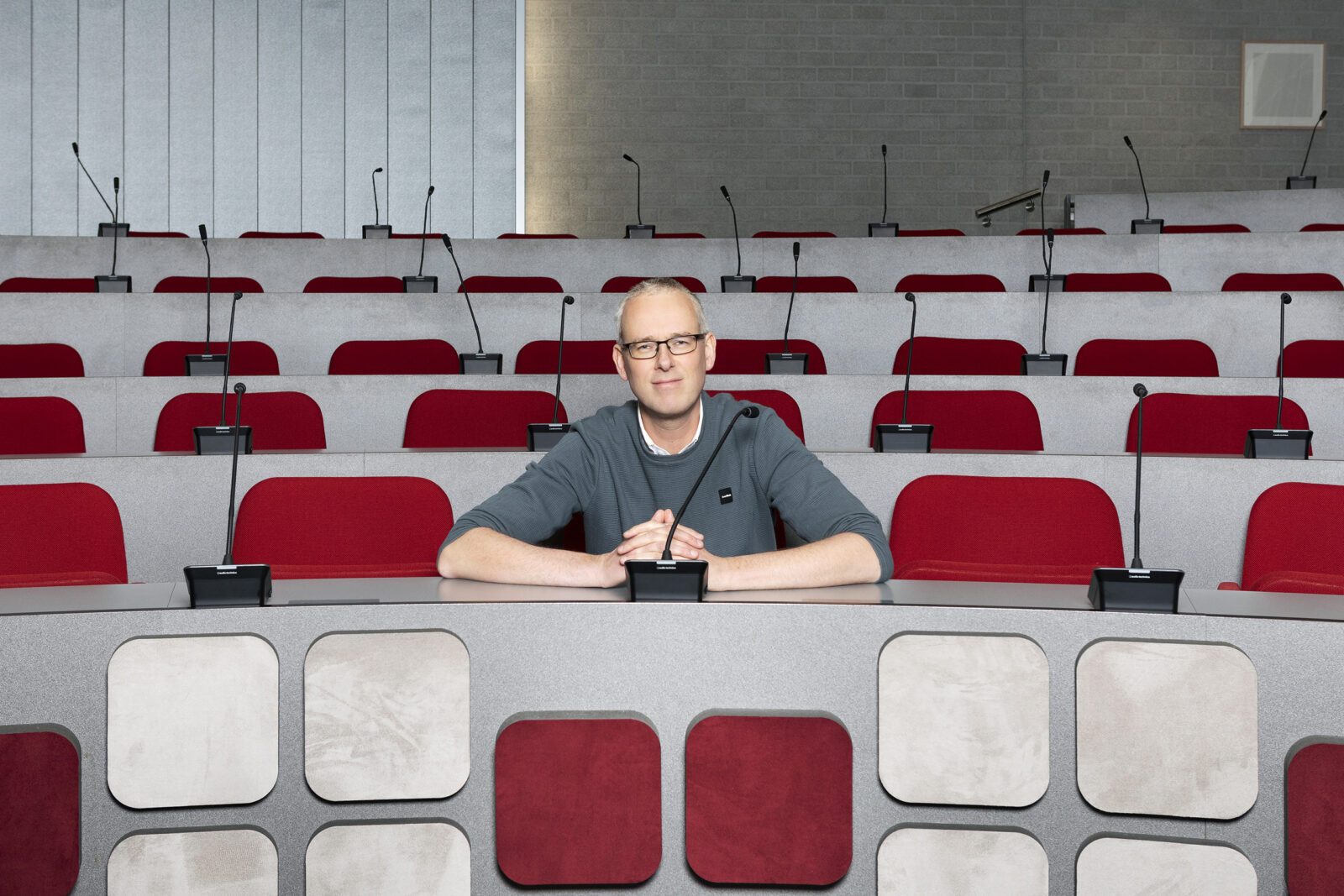
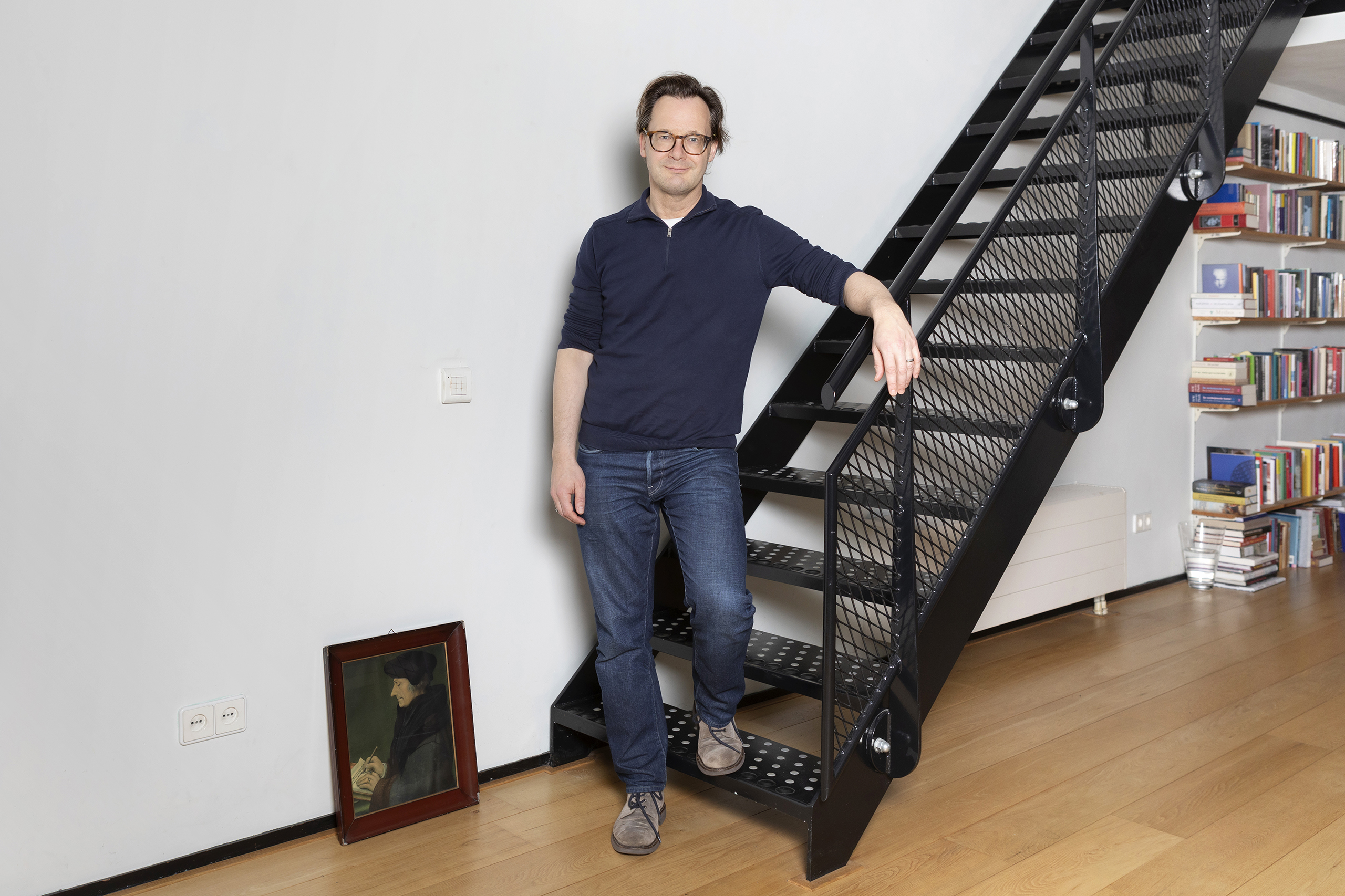
Image by: Geisje van der Linden
We have almost forgotten him already: Pieter Omtzigt has left political The Hague and his party New Social Contract has disappeared from the House of Representatives again after just two years. Sometimes you long for those good old days. Do we remember? In all kinds of studies, Dutch citizens say in large numbers that they are concerned about the enormous numbers of migrants. That debate has an unpleasant aftertaste: it often focuses only on the most vulnerable. Refugees, indeed.
Omtzigt broadened that debate. There are in fact three types of migrants: asylum seekers, labour migrants and student migrants. The discussion about each of these groups is different: asylum is about international obligations and human trafficking, labour migrants about competitiveness, tax advantages and work that Dutch people do not want to do, and study about universities’ urge to grow and attract as many international students as possible.
Now Omtzigt has left The Hague, and the nuanced debate on migration has gone with him. The new minister of Education – Rianne Letschert – comes from Maastricht University, an institution that has grown to as many as 23,000 students in 2024, 61 per cent of whom are from abroad. Whenever ideas were floated to curb the flow of international students, this university was always at the forefront in saying that this really could not be done: deadly for the institution itself, the regional economy and Maastricht as an international, cosmopolitan city.
Together with D66, VVD and CDA, Letschert wrote a coalition agreement that fully follows the Maastricht line. The much-hated ‘test for foreign-language education’ in higher education, which was mainly intended to limit all kinds of completely unnecessary English-taught programmes, has been scrapped. Foreign-language provision will be maintained after all, we read. There will be administrative agreements with institutions on numbers, and possibly an intake restriction for international students.
'Not a word about the importance of Dutch as a scientific language, the ever-growing gap between science and the society that pays for it, and the possibly higher threshold for Dutch students to go to university'
The Internationalisation in Balance Act will still be introduced, but without that cursed language test. This will sound like music to the ears of university administrators, but one wonders what is left of the old discussion on excessive internationalisation. Not a word about the importance of Dutch as a scientific language, the ever-growing gap between science and the society that pays for it, and the possibly higher threshold for Dutch students to go to university.
Which values should be leading in higher education? According to the coalition agreement, the Internationalisation in Balance Act will indeed come, but nowhere does it say what that balance should be or what it should be based on. The number of Dutch-taught programmes? Waiting times for student housing? The number of Dutch-language scientific publications? Career opportunities for researchers who obtained their PhD in the Netherlands? Should distinctions perhaps be made between disciplines? Nobody knows.
Mark my words: soon only the biggest excesses will be tackled at programmes that are buckling under international intake. There are, of course, not that many of those. Otherwise, everything will simply remain as it was, and migration will once again be only about asylum seekers, just like before. The interests of D66 and Geert Wilders may yet run parallel after all.
Read more
-

If the rector can spout AI nonsense, then so can everyone else
Gepubliceerd op:-
Column
-
De redactie
-
 Chris Aalberts
Columnist
Comments
Comments are closed.
Ad
Read more in Column
-
The sad anniversary of powerless staff and students
Gepubliceerd op:-
Column
-
-

Tea, theory and a healthy dose of procrastination
Gepubliceerd op:-
Column
-
-
The drama of Jason Arday
Gepubliceerd op:-
Column
-