Ad

Philosophers are annoying
In times of uncertainty, the need for philosophy grows, Ronald van Raak observed while writing a book about ten centuries of contrarian thinking.
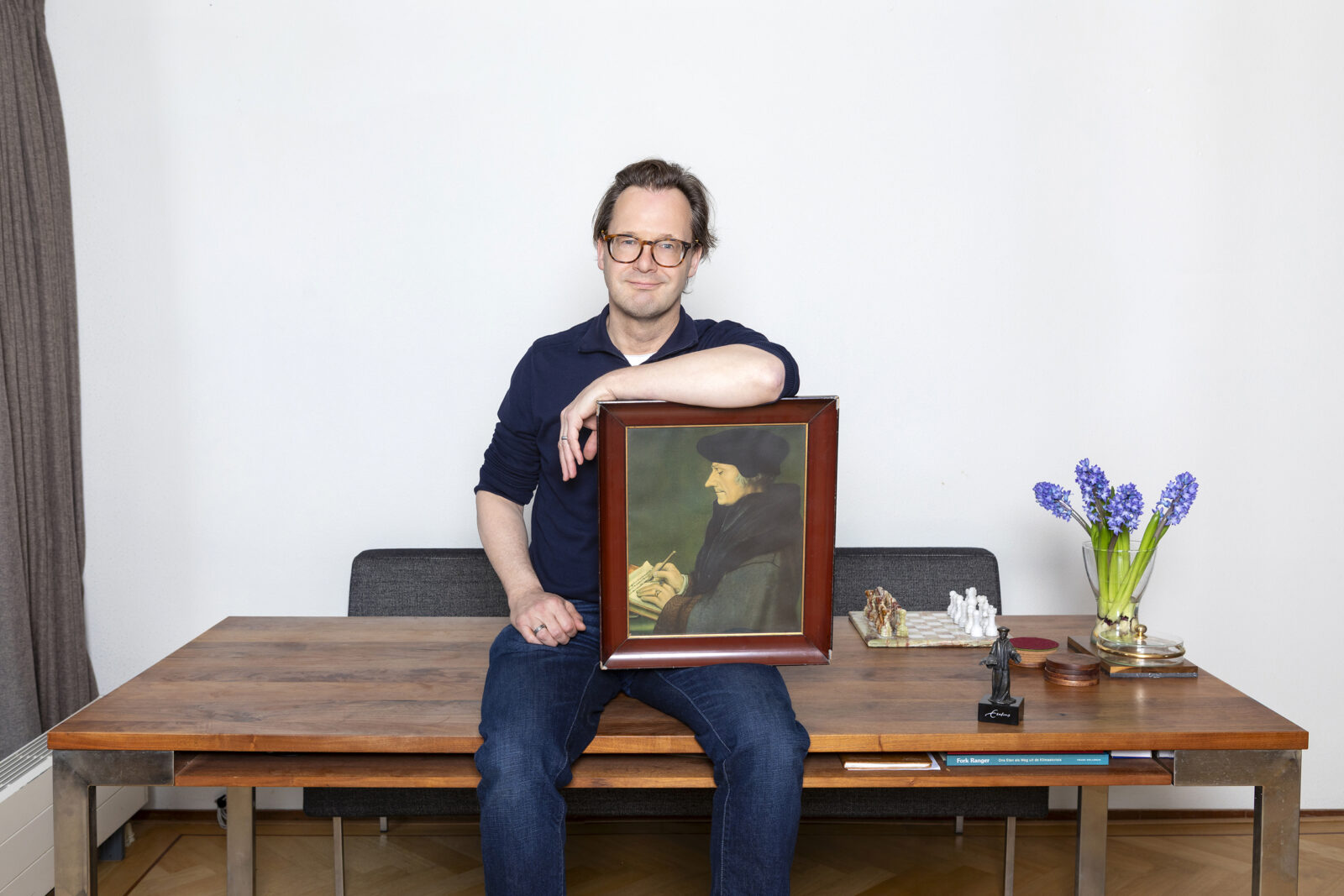
Image by: Geisje van der Linden
There is no point asking people to behave properly if they do not first receive good nutrition and the right upbringing. That was the view of the Brabant philosopher Jacob Moleschott in the nineteenth century. Because of the radical nature of these ideas, he was forced to flee our country, but elsewhere he would become famous. At the university in Rome, a bust of him still stands.
Moleschott reflected on the material conditions of thinking: which nutrients people need, or how we should live and work. If those conditions are equal, then people can also develop in an equal way, he believed. An extreme idea at the time, when the differences between people and elite, or between men and women, were still large.
The same ideas for which Moleschott had to flee the Netherlands in the nineteenth century were embraced in our country in the twentieth century and also formed a basis for the social welfare state. This is how it went all too often in the past: philosophers who were vilified because of the radical nature of their ideas, which would later be adopted by almost everyone. What was once strange later became normal – and of course also the other way around. Last year, I saw that pattern again and again while writing Geen land van grote woorden, about ten centuries of philosophy in our country. The book is an introduction for the lectures and courses I teach at Erasmus School of Philosophy (you are very welcome).
'For centuries these philosophers were hated and feared in our country, but now they seem more popular here than ever'
We live in times of polarisation, but that is nothing compared with the age of Erasmus, a period of religious wars. Erasmus wanted to teach people to live together peacefully, but his Lof der Zotheid (1511) was banned. In our time, freedoms are under threat, but that struggle was even fiercer in the time of Spinoza, who was himself banished from Amsterdam. He argued for tolerance, but his Ethica (1677) was immediately banned. For centuries these philosophers were hated and feared in our country, but now they seem more popular here than ever. Siger of Brabant fought for the freedom to philosophise, but was killed in 1281 while visiting the pope. Leo Polak taught his contemporaries tolerance, but was murdered in a Nazi concentration camp in 1941. Through all the centuries, Dutch philosophers have challenged authorities and fought ideologies – despite the personal dangers.
It is interesting to see what could and could not be said and thought here. The development of philosophy is therefore also a mirror: the hope and confidence expressed in the ideas we liked to hear, and the fear and uncertainty revealed in the thoughts we preferred to push aside.
Philosophers are annoying. They have always asked the questions you did not really feel like answering; time and again they raised subjects you would rather leave unnamed. There have always been people who pushed the boundaries with their thinking – and went beyond them. In times of uncertainty, the need for philosophy grew. Research into ten centuries of contrarian thinking also gives me confidence for the future: the certainty that among today’s students, thinkers will once again emerge who challenge us and help us move forward.
Read more
-
The gloomy Christmas of Erasmus
Gepubliceerd op:-
Column
-
De redactie
-
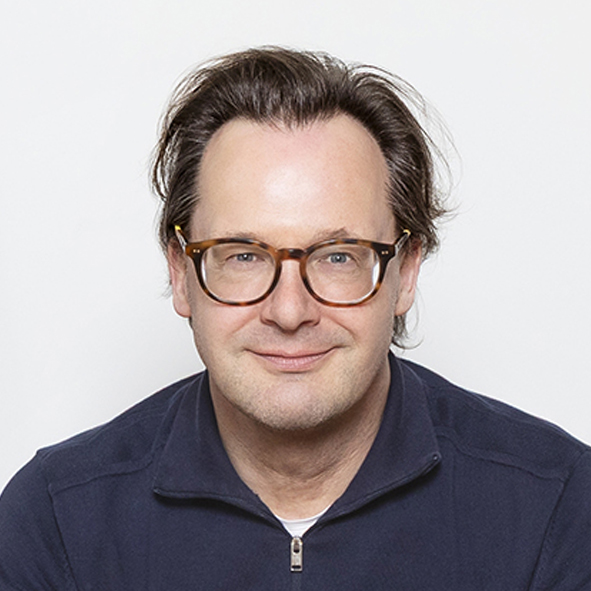 Ronald van Raak
Columnist
Comments
Comments are closed.
Ad
Read more in Column
-
The sad anniversary of powerless staff and students
Gepubliceerd op:-
Column
-
-

Tea, theory and a healthy dose of procrastination
Gepubliceerd op:-
Column
-
-
The drama of Jason Arday
Gepubliceerd op:-
Column
-