The only constant episode 4: Pinar Coşkun has been teaching students to cook healthy and sustainable food for ten years
Pinar Coşkun is the driving force behind the Erasmus Food Lab. In the cooking studio on the ground floor of Mandville, students and staff can take part in vegan cooking workshops and learn about the impact of plant-based food on animals and the environment. This year, Erasmus Food Lab celebrates its tenth anniversary.
U kunt deze ingesloten inhoud bekijken nadat u akkoord bent gegaan met cookies van YouTube.
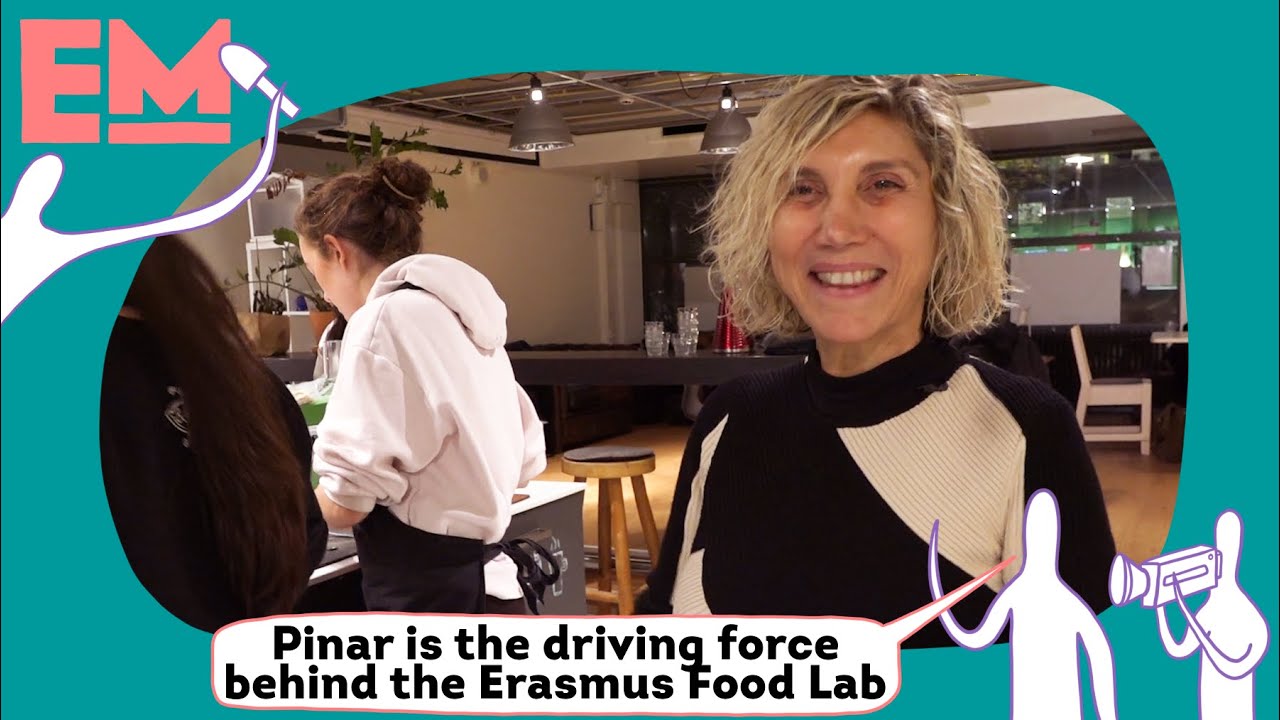
In The only constant, EM follows the people who keep Rotterdam student life running. They are the only constant in the ever-changing student world.
“Anyone who is done can start warming up the tortillas”, shouts Pinar Coskun, the founder of Erasmus Food Lab, across the busy cooking studio. “Then you can start rolling the wraps afterwards.”
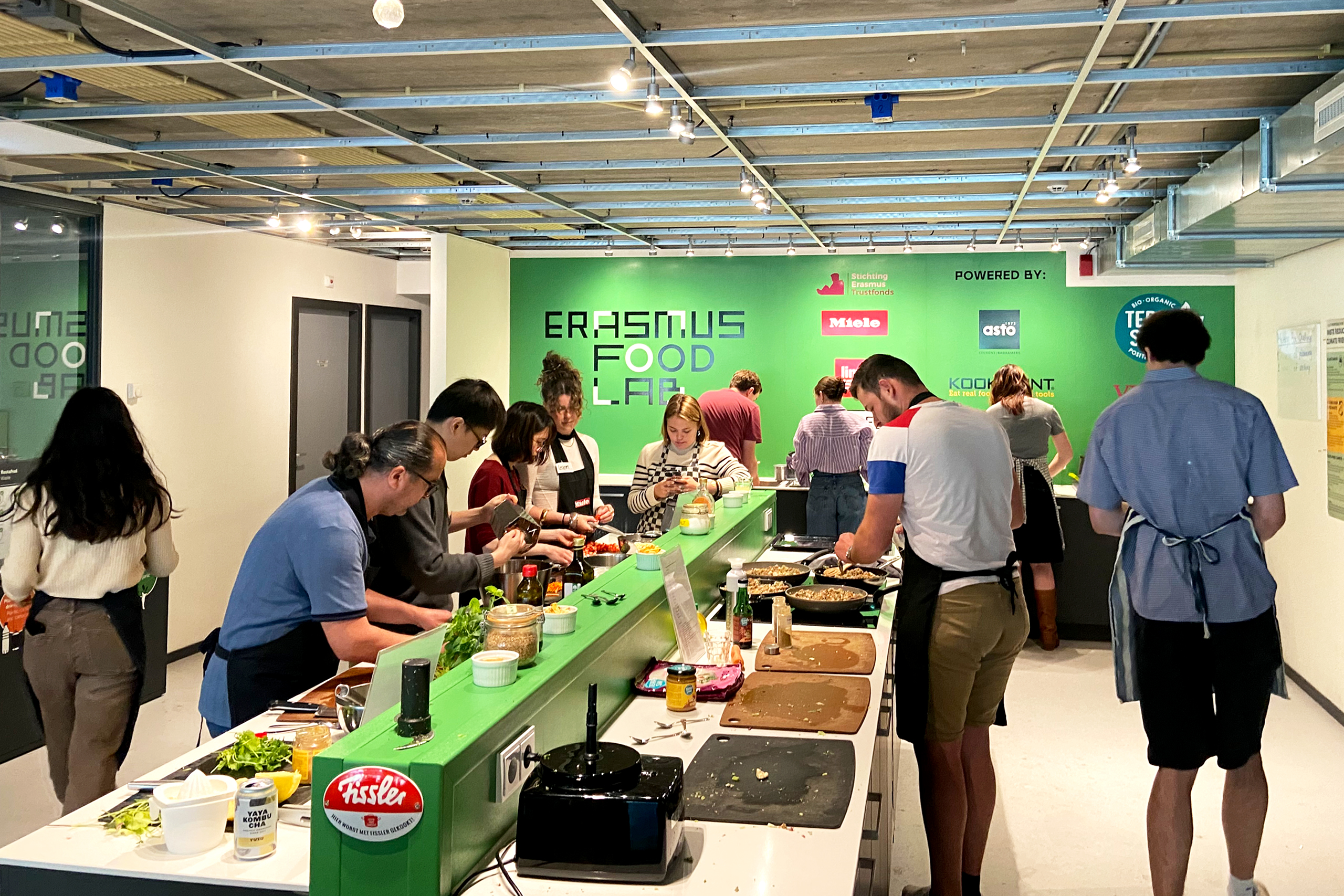
Some fifteen students are standing in the noisy kitchen. “How does this thing work?”, says a Dutch student to her friend. They are bent over a blender in which they want to purée roasted tomatoes and peppers into soup. Four small cooking stations have been set up in the kitchen. At each one, a group of students is preparing part of the plant-based meal. On today’s menu: Mexican tortillas, tomato soup and flans for dessert.
The cooking workshop for students takes place every Wednesday. It’s one of the activities organised by Erasmus Food Lab. The lab is part of the Erasmus Sustainability Hub, which aims to make academic Rotterdam a little greener and more sustainable. In the cooking studio, students and staff are introduced to the world of plant-based food. In addition, Pinar helps students with all kinds of ideas or projects related to sustainable food. This year, Erasmus Food Lab celebrates its tenth anniversary.
Working among students
“It’s the greatest gift I’ve ever been given”, says Pinar amid the bustle of the cooking workshop. “Working with students keeps me young. It helps me stay aware of what is going on. This way I do not grow bitter.” During the workshop, Pinar jumps in wherever she can, dashing back and forth, giving tips, tasting the dishes and explaining how blenders work.
Read more
-
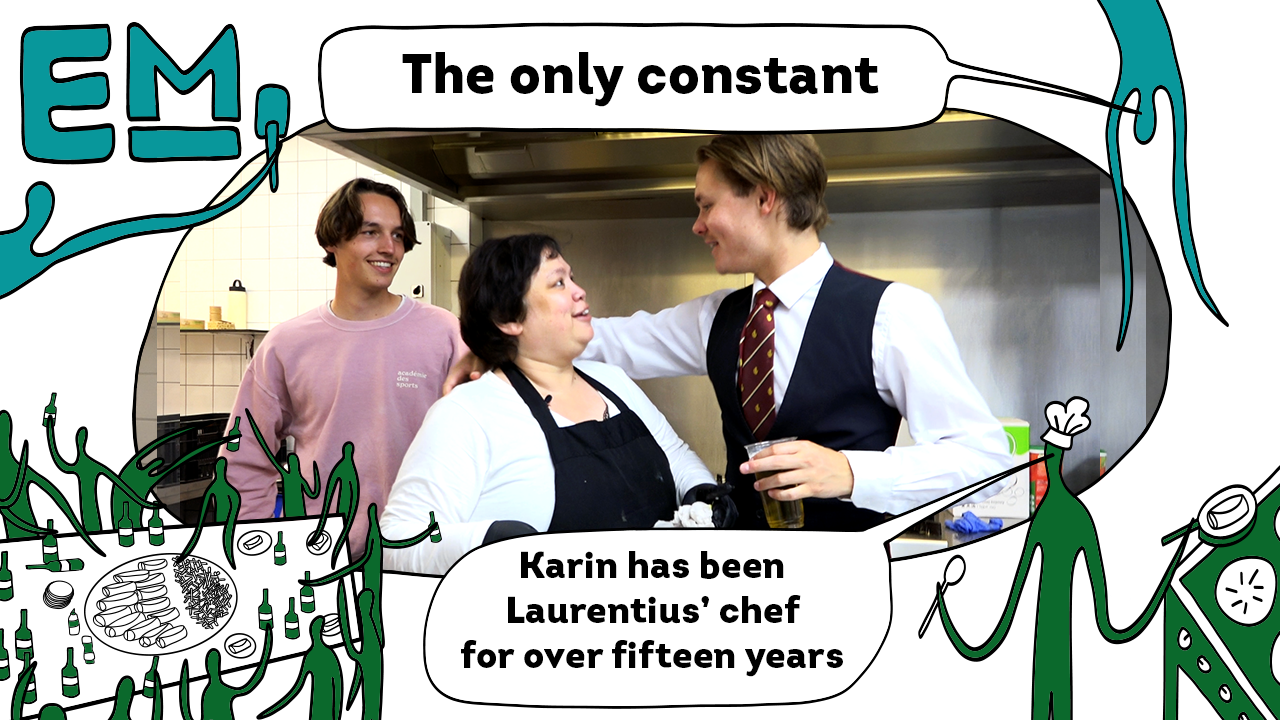
The only constant episode 3: Karin has been the chef of Laurentius for fifteen years
Gepubliceerd op:Article type: Video-
EM TV
-
One of the students who works closely with Pinar is the French Carla Ranson, a third-year Sociology student. “Pinar is like a mentor to me”, she says. “She has really helped me over the past year.” Carla made a documentary about the planetary health diet. “I really wanted to do something for the university. And I think it’s incredibly important that students have access to plant-based, sustainable and affordable food.”
So she stepped into the Food Lab and met Pinar. “She was so welcoming and open immediately. She made time for me, even though I walked in without an appointment.” Carla says enthusiastic: “She listened to all my concerns and wishes. I really felt heard.” Together they came up with the idea for the documentary. “She pushes me to get the best out of myself.”
“Pinar has been working here for ten years, and she has had such a huge impact on many students”, says Carla. Alumni still regularly return to the cooking studio to say hello to Pinar. This is how Carla has met them too. “You can always come back here, and Pinar will welcome you with open arms.”
Ten years of Erasmus Food Lab
Pinar is an alumna. She came to Rotterdam from Istanbul to study Sociology. A passion for cooking and sustainability has been part of her life since childhood. She has been a vegan for almost thirty years and is politically active for the Partij van de Dieren (Party for the Animals). In 2015, Pinar was asked to set up a food lab at Erasmus University. At the time, she had her own cooking studio in Rotterdam Noord. She welcomed the invitation with open arms. “It was so great to return to my own university!”
The only problem: there was no money. So Pinar had to look for sponsors herself. “I thought: there is plenty of money in the Netherlands, so there is always money to be found.” And so Pinar spent almost three years searching for sponsors in her spare time. Bit by bit, the kitchen took shape. From the ovens and stoves to the spatulas and blenders: “Everything you see in the kitchen, we received thanks to sponsors.”
Read more
-
Students cut, cook and compost correctly during Sustainability Days
Gepubliceerd op:-
Sustainability
-
After a few years, the university also made a small budget available, and in 2018 Erasmus Food Lab officially opened its doors. Was it worth working for free for so long? “Absolutely!”
Since the opening of the food lab, Pinar has led countless workshops and has worked with many passionate students on all kinds of projects about plant-based food. “I only gave a mission”, she says. “That mission is to spare the animals, nature and our health as much as possible. But I shape that together with the students.”
De redactie
-
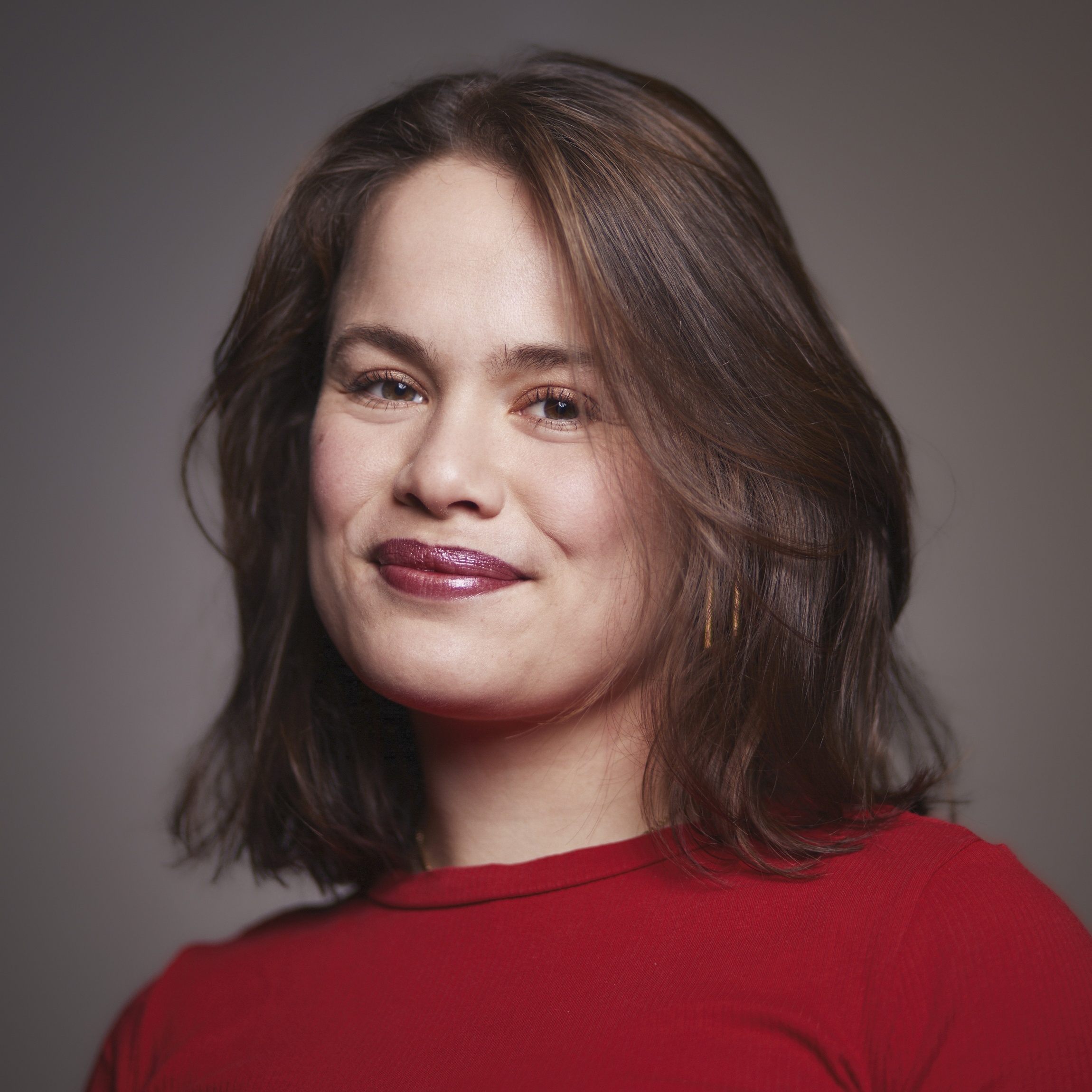
 Nora van der Schoor
Video editor
Latest news
-
Away with the ‘profkip’, says The Young Academy
Gepubliceerd op:-
Science
-
-
House of Representatives wants basic grant for university master after HBO
Gepubliceerd op:-
Money
-
Politics
-
-
Company takes a huge chunk of the student finance of at least 350 internationals
Gepubliceerd op:-
Internationalisation
-

Comments
Comments are closed.
Read more in EM TV
-
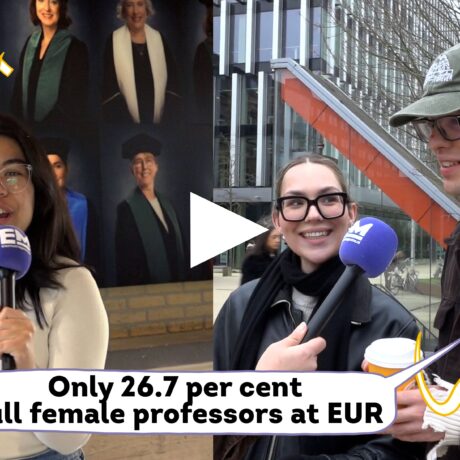
Who is your favourite female professor? ‘There should be more women in professor roles’
Gepubliceerd op:Article type: Video-
Diversity
-
EM TV
-
-
EM TV newsflash: Break-in in F building, EUR receives two Vici grants, and student wins 10,000 euros music prize
Gepubliceerd op:Article type: Video-
EM TV
-
-
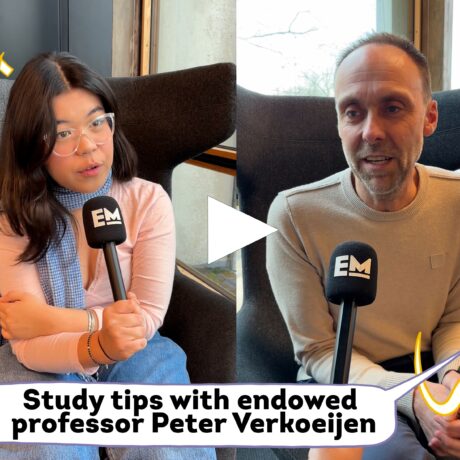
Acing an exam is all about deep learning. Peter Verkoeijen explains the best strategies
Gepubliceerd op:Article type: Video-
Campus
-
EM TV
-