Ad

Only 0.4 per cent of EUR’s 2024 science is not yet publicly accessible, here’s why

The Erasmus University has almost reached 100 per cent open access for its output of 2024, but not quite yet. Erica Yu explains what it means for research to be open access, and what the University Library’s team is planning to open up that final 0.4 per cent that’s still locked behind a paywall.
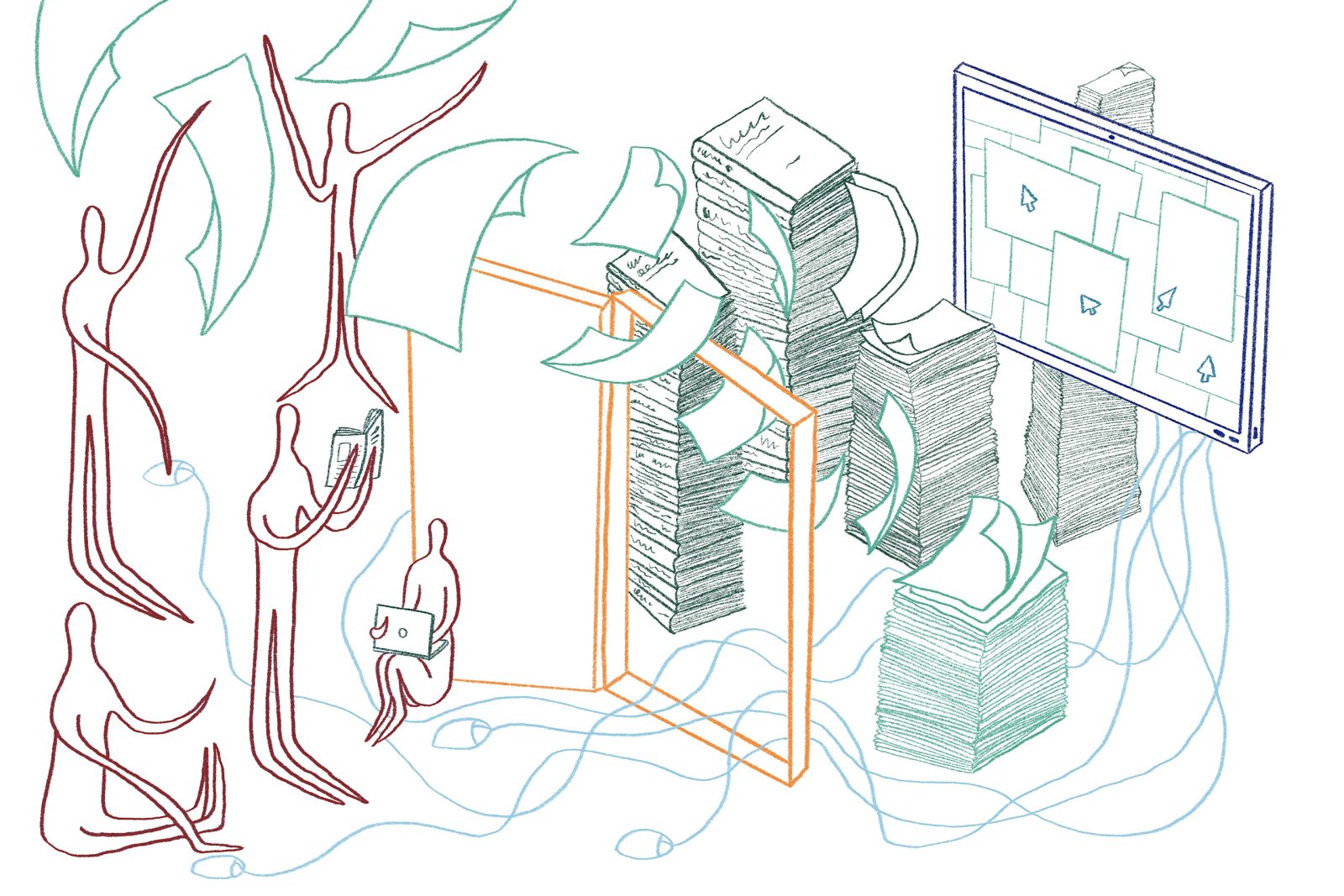
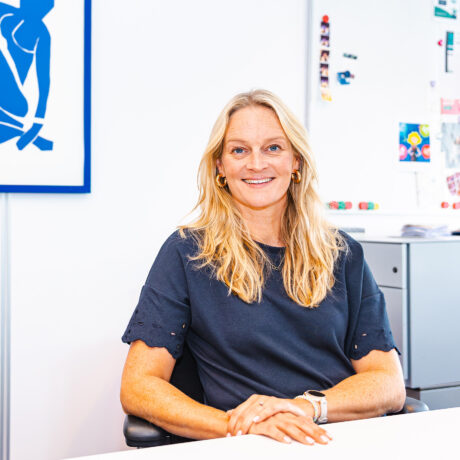
Image by: Sonja Schravesande
“Open Access is basically about making scientific research permanently available for all”, Yu explains. “So permanently accessible with an open license. An open license means people can share and reuse research as they see fit, as long as they attribute the original author.”
Yu thinks Open Access is very important to the mission of the university. “The university is always talking about social impact. To be able to make the most impact socially, it’s important that the research we produce is accessible to everyone who might need it. People’s access to knowledge shouldn’t depend on the resources they have at their disposal.”
The last 0.4 per cent
There is still 0.4 per cent to go before the university reaches full open access. The reason for this, according to Yu, is the fact that some people prefer their publications to be behind a paywall. “I think people working with information under copyright, or people whose research involves something they think should be protected, would rather not publish Open Access. It could also be that they don’t fully agree with how the ‘Green Open Access route’ is implemented. And that’s okay, they can always opt out.”
“Green articles are first published in a traditional journal, which means readers have to pay a fee before receiving access to the publication”, Yu explains. “An author can then make that publication publicly available by depositing them in Pure, our institutional repository. After six months, the publication will be accessible through Pure, while it remains behind a paywall on the publisher’s website.”
Between 2023 and 2024, Open Access increased from 82.9 to 99.6 per cent. Compared to the years before, this is a big step forward, which was largely due to the Erasmus MC fully implementing the Taverne Amendment in 2024. This enabled a huge jump in the number of Green Open Access articles.
Next steps
“I think the biggest driver for reaching this point was the green route”, Yu states, “so we want to keep pushing it further. We’re also working hard on Diamond Open Access. This is the most ideal version where both readers and authors don’t have to pay.”
At the moment, only a small percentage of the published articles are Diamond. This, says Yu, is because Diamond Open Access journals are by definition not-for-profit. “To operate and deliver quality work, they need to rely on other funding sources, whereas commercial publishers can simply function by charging authors, readers, or both.” Rather than giving more money to commercial publishers, the Open Access-team wants to increase the percentage of Diamond articles.
Apart from that, the team is looking for a way to get people to care. For this purpose, Recognition and Rewards could be an option. “By rewarding people for publishing Open Access – particularly through the Diamond route – you’re making them care.”
Read more
-
EUR wants 40 per cent of professors to be women within five years (this is currently 26.7 per cent)
Gepubliceerd op:-
Science
-
De redactie

Latest news
-
Erasmus Building gallery expanded with 48 portraits of female professors
Gepubliceerd op:-
Diversity
-
-

‘If anyone should be thinking about the effects of AI on society, it is scientists’
Gepubliceerd op:-
Artificial Intelligence
-
Science
-
Comments
Comments are closed.
Ad
Read more in Science
-
‘If anyone should be thinking about the effects of AI on society, it is scientists’
Gepubliceerd op:-
Artificial Intelligence
-
Science
-
-
Did your parents know what your sex life was like when you were eighteen?
Gepubliceerd op:-
Eureka!
-
-
Universities must demonstrate their economic value, says House of Representatives
Gepubliceerd op:-
Politics
-
Science
-