Ad

EUR wants 40 per cent of professors to be women within five years (this is currently 26.7 per cent)
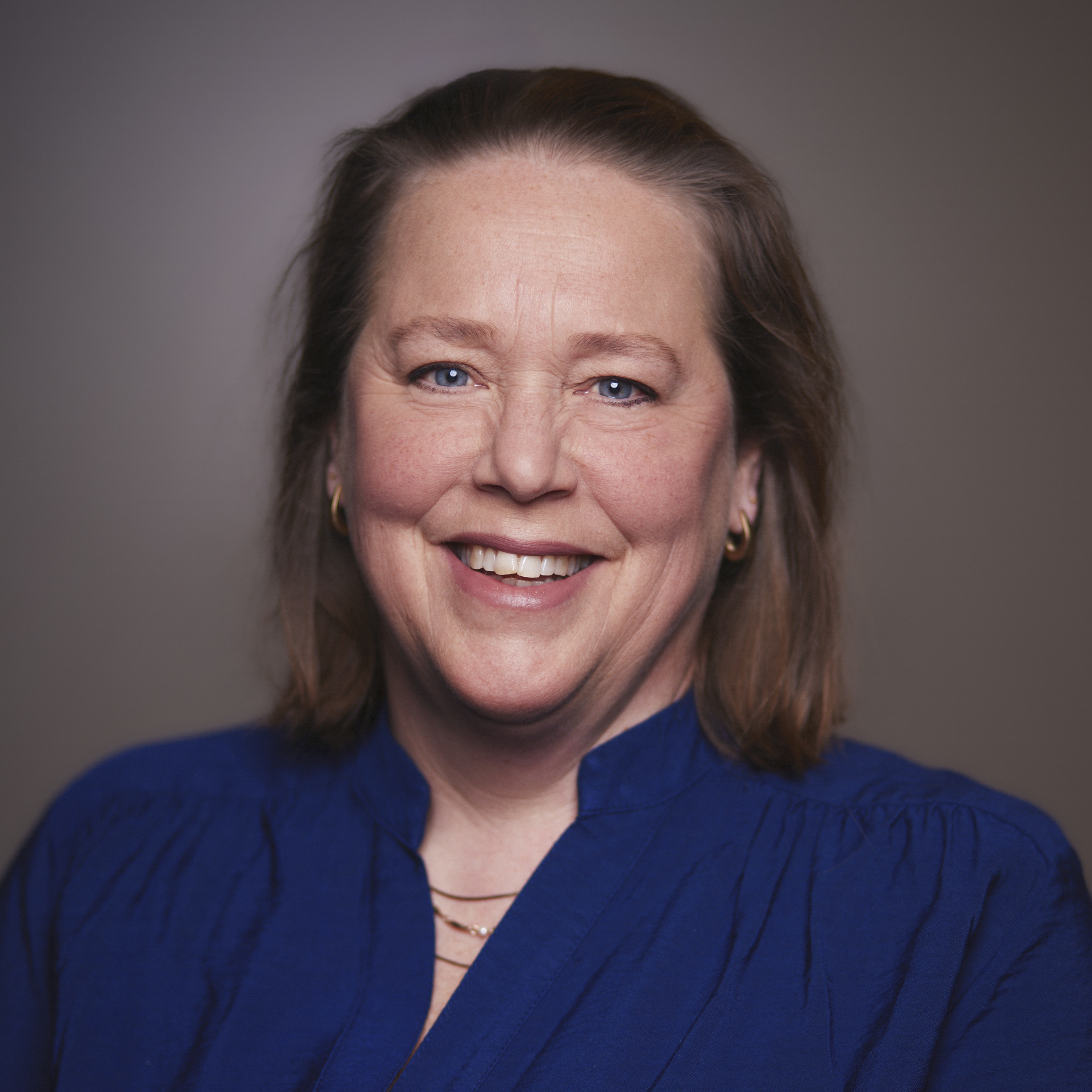

Three in ten professors at Dutch universities are women, according to the latest figures. Erasmus University is still well below that, at 26.7 per cent, but has set the ambition of reaching 40 per cent by 2030.
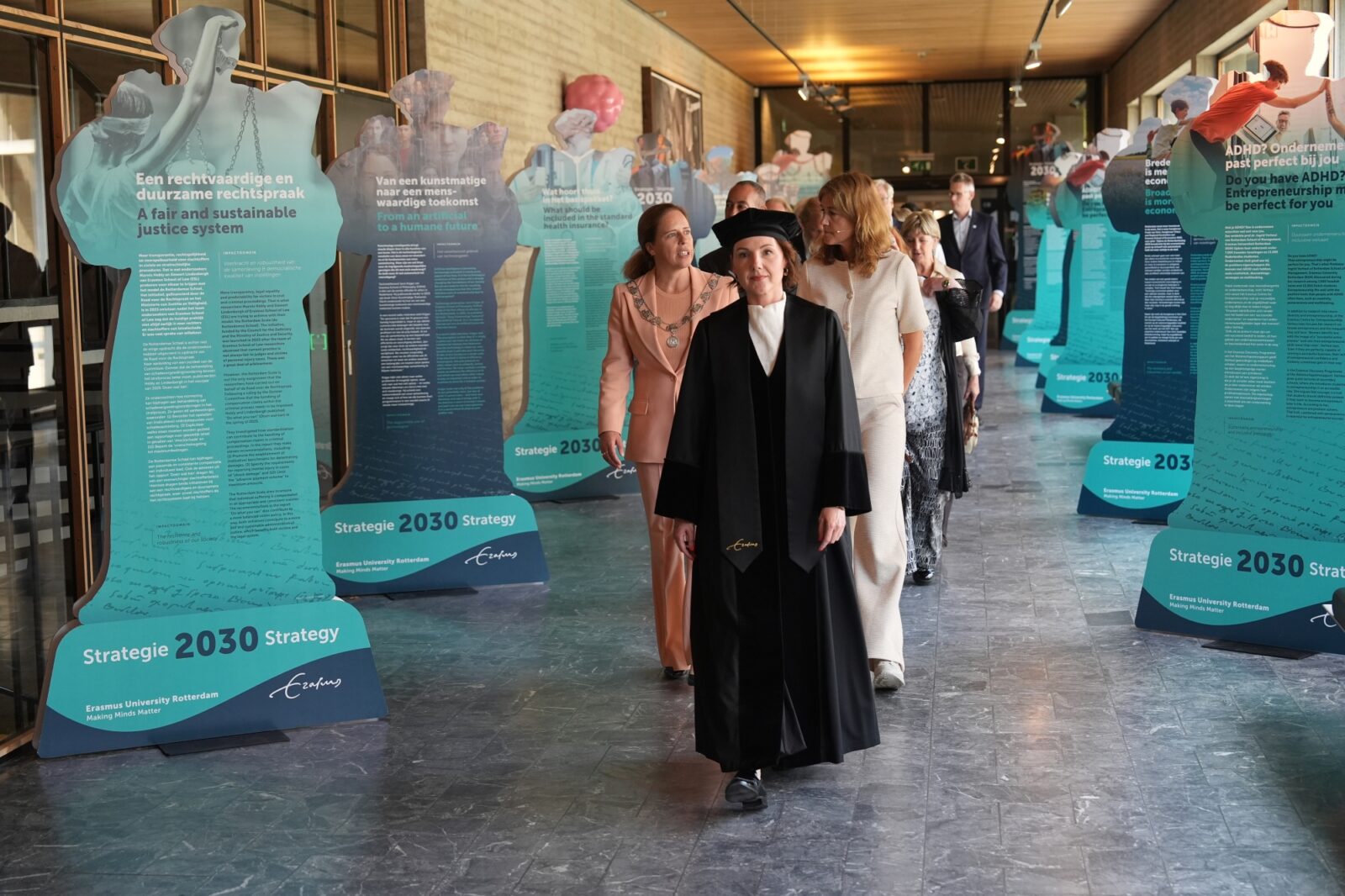
During the Opening of the Academic Year 2025/2026, with Mayor Carola Schouten behind the padel, next to her professor and chair of the board Annelien Bredenoord.
Image by: Arie Kers
EUR writes this in response to the new Monitor Female Professors, which was published on Monday. Every year, the Dutch Network of Women Professors sets out the differences between men and women in Dutch academia.
In a response to the monitor, rector magnificus Jantine Schuit says that although half of the academics at EUR are women, this is not reflected in the proportion of women professors. “With our new target of 40 per cent in 2030 we want to make better use of the strong potential for progression: more than 69 per cent of our PhD candidates are women. As part of EUR’s new strategy to develop into an engaged university, we are also looking at alternative routes to professorships.”
Approach
The response also states that the university is not only looking at gender, but choosing ‘an intersectional approach to strengthen inclusion and promote equal opportunities for all groups that are traditionally underrepresented’.
To reach the 40 per cent target, the university is focusing, among other things, on transparency in recruitment and promotion procedures, leadership training and policy measures for a better work–life balance.
Critical mass
The Dutch Network of Women Professors (DNWP) calls the national figure of 30 per cent ‘a symbolic threshold’. Women are no longer an exception at the top of academia and together form a critical mass for change, according to the monitor.
But in fact that milestone has not quite been reached. In the latest figures (reference date 31 December 2024), 29.9 per cent of all professors were women. Moreover, this is calculated in full-time equivalents. In headcount, it is a few tenths lower. “We choose to mark this as reaching the 30 per cent threshold”, the authors nevertheless write.
Per university
At all universities the share of women professors increased, except at TU Delft. There it fell from 18.9 to 18.6 per cent. Delft is also the only university with fewer than 20 per cent women professors.
In total, six universities remain below 30 per cent. Besides Delft, these are Vrije Universiteit Amsterdam, Wageningen University, Erasmus University Rotterdam and the technical universities of Eindhoven and Twente.
The rest are therefore above it, with the Open University far ahead. At this small Limburg institution, specialised in distance learning, 42.8 per cent of professors are women.
In other senior positions at the universities there are often more women. Of the 41 members of the Executive Boards, 21 are women – more than half.
Of the deans, who head a faculty, 36 per cent are women and the same applies to the directors of a research institute. At the education institutes, women account for 47 per cent.
Other countries
Compared with other countries, the Netherlands is certainly not leading the way. There are countries where the situation for women is even more skewed, such as Germany and Belgium: there, the share of women professors in 2022 was below 25 per cent. But there are also countries where women more often reach the top of academia. In Romania, more than half of professors are women.
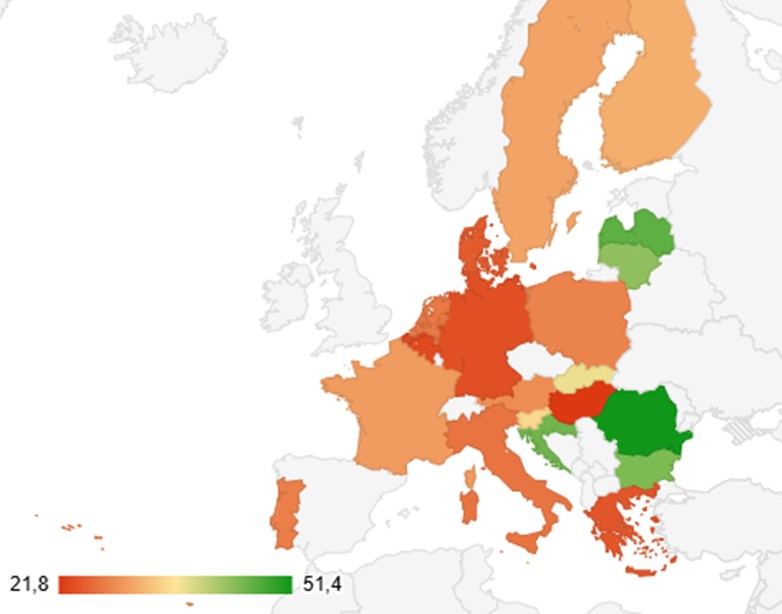
The share of female professors per country.
Image by: Monitor Vrouwelijke Hoogleraren
KNAW and NWO
In this monitor the DNWP also looks at the male–female ratios at the institutes of the Academy of Arts and Sciences KNAW and research funder NWO. Only, researchers there are not called ‘professor’.
In the comparable high salary scales, 23.8 per cent at NWO are women. These NWO institutes focus mainly on science and engineering, the monitor states, and there this percentage is slightly higher than average in that field. The KNAW institutes reach 28 percent women in that salary scale.
Is the situation for women in academia moving in the right direction? The DNWP warns against complacency: “Growth is still modest and unevenly distributed across institutions and disciplines”, the monitor states. It could easily take twenty years before there are as many female professors as male professors.
Read more
-
Men more likely than women to hold prestigious positions at universities
Gepubliceerd op:-
Diversity
-
De redactie
-
 Wieneke Gunneweg
Editor-in-chief
Latest news
-

TU Delft may not favour women in admissions to courses
Gepubliceerd op:-
Education
-
-

Hate campaigns and political pressure: KNAW wants legal protection for academic freedom
Gepubliceerd op:-
Science
-
-
Signing up for a Dutch course ‘feels like a race’, no more places available for now
Gepubliceerd op:-
Internationalisation
-

Comments
1 reactie
Comments are closed.
Ad
Read more in Science
-
Hate campaigns and political pressure: KNAW wants legal protection for academic freedom
Gepubliceerd op:-
Science
-
-
Why Philip Hans Franses had students look in wallets at a DIY store
Gepubliceerd op:-
Eureka!
-
-

Nobel Prize for research into ‘stabilisation’ of the economy
Gepubliceerd op:-
Science
-
P. op 14 December 2025 om 14:07
You cannot solve discrimination with… discrimination.