Uncertain people in the disposable society
We are what we buy. Or rather, our identity is partly shaped by the things with which we surround ourselves. And there are more of them than ever. At no time in history have people bought so many possessions or thrown so many away. We live in a throwaway society. But what does that mean for us?
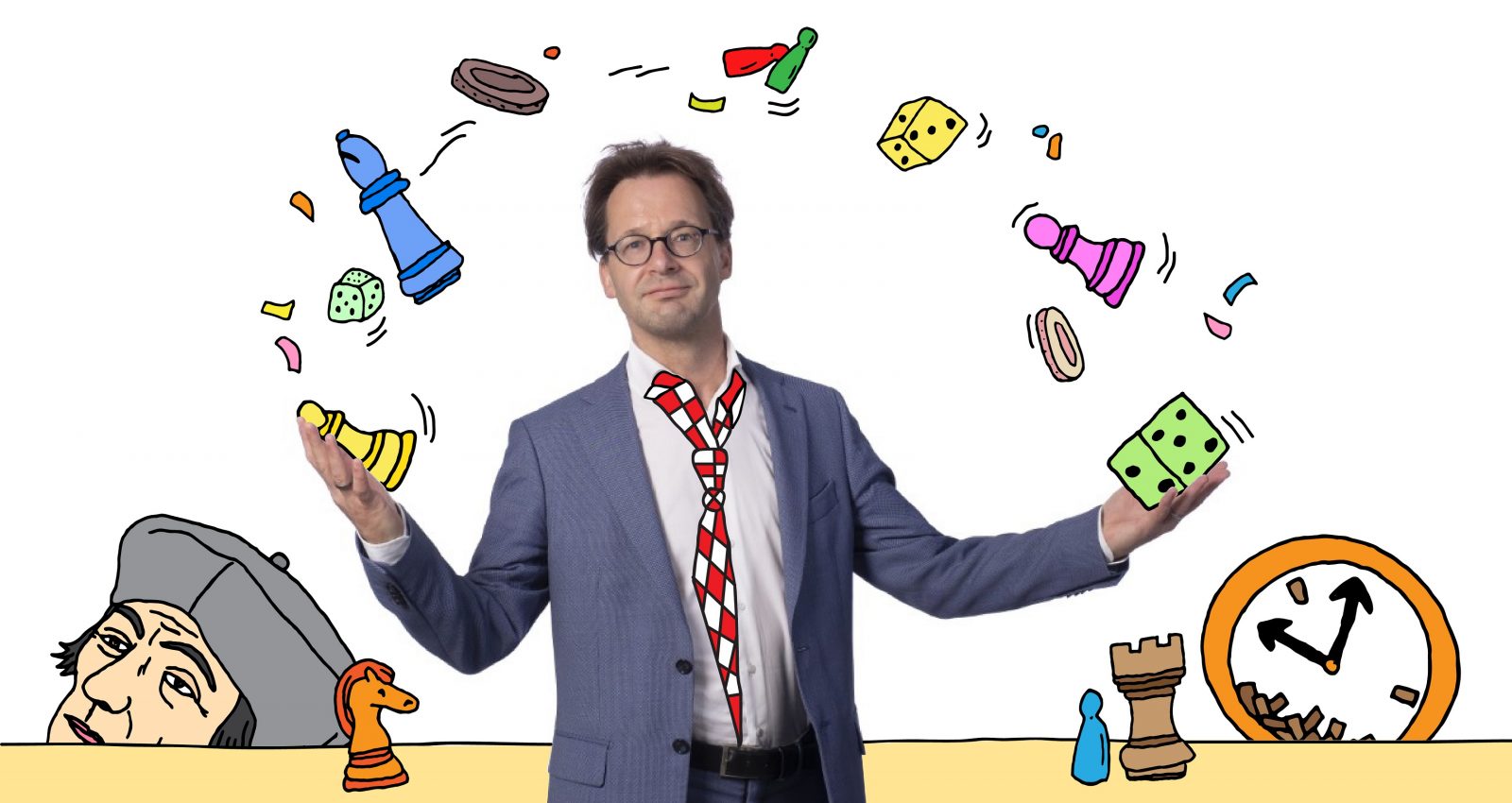
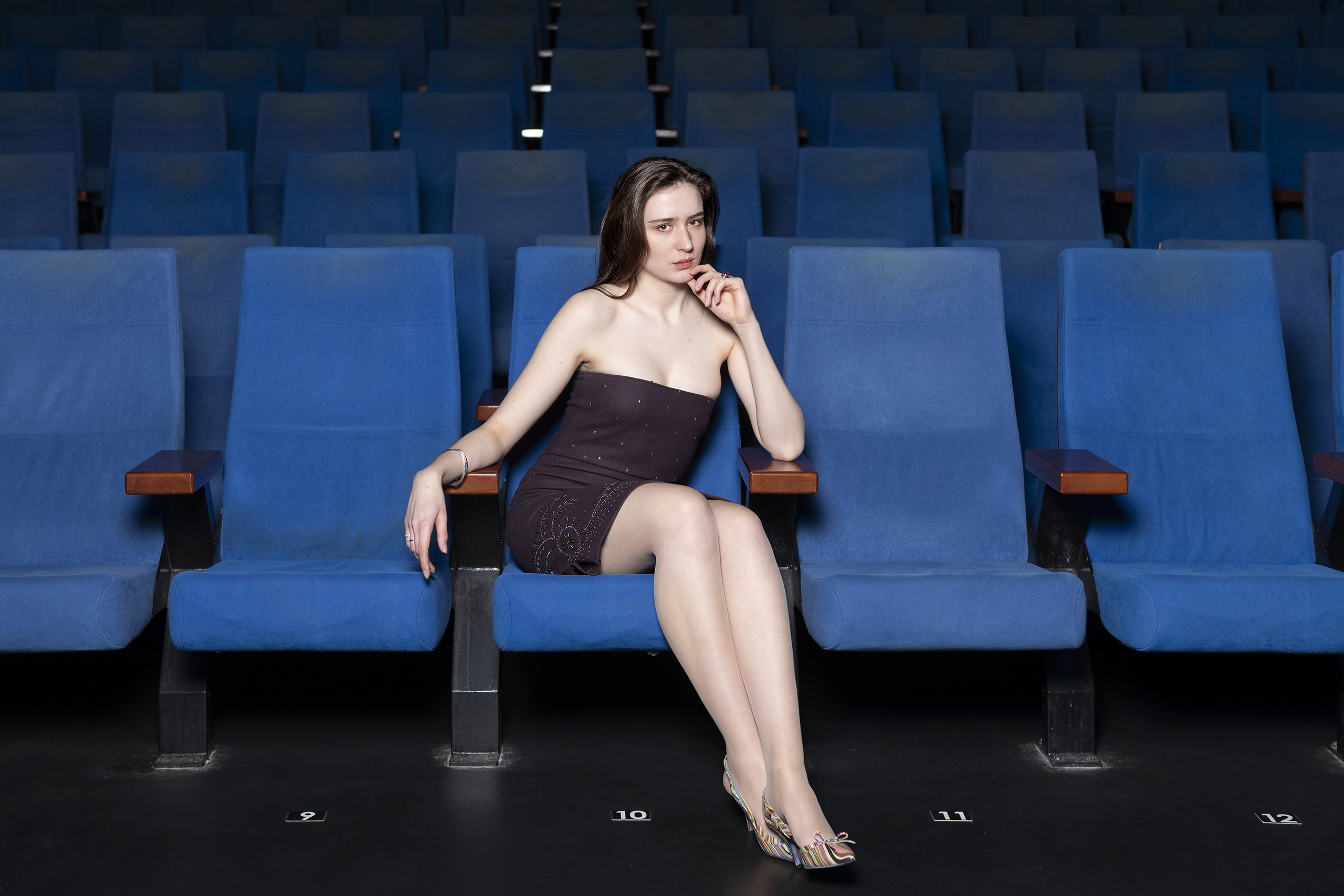
Image by: Levien Willemse, Pauline Wiersema
This is what came to mind after reading Dievenland by Janna Coomans, the winner of the Libris History Prize 2025. This year I had the honour of being the chair of this wonderful book prize for the best Dutch-language history book. A total of 373 historians competed, and Janna Coomans, a young lecturer at Utrecht University, ultimately won.
“The cloak stolen from a merchant made the thief look like a merchant at first sight”, writes Janna Coomans in Dievenland, about how theft was handled in the Low Countries between 1450 and 1550, based on remarkable confessions. A distant history that is at the same time a mirror for our own age. Coomans sketches a different world, in which people thought differently. A time when possessions seemed to have more value. Clothing, furniture or food determined your social status and made clear which group in society you belonged to.
Objects mattered then. The stolen cloak of that merchant was a garment for life and showed which group he belonged to. The piece of clothing gave him status and a sense of certainty about how others would approach him. We still buy things for our social status, but we also throw them away easily. We live in a time in which we attach less value to possessions and seem more uncertain about our identity.
The thieves Coomans describes had no possessions and lived outside the social order – and in a constant state of uncertainty. Stealing such clothing, or other possessions, affected people’s lives and was punished very severely. Because it was not only about the monetary value of things, but about how they promised you a position and offered protection. The contrast with the time in which we now live could hardly be greater. Everything is now subject to fashion, especially clothing, which we change with ease and all too often simply throw away.
If you were to ask people in Rotterdam around 1500 what paradise looked like for them, they would probably describe Cockaigne, or a land of plenty filled with drink, food and all kinds of other possessions that would bring people happiness and make them confident. The city we live in now would be, for them, a place of abundance, yet many people here are not happy and in fact feel uncertain.
I do not need to explain this to economists at this university: how our economy does not satisfy needs, but stimulates them. How all the possessions with which we surround ourselves give us no peace, but actually increase our restlessness. Five hundred years ago, stealing a cloak could lead to the death penalty because clothing was so important for your position. For us, that is a terrible idea. We now throw away a coat with ease, simply because fashion has changed. The thieves of those days would, I think, see this as the real crime.
Read more
-
We are passive spectators in the spectacle democracy
Gepubliceerd op:-
Column
-
De redactie
Latest news
-
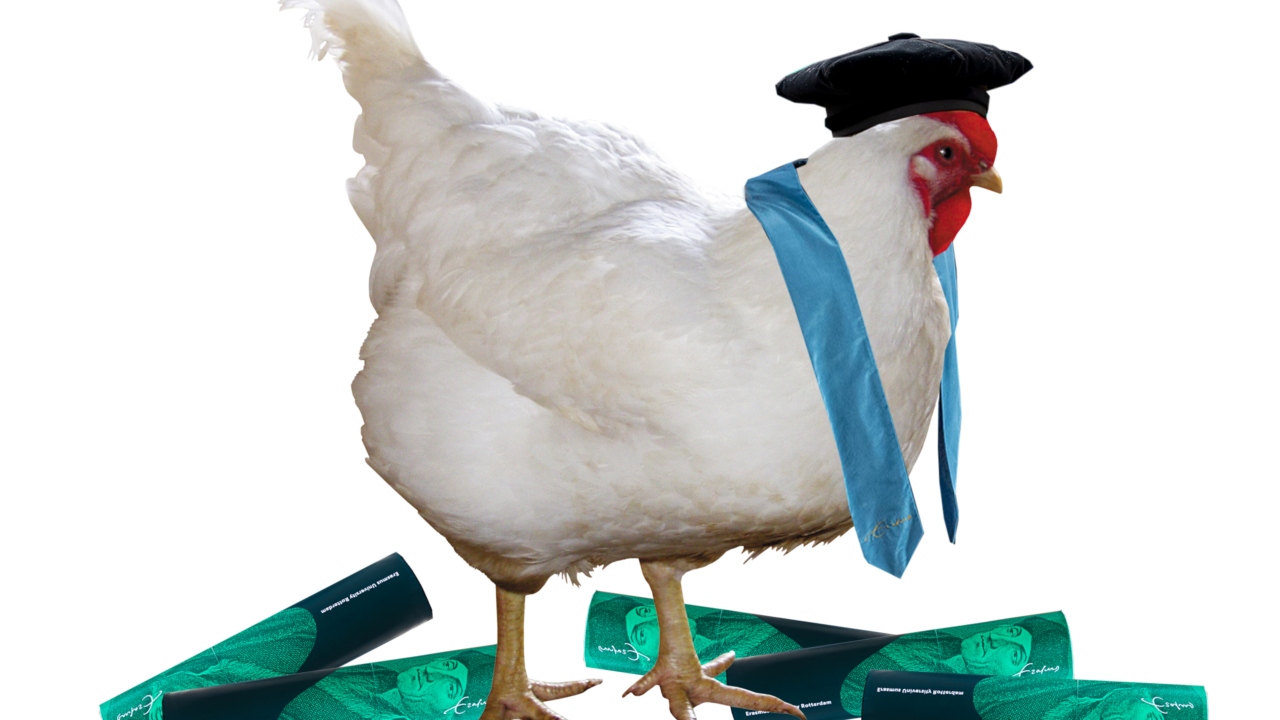
Away with the ‘profkip’, says The Young Academy
Gepubliceerd op:-
Science
-
-
House of Representatives wants basic grant for university master after HBO
Gepubliceerd op:-
Money
-
Politics
-
-

Company takes a huge chunk of the student finance of at least 350 internationals
Gepubliceerd op:-
Internationalisation
-
Comments
Comments are closed.
Read more in Column
-
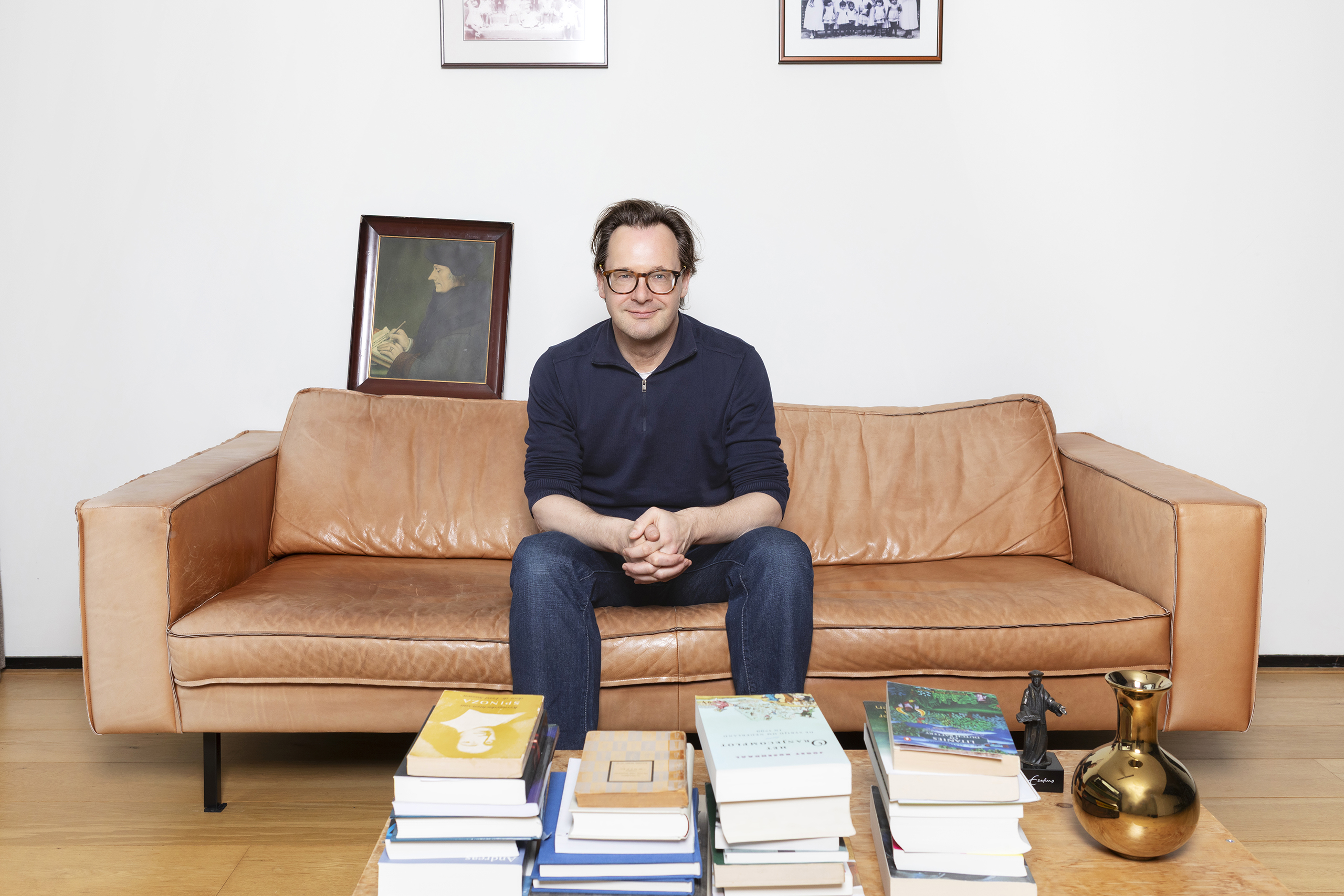
Minister Letschert and the academic tower
Gepubliceerd op:-
Column
-
-
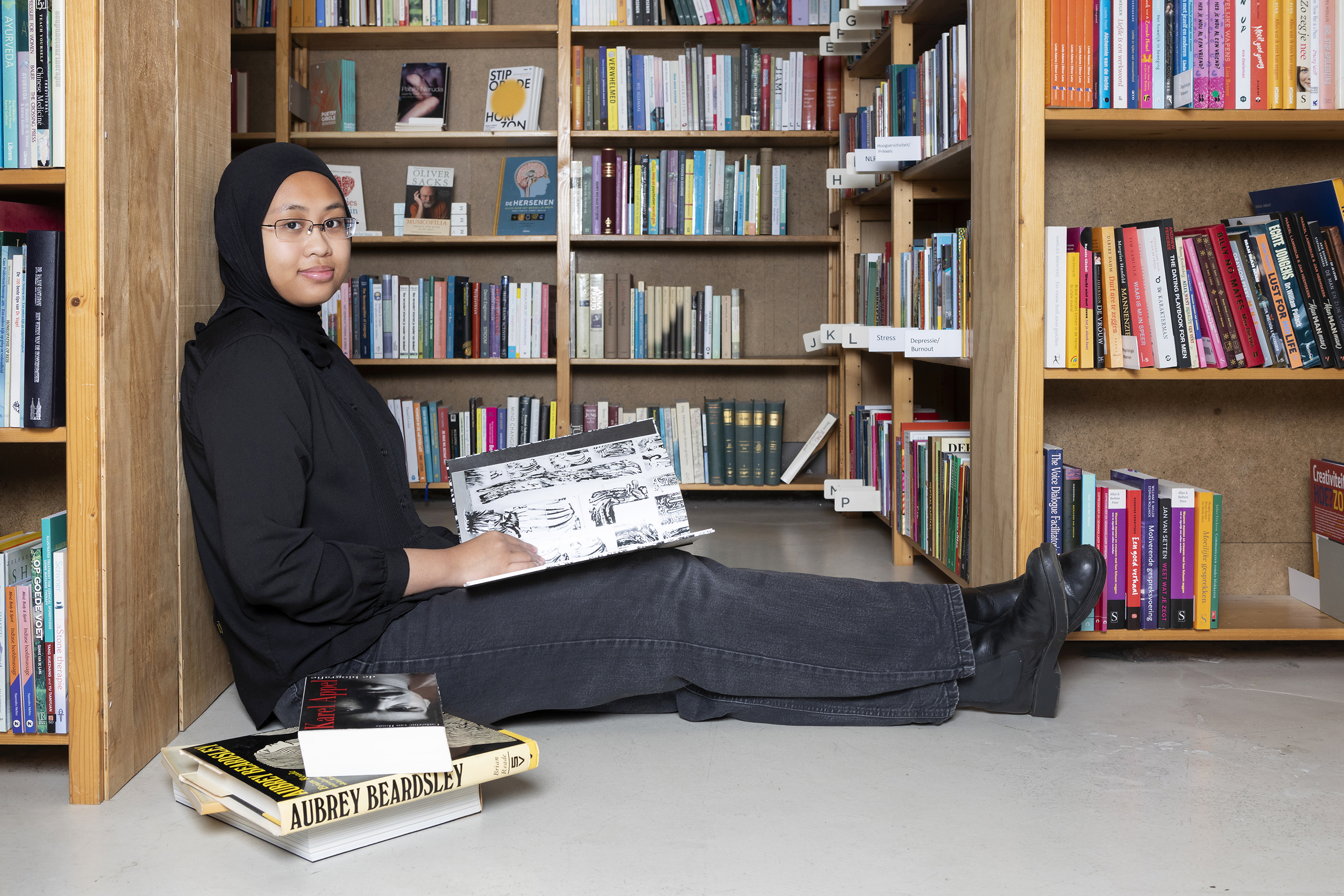
Spinach seed wounds
Gepubliceerd op:-
Column
-
-
Leftover dame blanche
Gepubliceerd op:-
Column
-