Ad

We are passive spectators in the spectacle democracy
The election campaign has become a spectacle in which politicians who use harsh words and make unrealistic proposals attract the most attention – both in mainstream media and on social media. We, the voters, stand on the sidelines and watch this performance, sometimes approvingly but often with mixed feelings. Yet we remain spectators – even though this democracy is supposed to belong to us.

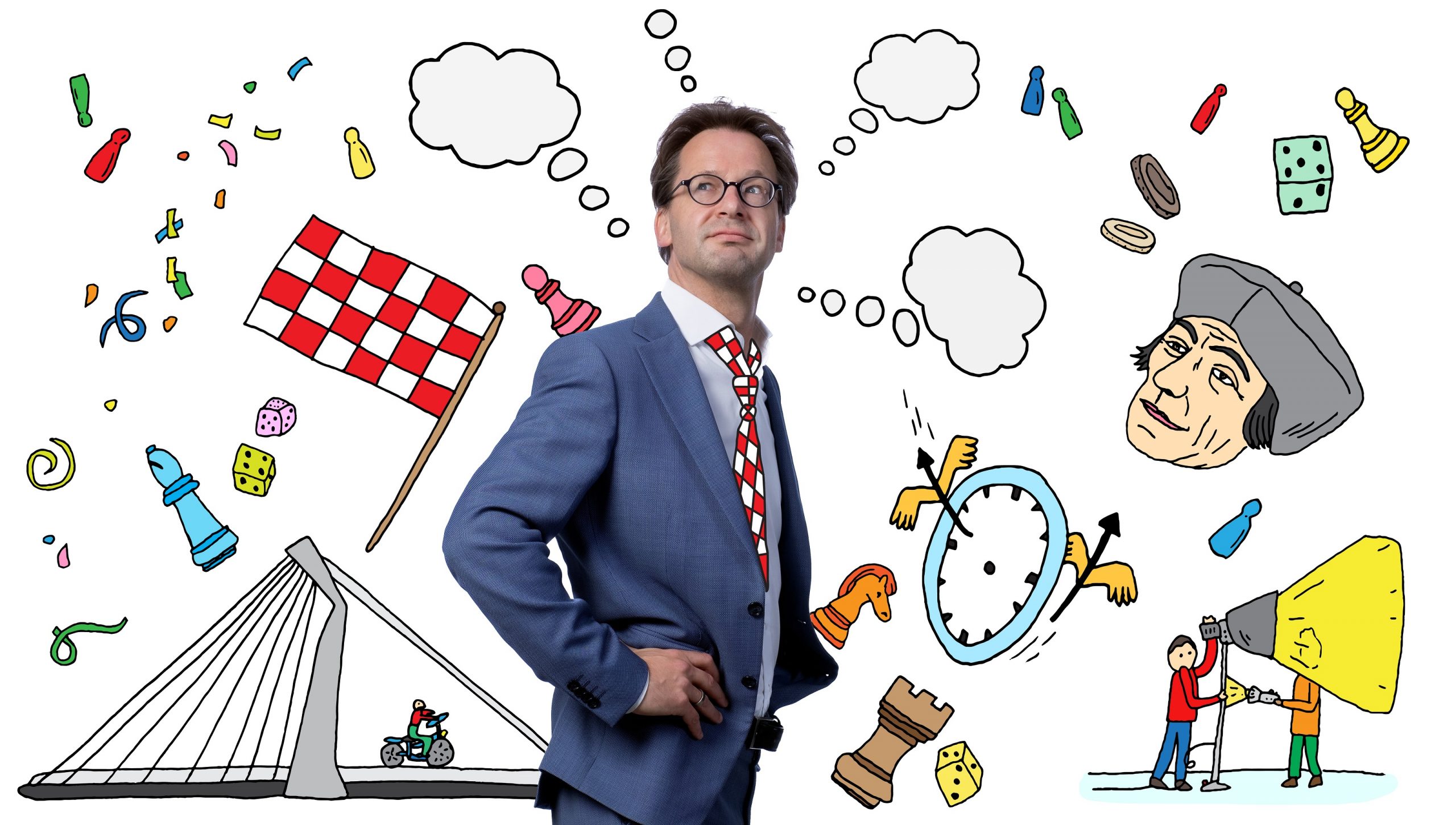
Image by: Levien Willemse, Pauline Wiersema
When I follow reports about the elections, I notice that they are almost always negative, both in the regular media and certainly on social media. In a democracy, criticism is vital; it is what distinguishes our politics from those in authoritarian regimes. But the unending flow of negative reports also feeds a cynical sense of doom.
During lectures at the university, I often ask students whether they trust their fellow human beings. A large majority usually answers ‘yes’. I then ask who among them trusts politics, and almost all hands go down. When I ask whether they believe things will improve after the elections, very few think so. It is rather strange that we trust the people we meet in daily life but not the politicians we ourselves elect. Perhaps the problem is that we almost never meet these politicians in person – we mostly get to know them through the media, which follow their own logic.
Before elections, politicians should be holding substantive debates, and the media should report on them. In reality, the opposite happens: the media thrive on outrage and scandal, to which politicians then respond. Today’s media follow a logic of their own, one that is mainly driven by conflict – preferably between well-known figures – and that ends in a simple, polarising choice. This bears little resemblance to the logic of parliamentary politics, where complex problems are discussed, many people are involved and compromises must constantly be made. We elect politicians who fight each other to the death and then expect them to work together in parliament – it should be no surprise that this does not work.
But am I not doing the same? By writing this column, am I not feeding the very cynicism I wish to combat? At a time when democracies elsewhere are collapsing, it is crucial to reflect on the future of our own politics. We need to ask questions such as how our democracy has turned into a form of entertainment, with politicians as soap actors caught in ever less believable storylines. Equally relevant is the question of why we ourselves have become passive consumers of this political spectacle. Such questions are essential if we are to prevent what has happened in the United States from happening here. Commercial algorithms of American tech companies increasingly shape public debate in our country – and, to a large extent, how we perceive our politicians. The media we choose increasingly determine our own role in politics: do we want to be engaged citizens, or will we remain passive spectators?
Read more
-
How can we trust politicians?
Gepubliceerd op:-
Column
-
De redactie
-
 Ronald van Raak
Columnist
Latest news
-
Desperate medical students are offering each other money to start their internships earlier
Gepubliceerd op:-
Education
-
-
Still a shortage of 20,000 student homes
Gepubliceerd op:-
Housing
-
-
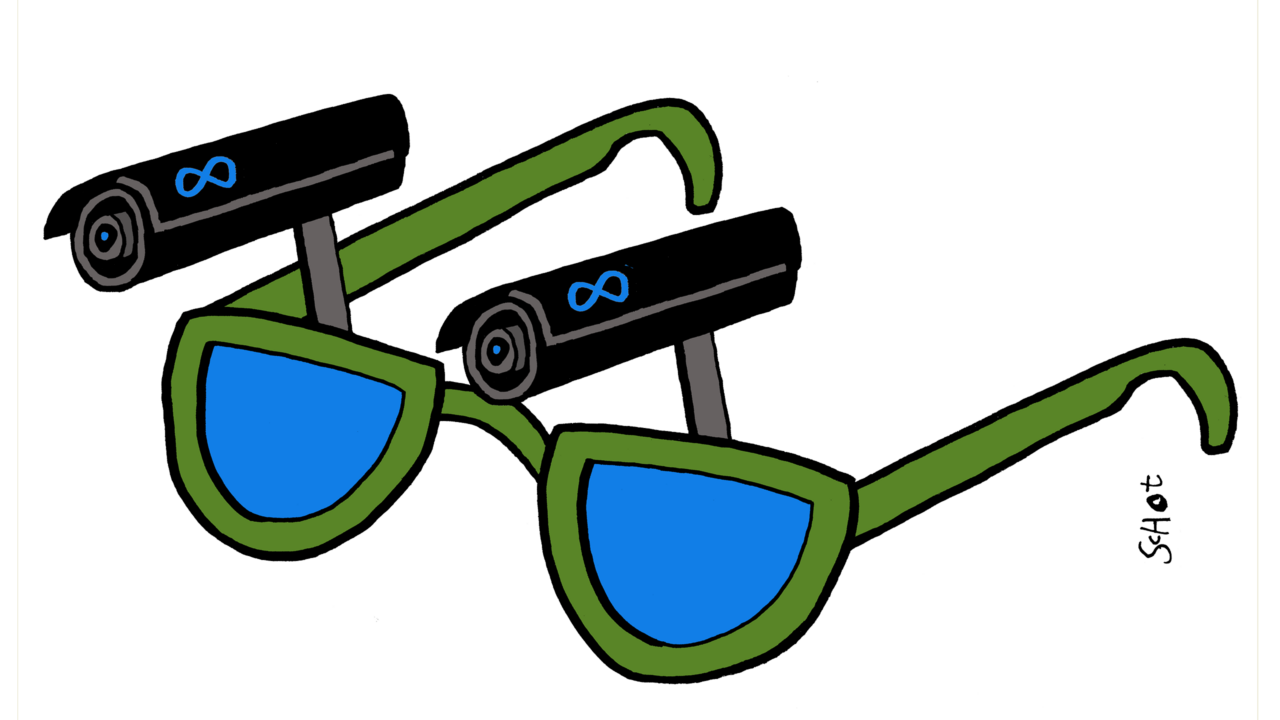
‘With gadgets like Meta Glasses, we pay to be surveilled’
Gepubliceerd op:-
The Issue
-
Comments
Comments are closed.
Ad
Read more in Column
-
Academics allow themselves to be used by politicians
Gepubliceerd op:-
Column
-
-
The academic boycott of Israel is creating a culture of fear
Gepubliceerd op:-
Column
-
-
Bags under the eyes as academic currency
Gepubliceerd op:-
Column
-