This is what the parties want for higher education and research after the elections
In their election manifestos, some political parties loudly proclaim how important education and research are to them. Others are a bit more restrained.
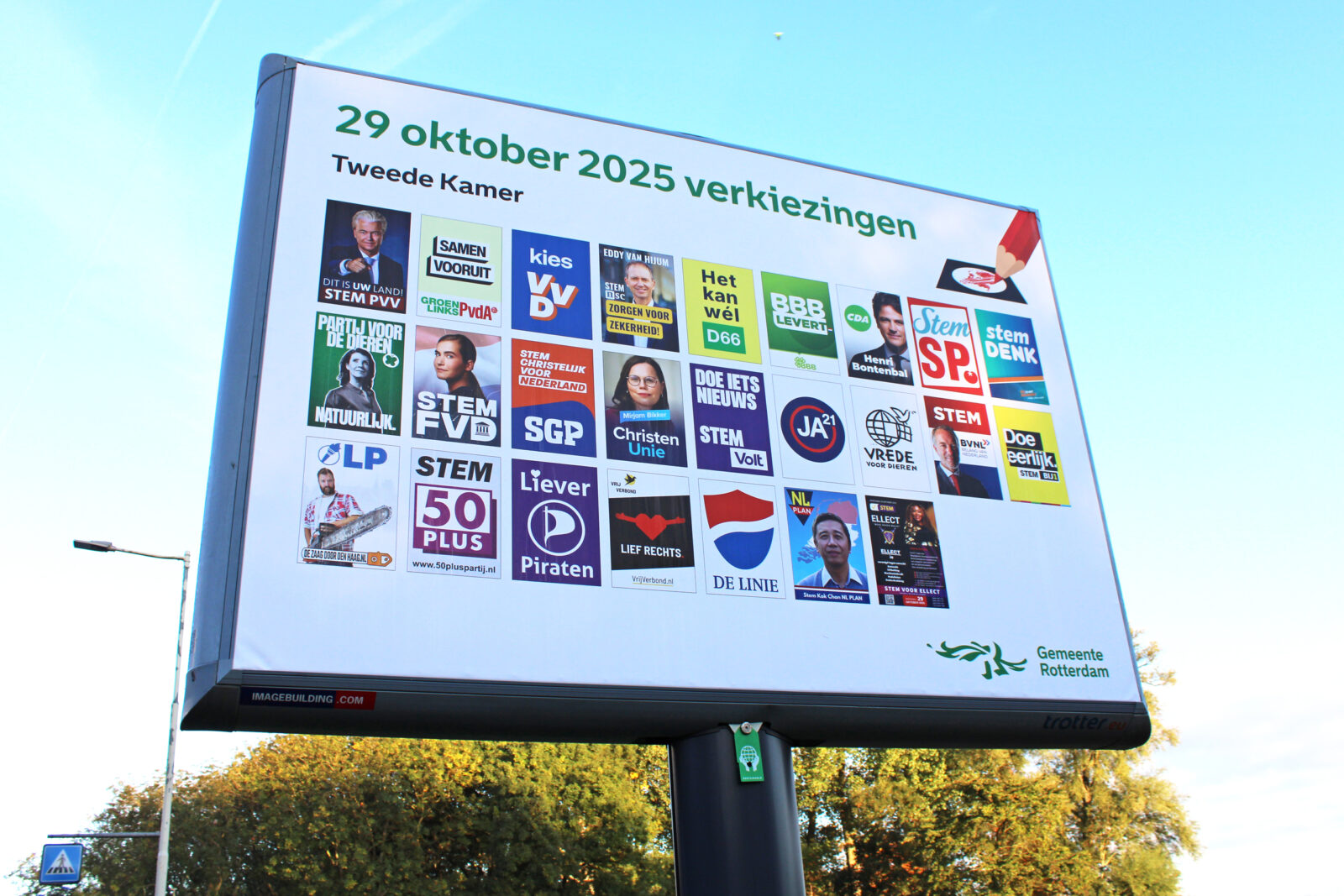
Image by: Esther Dijkstra
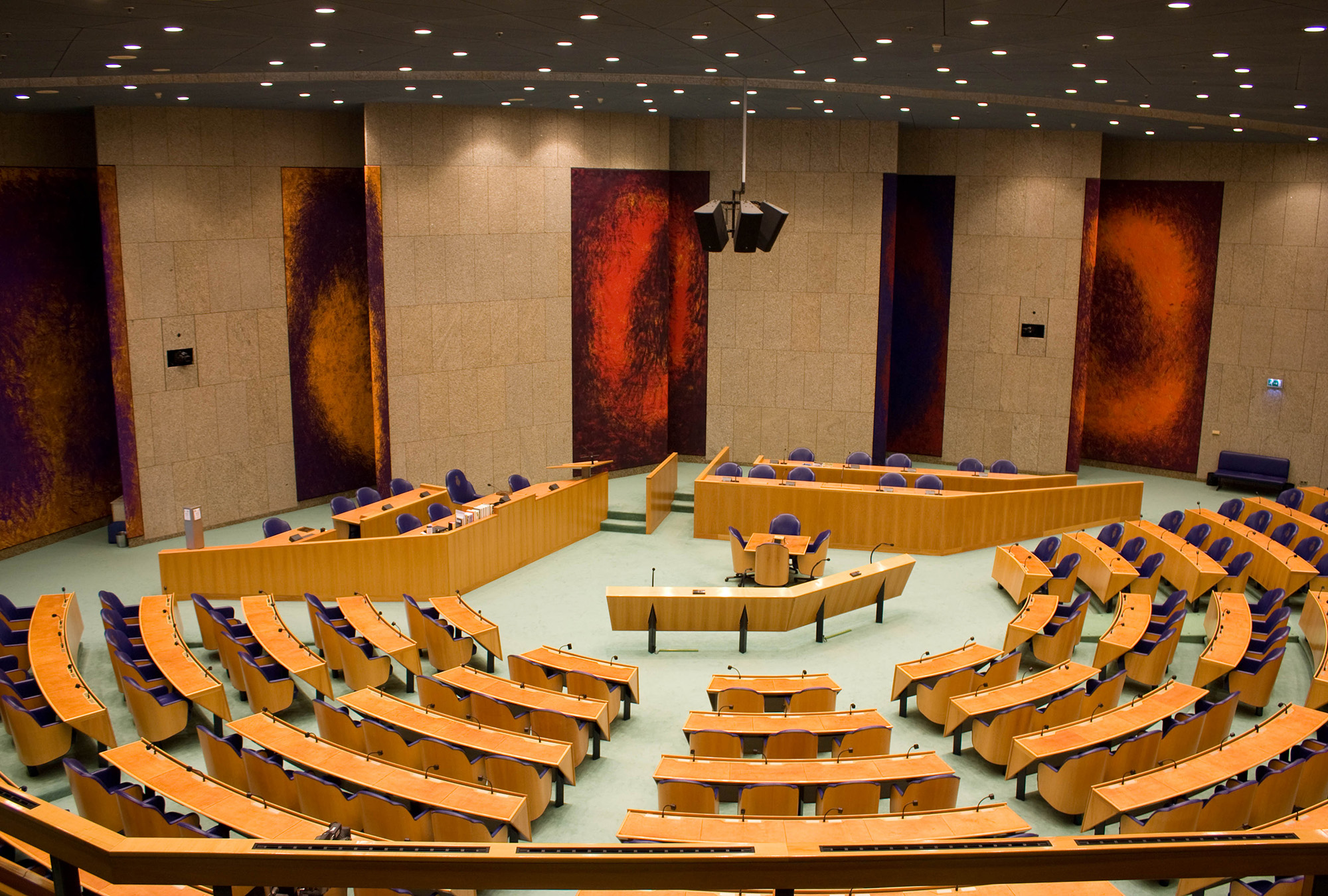
On Wednesday 29 October, elections will be held for the House of Representatives. Those elections will determine what the future of Dutch higher education and scientific research will look like.
More money for students
Some parties want to increase student finance. Others see no need for that, for instance because some students have wealthy parents or because they expect students will earn enough later to repay their study debts.
It is worth bearing in mind that increasing the basic grant is by no means the only way to improve students’ finances. It could also be done through higher healthcare or housing allowances, or for example by lowering VAT on groceries.
The CDA wants a scholarship programme for excellent students, so that party could also be included in the left-hand column. NSC says it wants to retain the basic grant in any case.
How much tuition fee?
If you want to make studying cheaper, you can lower tuition fees. Not 2,600 euros a year, but perhaps half that amount or nothing at all. You could do that for all degree programmes or only for those in shortage sectors such as healthcare, engineering and education.
And some parties (such as Volt and SGP) want to make an exception for student board members who have no time to attend classes.
The SP ultimately wants to abolish tuition fees altogether. The VVD draws attention with a ‘short-study bonus’ for students who graduate on time. That would be the opposite of a slow-progress penalty (which BBB advocates). However, universities would face such a penalty from the VVD: they would have to pay a delay contribution if students fall behind.
Speaking English
Too many students from other countries are coming here, some parties believe. To change that, more degree programmes should be taught in Dutch. That would also improve Dutch language skills, they add. Several parties such as SP, SGP and PVV agree on this point.
In response to all the criticism, universities decided to take the initiative: let us make our own plans to manage internationalisation properly and strengthen Dutch-language teaching in bachelor’s programmes, they said. Some parties think that is fine. For instance, GroenLinks-PvdA and PvdD take that view.
Reversing budget cuts or not?
two billion euros from education. The final amount turned out lower, but still:
universities and universities of applied sciences will have to tighten their belts.
victory, and VVD, BBB and NSC continued to defend them.
education free and invest heavily in fundamental and independent research, but
the party does not literally say: we will reverse the cuts. The same goes for the
Party for the Animals.
Slow first-years
A stick to keep students in line or a needless source of stress: those who do not
earn enough credits in their first year have to leave. Some parties want to
abolish this ‘binding study advice’ or bsa, others prefer to keep it as it is and say
nothing about it in their manifesto.
GroenLinks-PvdA does not mention it either, but that party has always wanted
to tinker with the bsa, and that likely has not changed. It was still in the
manifesto during the previous elections.
Funding degree programmes: fewer peaks and troughs
If a programme keeps attracting fewer students, should it be shut down? That
risk is particularly high in regions with declining populations. Small
programmes such as German and French also struggle. Can the government
ensure through funding that such programmes survive?
All parties basically want more stable funding, so programmes do not have to
compete for students. But what does that mean in practice? GroenLinks-PvdA
wants universities of applied sciences and universities to be able to offer
permanent contracts to their staff more quickly.
Some parties also want to improve alignment with the labour market. As the
VVD writes: “To improve the connection with the labour market, the
government will take a more active role in determining how many students are
enrolled in different programmes.”
That means the government will keep some study fields small and expand
others. JA21 is against so-called ‘hobby degrees’. But the Party for the Animals
also thinks along those lines: education should align with future needs.
Excuse me, may I unroll a banner?
We all know the fierce demonstrations against the ties between universities and
universities of applied sciences and Israel. Some parties believe tension is
acceptable, and they prioritise the right to demonstrate. Others say: get rid of
those troublemakers and revoke their passports if they happen to hold dual
nationality.
It should be noted that the difference lies in emphasis: no one condones
violence or vandalism, and no one wants to abolish the right to protest.
Democratising education
university or university of applied sciences? And are they fairly compensated for
it? Some parties are rather lukewarm about participation, while others are ready to take to the barricades. NSC also mentions the important role of an
Academic freedom
Now that the United States has launched an attack on academic freedom, you
might expect Dutch parties to mention it in their election manifestos. Yet, not all
of them do.
No one says they want to restrict researchers’ freedom. Instead, they prefer to
emphasise practice-oriented research in collaboration with business. In other
words, more direction. The CDA mainly wants to invest in research into ‘the key
technologies of the future’, including AI, green chemistry and battery
technology. BBB is moving in the same direction. “BBB stands firmly for
academic freedom”, the manifesto says, “but also sees that science is becoming
increasingly detached from practice.”
Sometimes it is difficult to tell whether parties want more freedom or less. The
SGP, for instance, stresses that research into the Holocaust must be able to
continue unhindered, but remains opposed to embryo cultivation for scientific
purposes. The reformed party also wants more practice-oriented research. All
in all, that sounds more like ‘more direction’ than ‘more freedom’.
Forum for Democracy is hard to categorise. The party wants universities to be
places for ‘free debate and sharp ideas’, but that goes hand in hand with a ban
on diversity officers and safe spaces.
On the other hand, some parties explicitly state that they support academic
freedom without reservation. GroenLinks-PvdA even wants to enshrine this
freedom in law.
An internship is work too
A part-time job alongside an internship can be too much to handle. All interns
should receive an allowance, some parties argue, otherwise students without
wealthy parents will struggle to find a placement freely.
Other parties fear that such a requirement would lead especially small
companies to offer fewer internships. That would only make matters worse, they
say. The ChristenUnie and SGP do want an allowance, but say that only for
students in senior secondary vocational education.
Housing benefit for student rooms
Students are struggling to find housing. One widely discussed solution is
housing benefit for non-self-contained rooms. This would allow higher rents for
housing with shared facilities, which would make such investments more
profitable. At present, developers prefer to build studios for students. It sounds
logical, but it would be costly for the government.
Building plenty of student housing
you put all those buildings? And what about nitrogen emissions?
others talk about young people and first-time buyers. And yes, the Party for the Animals puts more emphasis on sustainability than, say, BBB and CDA, but such
Lees meer
-
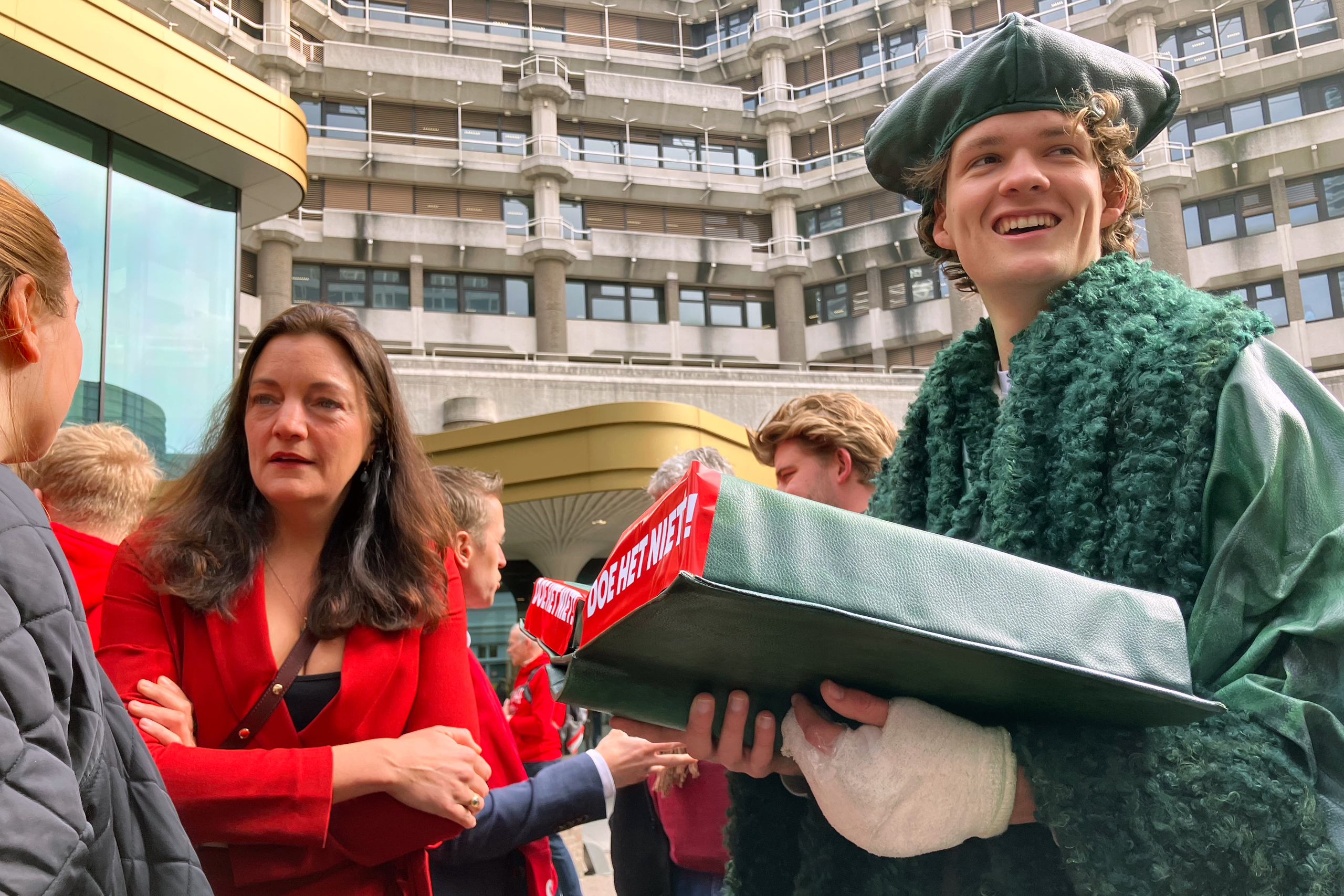
Calculations: will the budget for education increase or decrease after the elections?
Gepubliceerd op:-
Politics
-
De redactie
Latest news
-

Letschert gives nothing away in first parliamentary debate
Gepubliceerd op:-
Education
-
Politics
-
-
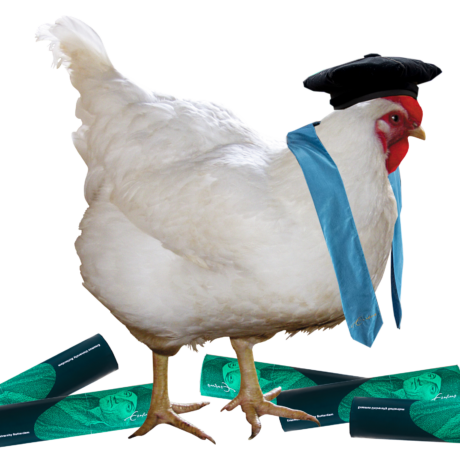
Away with the ‘profkip’, says The Young Academy
Gepubliceerd op:-
Science
-
-

House of Representatives wants basic grant for university master after HBO
Gepubliceerd op:-
Money
-
Politics
-


Comments
Comments are closed.
Read more in Politics
-
Letschert gives nothing away in first parliamentary debate
Gepubliceerd op:-
Education
-
Politics
-
-
House of Representatives wants basic grant for university master after HBO
Gepubliceerd op:-
Money
-
Politics
-