Ad

Nobel Prize for medicine awarded for immune system research
Why doesn’t the immune system normally attack our own bodies? For research into this question, three scientists have been awarded the Nobel Prize for Medicine.
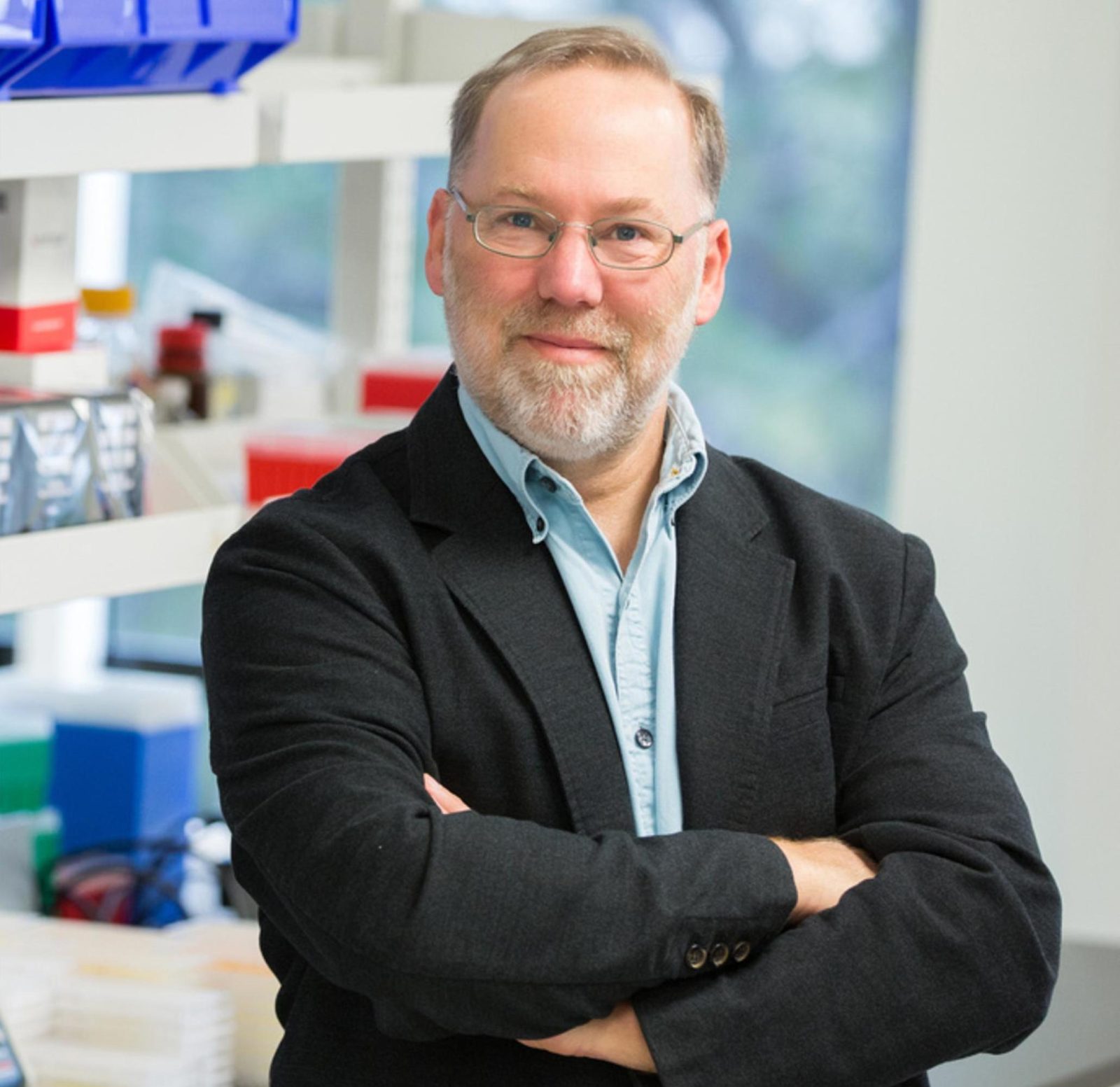
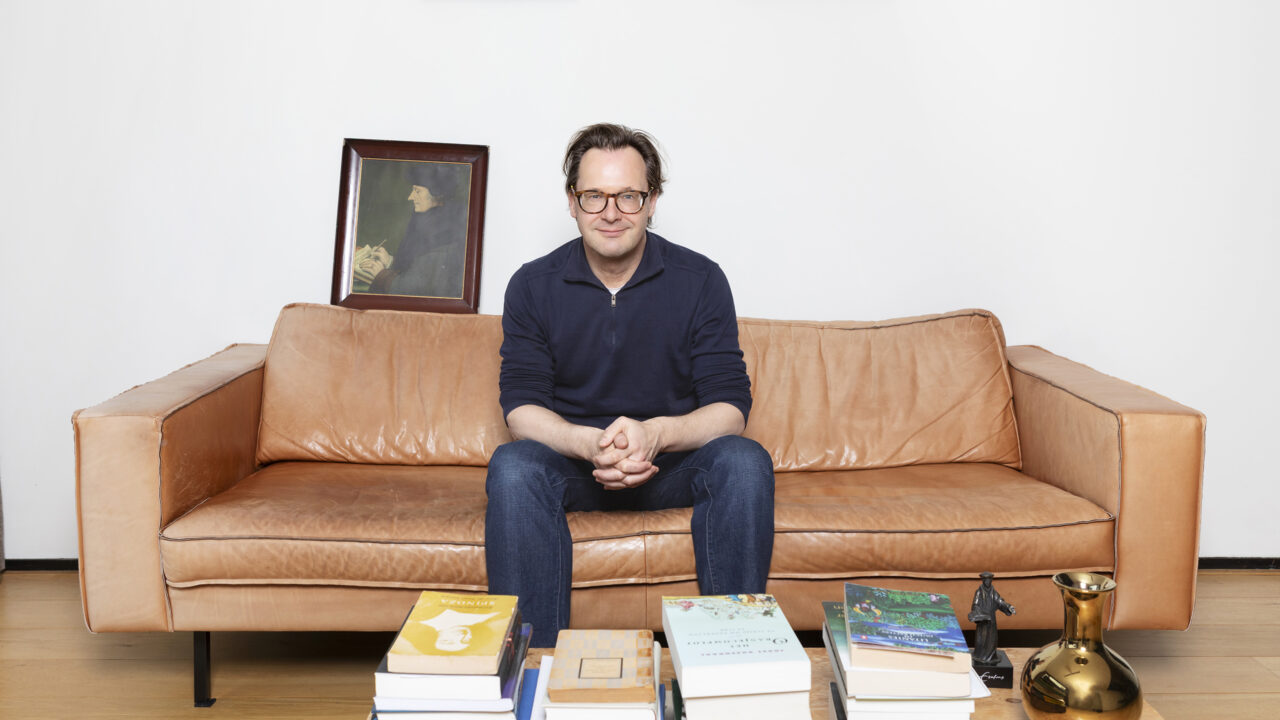
One of the winners, Fred Ramsdell, is currently unaware of his win as he is off-the-grid hiking in Idaho.
Image by: Fred Ramsdell
The winners of the 2025 Nobel Prize for Medicine are Americans Mary Brunkow and Fred Ramsdell, and Japanese scientist Shimon Sakaguchi. They discovered ‘regulatory’ T cells, which help the immune system keep itself in check.
The three researchers share the prize of 11 million Swedish kronor, the equivalent of 1 million euros.
Immune
The immune system is designed to fight pathogens, viruses and bacteria that invade the body. It is a complex system that must avoid damaging the body itself.
T cells act as the body’s soldiers. Within this army, the newly discovered type of T cell plays a key role: they regulate the strength of the immune response, thereby protecting the body. When this goes wrong, it can lead to autoimmune diseases such as diabetes, rheumatoid arthritis and Crohn’s disease.
In 1995, Sakaguchi discovered these regulatory T cells, a breakthrough that would lead to entirely new insights into the immune system. Initially, the discovery was met with scepticism, according to the Nobel Prize committee.
Six years later, Brunkow and Ramsdell discovered a gene responsible for a particular autoimmune disease in mice. Sakaguchi was able to link this second discovery to the regulatory T cells.
The laureates’ insights could lead to new treatments for autoimmune diseases. Dozens of studies into related drugs are already under way. The cells also play a role in the fight against cancer.
Dutch winners
Only two Dutch scientists have ever won the Nobel Prize for ‘physiology or medicine’. The first was Christiaan Eijkman in 1929, for his research into vitamins. In 1973, Niko Tinbergen received the prize for his research on the behaviour of social animals such as bees and birds.
Read more
-
‘Nobel Prize’ for economy to EUR alumnus
Gepubliceerd op:-
Science
-
De redactie
Latest news
-
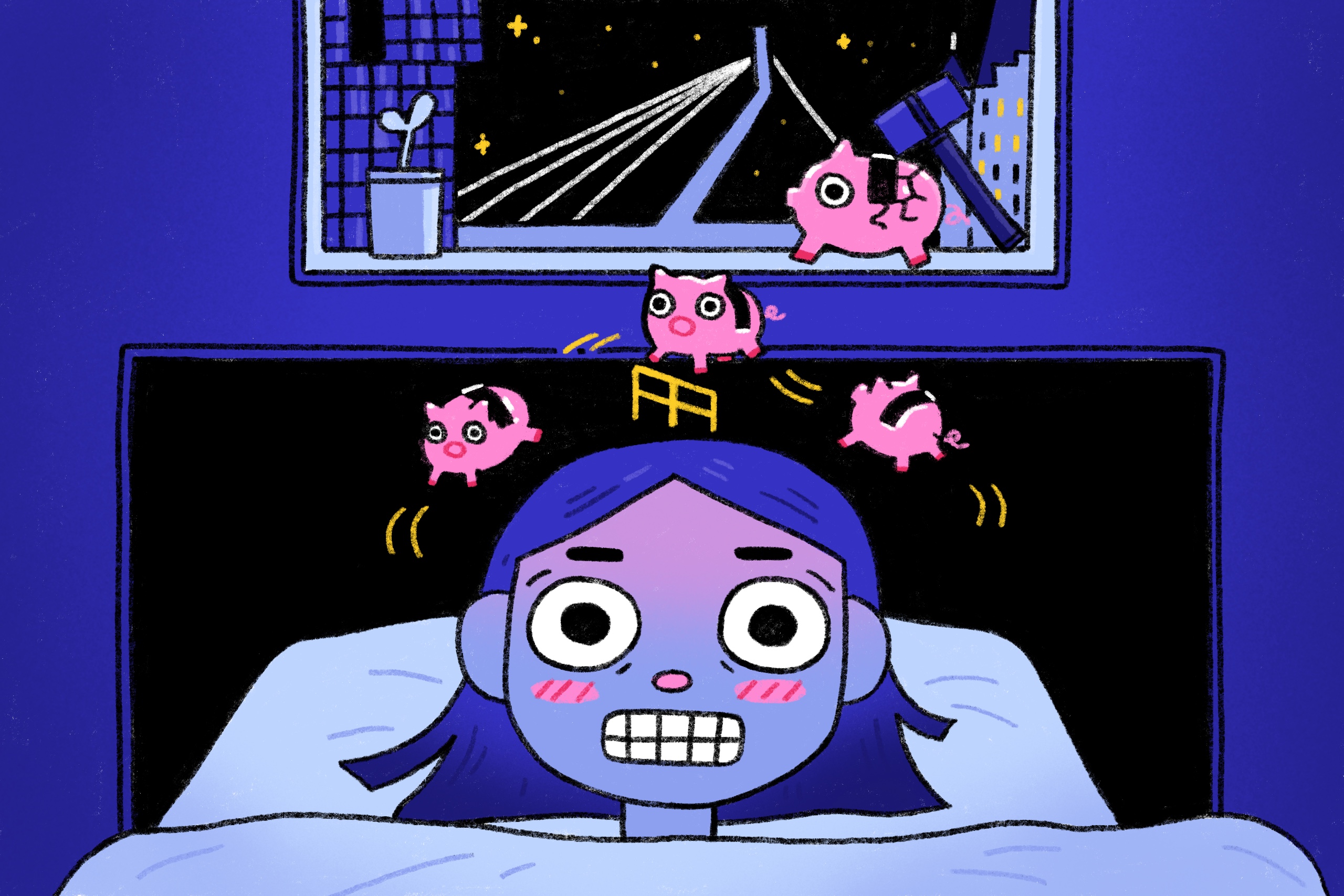
Minister scraps ‘interest cap’ for students: plan much more expensive than expected
Gepubliceerd op:-
Money
-
-
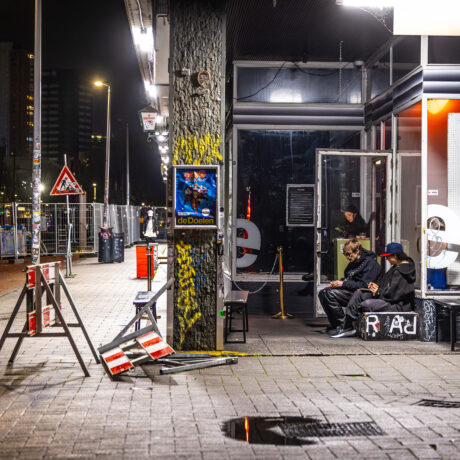
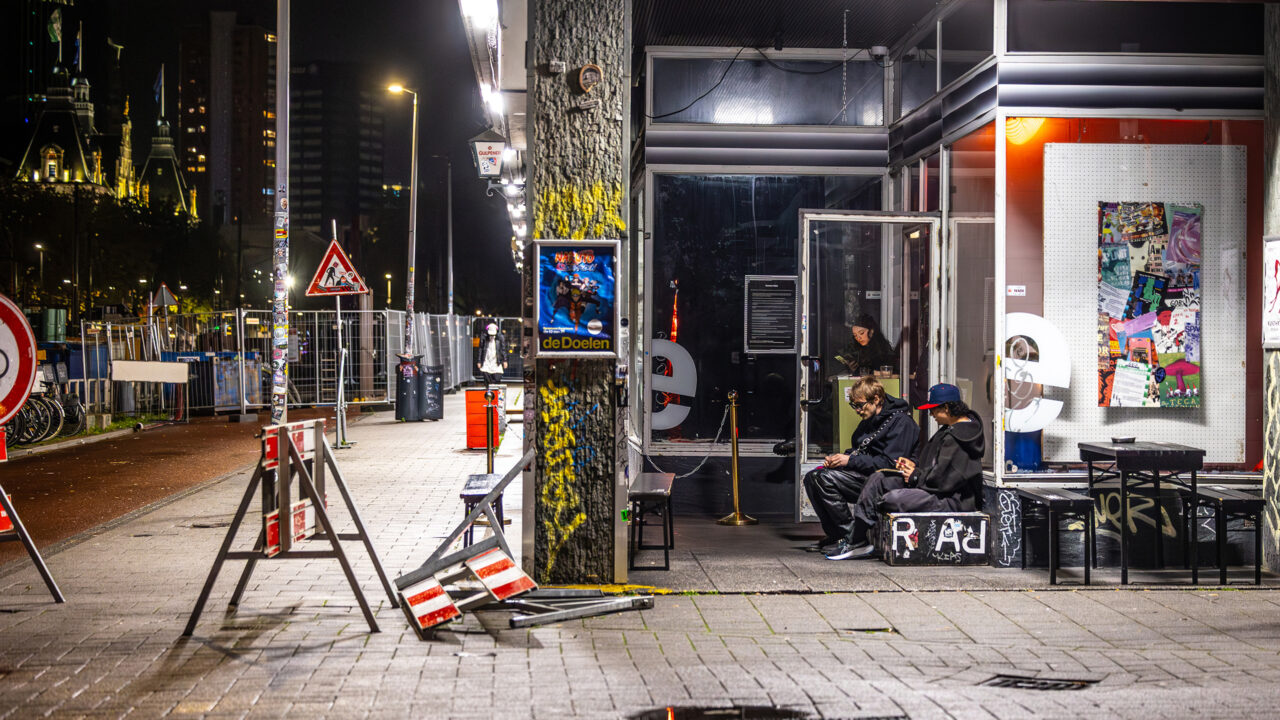
Clubs closing, expensive drinks and dancing with a matcha. How Rotterdam’s nightlife is changing
Gepubliceerd op:-
Culture
-
-
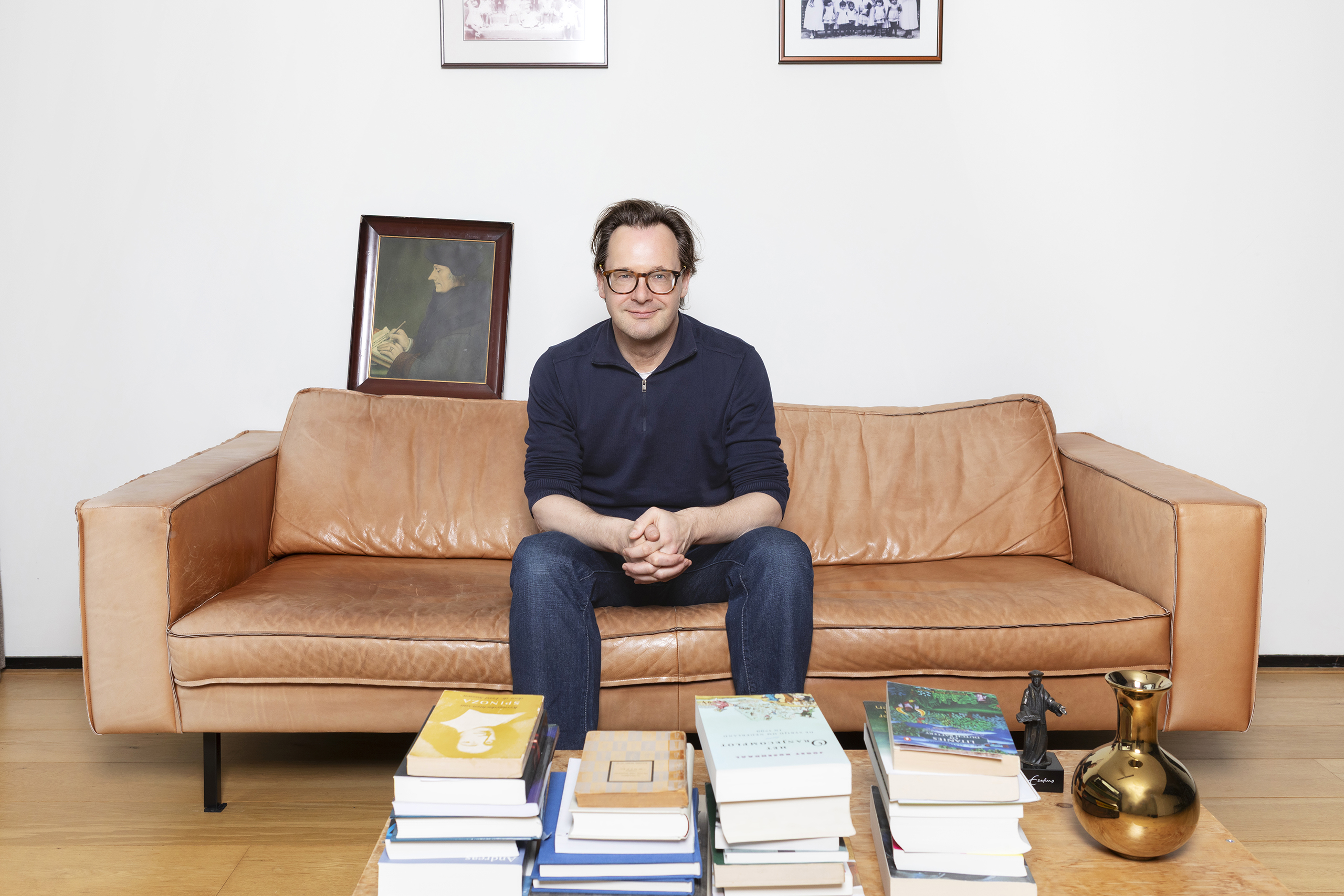
Powerhouses are like shoulder pads
Gepubliceerd op:-
Column
-
Comments
Comments are closed.
Ad
Read more in Science
-
Seven EUR scientists receive a Vidi grant
Gepubliceerd op:-
Science
-
-

New code of conduct for science emphasises ‘distinctiveness and autonomy’
Gepubliceerd op:-
Science
-
-

Hate campaigns and political pressure: KNAW wants legal protection for academic freedom
Gepubliceerd op:-
Science
-