Ad

ROOM has no clear impact on the long term: ‘A mental health app is not the solution for everyone’

For a year the app ROOM to grow has been available to all students at Erasmus University who are looking for a helping hand for their mental health. Tajda Laure recently completed her PhD on the content and evaluation of the app. “Research into the development of the app never stops.”
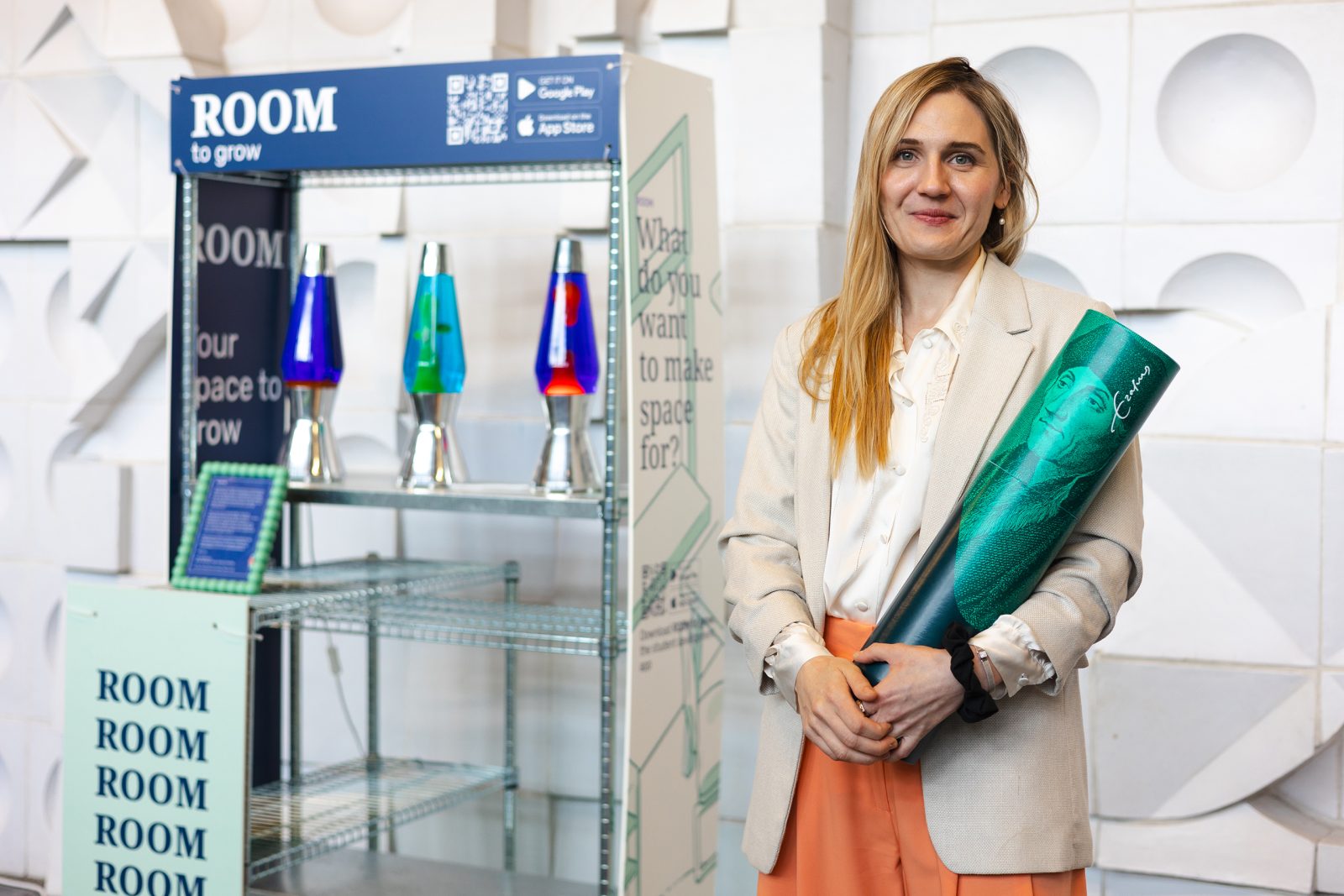
Tajda Laure was awarded her PhD last week for research into an app on mental health for students at Erasmus University.
Image by: Pien Düthmann
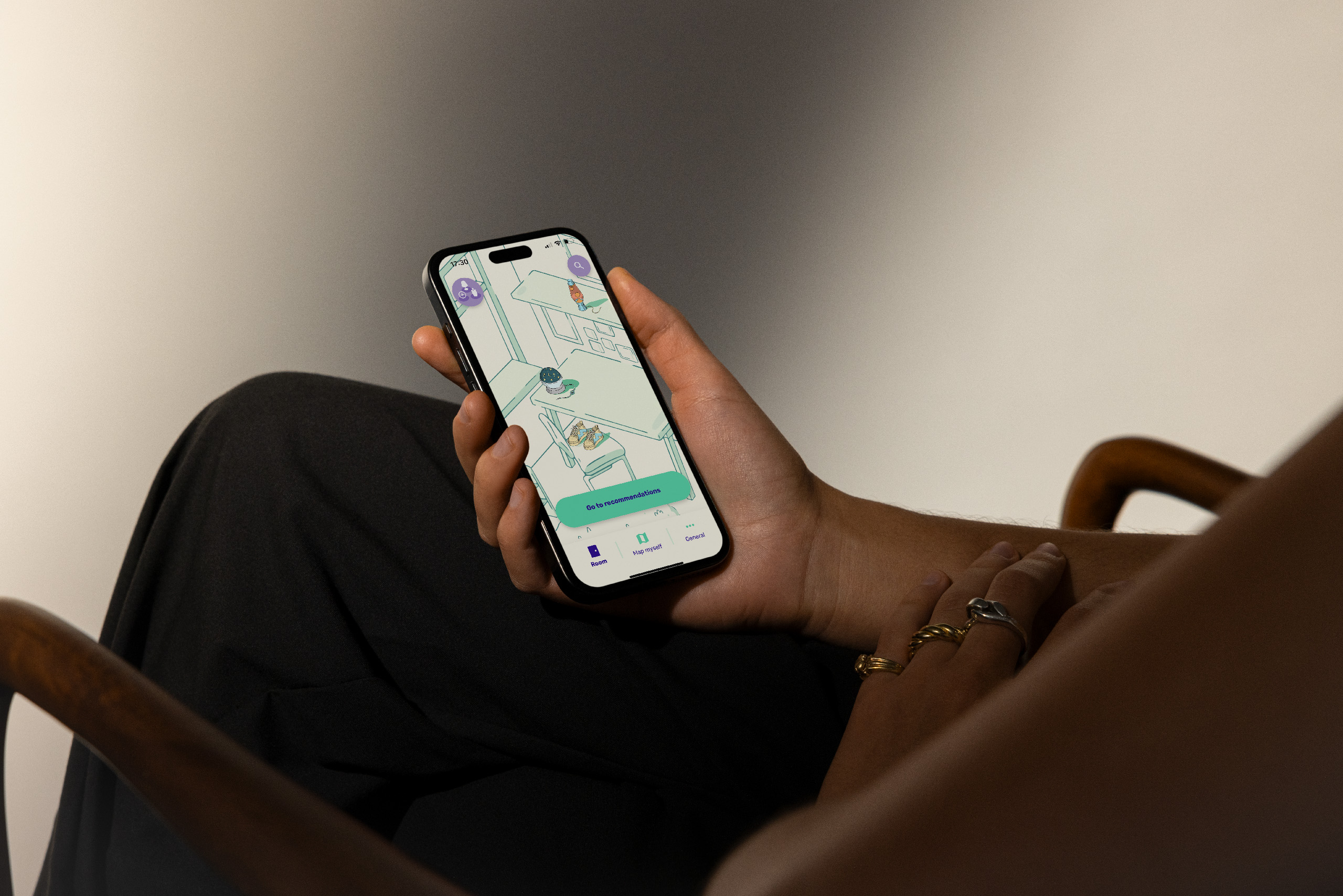
The app offers evidence-based exercises, based for example on cognitive behavioural therapy or acceptance and commitment therapy. From a virtual student room, students can do breathing exercises or identify their core values, tailored to situations familiar to students, such as exam stress or coping with feelings of loneliness.
When the app became available to everyone a year ago the expectations were high: users would already experience less stress and manage their emotions better after three weeks. Did it actually do that?
“Our research showed that students felt better immediately after doing an exercise. But after three months we saw no clear impact, although we did observe a difference between students who used the app a lot and those who used it moderately. In the first group, stress decreased, whereas the second felt more resilient but at the same time showed more symptoms of depression. We think that may be because students, through their new skills, became more aware of their stress. While these results show that effects of using the app vary between students, more and larger-scale research is needed to further clarify these differences.”
Five years ago, Tajda Laure began her research into ROOM. With her background in social and health psychology she was already interested in digital health interventions during her studies. For her PhD, she investigated how psychological interventions could be translated into an app and evaluated its effectiveness using feedback from students. Laure was awarded her PhD on Friday 26 September.
It sounds as if using the app often is better for mental health, but that also means more screen time. How do those relate?
“There were indeed concerns among students who felt much of their stress came from their smartphone. But the idea of the app is that students learn skills, such as recognising negative thoughts and practising self-compassion, that they can use outside the app. That can be through small action plans, for example: ‘Before I go to sleep, I think of three good things that happened today.’ This is an important difference from other mental health apps, which are often designed to keep your attention inside the app. That is not the goal of ROOM.”
Image by: Pien Düthmann
Do students also get better at applying self-compassion, for example, with longer use of the app?
“From my colleague’s PhD research we know that exercises such as the action plans are important: without such features users learn less quickly to apply their skills outside the app. Monitoring progress is also important; that keeps users engaged and therefore practising. Recently users have started to get insight into which exercises they have done and suggestions for which ones they could still try.”
What role can apps play in mental healthcare in your view?
“I personally think apps work best in combination with support from other people. ROOM does not stand on its own, it is part of the Student Wellbeing Programme. The app includes links to the different support options within that programme, such as student psychologists.
“That said, I am realistic: an app is not a solution for everyone. But I do think it can be very valuable for students who are quietly struggling and do not know what to do about it – or perhaps cannot afford professional help. ROOM is a low-threshold way to check in with yourself and to learn techniques to deal with emotions. And sometimes a small insight can already bring some relief. For instance, one student realised they were talking to themselves in a way they would never speak to a friend.”
Your research into ROOM continues. What do you want to gain more insight into?
“One of the things I want to focus more on is reaching men and other genders. About 80 percent of the group we studied consisted of women. That is to be expected in this type of study, but given that suicide rates are higher among men than among women, we cannot assume women simply have more psychological problems. I am also very concerned about the appeal of the manosphere to vulnerable young men – about the influence of digital channels that promote toxic masculinity . We know men are less likely to seek help, even via alternative routes such as apps. So I want to investigate how we can make ROOM attractive to men so they engage more with their mental health.
“Finally, it is important to collect more data. There is now an option in the app for users to indicate anonymously whether they want to contribute to research on the app. Based on that data we can further develop the exercises in the app and say more about what works and what does not. In that sense the research never stops.”
Read more
-
ROOM: Erasmus University’s new app to help reduce stress
Gepubliceerd op:-
Mental health
-
De redactie
-
 Arlette van den Berg
Freelance editor
Latest news
-

New code of conduct for science emphasises ‘distinctiveness and autonomy’
Gepubliceerd op:-
Science
-
-

Executive Board regularly uses AI for speeches and LinkedIn posts
Gepubliceerd op:-
Artificial Intelligence
-
Governance
-
-
TU Delft may not favour women in admissions to courses
Gepubliceerd op:-
Education
-

Comments
Comments are closed.
Ad
Read more in Science
-
New code of conduct for science emphasises ‘distinctiveness and autonomy’
Gepubliceerd op:-
Science
-
-

Hate campaigns and political pressure: KNAW wants legal protection for academic freedom
Gepubliceerd op:-
Science
-
-
Why Philip Hans Franses had students look in wallets at a DIY store
Gepubliceerd op:-
Eureka!
-