Ad

Smarter academic year? Don’t forget the support staff

In the ongoing experiments with a ‘smarter academic year’ in higher education, degree programmes must not lose sight of the supporting staff, according to an interim evaluation.
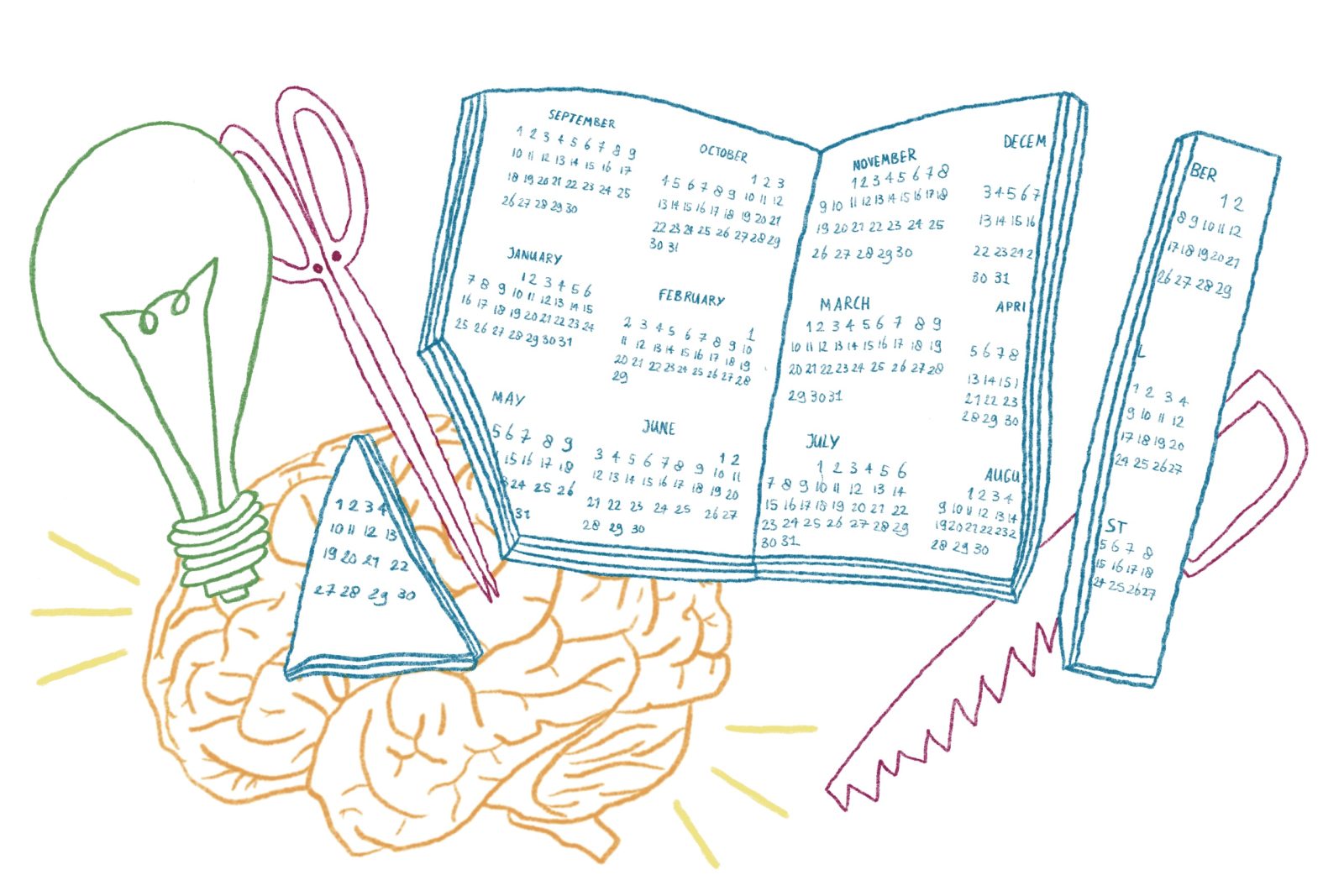
Image by: Sonja Schravesande
In an effort to reduce workload in academia, the Young Academy proposed a smarter design for the academic year – fewer teaching weeks, fewer resits, more lecture-free weeks – similar to systems in other countries.
The proposal was well received. The previous government allocated funding for experiments with this new academic year structure. Fifteen universities and one university of applied sciences (Hanze University of Applied Sciences Groningen) are taking part. Now outgoing minister Moes has submitted an interim evaluation to the House of Representatives.
Rest and space?
“Many pilots mainly focus on providing rest and space for students and lecturers, and less or not at all for the supporting staff,” the evaluation states. Yet some interventions could affect the workload of the support staff as well. One of the recommendations is: take this into account.
Of the 47 pilots (and sub-pilots), twelve did not mention support staff in their plans. “Support staff are also less likely to be asked about their experiences with the interventions,” the researchers note – even though they may be impacted. Consider, for instance, the logistics of exams.
Doing less
One conclusion is hardly surprising: “If the Dutch academic year is shortened, further intensification seems barely possible. A shorter academic year will therefore probably mean that the curriculum content will have to be reduced.”
In this case, ‘smarter’ means doing less. Or, to put it more carefully: reducing overlap between different subjects. Lecturers often have little insight into what their colleagues are teaching, the evaluation notes.
It also appears “that the pilot has led to a much quieter summer period for students, that students appreciate the week reserved for resits, and that students, lecturers and support staff are unanimously pleased with the shorter academic year and the longer, uninterrupted summer holiday”.
Naturally, scheduling issues do crop up. Are there enough rooms available? Can lecturers still work across two programmes? That mainly seems to be a matter of coordination.
Fewer resits
Another idea is to reduce the number of resits. For example: you get one exam and one resit, and if you fail both, you’ll have to try again next year. This encourages students to do better on the first attempt and reduces the number of exams lecturers have to create and mark.
But every coin has two sides. “One point of concern is that international students and students with disabilities in particular experience less flexibility (and therefore more stress) because resits are only offered once a year.”
Less choice
A third option for degree programmes is more uniformity and fewer elective courses. “Greater uniformity in education reduces workload and administrative burden for the entire institution, but has the downside of limiting flexibility and opportunities for personalisation for students,” the researchers state. None of the programmes appear to have opted for this.
The participating programmes have all developed their own ideas and plans – for instance, the ‘masterpiece’ instead of a thesis for a master’s programme at Erasmus University Rotterdam. Thanks to a series of separate learning goals (instead of a thesis), the study load was easier to manage and students were less likely to face delays.
Lees meer
-
Shorter academic year is ‘not a magic wand to solve workload issues, but it will help’
Gepubliceerd op:-
Education
-
De redactie
Latest news
-

Minister scraps ‘interest cap’ for students: plan much more expensive than expected
Gepubliceerd op:-
Money
-
-
Clubs closing, expensive drinks and dancing with a matcha. How Rotterdam’s nightlife is changing
Gepubliceerd op:-
Culture
-
-
Powerhouses are like shoulder pads
Gepubliceerd op:-
Column
-
Comments
Comments are closed.
Ad
Read more in Education
-

TU Delft may not favour women in admissions to courses
Gepubliceerd op:-
Education
-
-

RTL: More than half of master’s theses contain AI-generated text
Gepubliceerd op:-
Artificial Intelligence
-
Education
-
-
Education pioneer Etienne Augé: ‘Technology should give us more time for people’
Gepubliceerd op:-
Education
-