Ad

Cabinet may for now continue with education cuts

Cuts to education and research? Put a hold on them now that the elections are approaching, said a large part of the House of Representatives. But the proposal was rejected.

Image by: Sonja Schravesande
“There appears to be a majority again for scrapping education cuts”, said D66 leader Rob Jetten on Thursday to prime minister Dick Schoof during day two of the general political debate.
Jetten was referring to the election on Wednesday 29 October. The new House of Representatives may adopt a different course on education and research. For that reason the cabinet should not take any ‘irreversible steps’, he said, until the House of Representatives has discussed the OCW budget.
Because things are already going wrong, Jetten fears. He mentioned cancer research that is being ‘scaled back’ and courses in the ‘region’ that are in danger of disappearing. According to him, cuts to education and innovation put the ‘earning capacity’ of Dutch industry under pressure.
Irreversible steps
Schoof kept his distance. After all, he does not control the planning of the House of Representatives, so he did not know when the budget would be discussed. In the end Jetten, together with Joost Eerdmans (JA21), submitted a motion asking the government not to take any ‘irreversible steps’. In other words: the ministry should not pre-empt a budget that might still be changed.
This motion was backed by a large number of parties: SP, GroenLinks-PvdA, PvdD, Denk, Volt, D66, NSC, ChristenUnie, JA21 and FvD. But together they do not have a majority. The motion was narrowly defeated by governing parties VVD and BBB with support from PVV, SGP and CDA.
The opposition keeps trying. GroenLinks-PvdA has already submitted an amendment to the OCW budget that would reverse the cuts. As the House of Representatives stands now, that amendment has no chance, but after the election it might – and only then will it be voted on.
Another motion on Thursday evening that affected students and higher education was about housing benefit. The proposal was that you should also be eligible for it for student housing. This also failed. Students can usually already claim housing benefit for independent accommodation.
Lees meer
-
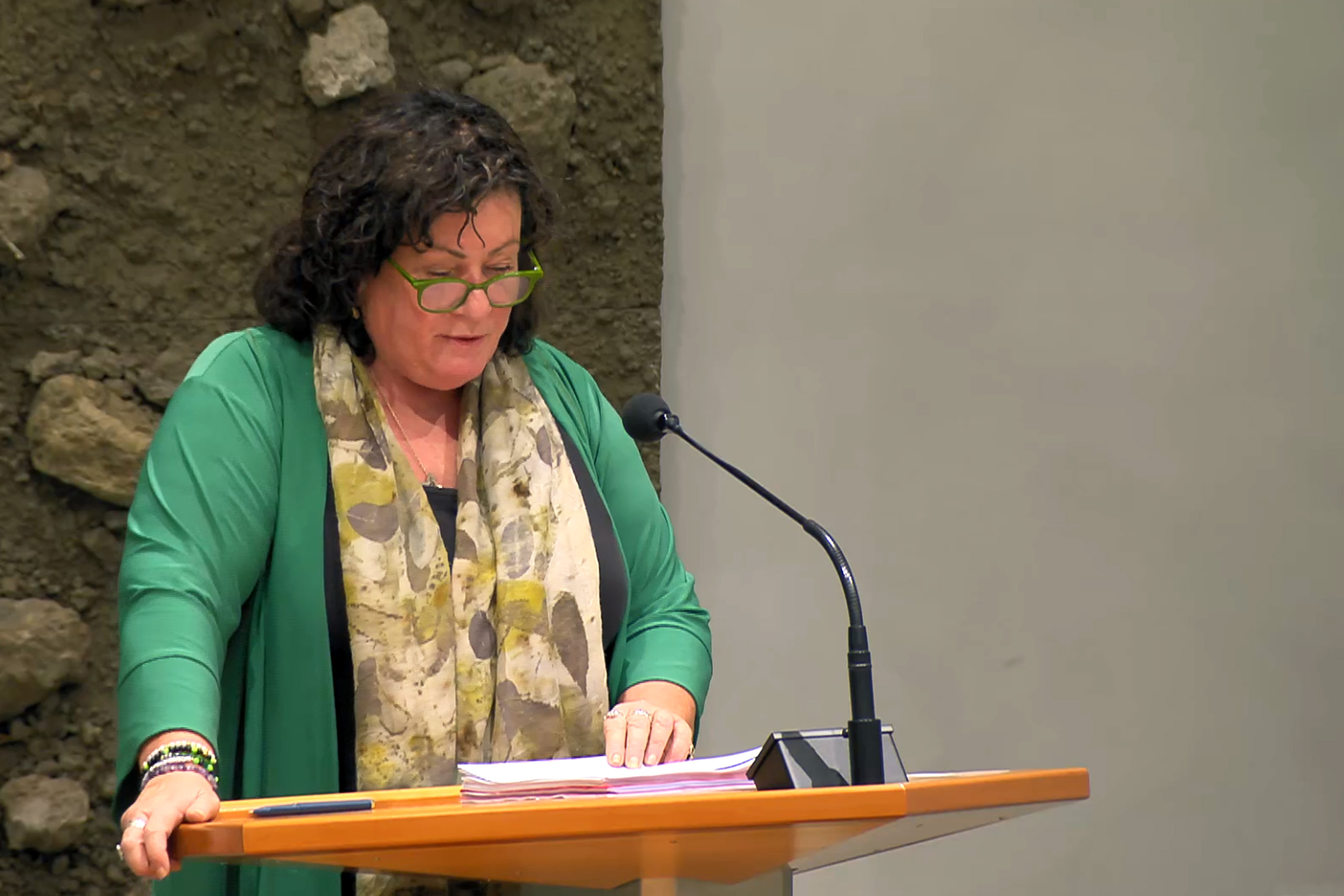
D66 and BBB clash over slow-progress penalty during General Political Reflections
Gepubliceerd op:-
Politics
-
Activism
In the debate Schoof and ChristenUnie leader Mirjam Bikker also sparred over activism at universities. Bikker: “If a Jewish student no longer dares to attend class, if a minister can no longer give a speech, if a professor no longer dares to be on a party’s electoral list, then we are on the fast track to unfreedom rather than to an incubator of freedom, which an academy ought to be.”
Schoof could only agree with that. “No one should feel unsafe in this country. That applies to people with a Jewish background, but it also applies to people with an Islamic background, or any background whatsoever.”
FvD proposed designating Antifa (a loosely organised network of antifascist activists) as a terrorist organisation, as the Trump administration in the United States also did. Antifa was said to disrupt meetings, intimidate students and journalists, threaten politicians and use violence.
Schoof discouraged the proposal (“That is for the courts”), but enough parties on the right of the political spectrum thought it a good idea: SGP, the VVD, BBB, JA21, FVD and the PVV voted in favour.
Lees meer
-
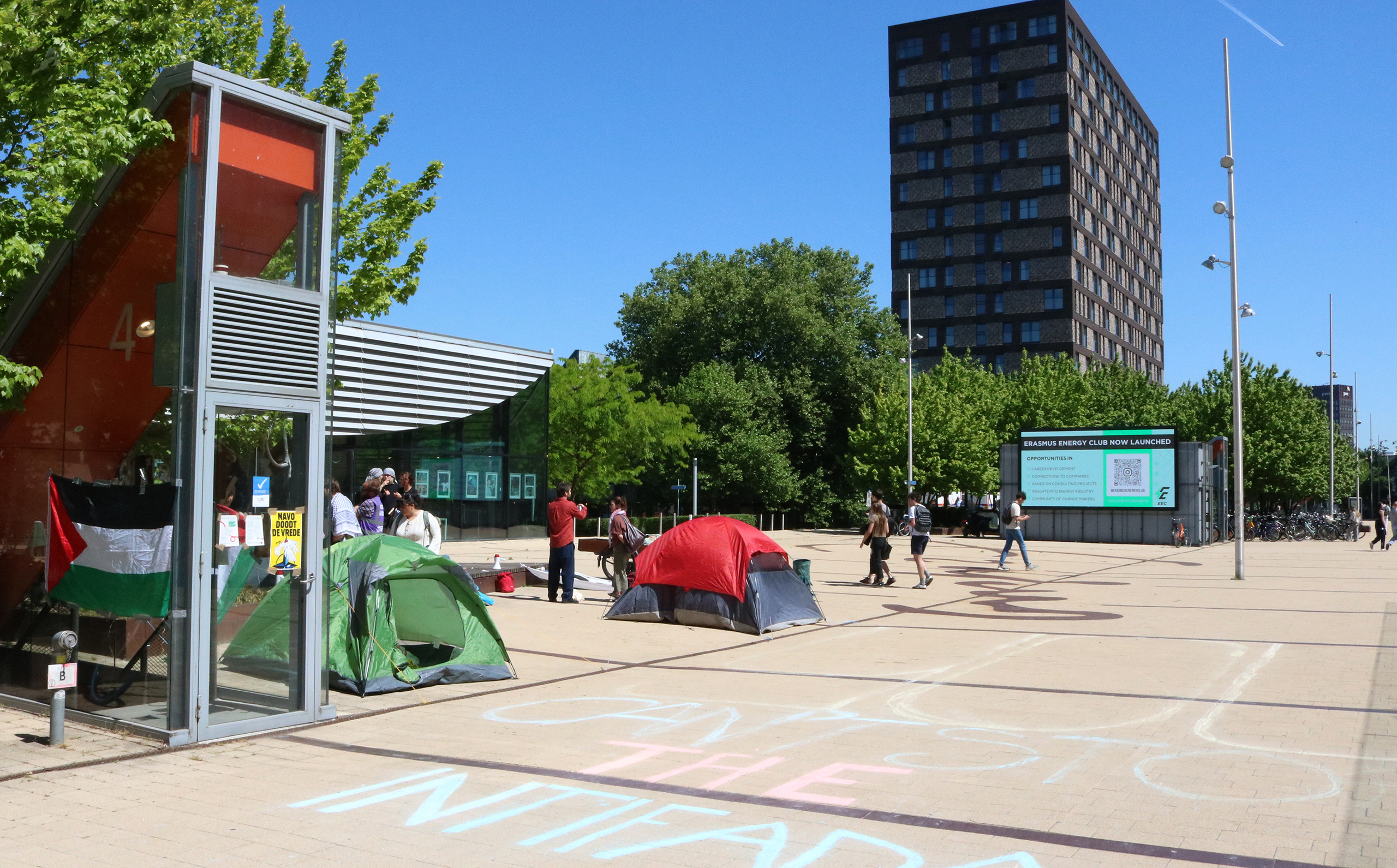
Occupy protest at Erasmus Plaza against the war in Gaza, fossil ties, student debt and more
Gepubliceerd op:-
Protest
-
De redactie
Latest news
-
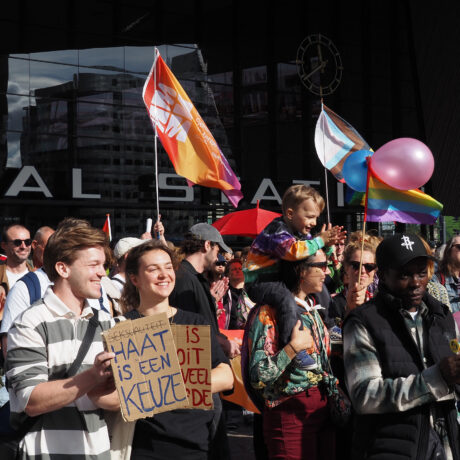
Students and staff join the Pride March: ‘We must stand up for this community’
Gepubliceerd op:-
Diversity
-
-

EM TV newsflash: Too many internationals, too many information platforms and more collaboration with the military
Gepubliceerd op:Article type: Video-
EM TV
-
-

18-year-old student dies after ‘hazing party’ in France
Gepubliceerd op:-
Student life
-


Comments
Comments are closed.
Ad
Read more in Politics
-
After a second compensation payment, that must be it for students who missed out
Gepubliceerd op:-
Money
-
Politics
-
-
Far-right extremists use campuses to normalise their ideas
Gepubliceerd op:-
Politics
-
-

Prime minister Jetten sees potential for AI to improve education
Gepubliceerd op:-
Artificial Intelligence
-
Politics
-