Ad

Purchasing power increase not enough, students say
Students will see a 1 percent increase in purchasing power next year. But student organisations say it’s not enough, last year’s decline has by no means been made up.
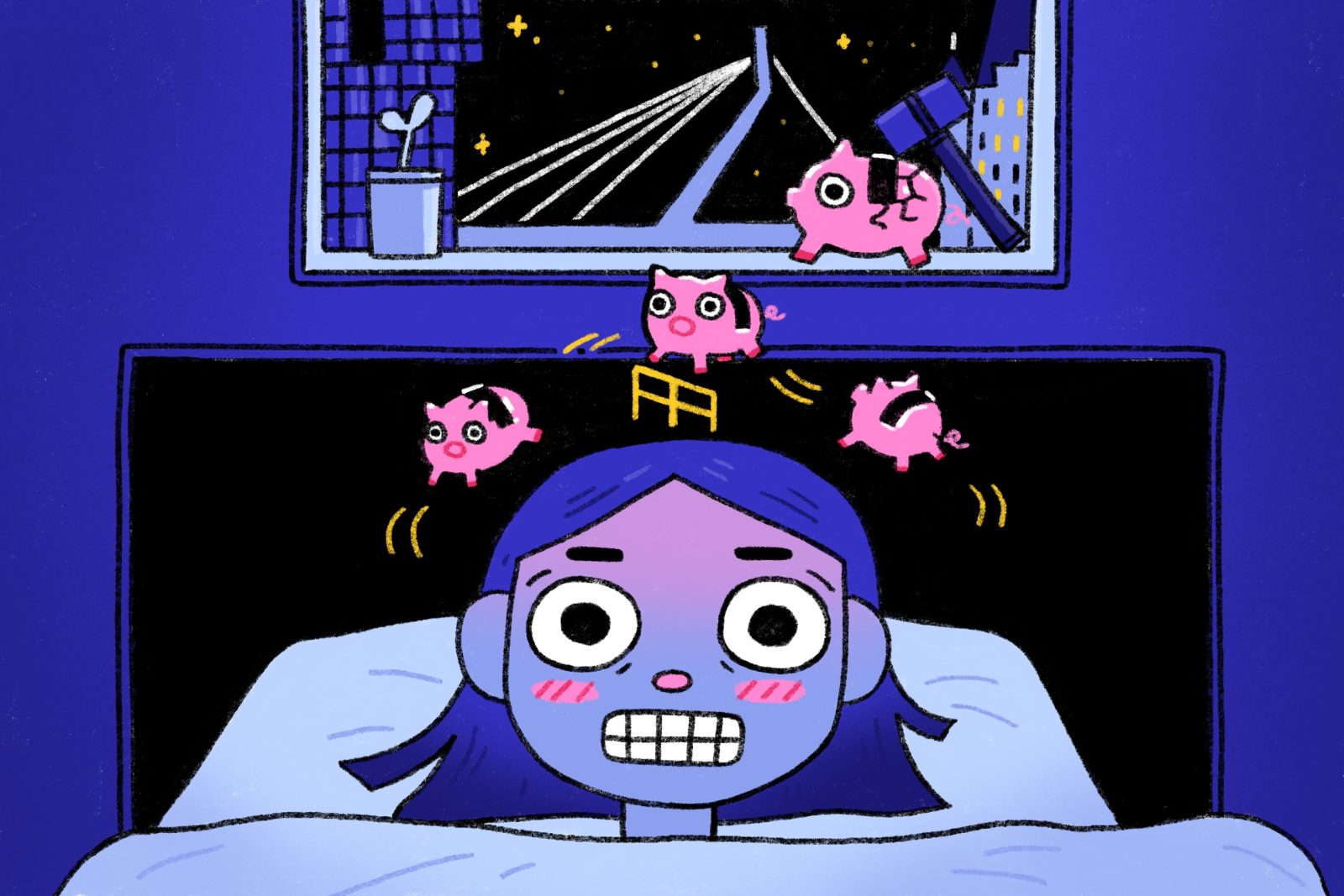
Image by: Femke Legué
Due to sharply rising wages and previously implemented measures, all population groups will have more spending power next year, according to the outgoing cabinet. On average, it will amount to a 1.3 percent increase.
The Nibud maps purchasing power for different types of households. Since last year, it has done this for students too, precisely because the differences turned out to be so significant: while the average Dutch citizen gained purchasing power in 2025, students lost out considerably.
Nibud has published another report this year. “We see that most households will experience an improvement in purchasing power”, says Jasja Bos of Nibud. Because: “Wages are expected to rise faster than prices.”
Part-time job
Students will see a 1 percent increase next year – lower than the average. “Most students only earn a small part of their income from a part-time job or paid internship”, Bos explains. “That means their purchasing power increases less. They rely on student finance, and that is not rising as quickly.”
“This 1 percent increase is not enough to allow students to study without financial stress”, says Sarah Evink, chair of the Dutch National Student Association (ISO). “Last year, student purchasing power dropped by 6.6 percent. So the situation for students still hasn’t been corrected.”
Support
Maaike Krom, chair of the Dutch Student Union (LSVb), agrees: “Once again, students are gaining the least, even though this group is already struggling. They spend about half of their income on rent, so this is really not enough.”
“What’s more, this calculation assumes that students will borrow more and receive money from their parents”, Krom stresses. “But in reality, that just means students end up with more debt. And not everyone has parents who can step in to help.”
Housing benefit
That said, there is a group of students who will see a significant gain in 2026: those under 21 renting self-contained accommodation (such as studios). This is due to new rules on housing benefit. At present, this group can only receive benefit if their rent is below 477 euros, but from 2026 they will be eligible at a higher rent. As a result, their purchasing power will increase by 19 percent. Nibud cannot say how large this group is.
Lees meer
-

Education must absorb part of inflation costs itself
Gepubliceerd op:-
Politics
-
De redactie
Latest news
-

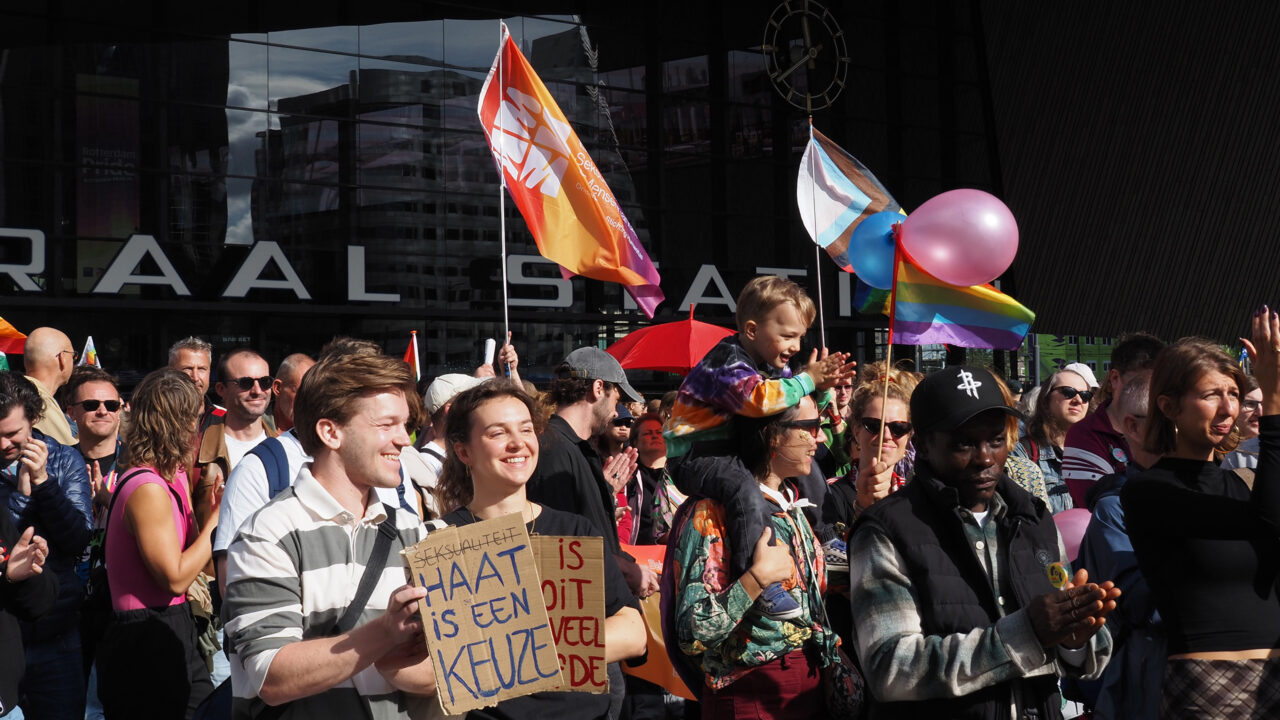
Students and staff join the Pride March: ‘We must stand up for this community’
Gepubliceerd op:-
Diversity
-
-

EM TV newsflash: Too many internationals, too many information platforms and more collaboration with the military
Gepubliceerd op:Article type: Video-
EM TV
-
-

18-year-old student dies after ‘hazing party’ in France
Gepubliceerd op:-
Student life
-


Comments
Comments are closed.
Ad
Read more in Student life
-
18-year-old student dies after ‘hazing party’ in France
Gepubliceerd op:-
Student life
-
-

Jasper has lost his carefree outlook since the attack on Erasmus MC, but the experience will make him a better doctor
Gepubliceerd op:-
Mental health
-
-
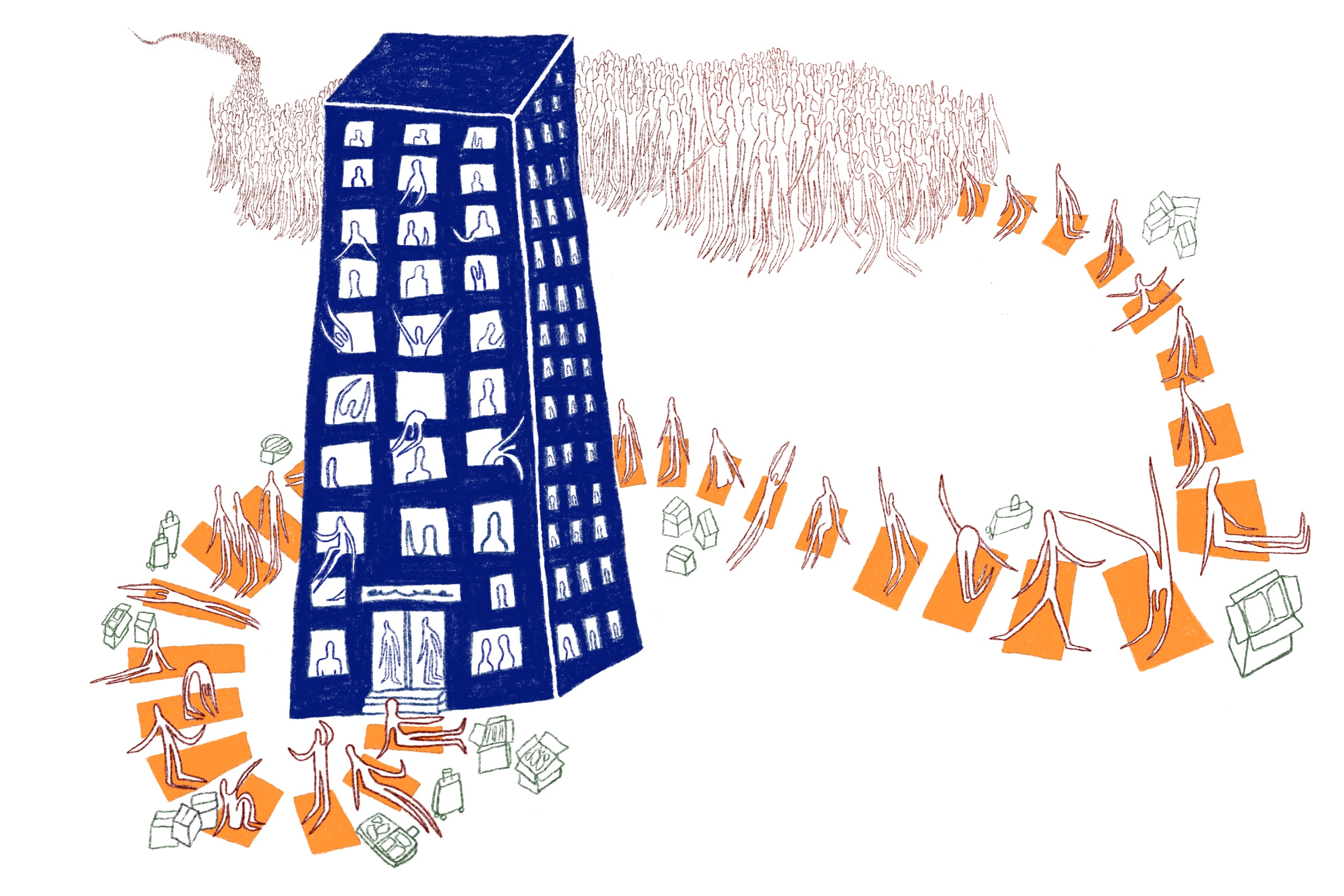
Government sets aside millions extra for student accommodation construction
Gepubliceerd op:-
Housing
-