Ad

How to handle your money and similar hassles more healthily

Whether you have to work hard for it, or your parents can pass plenty on to you: being smart with money always helps. Do you want a money mindset? Are you a pro at girl math? Are you looking for someone with a trust fund, 6’5″, blue eyes? With these tips, you can avoid surviving on instant noodles in the last week of the month.

It takes some getting used to when you move into student housing and have to stand on your own two feet. But did you know that international students can sometimes also apply for student finance? That there is a student association for investing? And do you already know where you can get food and drinks cheaply?
Weekly expenses
Choosing your supermarket wisely saves money. “You can count on Dirk”, says supermarket Dirk in their commercials. Aldi and Lidl also claim to be the cheapest. A test by the tv programme Kassa shows that, indeed, you are best off doing your shopping at one of those three supermarkets. Jumbo, AH and Plus are quite a bit more expensive. Going to the market is also a good idea. Go, for example, at the end of the afternoon, when you can pick up a big bag of fruit and vegetables for very little.
Shopping smartly inside the store also makes a big difference. Shops are designed to make you spend money. The more expensive products are often placed at easy eye and grab level. Fruit and vegetables are the first things you see when you walk in. Your subconscious then thinks: look at me being responsible with this basket of healthy stuff. As you head to the till, you suddenly find yourself in the unhealthy corner, and your brain tells you it’s fine to toss something unhealthy into your basket because you’ve already picked up so much healthy food. What also helps: making lists, doing your shopping once a week for the whole week, and not going to the supermarket when you’re hungry.
Read more
-

How to cycle safely in the big city
Gepubliceerd op:-
Student life
-
Cheap eats
Shocker: cooking at home is (if you think wisely, pay attention, and do the maths in the store) really much cheaper (and healthier!) than takeout or dining out. That said, going out for a bite is certainly more fun sometimes. But where should you go? You need to know how to find the hidden gems.
Casual eateries like Café Bergpolder in the Bergpolder neighbourhood are cozy and affordable. You can find such spots throughout the city. ‘t Eethuisje Van Delfshaven is a well-known example, and in the city center you can go to Bazar (Witte de With) or Pho (Kruiskade). Don’t just pick your location, choose the day wisely too. At Stalles (Nieuwe Binnenweg), classic pizzas cost 7.50 euros on Mondays.
Craving something tasty? Whether it’s good bread, groceries, or sweet treats, download Too Good To Go. Through this app you can score discounted groceries, treats, and other leftover food from that day.
Looking for a cheap drink? Then head to campus pub In de Smitse. Beers cost under three euros and where else can you find that? Nowhere, except at the Smitse.
Uncle Duo
The 24th of every the month will be a party. That’s when ‘Uncle Duo’ (the study finance bureau) deposits the student grants, or ‘stufi’ as the Dutch call it. This is a loan at first. If you complete your studies within ten years, the amount is converted into a grant. The optional supplementary loan remains a loan.
When are you entitled to student finance? If you are studying in the Netherlands, are thirty years old or younger, and are enrolled in a recognized programme of at least one year at an accredited university. People with a Dutch passport or most residence permits are automatically entitled to this student finance. For residence permit type 1, you must first go through certain steps to see if it applies to you.
International students must meet additional requirements. Students from the European Union, the European Economic Area (EEA), Switzerland, and the United Kingdom may be eligible for student finance under certain conditions.
Students from outside these economic zones don’t receive these benefits. They often need to apply for a residence permit or a study visa to study in the Netherlands. They also pay institutional tuition fees. For example, European bachelor’s students in Economics pay 2,601 euros per year, while students from outside the EEA pay 11,400 euros per year.
Read more
-
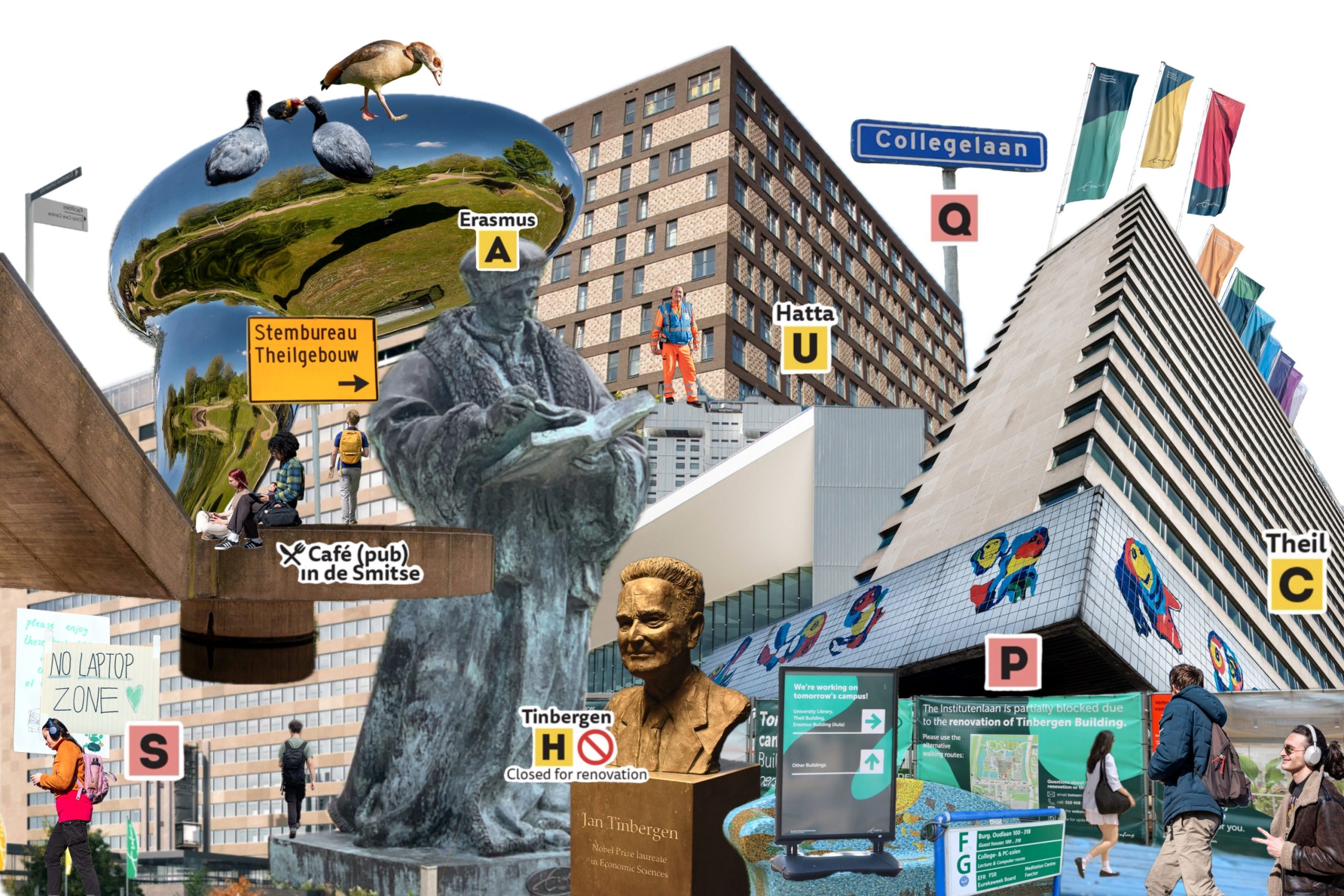
How to find your way on and round the university
Gepubliceerd op:-
Campus
-
Insured by an insurance company
In the Netherlands, you are required to have health insurance. You can switch providers annually, but this must be done before the end of the calendar year. You have an excess of 385 euros, which means you must pay this amount yourself before your expenses are reimbursed. A visit to the general practitioner is always free. Make sure to get this insurance. EU and EEA students can apply for a European Health Insurance Card.
In addition to your health insurance (yes, this is probably the most boring topic of all, but still so important) there are many others. Fire and theft, liability, legal expenses , travel. With many insurance policies, you could be covered under your parents’ insurance if they live in the Netherlands, but check if this is still possible when you move out. Also, be sure to see if you are entitled to healthcare allowance (chances are high, just like with housing allowance), which will refund part of your premium.
Read more
-

How to take care of your health during your student years
Gepubliceerd op:-
Student life
-
Getting started with investing
Of course, you could also put your student finance and loan into crypto or investments. Not that we recommend it, but some students try to secure their future that way. Just make sure to keep your hands off your student association’s funds.
Some people think of investing in all sorts of things except actual investing. Take the 2023 Barbie movie, for example. There’s a scene (SPOILER WARNING) where the Barbies are being debrainwashed. They start talking about topics that men can’t resist, as a distraction so the Barbies who haven’t been rescued yet can be saved. “I just have all my money in a savings account,” says Barbie. It works instantly. “That’s totally wrong!”, says Ken. “You need treasury funds, corporate funds, CDs.” When she reacts confusedly to the music CDs, the response is: “Oh, sweetheart, you are so cute when you’re confused, but no, not music CDs. CD stands for Certificate of Deposits.” Mission accomplished.
Do you want to avoid situations like this because you know everything about investing, or are you just curious? B&R Beurs is the student investment association at this university. There you can attend workshops, lectures, and certification courses, join investment groups, and also take part in events like the annual ski trip, poker tournaments, wine tastings, and social gatherings.
Affordable date
It can take a bit of searching, but if you’re looking for an affordable outing or date, you can find one in Rotterdam. Do a street art tour – this app is highly recommended. Or admire some of the city’s unique buildings, like the Markthal, the Kubuswoningen, the Witte Huis, and the Oude Haven. Go on a treasure hunt together with Geocaching; the app lets you search for all sorts of hidden ‘treasures’ in and around Rotterdam. Or prepare a picnic in one of Rotterdam’s parks.
Yes, all of this takes a bit more thought and planning than just grabbing a coffee. But making the effort is an important part of dating. It shows that you have backbone, not just a well-filled wallet.
Read more
-

Is the whole world your homeland? This is how Rotterdam becomes your home
Gepubliceerd op:-
Student life
-
Learning to budget
If, despite all these tips, you’re still eating your roommate’s leftovers at the end of the month, check out the Nibud website. There you’ll find all sorts of advice on creating a budget and gaining more insight into your spending. That way, you’ll immediately know whether you should start trading your craft beers for a crate of Holger from now on.
De redactie
-
 Tessa Hofland
Editor
Latest news
-
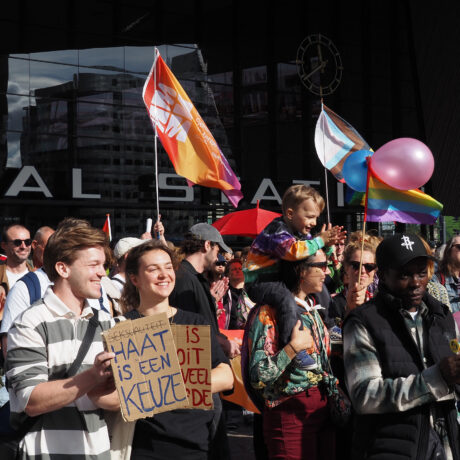
Students and staff join the Pride March: ‘We must stand up for this community’
Gepubliceerd op:-
Diversity
-
-

EM TV newsflash: Too many internationals, too many information platforms and more collaboration with the military
Gepubliceerd op:Article type: Video-
EM TV
-
-

18-year-old student dies after ‘hazing party’ in France
Gepubliceerd op:-
Student life
-


Comments
Comments are closed.
Ad
Read more in Student life
-
18-year-old student dies after ‘hazing party’ in France
Gepubliceerd op:-
Student life
-
-

Jasper has lost his carefree outlook since the attack on Erasmus MC, but the experience will make him a better doctor
Gepubliceerd op:-
Mental health
-
-
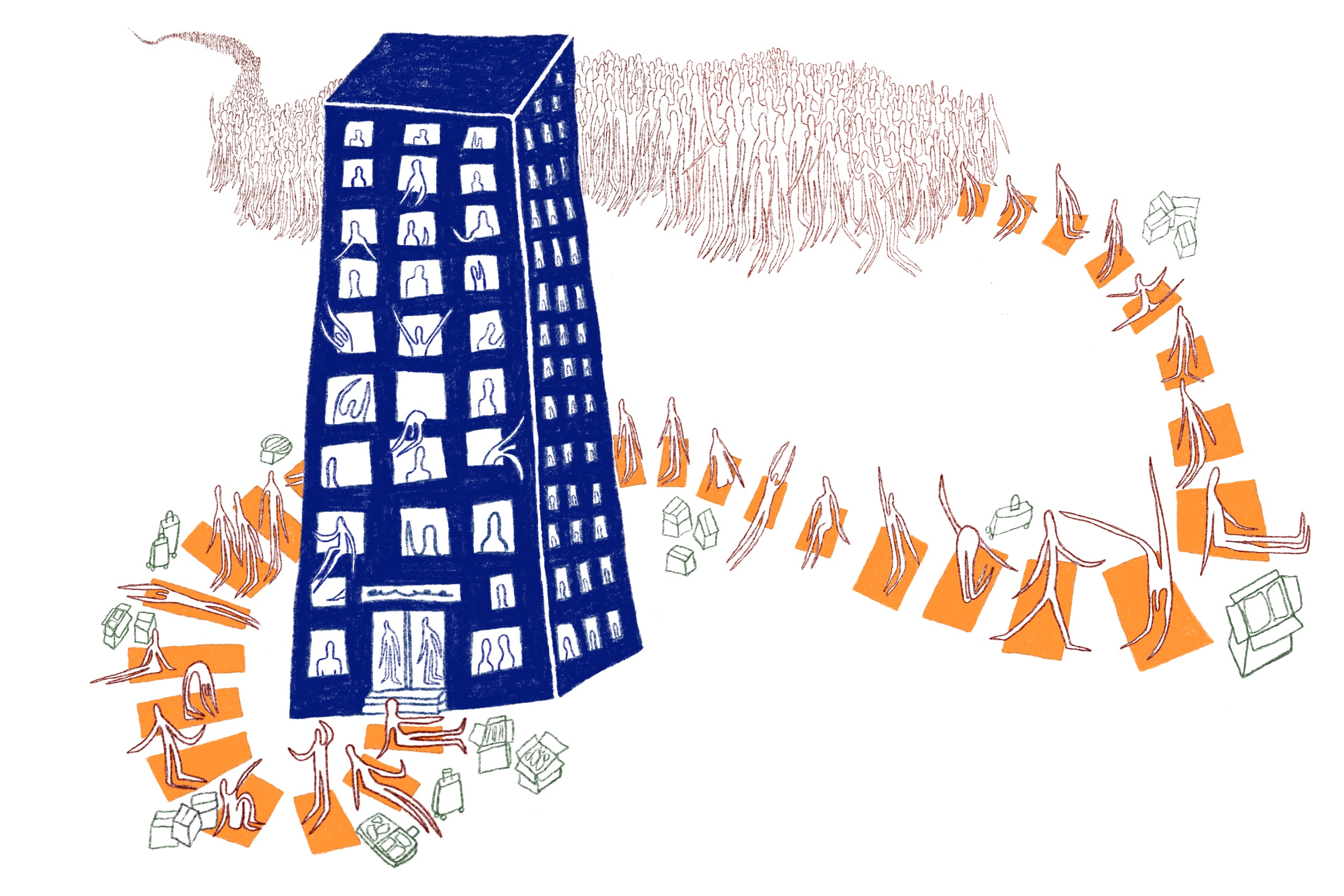
Government sets aside millions extra for student accommodation construction
Gepubliceerd op:-
Housing
-