Ad

STOK ceases operations, municipality continues to combat student nuisance in Kralingen

The Stop Overlast Kralingen foundation (STOK) will dissolve itself on 1 June. The current board of the neighbourhood group against student nuisance has been unable to find successors. Over the past four years, the organisation has actively tackled the nuisance and the subdivision of housing in Kralingen.
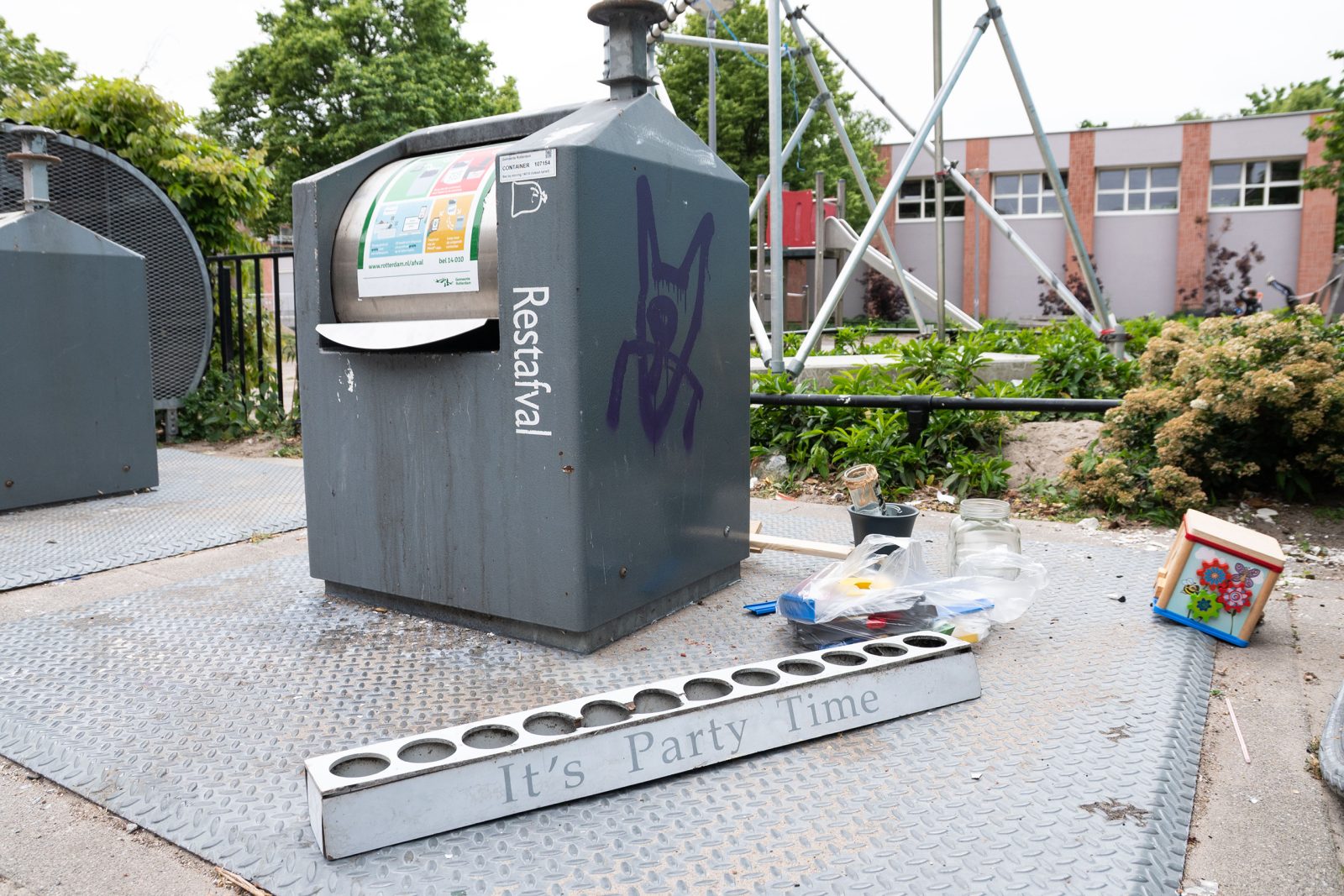
Litter scattered after a party in Kralingen.
Image by: Tyna Le
The residents’ initiative STOK has been working with the municipality since 2021 on an action plan to address student-related disturbances in the neighbourhood. Together, they organised meetings and consultation hours for residents and students. STOK also contributed ideas for various measures, including the so-called traffic light system for problematic student houses and stricter rules for room rental permits.
STOK played a valuable role, says district manager Joeri Viergever of the municipality of Rotterdam. “STOK raised the profile of the issues in Kralingen through powerful lobby at the city level. They did this through constructive talks with aldermen and within the city council.”
Read more
-
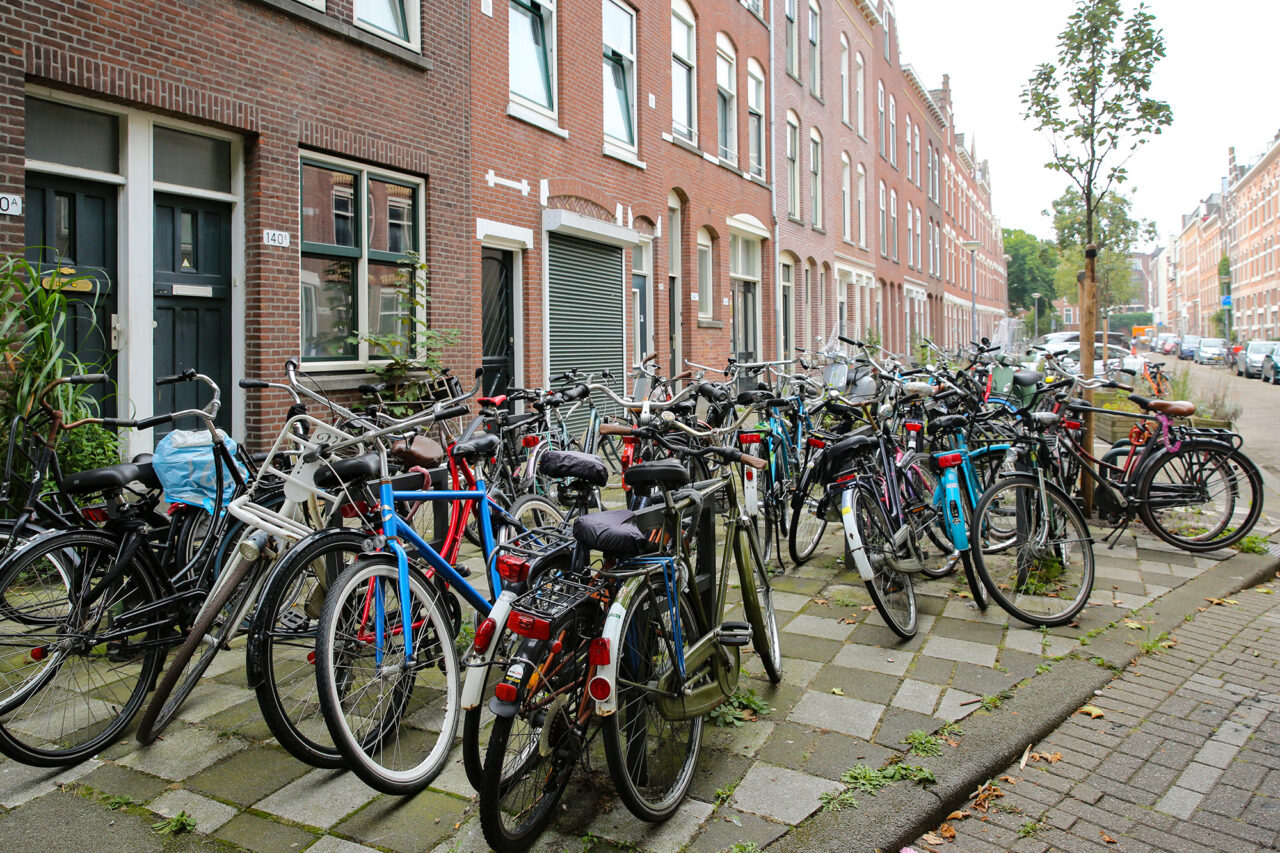
Consultation hour in Kralingen: ‘I don’t really like students anymore’
Gepubliceerd op:-
Student life
-
Launched during the pandemic
- Urinating in public, littering, anti-social behaviour and noise pollution: Kralingen residents are completely fed up with students
- Kralingen residents fed up with anti-social behaviour by students
- Kralingen residents complained about students 600 times last year
- Locals seek to stop students from causing inconvenience in Kralingen
- The municipality is going to punish Kralingse student houses in cases of structural disturbances
The organisation was founded in 2021 during the Covid-19 pandemic, when student nuisance in Kralingen reached a boiling point. “We started to experience problems with student houses around 2018”, says STOK chair Arthur ten Have. The number of students had been growing rapidly for several years, but student housing construction failed to keep pace. “Private investors and parents bought up properties in Kralingen and converted them into student houses, putting pressure on the neighbourhood’s liveability.”
Residents joined forces and established STOK. With over eighty volunteers, divided into working groups, the foundation focused on issues such as room rental permits, communication and nuisance reduction.
A natural end point
In 2022, the action plan was in jeopardy when the municipality considered relaxing the rules for room rentals. STOK opposed this move: they wrote letters and lobbied political parties. The proposed relaxation was eventually mostly reversed. As a result, Kralingen-West and Kralingen-Oost remain under a so-called zero quota, meaning no new room rental permits can be issued there.
Read more
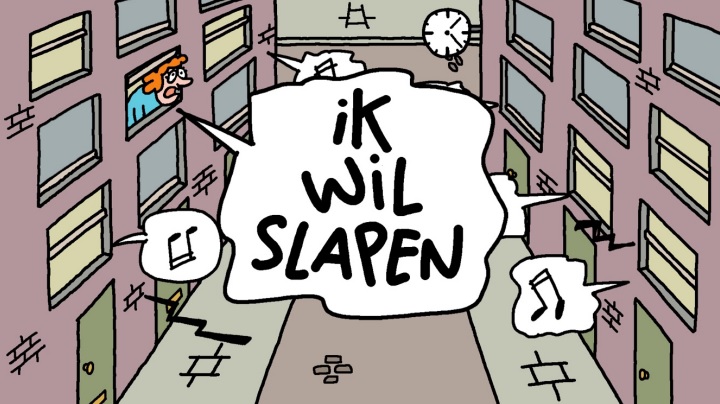
“That felt like a natural end point for us”, says Ten Have. “The threat of policy relaxation had been averted, nuisance in the neighbourhood has slightly decreased, and as a board we were at our limit. We also have jobs and other obligations.”
Finding a new board proved difficult. “This work takes a lot of time, and few people are willing to commit to that.” The foundation will cease operations, but a residents’ working group will continue. “There are still court cases ongoing concerning room rental permits. There’s a network of active residents, and the WhatsApp groups will stay active. If something flares up again, residents can respond quickly”, he says.
What now?
With STOK gone, the responsibility shifts back to the municipality, says Ten Have. Viergever states that the municipality will continue with the policies already in place. “Together with the Kralingen district council and the Kralingen-Oost residents’ association, the municipality will keep actively involving residents”, Viergever said. “This ensures continued community involvement.”
Read more
-

These students devised a solution for the nuisance in Kralingen
Gepubliceerd op:-
Student life
-
De redactie
-
 Feba Sukmana
Editor
Latest news
-

Students and staff join the Pride March: ‘We must stand up for this community’
Gepubliceerd op:-
Diversity
-
-

EM TV newsflash: Too many internationals, too many information platforms and more collaboration with the military
Gepubliceerd op:Article type: Video-
EM TV
-
-

18-year-old student dies after ‘hazing party’ in France
Gepubliceerd op:-
Student life
-



Comments
Comments are closed.
Ad
Read more in Housing
-

Government sets aside millions extra for student accommodation construction
Gepubliceerd op:-
Housing
-
-

Sam and his flatmate create an artwork for every house party
Gepubliceerd op:-
Housing
-
-
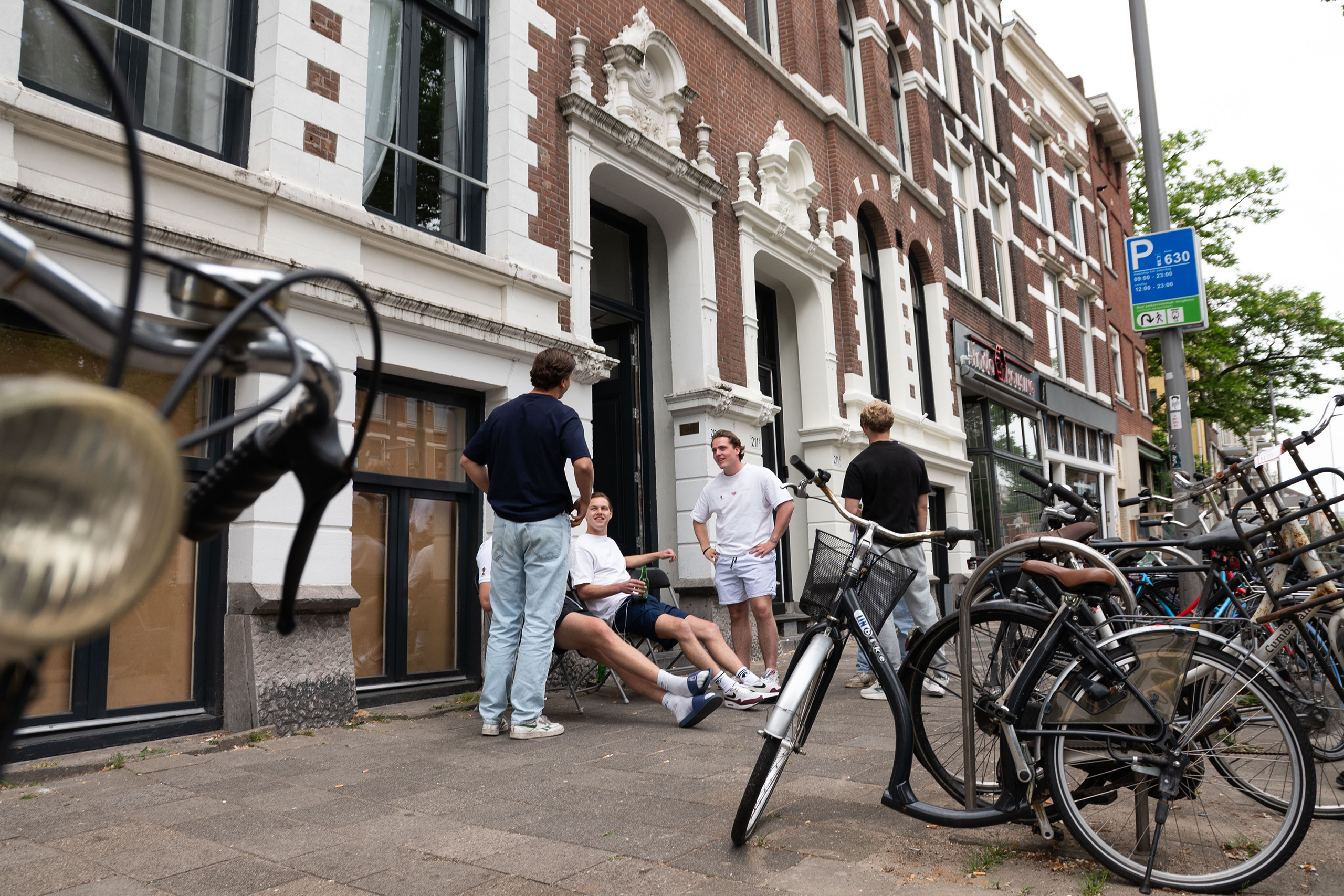
Still a shortage of 20 thousand student homes
Gepubliceerd op:-
Housing
-