Ad

Universities to researchers: beware of blackmail

Universities are telling their employees to beware of blackmail by foreign intelligence agencies. Not just at conferences in faraway foreign countries, but also here in the Netherlands.
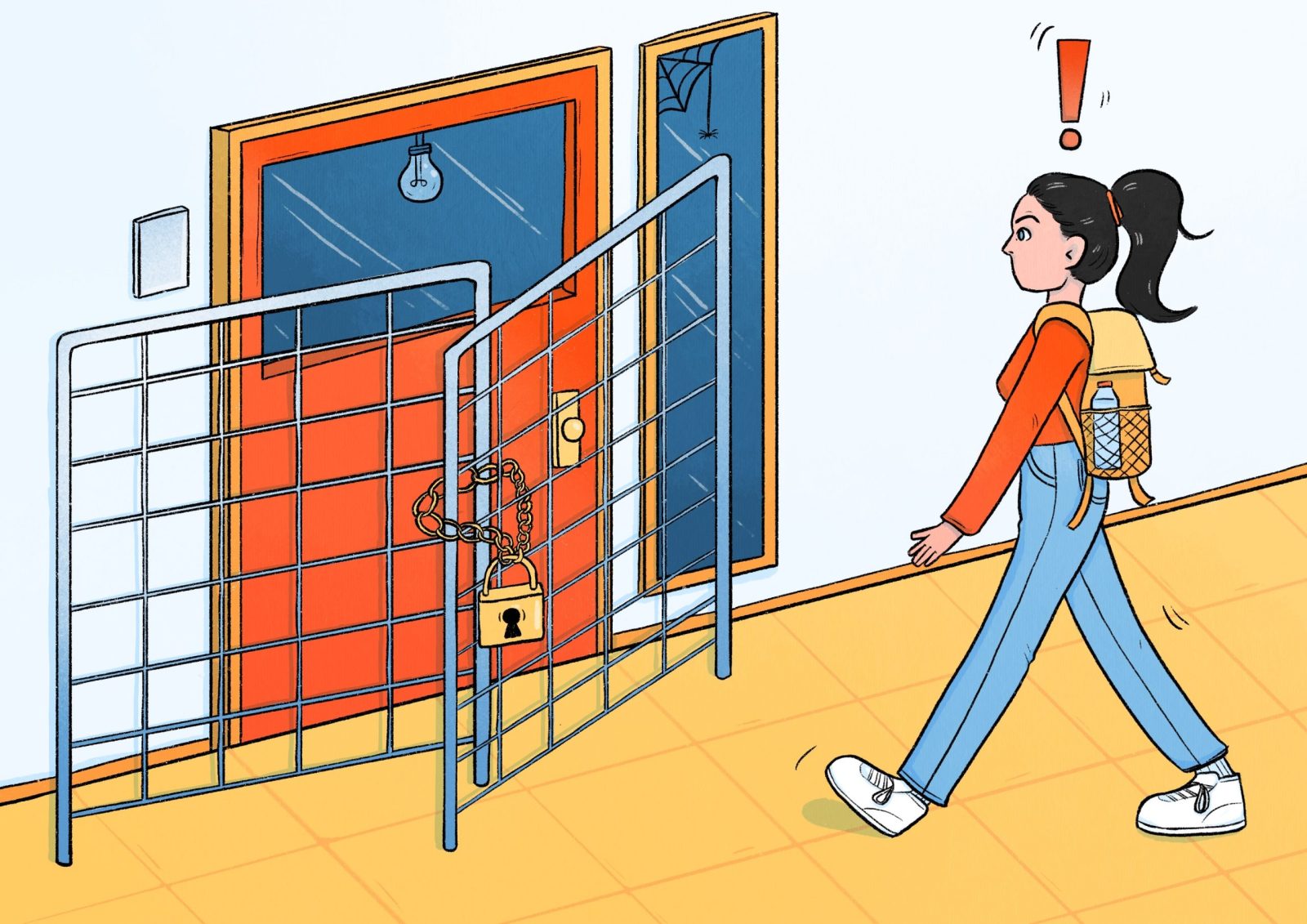
Image by: Femke Legué
Hostile intelligence services will stop at nothing in their hunt for sensitive information, experts tell NOS. This ranges from pressuring researchers into giving up information to outright extortion.
Anyone travelling abroad to attend a conference, for example, can be arrested on false drug charges. Or they might be involved in a road accident and then be blamed for it.
These kinds of things can happen here in the Netherlands too, which is why universities are now asking security advisers to educate researchers about these dangers. Their main advice: notify your employer as soon as you think you might be in trouble.
Screening
Knowledge security is a hot-button issue in academia and politics. The previous government’s plan to introduce a vetting process for researchers who want to work in sensitive fields is now being fleshed out by the current cabinet.
Every year, some 10,000 Master’s students and researchers will be screened. Because discrimination is prohibited, the government can’t exclusively target countries like China and North Korea – staff and students from the Netherlands and other European countries will have to jump through the same hoops.
Deciding which subject areas to screen is presenting a challenge: how do you make sure you don’t have to check everyone while still filtering out dangerous people? The Royal Netherlands Academy of Arts and Sciences (KNAW) and other organisations fear that the vetting criteria will be overly strict and that international cooperation will suffer.
Contact point
In 2022, the government launched the National Contact Point for Knowledge Security to answer questions from higher education institutions. So far, it has received over 150 questions a year. Meanwhile, universities have also set up their own knowledge security committees and introduced new procedures in an effort to mitigate risks.
The NOS investigation was prompted by the news that hundreds of international collaborations had been suspended owing to concerns about knowledge security. Since we don’t know whether people are being turned away – or admitted – rightly or wrongly, it’s difficult to judge whether these efforts are overzealous or too lacklustre.
Read more
-
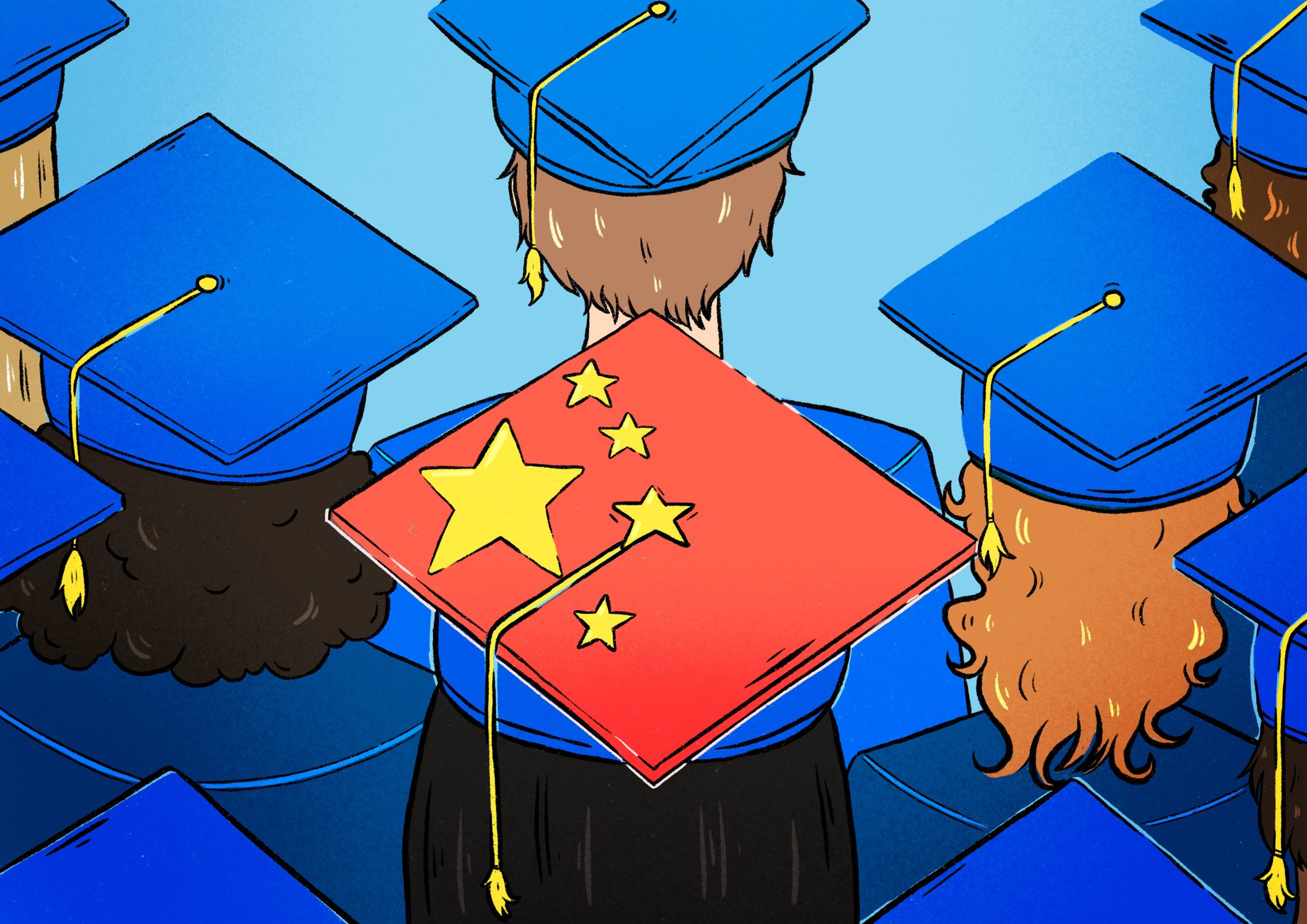
Eindhoven and Maastricht suspend PhD programmes for Chinese students
Gepubliceerd op:-
Science
-
De redactie
Latest news
-
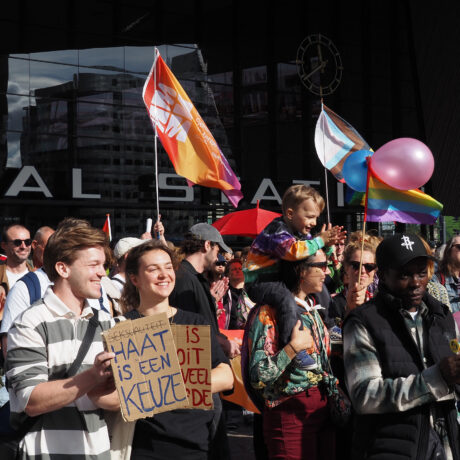
Students and staff join the Pride March: ‘We must stand up for this community’
Gepubliceerd op:-
Diversity
-
-

EM TV newsflash: Too many internationals, too many information platforms and more collaboration with the military
Gepubliceerd op:Article type: Video-
EM TV
-
-
18-year-old student dies after ‘hazing party’ in France
Gepubliceerd op:-
Student life
-


Comments
Comments are closed.
Ad
Read more in Science
-
Did your parents know what your sex life was like when you were eighteen?
Gepubliceerd op:-
Eureka!
-
-
Universities must demonstrate their economic value, says House of Representatives
Gepubliceerd op:-
Politics
-
Science
-
-
Leaving money to a university? Many people do not know it is possible
Gepubliceerd op:-
Science
-