Ad

Researchers lobbying for industry: ‘appearance’ of conflict of interest
Researchers at Wageningen University (WUR) should not have lobbied on behalf of pesticide manufacturers. The university acknowledges that mistakes were made, creating ‘the appearance of a conflict of interest’.
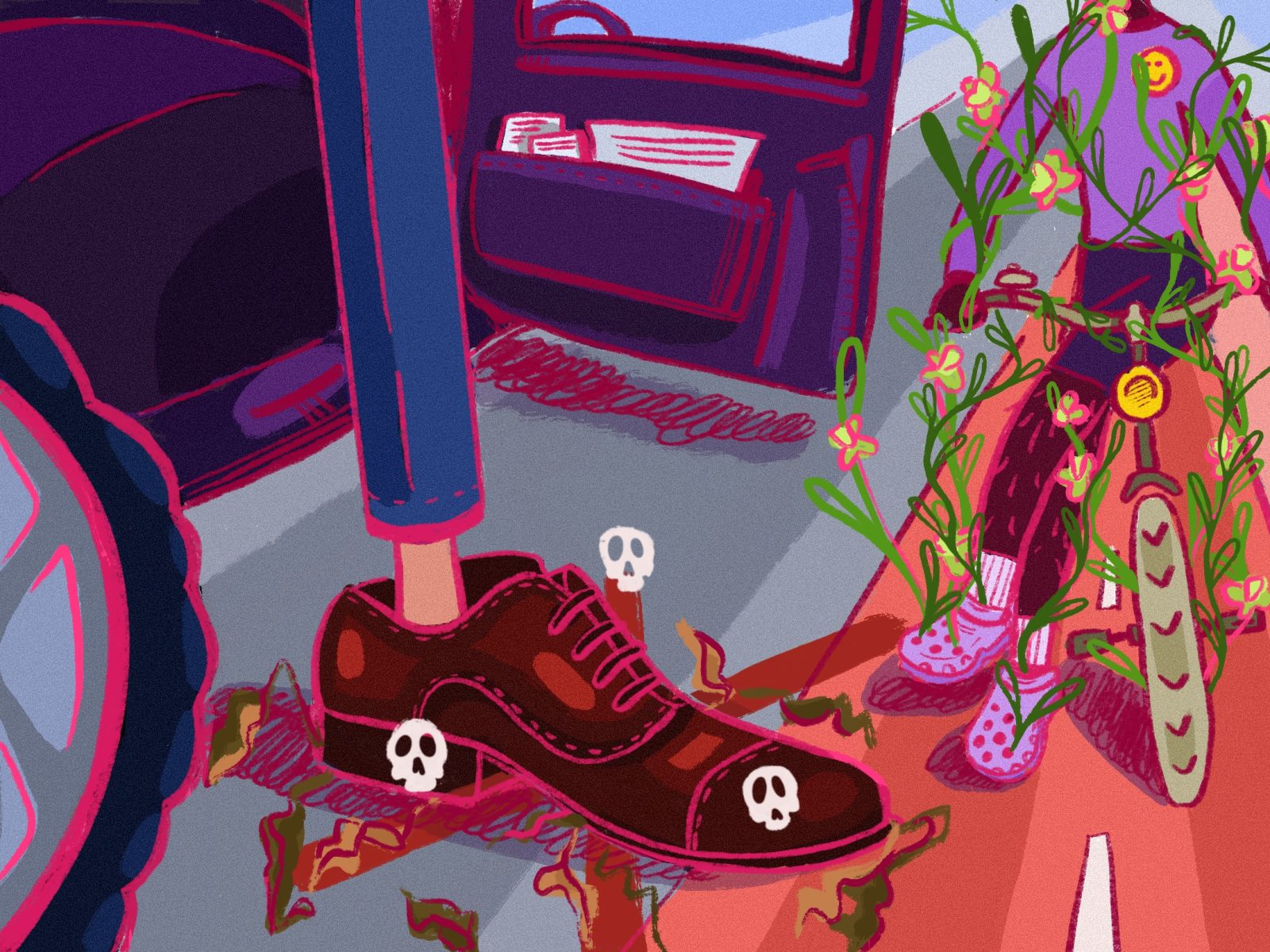
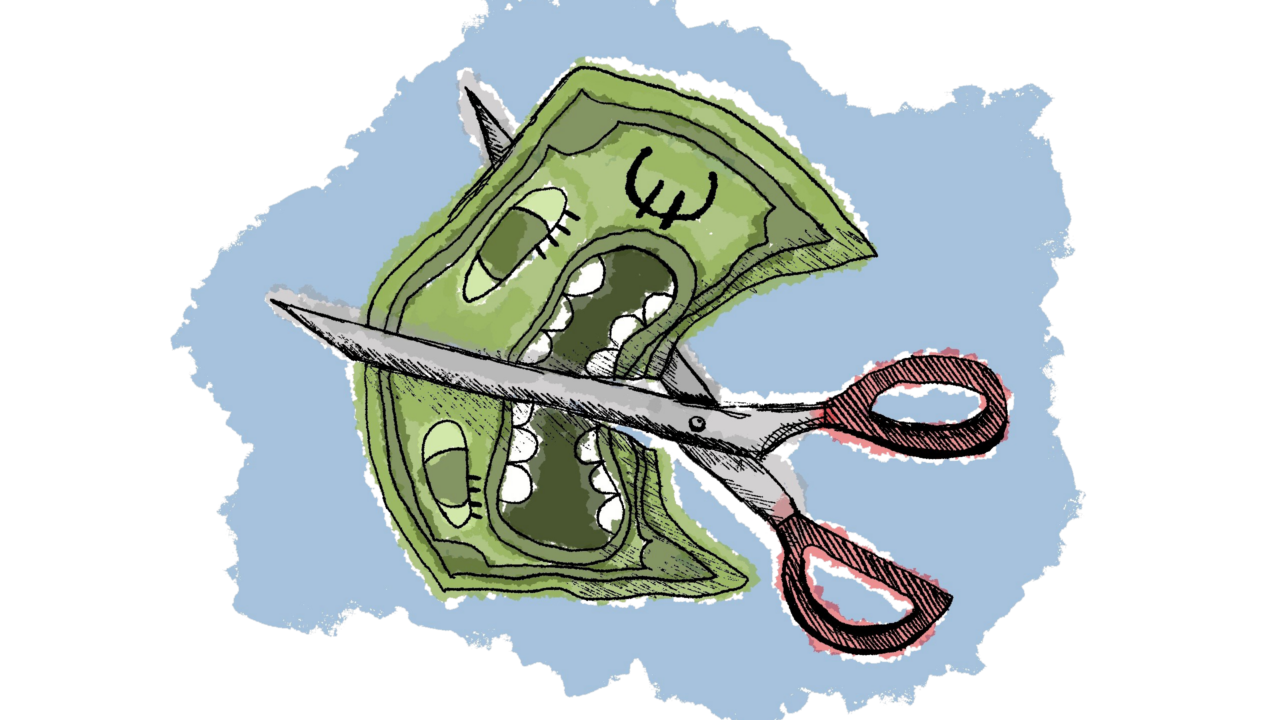
Image by: Josine Henneken
WUR researchers were commissioned to do research for CropLife, the crop protection industry’s advocacy group. Although their report did include a proper disclaimer, they still breached guidelines by participating in PR activities for CropLife. “We understand that this may raise questions regarding independence and integrity”, said WUR board chair Sjoukje Heimovaara.
Lobby
Last Friday, the university released a statement in response to questions from the TV programme Zembla. The statement confirms that WUR research was used to lobby against EU rules aimed at limiting the use of pesticides, and that the researchers themselves contributed to these efforts.
After completing their research, the scientists attended a lobbying meeting and co-authored a lobbying publication, the university writes. “This should not have happened, as it creates at least the appearance of a conflict of interest.”
WUR still stands by this observation, according to a university spokesperson. Moreover, there will be no follow-up integrity investigation, because the validity of the research itself is not in question – the issue lies with the researchers’ behaviour after they finished their study. “The most important thing is that we learn from this”, says the spokesperson.
Halving use of pesticides
Along with its statement, the university also published an article on the issue, featuring one of the researchers and a critical colleague. WUR administrative expert Jeroen Candel believes that his university has allowed itself to be used by the pesticide lobby by taking on this research project for CropLife in the first place.
Roel Jongeneel, who carried out the study, saw it as an opportunity to examine a new issue: what would be the economic impact if the EU were to halve the use of pesticides, as was being proposed? The results showed that food would become more expensive and farmers’ incomes would suffer.
Watered down
According to Candel, Jongeneel and his colleagues ‘provided ammunition to CropLife to undermine EU pesticide legislation, which is what ended up happening’. As reported by daily newspaper Trouw, the proposed EU regulations were first watered down, before being withdrawn altogether at the beginning of this year.
Nevertheless, the WUR board believes it is important to continue working with industry partners: “In some cases, we need the industry to translate that WUR knowledge into practice.”
Read more
-
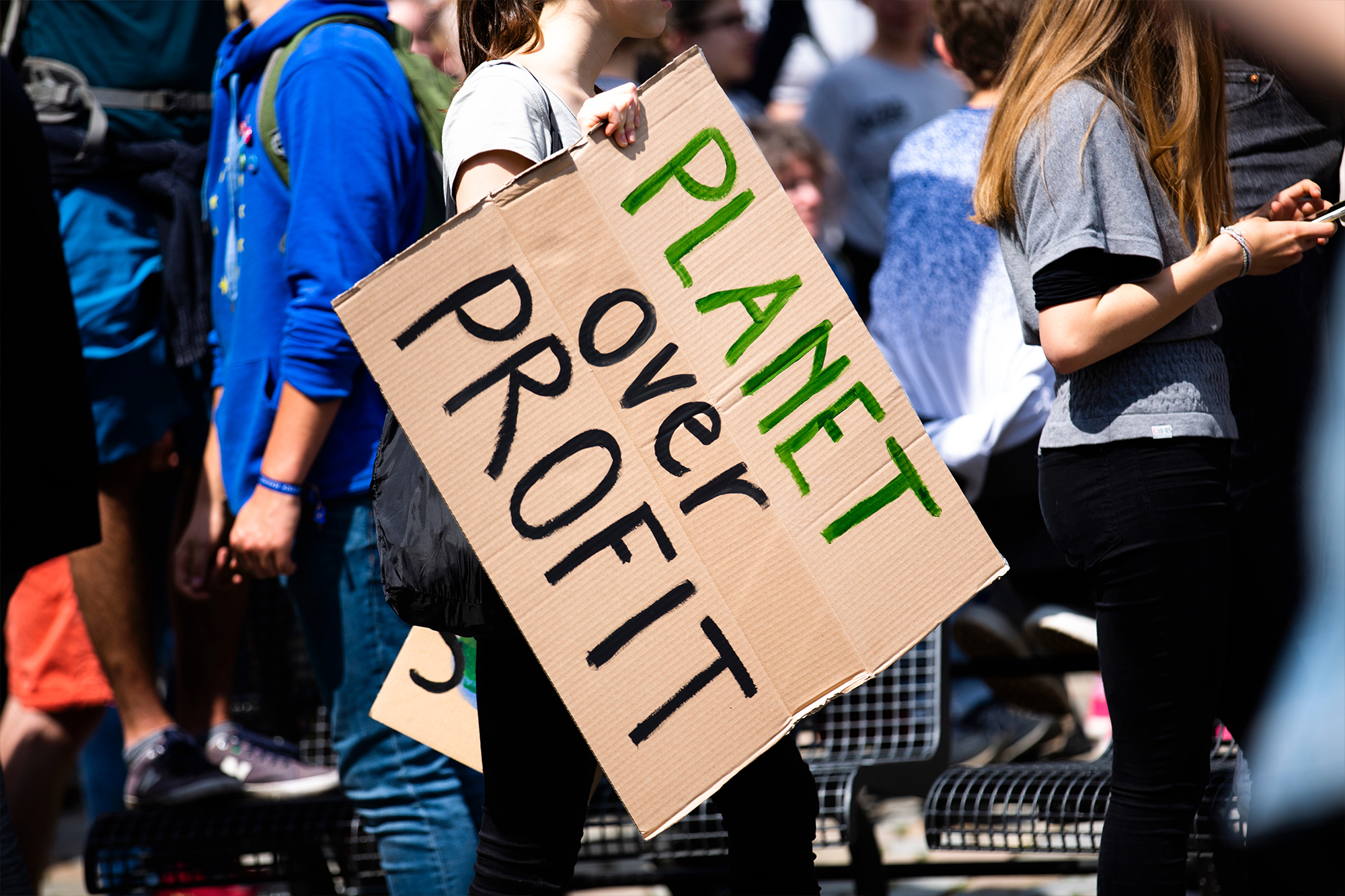
Climate activists: higher education should only do business with sustainable banks
Gepubliceerd op:-
Sustainability
-
De redactie
Latest news
-
Cuts to education after all? It could happen, according to secret coalition plan
Gepubliceerd op:-
Education
-
Politics
-
-

Tinbergen stripped of spikes, new look is taking shape
Gepubliceerd op:-
Campus
-
-

Dutch people increasingly believe AI cannot help advance science
Gepubliceerd op:-
Artificial Intelligence
-
Science
-

Comments
Comments are closed.
Ad
Read more in Science
-
Dutch people increasingly believe AI cannot help advance science
Gepubliceerd op:-
Artificial Intelligence
-
Science
-
-

‘If anyone should be thinking about the effects of AI on society, it is scientists’
Gepubliceerd op:-
Artificial Intelligence
-
Science
-
-

Did your parents know what your sex life was like when you were eighteen?
Gepubliceerd op:-
Eureka!
-