Ad

Universities don’t want to close door to Israel

“No matter what happens, we will never cut ties with an entire country”, write the rectors of the Dutch universities in daily paper Trouw. This only happens when the government advises or imposes it, ‘as was the case with Russia’.
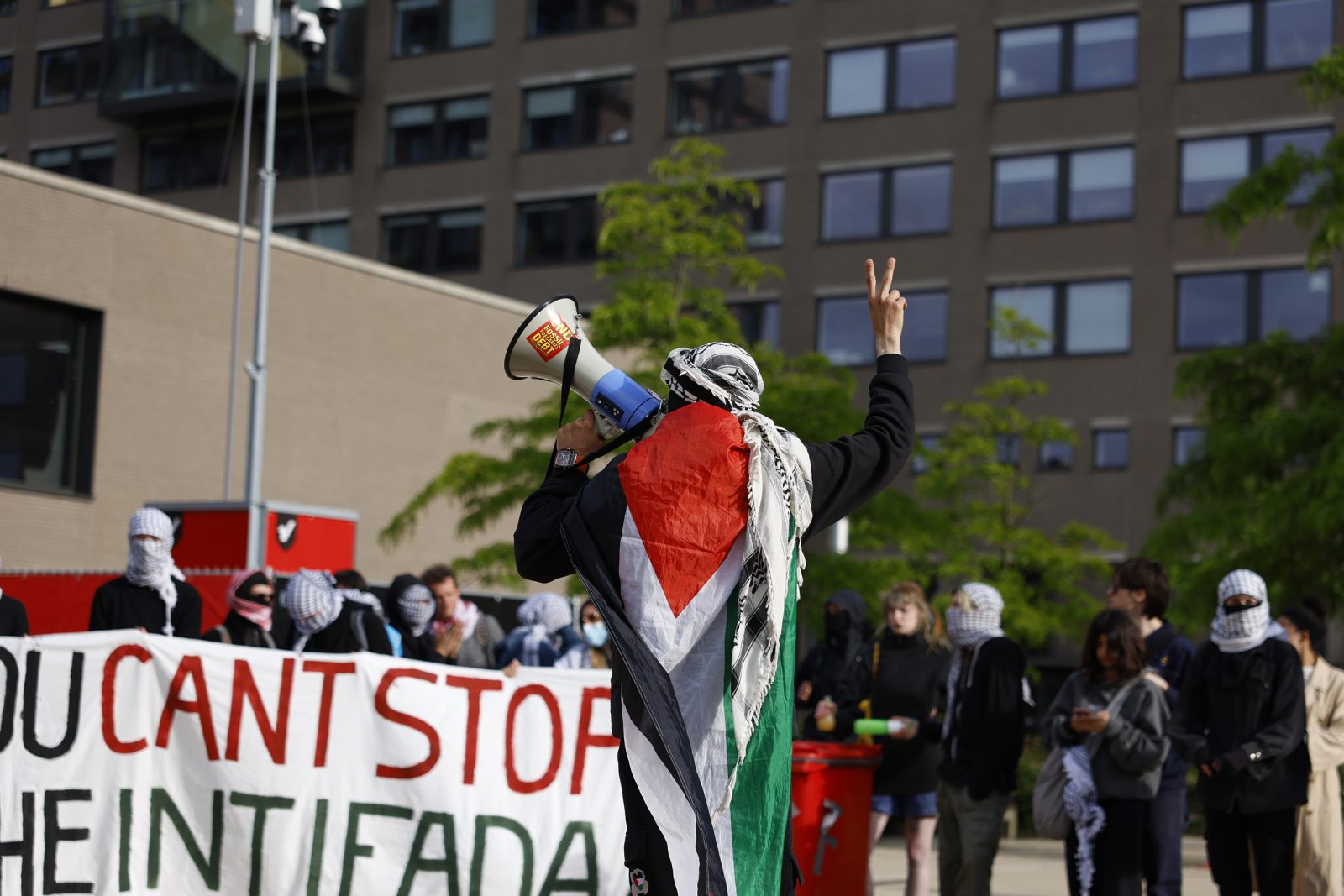
Image by: Daan Stam
In an opinion piece, the rectores magnifici of fifteen universities (including the Open Universiteit and the University of Humanistic Studies) state why they don’t want to cut their ties with Israeli universities just like that.
The article was published last Saturday, following months of nationwide protests by students and teachers. Activists occupied buildings, destructed property and called the Dutch universities accomplices to genocide.
Read more
-
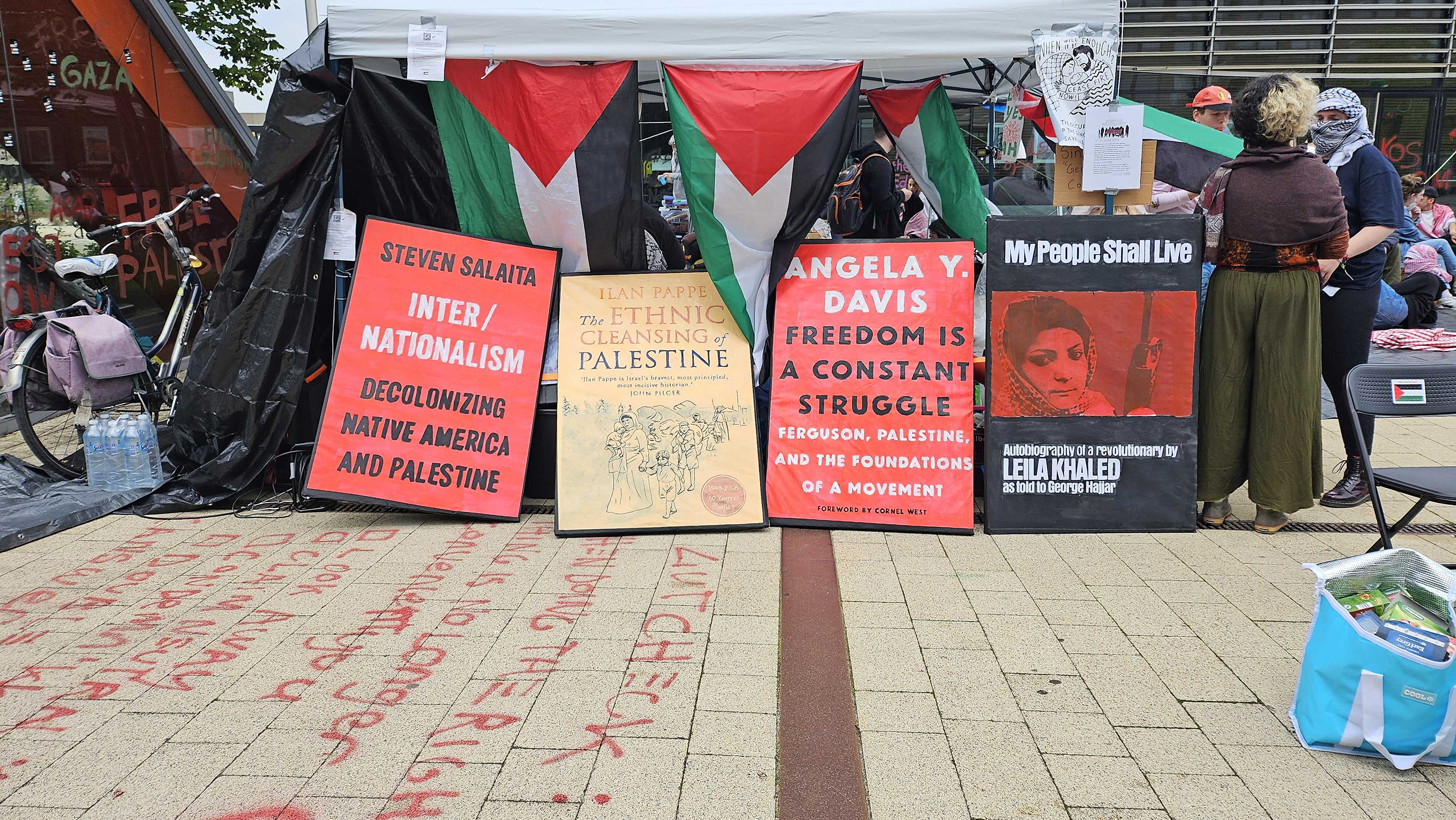
Open Letter from Staff at Erasmus: Cut all ties with Israeli academic institutions
Gepubliceerd op:-
Opinion
-
Legitimate question
The rectors regret the occupations and destructions. “However, the question behind all these protests is a legitimate one: how do we engage with our sister institutions in areas of major conflict?”
Universities put academic freedom first, the rectors argue. In academic collaboration you can have a dialogue about core values, they reason, even if those core values are under pressure at other institutions.
This does require ‘us to address our sister institutions whenever core values are transgressed’, they add, or ‘to distance ourselves from the collaboration if such dialogue does not appear possible’.
Open
“We understand that this is not the answer that some wish to hear from us”, they write. “But engaging in open, academic discussion and debate, precisely in this difficult, polarising time, is crucial for us.”
Elsewhere in the letter, they write: “We find it important not to isolate critical Israeli academics, just as much as we are committed to supporting our Palestinian colleagues.”
They briefly address the reproach that they respond differently to Russia than to Israel. On that occasion, the government imposed the response, they say. Outgoing Minister Robbert Dijkgraaf also pointed out that difference: there are international sanctions against Russia, but not against Israel.
Reactions
Trouw immediately gauged reactions by activists and they aren’t pleased. The letter is naive, cowardly even, one of them says. Because how do you enter into dialogue if there is virtually no academic freedom at all in Israel, as a recent book by anthropologist Maya Wind argues.
Others want to have a debate about this and say it’s not right. “If that policy is defensible, I actually think board members with all their experience should be able to have that discussion with a group of students”, says a student from Wageningen.
Last week, a right-wing majority in the House of Representatives called on universities not to bow to protests. Activists, however, keep increasing the pressure. On Friday, a special website was launched that maps out the ties between universities and Israel.
Read more
-
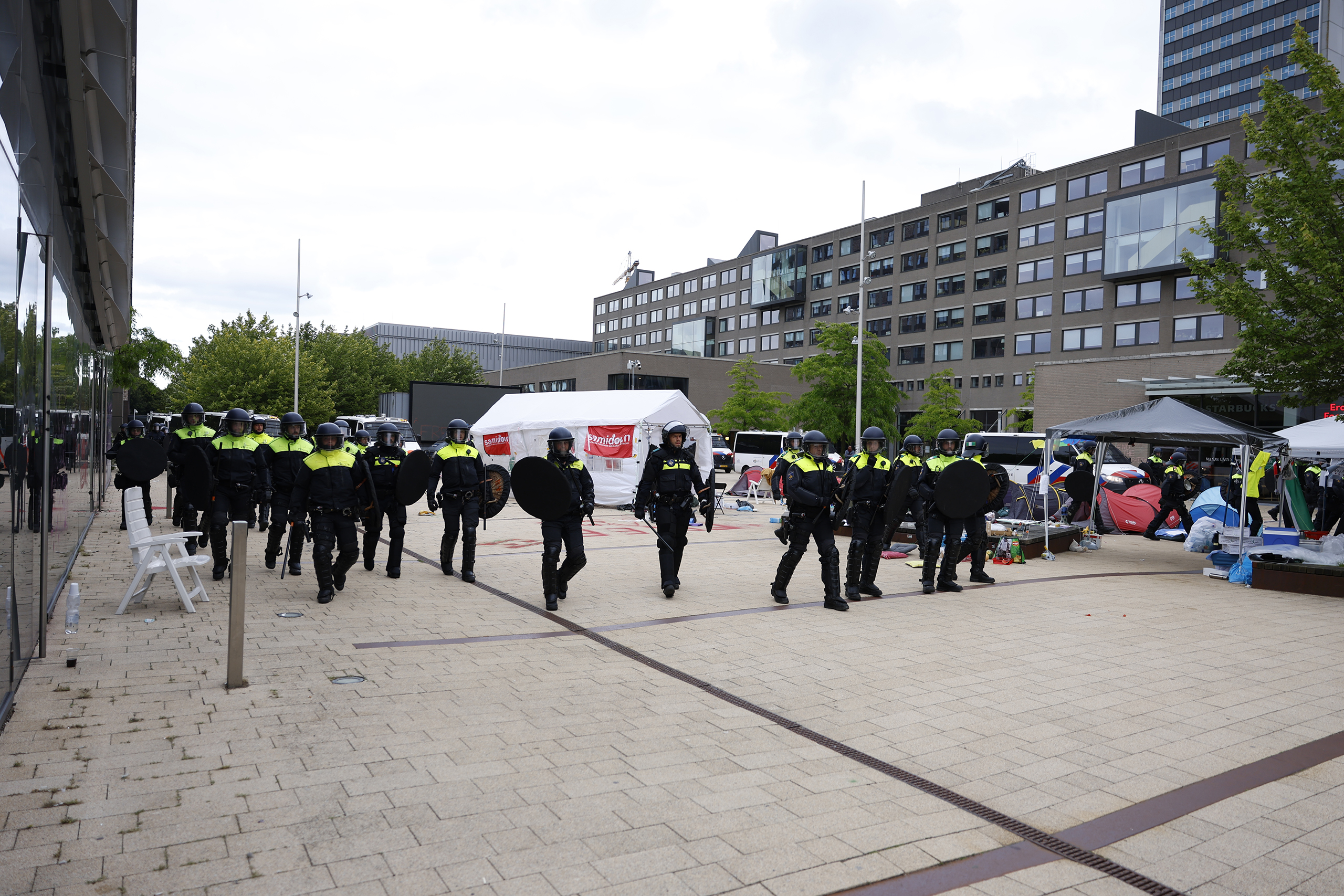
Protesters leave campus in march, university removes tents
Gepubliceerd op:-
Protest
-
De redactie
Latest news
-

Data of 22 EUR travellers leaked through bookings made via DGI Travel
Gepubliceerd op:-
Staff
-
-

Looking back without anything weighing on you
Gepubliceerd op:-
Column
-




Comments
Comments are closed.
Ad
Read more in Education
-
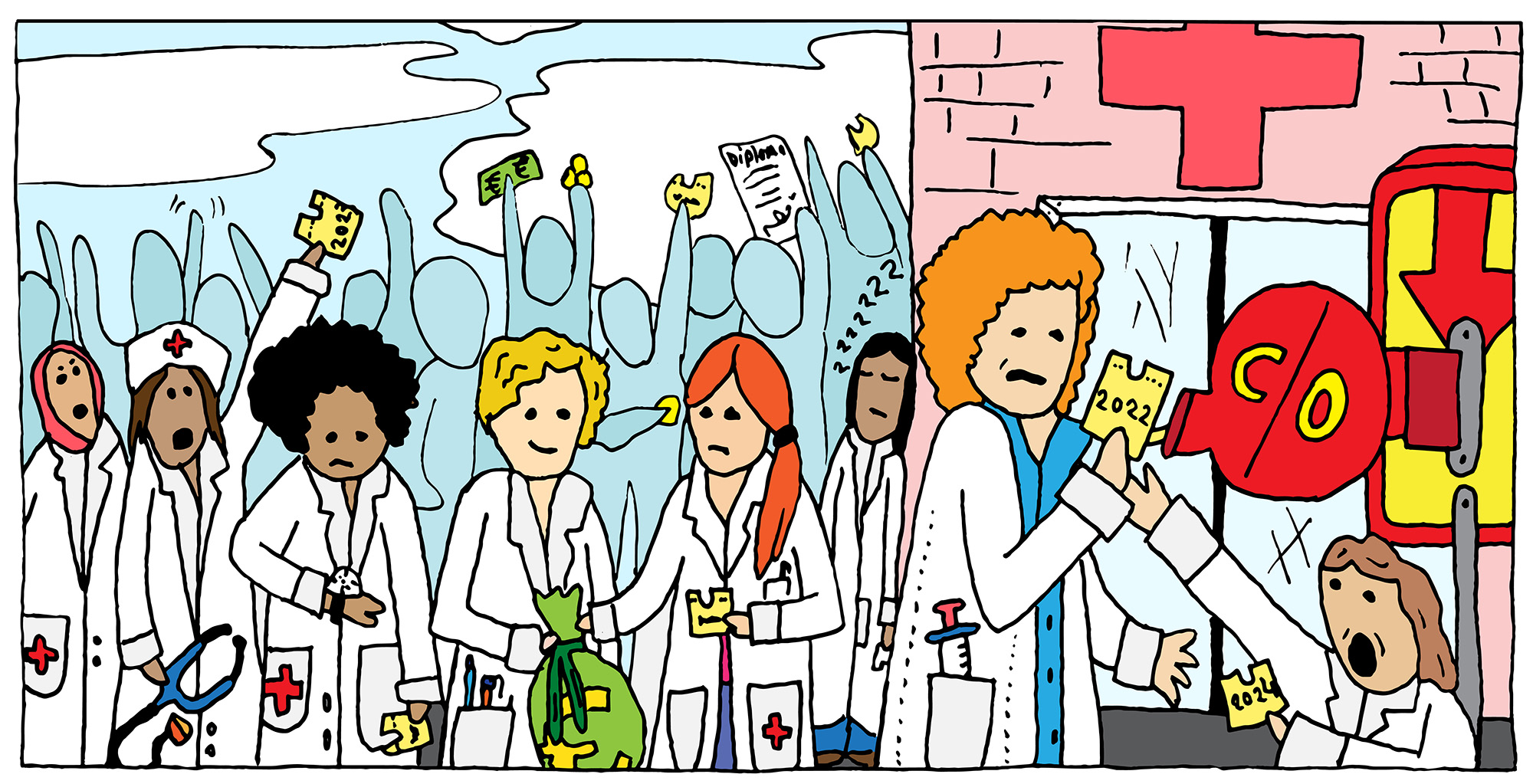
Long waiting times for medical internships also affect other cities
Gepubliceerd op:-
Education
-
-

Desperate medical students are offering each other money to start their internships earlier
Gepubliceerd op:-
Education
-