Ad

Gaza protests continue in higher education

Staff and student protests about the war in Gaza have spread far beyond university campuses in the United States. Protesting voices can also be heard at higher education institutions in the Netherlands, amid concerns that the conflict is fuelling a wave of anti-Semitism.
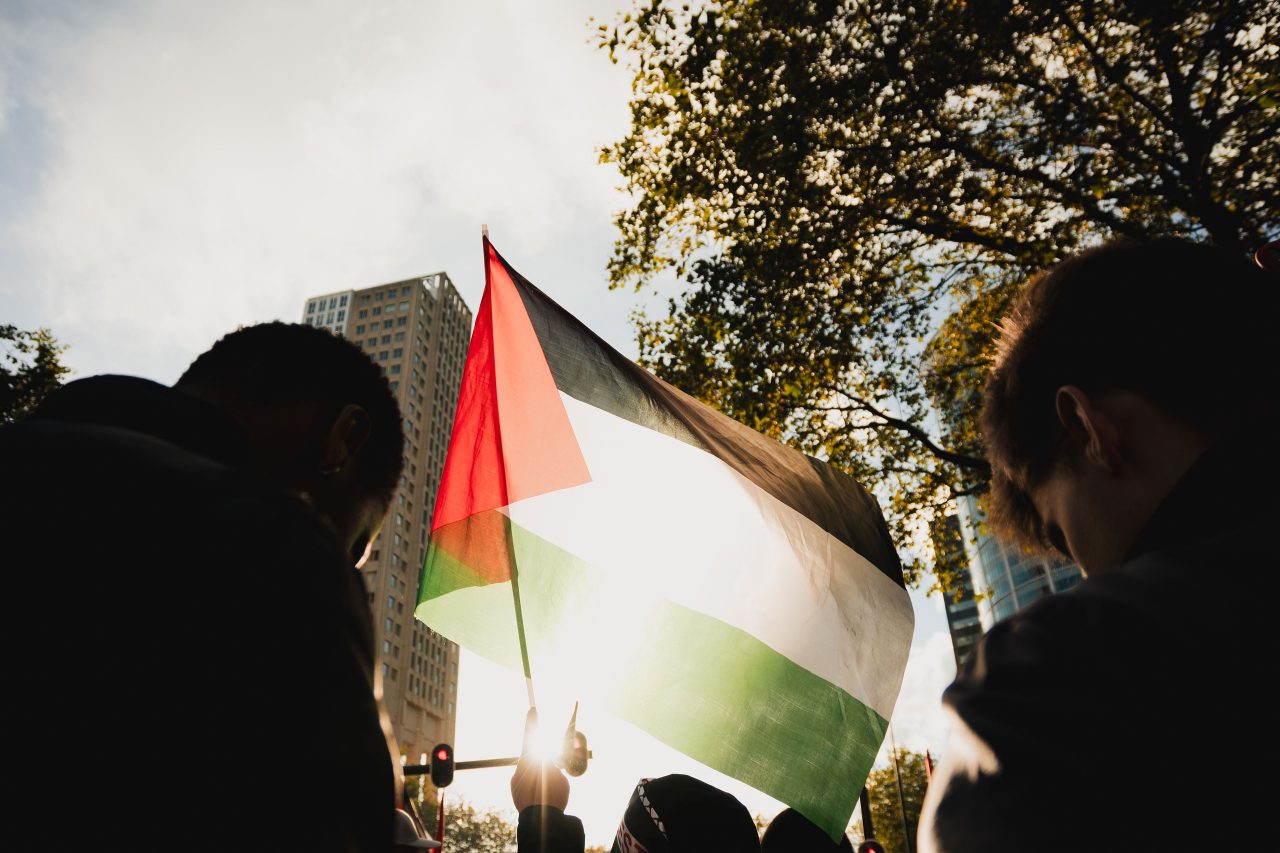
Image by: Tyna Le
The protests have been most intense at US universities, where hundreds of students demonstrated against the war in Gaza in recent days. Pro-Palestinian demonstrators were arrested by police.
During earlier protests, the US House of Representatives became involved. Congress subjected the heads of leading universities to intense questioning about taking action to combat anti-Semitism. The storm of criticism eventually led the president of Harvard to resign.
Here in the Netherlands, students are also expressing their opposition to events in Gaza. In Utrecht last month, the university’s Foundation Day celebrations were disrupted. Slogans were daubed on a university building in Groningen and a similar incident occurred in Nijmegen. Back in early November, protestors occupied a building at Maastricht, accusing the university of being “complicit in genocide”. Many more protests have since taken place.
Read more
-
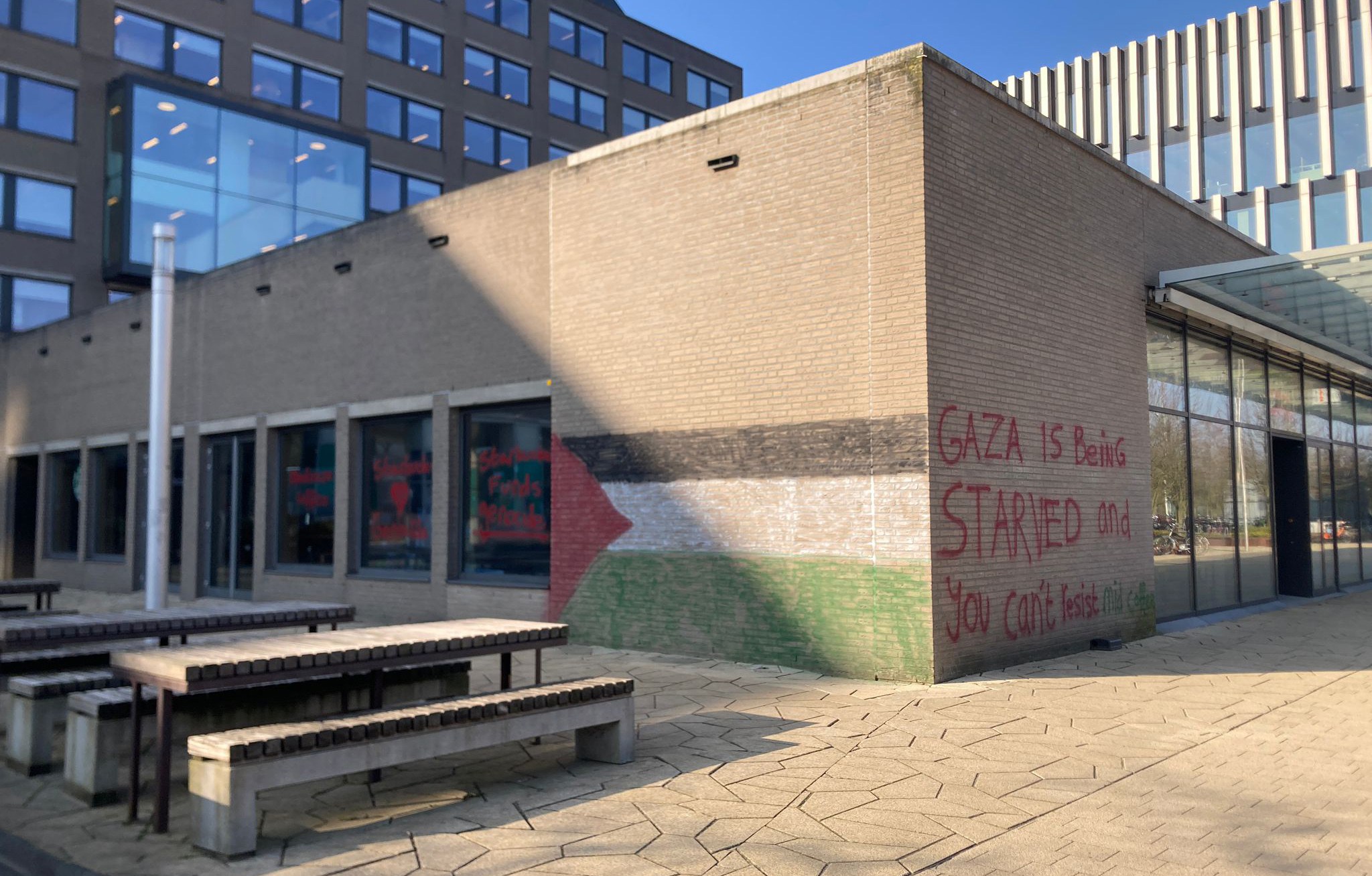
Slogans against Gaza violence at Starbucks Woudestein
Gepubliceerd op:-
Campus
-
Neutral
In most cases, protesters are demanding that their universities speak out against Israel’s use of force, just as they previously took a stance on Russia’s war on Ukraine. However, university executives are keen to adopt a neutral position.
Their view is that some student groups support Israel and object to the moral indignation of pro-Palestinian protesters who are also reticent about the abuses committed by Hamas.
As in the US, many critics in the Netherlands see the pro-Palestinian protests as anti-Semitic, especially when they make use of slogans such as ‘from the river to the sea’. In Utrecht, some students described the protests as intimidating. A number of Jewish students at Radboud University Nijmegen say they no longer feel safe.
Most higher education institutions have taken a repressive approach, for example in Groningen, by invoking the university code of conduct. The University of Amsterdam shut down a building shortly before a protest was due to begin. Leiden’s response sparked controversy back in November, when security guards chased demonstrators well beyond the university grounds. The suggestion being that there was no place for such protests at the university. Even teach-ins or organised discussions on this issue can be subject to restrictions.
Academic freedom
Bans such as these can be at odds with academic freedom writes Paul Zoontjens, emeritus professor of education law at Tilburg University, in the Dutch Journal of Educational Law and Policy. After all, the concept of academic freedom applies to students as well as academic staff. While institutions have every right to safeguard security, the measures they take should never be excessive. “General arguments about countering polarisation and protecting the safety of students and staff are not sufficient justification.”
Even so, polarisation is a problem. One group argues that genocide is taking place in Gaza and that silence is consent. The other points out that Hamas carried out a horrific attack and that Israeli citizens are still being held hostage. Emotions are running high. Accusations of anti-Semitism and Islamophobia, whether justified or not, only serve to heighten sensitivities.
Read more
-
Special committee to review university ties after questions about Israel
Gepubliceerd op:-
Safety
-
House of Representatives
Today, the House of Representatives is debating the issue of anti-Semitism, with outgoing Education Minister Robbert Dijkgraaf in attendance. The situation in higher education is likely to come up. In an earlier letter to the House, Dijkgraaf wrote: “I greatly appreciate the efforts of teachers and administrators who are making this difficult conversation possible at their institutions and I urge them to continue to do so.”
This was in response to written questions submitted by BBB, PVV and SGP about the protest that culminated in students being pursued by security guards. Flyers in support of Hamas were reportedly being distributed when the incident occurred. “First and foremost, let me say that everyone should be able to feel safe in education and at their educational institution”, Dijkgraaf wrote. “Anti-Semitism, hatred against Muslims and every other form of discrimination is completely unacceptable.”
What exactly constitutes hate or discrimination? “It’s not for me to judge whether certain statements are within the limits of the law”, the minister insisted.
De redactie
Latest news
-

New code of conduct for science emphasises ‘distinctiveness and autonomy’
Gepubliceerd op:-
Science
-
-

Executive Board regularly uses AI for speeches and LinkedIn posts
Gepubliceerd op:-
Artificial Intelligence
-
Governance
-
-

TU Delft may not favour women in admissions to courses
Gepubliceerd op:-
Education
-


Comments
Comments are closed.
Ad
Read more in Protest
-
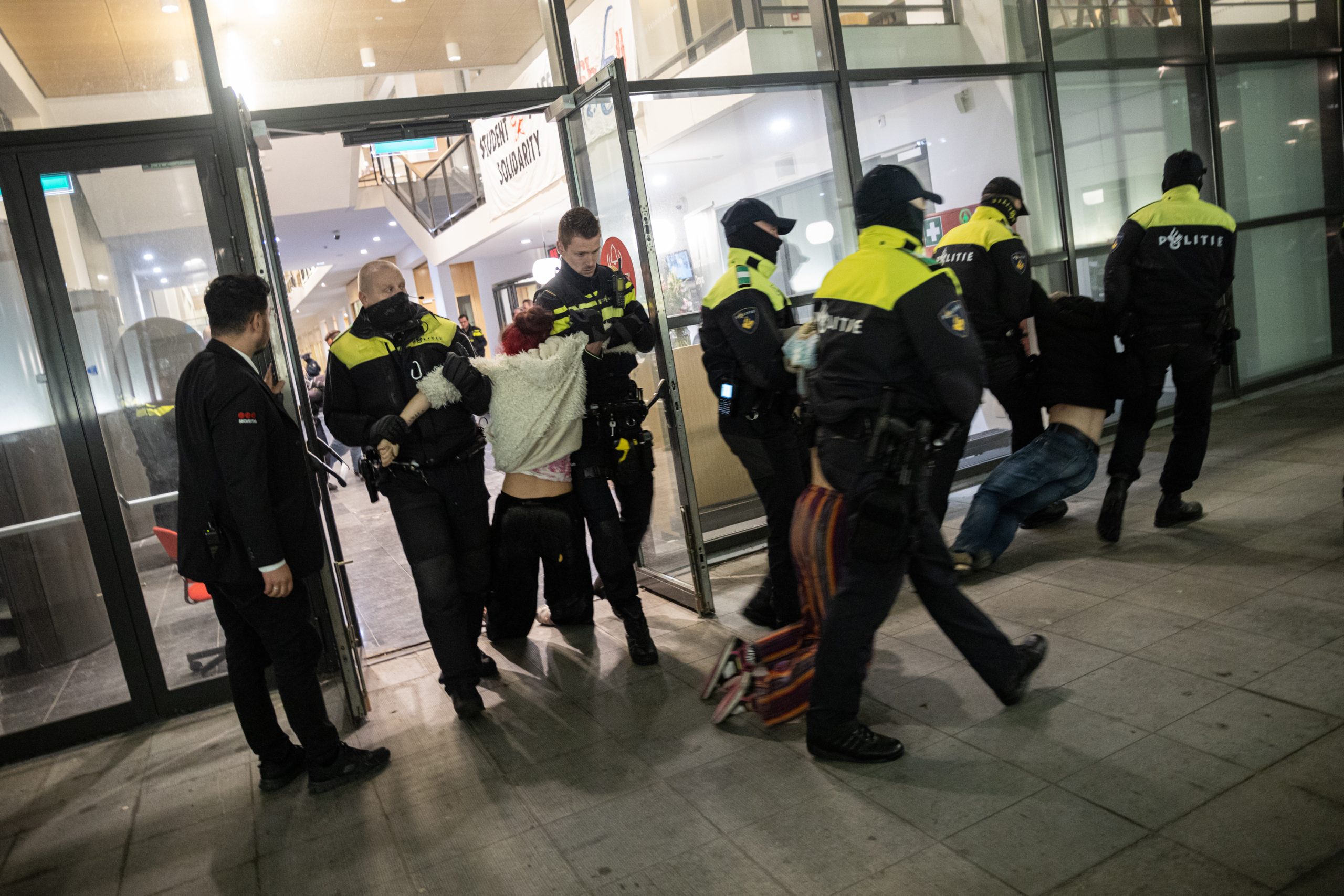
Students will still be allowed to occupy a building, but perhaps not while masked
Gepubliceerd op:-
Politics
-
Protest
-
-
TU Delft will no longer pass activists’ names to police
Gepubliceerd op:-
Privacy
-
Protest
-
-
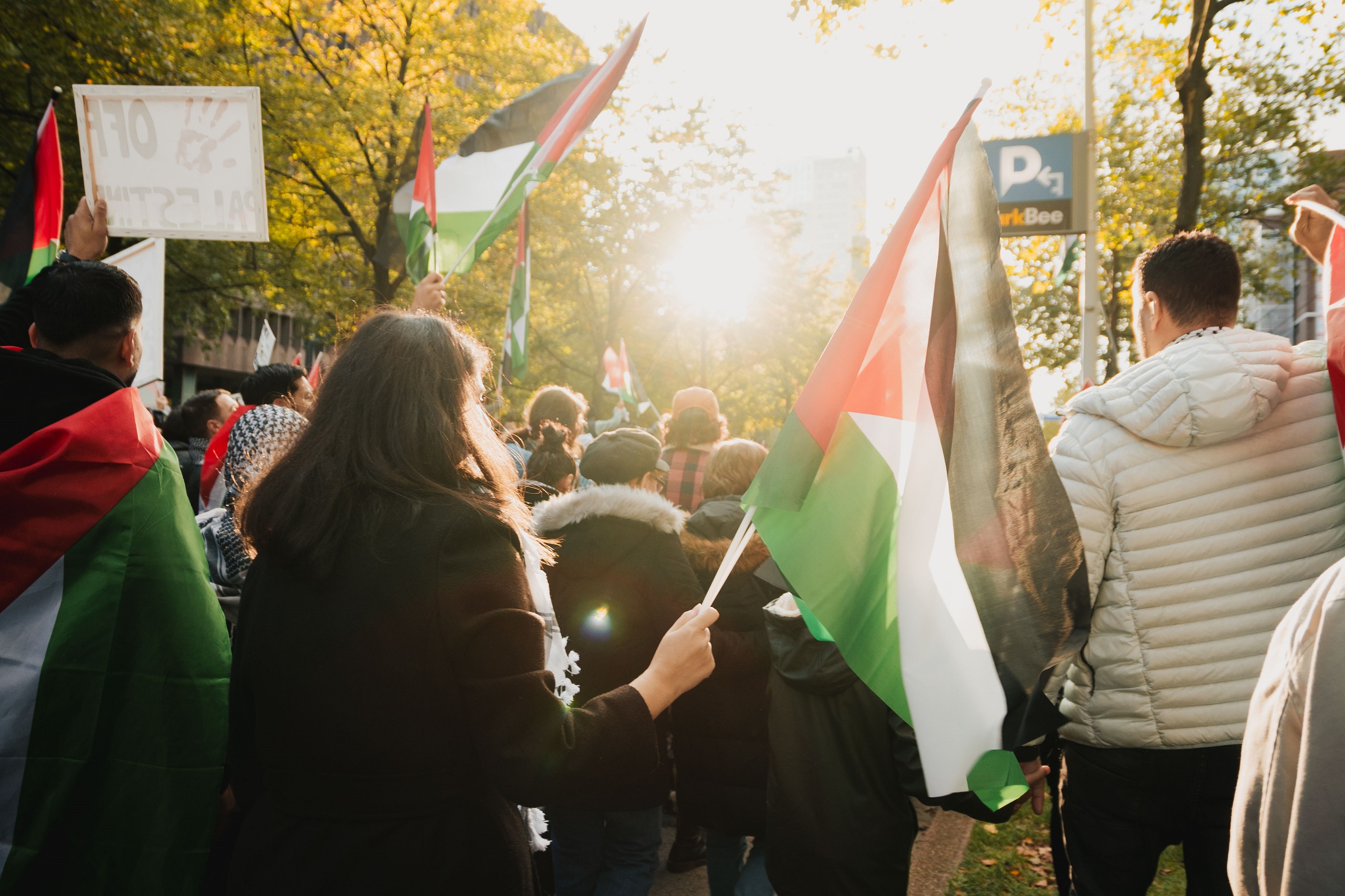
Pro-Palestinian protests in student cities
Gepubliceerd op:-
Protest
-