Ad

Interest rate on student debt to rise, despite political opposition

The interest rate on student debt will rise to 2.56 percent next year, even for students who missed out on the chance of a basic student grant. The House of Representatives wanted to freeze interest rates for this group, but the government says that is impossible at present.

Image by: Josine Henneken
The basic student grant has now been reinstated but students in recent years had to rely solely on the student loan system. This group point out that they are hardest hit: the lack of a grant meant they had to borrow more, and now they will have to pay thousands of euros in interest.
A majority in the House of Representatives is in favour of freezing their interest rate at the 2023 level. But in response to a motion submitted by GroenLinks and ChristenUnie, outgoing education minister Robbert Dijkgraaf writes that this cannot be done in the short term.
2026 at the earliest
The problem, Dijkgraaf explains, is that the plan is not technically feasible for DUO, the agency that administers student financing. “A measure like this requires major adjustments to DUO’s systems, and these cannot be realised until 1 January 2026 at the earliest.”
In other words, any interest-rate freeze can only be implemented two years later than the House of Representatives wanted. The necessary changes to the law on student financing cannot be made before 1 January in any case. In addition, DUO is facing several other complex challenges next year.
The parties behind the motion may have seen this coming. The wording includes a request to “broaden” the motion “if it is not possible in terms of implementation”. Dijkgraaf has promised to see what he can do.
Expats
As the education minister previously warned, keeping the interest rate low would cost billions of euros. The House of Representatives proposes covering the cost by curtailing the tax breaks currently available to knowledge workers who come to the Netherlands from abroad.
Scaling down the expat scheme was a plan put forward by Pieter Omtzigt. He also wanted to use these funds to curb interest on student debt. Although his amendment was passed by the House, Omtzigt suspects that it will not yield enough to freeze the interest rate altogether. For this reason, he was the only one to join the VVD in voting against the motion by GroenLinks and ChristenUnie.
Parliamentary questions
Responding to parliamentary questions on the interest rate rise, Dijkgraaf writes, “I can imagine that this will cause concern among students and former students.” But he also points out the favourable terms that apply to student loans.
He reminds the House that there was never any guarantee that the rate would remain at zero. “What students were told, is that this is a favourable loan. I still stand by that statement. The interest is still many times lower than market rates.”
He also emphasises that a former student’s ability to repay is always taken into account. If your income drops below a certain threshold, your repayments are scaled back accordingly, and in some cases even suspended. “When it comes to interest too, former students never pay more than they can afford.”
De redactie
Latest news
-

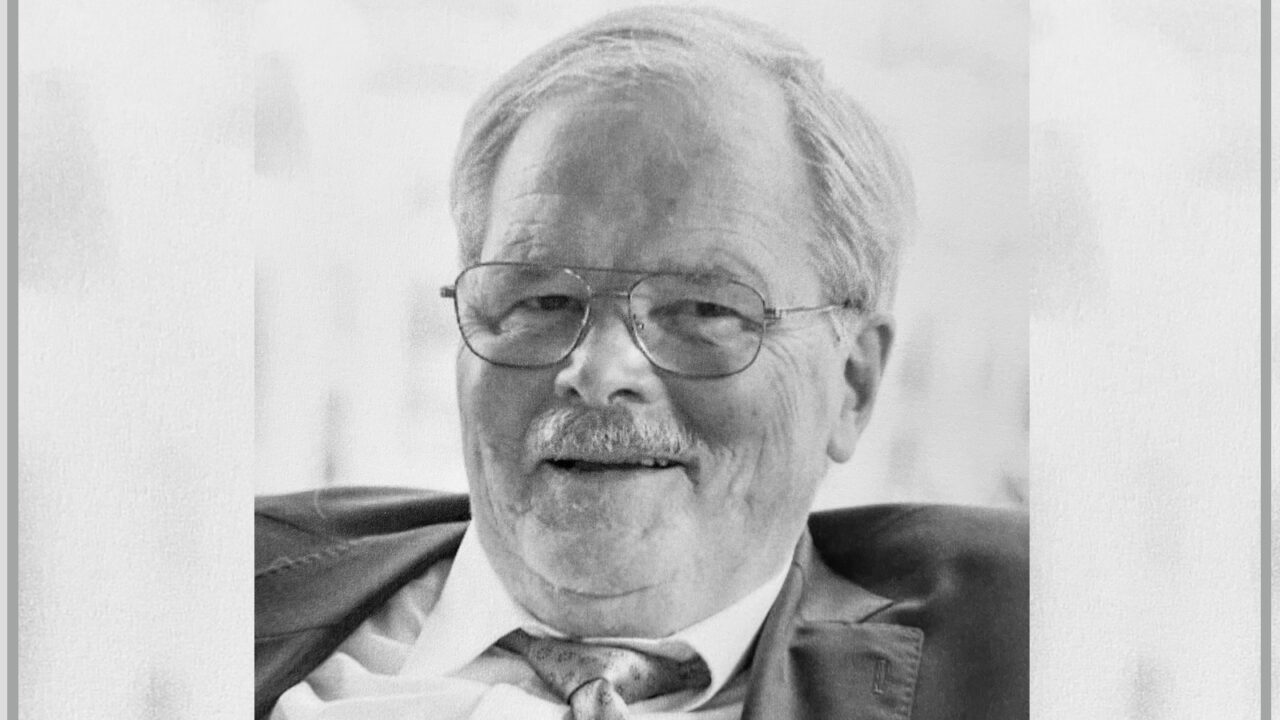
In memoriam Rob van der Wal
Gepubliceerd op:-
In memoriam
-
-
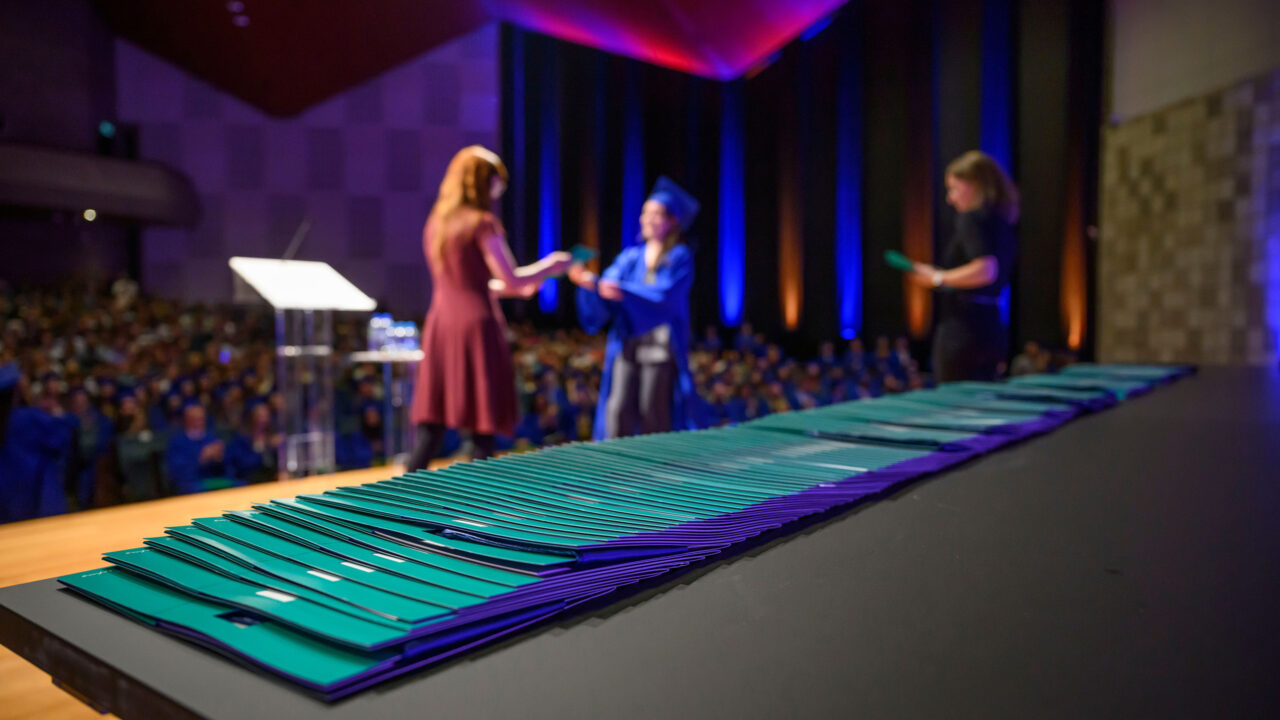
Lively trade in tickets for graduation ceremony: ‘Excessive prices are undesirable’
Gepubliceerd op:-
Student life
-
-

University president on powerhouses: ‘If we do nothing, we will hit a wall’
Gepubliceerd op:-
Governance
-

Comments
Comments are closed.
Ad
Read more in Student life
-
Lively trade in tickets for graduation ceremony: ‘Excessive prices are undesirable’
Gepubliceerd op:-
Student life
-
-

Sam and his flatmate create an artwork for every house party
Gepubliceerd op:-
Housing
-
-

Three Skadi members to compete in world’s largest rowing race: ‘It really is a dream’
Gepubliceerd op:-
Sport
-