Ad

Ministry expects tens of thousands fewer students in higher education

The Ministry of Education, Culture and Science believes the number of incoming students in higher education will be lower by tens of thousands compared to earlier predictions. The higher professional education sector is shrinking faster, and the growth of research universities is slowing down.
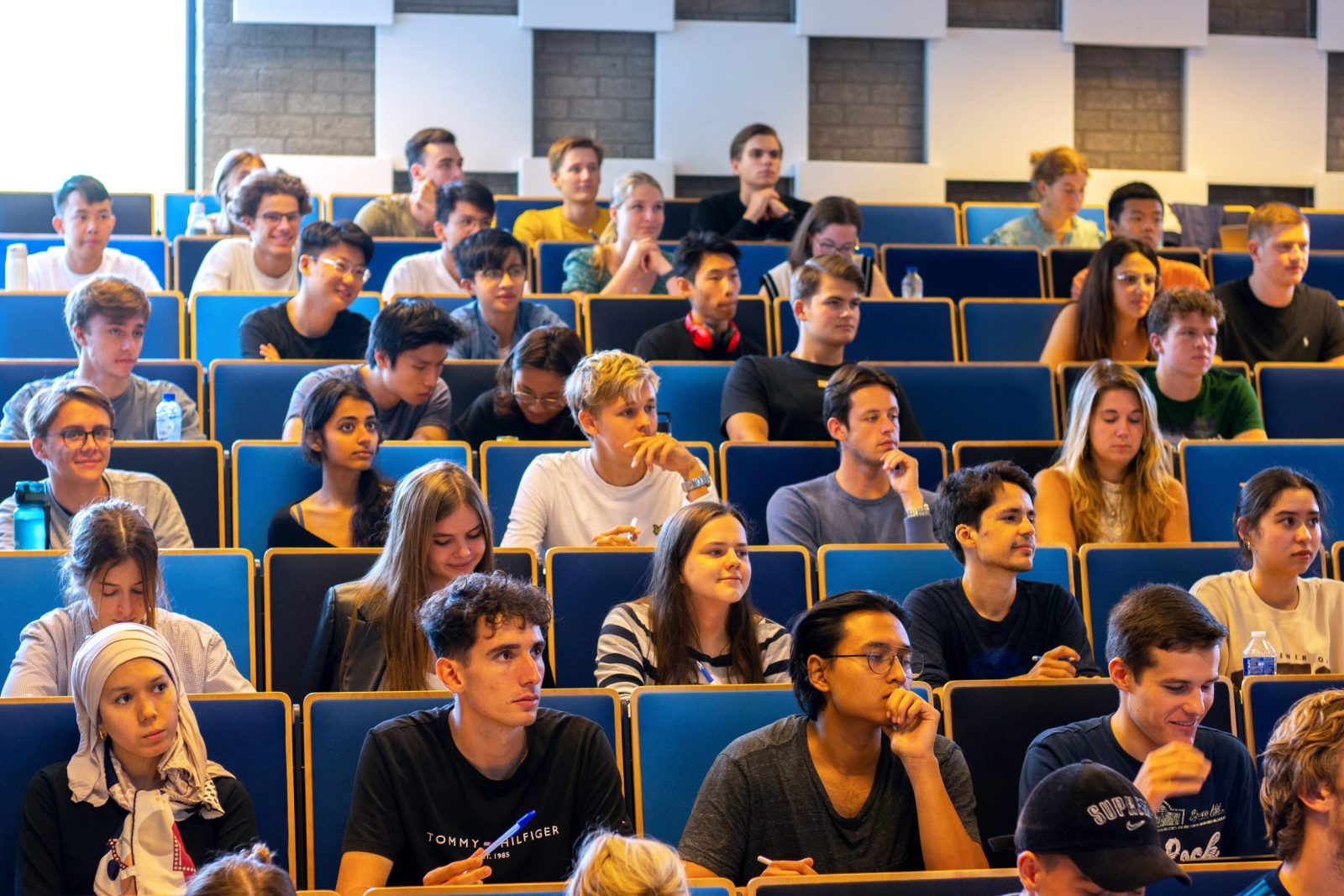
Image by: Shrey Khurana
Last year, the Ministry still thought universities of applied sciences would see about 18,000 fewer students in 2029 compared to now. The latest calculations foresee a reduction by 40,000 students.
And where research universities were previously forecast to recruit an additional 65,000 students, this number in the latest ‘baseline forecast’ has been adjusted to only 23,000.
Too optimistic
For years, the Ministry underestimated the growth in the number of students, particularly at research universities. To the annoyance of research universities and universities of applied sciences, this led to disappointing state budget allocations and to cuts in higher education. The current assessment, however, is that the Ministry was too optimistic last year.
The lower student intake in the current academic year may be related to the introduction of the new basic student grant. More young people took a gap year after their school-leaving examination, rather than going on to high education immediately.
This does not matter for the longer term, however: the Ministry is confident they will eventually find their way to the research universities and universities of applied sciences. The current reduction in numbers has other causes.
Read more
-
Again record number of university students
Gepubliceerd op:-
Student life
-
Tight labour market
A more important factor is, for example, that students often leave higher education without a degree certificate, which means there are fewer senior students. While learning deficits due to the COVID-19 pandemic may be an underlying factor, the higher dropout rates could also be due to the allure of the tight labour market.
Because of the tight labour market, students in secondary vocational education find employment faster. As a result, fewer decide to move on to higher professional education. The same effect is seen in research-oriented education: in 2022, fewer bachelor’s students immediately moved on to a master’s programme. The Ministry expects the labour market to remain tight in the coming period.
Uncertainty
The predictions remain uncertain. It may be that students who have dropped out will decide to resume their studies at a later point, something the projections do not take into account.
And how many international students will come to the Netherlands? The relevant calculations could use improvement, according to a special committee that monitors the projections. As the committee explains, for its current projections, the Ministry has simply extended the line in the chart (linear extrapolation). According to the committee’s explanation, “This suggests the possibility of limitless growth, which is not realistic.”
De redactie
Latest news
-
Speech from the Throne: ‘There must be room for international students and knowledge workers’
Gepubliceerd op:-
Nieuws
-
-

Students will still be allowed to occupy a building, but perhaps not while masked
Gepubliceerd op:-
Politics
-
Protest
-
-

Education minister Rianne Letschert also used AI in speech
Gepubliceerd op:-
Artificial Intelligence
-

Comments
Comments are closed.
Ad
Read more in Education
-
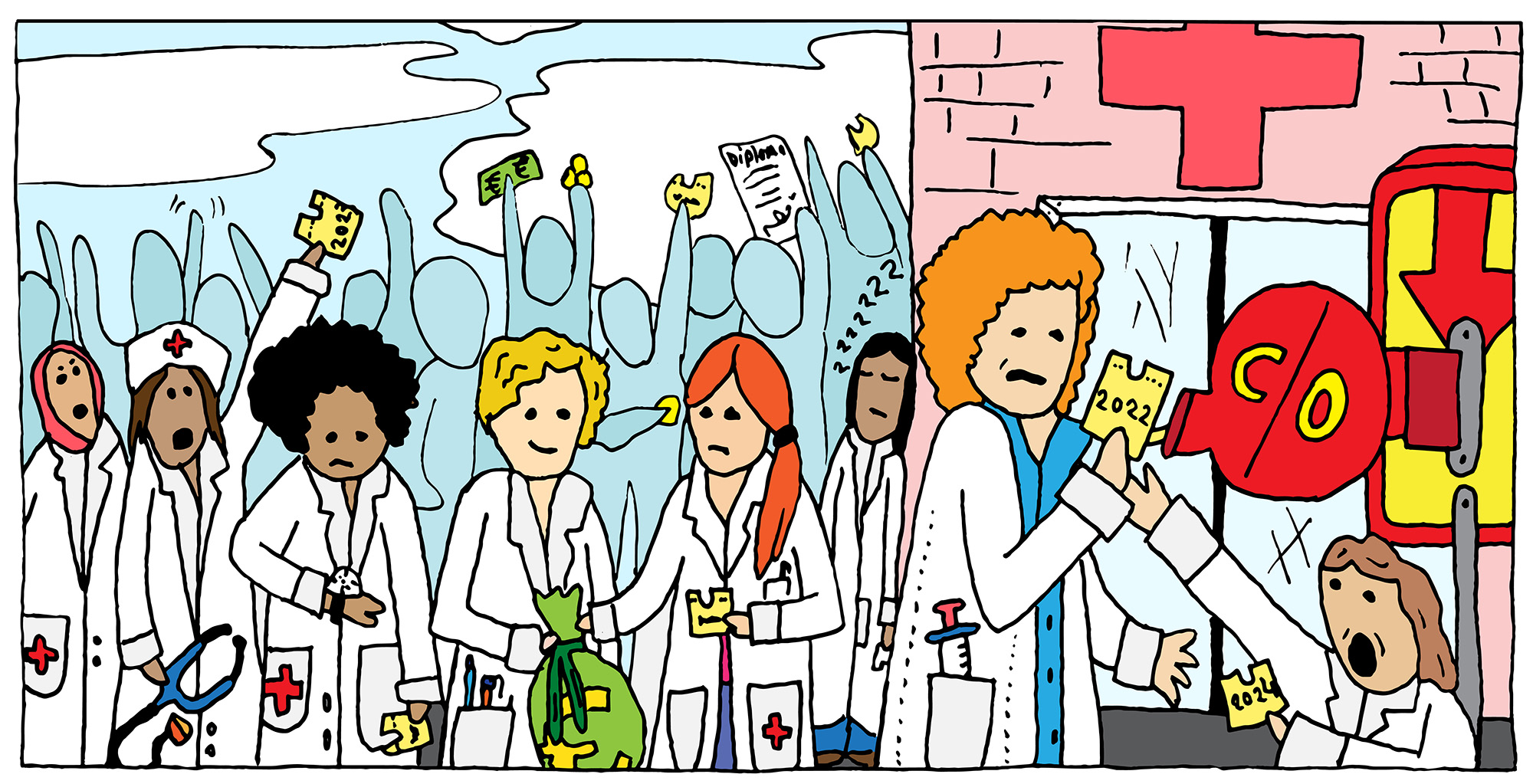
Long waiting times for medical internships also affect other cities
Gepubliceerd op:-
Education
-
-
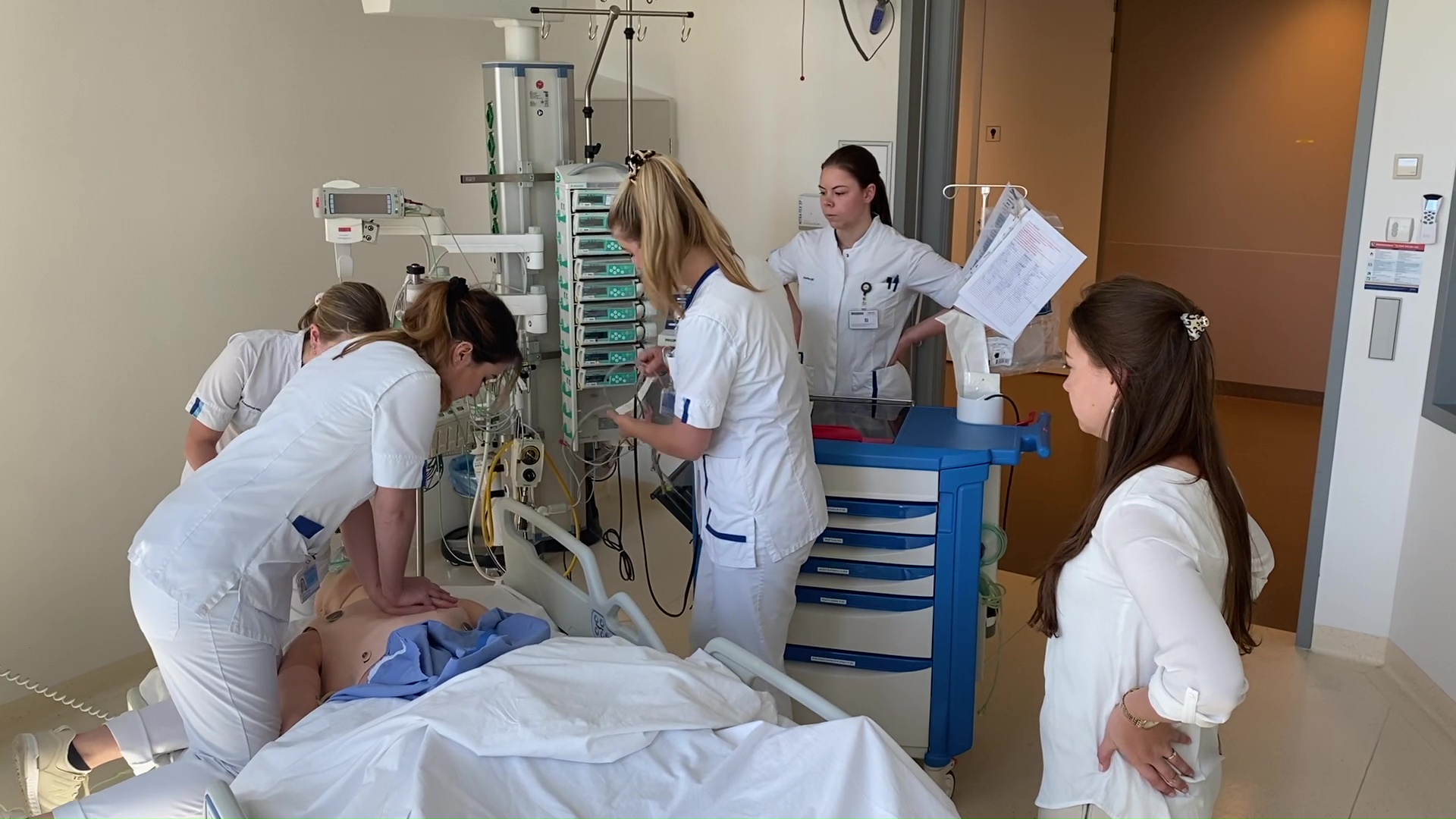
Desperate medical students are offering each other money to start their internships earlier
Gepubliceerd op:-
Education
-