Great demand for ‘smarter’ academic year
Fifteen educational institutions are going to set up their academic year differently. By reducing the number of teaching weeks they hope to create more ‘breathing space’ for overworked students and lecturers. The experiment runs until 2026.
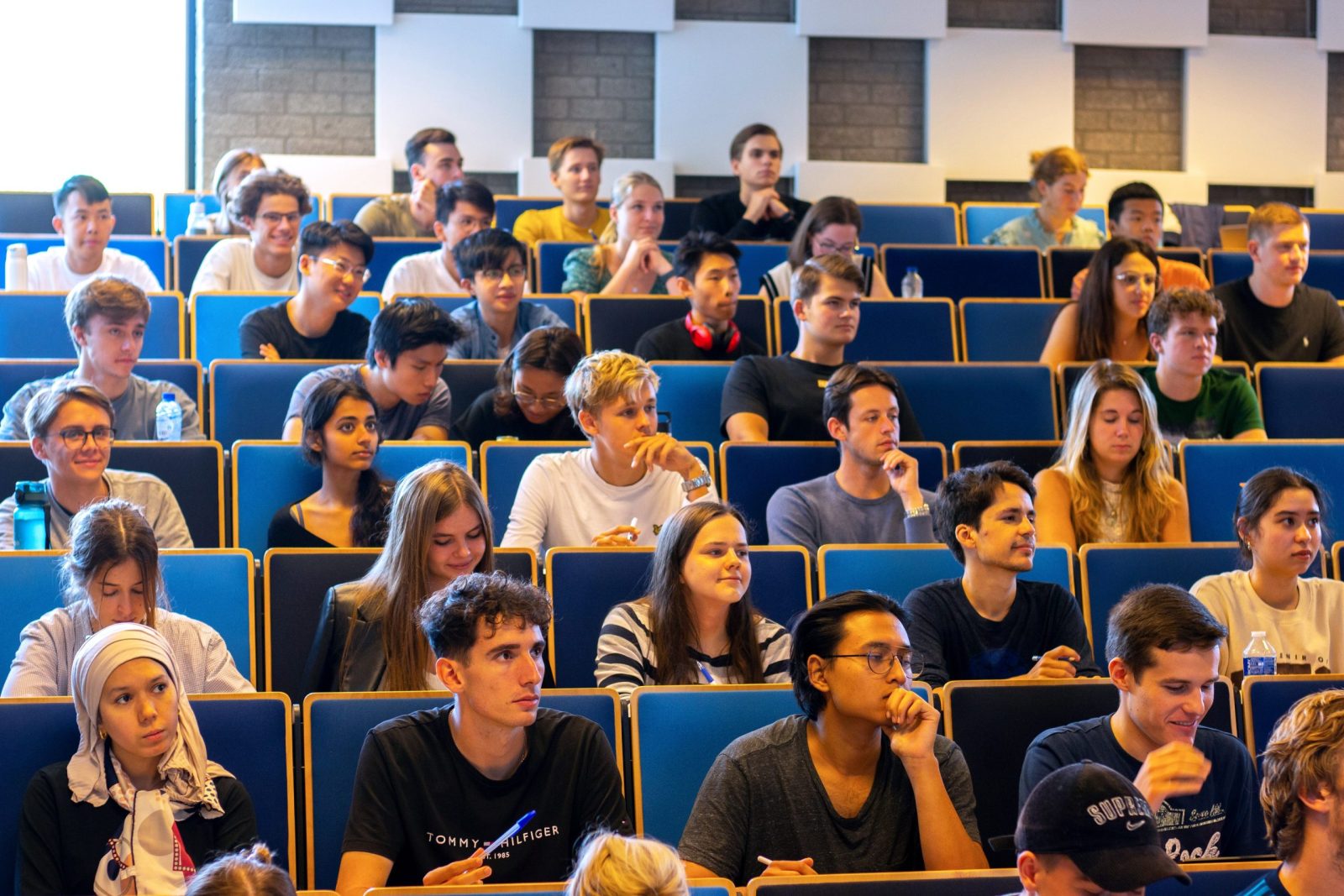
Image by: Shrey Khurana
The idea for a ‘smarter academic year’ was conceived by The Young Academy, the society of relatively young top scientists affiliated with the Royal Netherlands Academy of Arts and Sciences (KNAW). A comparison with other countries shows that the academic year in the Netherlands is up to nine weeks longer than elsewhere in Europe. This is thought to result in inefficiency and a high workload at universities in particular. Education Minister Robbert Dijkgraaf saw potential in the experiment and is now allocating 13 million euros for it.
Fourteen universities and Hanze University of Applied Sciences are taking part. The University of Amsterdam and Erasmus University are acting as coordinators. Each institution is allowed to participate with up to three pilot projects.
'Smarter'
In the trials, educational programmes can reduce the number of teaching weeks “in a sensible manner” and set up the academic year differently, without impacting the content. There will be teaching-free periods in which there is time for reflection, research, summer schools, student projects and internships.
Need
According to Dijkgraaf, the huge interest shows just how much students, lecturers and researchers need more ‘breathing space’. “Many students are suffering from overfull study weeks, lecturers are experiencing high workloads and researchers have too little time for research. We really have to improve that situation.”
Nevertheless, the ‘smart academic year’ has also been criticised. The ComeniusNetwork of lecturers in higher education warned that cutting lecture time could have a negative effect on the quality of education. And the Dutch National Students’ Association emphasised that reducing the number of teaching weeks must not be motivated by financial considerations.
The project, which runs until 2026, will be evaluated in two years’ time. Dijkgraaf is also considering facilitating more initiatives. The fourteen participating universities also include the University of Humanistic Studies and the Theological University of Apeldoorn. TU Delft and the Open Universiteit are not taking part.
Read more
-
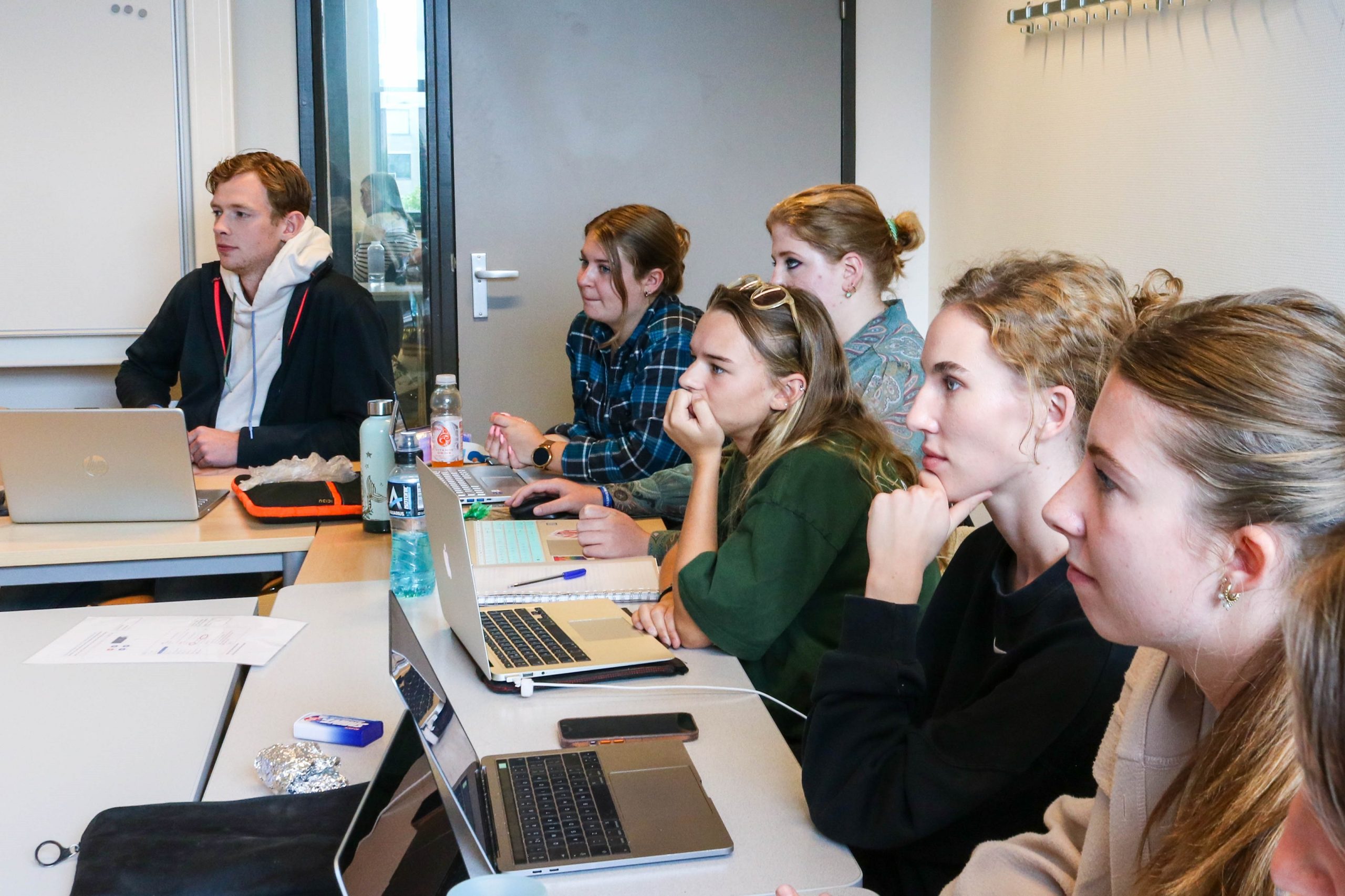
Green light for piloting shorter academic year
Gepubliceerd op:-
Education
-
De redactie
Latest news
-

TU Delft passed columnist’s name to police
Gepubliceerd op:-
Protest
-
-
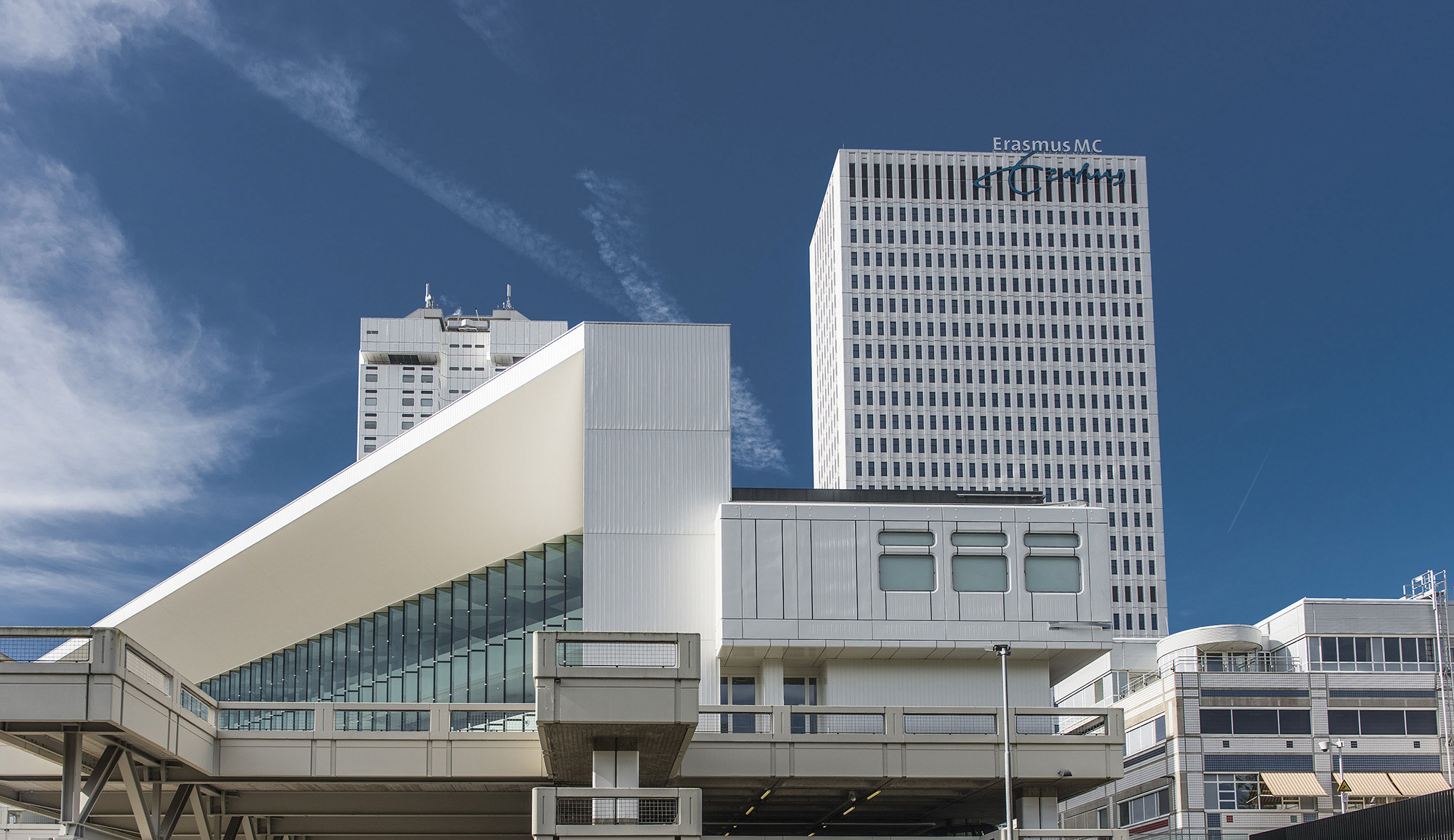
NOS: Crisis of trust and culture of fear in Erasmus MC intensive care unit
Gepubliceerd op:-
Safety
-
-

Psychological support and financial assistance for Iranian students in the Netherlands
Gepubliceerd op:-
Student life
-

Comments
Comments are closed.
Read more in Education
-

Letschert gives nothing away in first parliamentary debate
Gepubliceerd op:-
Education
-
Politics
-
-

EUR master’s in International Management among sixteen ‘excellent’ masters in the Netherlands
Gepubliceerd op:-
Education
-
-

Faculty honours programmes mostly continue, but have to adapt to budget cuts
Gepubliceerd op:-
Education
-