Positive and impactful research ‘currently not tenable at this university’

If this university wants to enable ‘positive’ and ‘impactful’ research, something has to change. From conversations with academics, it has emerged that the university currently relies too much on the leisure time of researchers who feel they receive little support. “You have to jointly reflect on the meaning of terms like ‘positive’ and ‘impact’, otherwise they become empty words”, says researcher Julia Wittmayer.
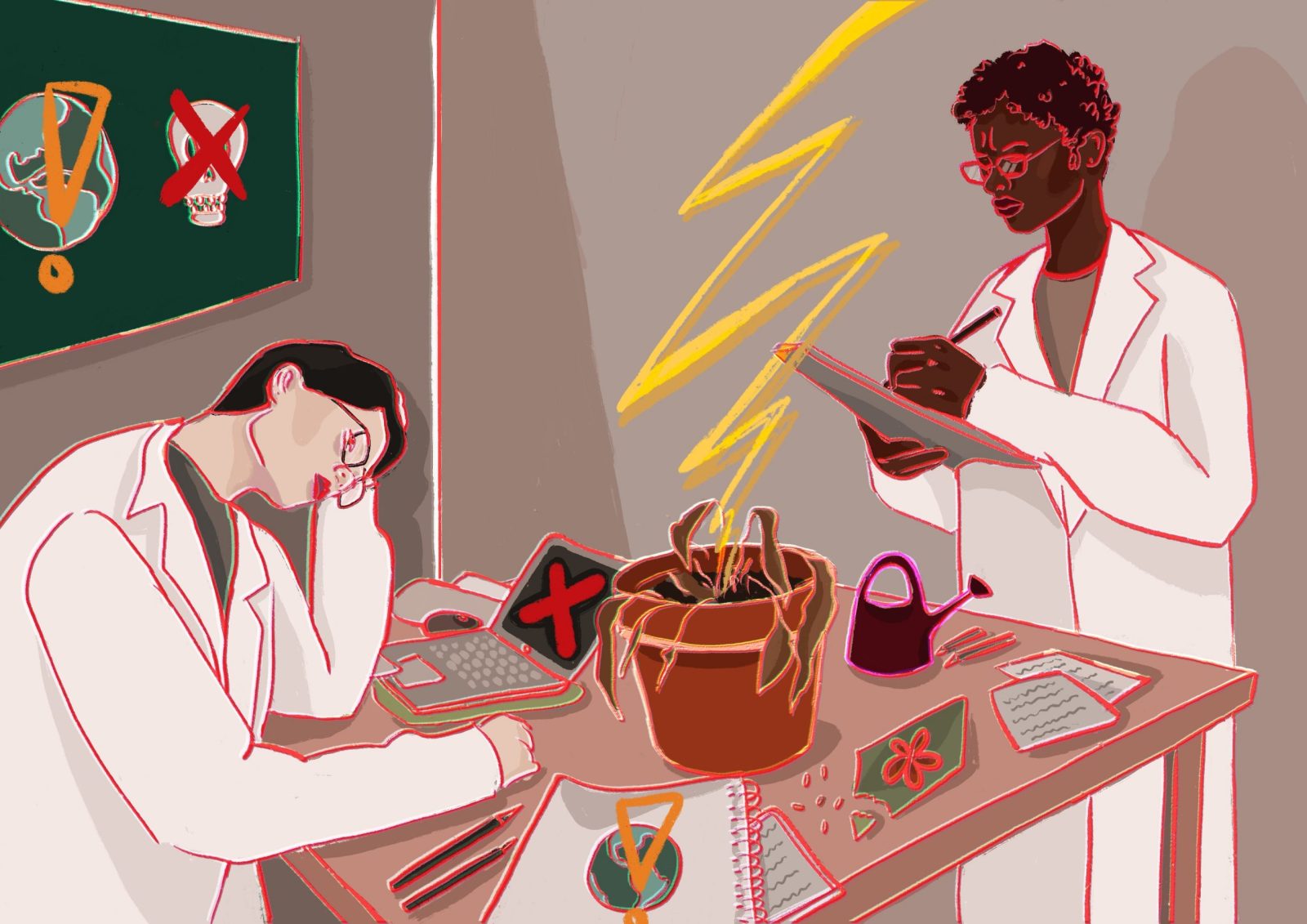
Image by: Josine Henneken
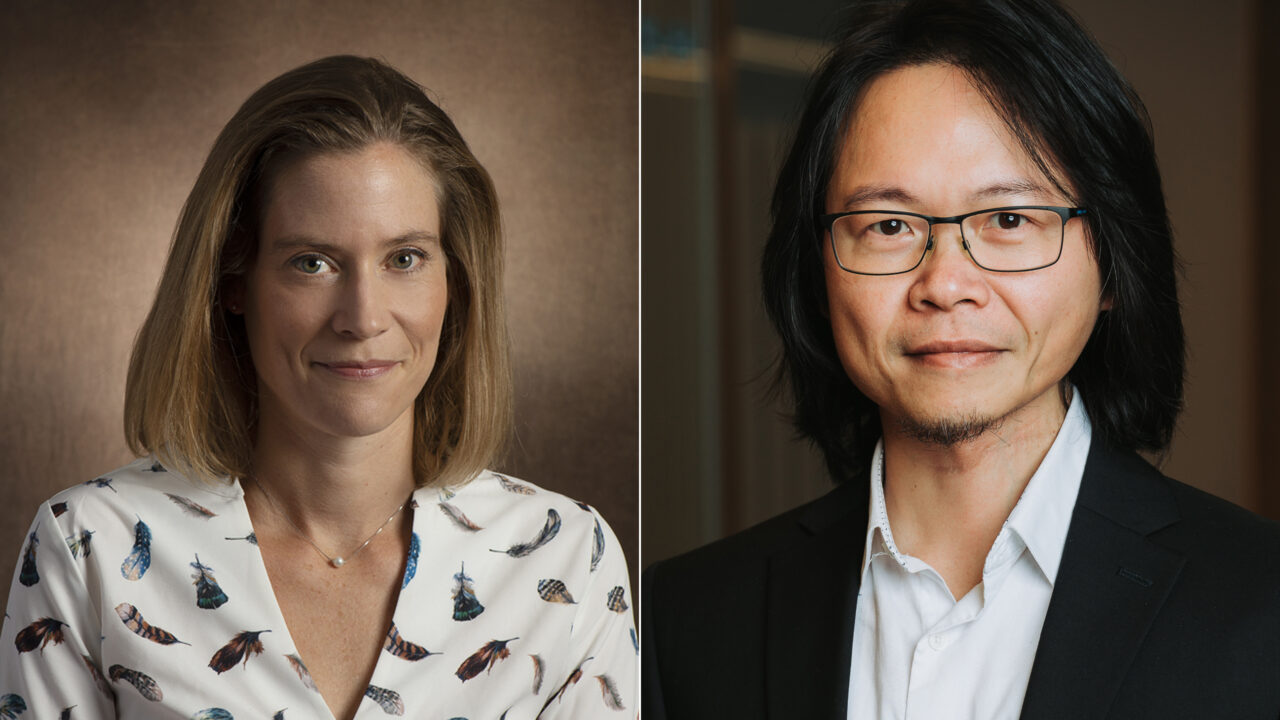
The university’s current mission is ‘to have a positive social impact’. According to Mayte Beekman and Julia Wittmayer of the Design Impact Transition (DIT) platform, that is a great commitment. The platform was launched in part to facilitate and encourage research ‘on complex and persistent social challenges’. To this end, Beekman and Wittmayer began a study on what motivates researchers to do this kind of research and what obstacles they encounter.
Beekman and Wittmayer spoke to 23 academics from various faculties along with eight support staff. All of these researchers are already focusing on what Wittmayer describes as ‘engaged or participatory and socially engaged research’. From the conversations it emerged that they are primarily driven by a deep conviction of the importance of these types of studies. The list of obstacles was considerably longer, Beekman and Wittmayer say. Based on this list, they formulated four lessons learned for the Executive Board.
Pretty ambitious
“The implementation of the mission is quite ambitious, so it will be a long process”, Wittmayer explains. “We have to go through this together. The mission is currently being carried out by a handful of enthusiastic, passionate researchers. There are support services, but the researchers feel they don’t get enough support and their concerns are not being heard. Conducting engaged research is currently not tenable at this university.”
Wittmayer sees that the university’s central administration does a lot to implement the mission, for example by launching initiatives and projects. “Things don’t get off the ground in the same way at faculties. Thus far, no structures are being changed to support a type of research that is critical of the current status quo. The researchers interviewed called the deans ‘a stumbling block to change’.”
Obstacles
‘You want academics who engage with society instead of staying in their ivory tower’
The researchers they talked to told Beekman and Wittmayer they don’t have enough time. “Conducting socially engaged research is more time-consuming than traditional academic research”, Beekman explains. According to Beekman, this is because researchers collaborate with parties outside the walls of the university. For example, if you’re doing research on and together with people living below the poverty line, it’s important to build a relationship. “You want academics who engage with society instead of staying in their ivory tower”, Wittmayer adds. “That requires a time investment researchers can’t afford to make right now.”
Researchers who do invest the time do not feel appreciation from managers. The university is working on an assessment system where academics will be assessed on more than just the grants they win and the articles they publish. Those doing engaged research have as yet noticed little change as a result of this, Beekman says. That raises concerns about their career prospects. “Engaged research is not a focal point like teaching, research and management”, Wittmayer explains. “Researchers only get room for it after they have a permanent appointment, and even then it still requires them to work in their leisure time. This does not motivate academics to choose this kind of research.”
(Lack of) support

Image by: Josine Henneken
Because engaged research involves more than just conducting research, researchers need support from university services like HR and communications. Beekman: “Take, for instance, setting up a workshop in Rotterdam-Zuid. What is the best way to do this? How can you reach specific groups?”
The lack of support from people in positions of authority and policymakers is another obstacle, Beekman says. “This includes the Executive Board as well as deans and doctoral supervisors. The university’s strategy focuses on impactful research, but researchers don’t always feel that support from administrators and professors.”
Classes
In their report, Beekman and Wittmayer make four recommendations. “You have to jointly define terms like ‘positive’ and ‘impact’, otherwise they become empty words”, Wittmayer says. According to her, these discussions are being held, but in different departments and often with a focus on measurement and frameworks. There should also be a single platform that facilitates participatory and socially engaged research and education, where researchers can share experiences. “Put one thing in place for 15 years. I’m afraid that if this doesn’t happen, a new strategy will be introduced in a few years and participatory and socially engaged research will not be expanded, but forgotten.”
According to Beekman, clarity needs to be provided about the career opportunities for academics who want to conduct engaged research. “That clarity has to come from higher up.” Beekman says this also relates to the question of ‘what the EUR’s role is in tackling social issues’. Beekman and Wittmayer believe that if the university shows that socially engaged research is a long-term mission, more researchers might be willing to take that step.
Response from Executive Board
“We have read the DIT’s report on engaged research with great interest. The conclusions contain interesting findings that offer good tools for discussing social impact with the EUR community. The points mentioned are also central to our current strategy and programmes. An example of this is the Evaluating Societal Impact project, which works for and with the EUR community to develop methods to evaluate the social impact of EUR research and education. We realise that there is still a lot of work to be done; change takes time. The conclusions in the report confirm this.”
Lees meer
-
The university wants to ‘create impact’. But what does that actually mean?
Gepubliceerd op:-
Board
-
De redactie
-
 Tessa Hofland
Editor
Latest news
-
Letschert gives nothing away in first parliamentary debate
Gepubliceerd op:-
Education
-
Politics
-
-
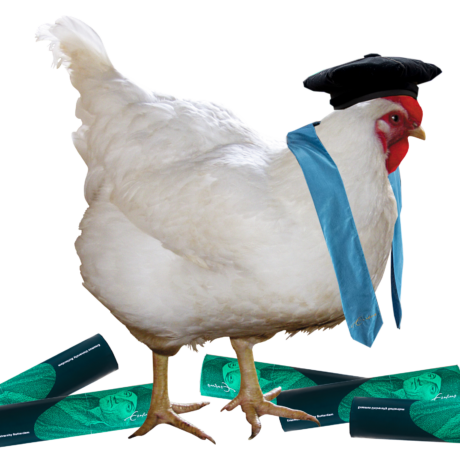
Away with the ‘profkip’, says The Young Academy
Gepubliceerd op:-
Science
-
-

House of Representatives wants basic grant for university master after HBO
Gepubliceerd op:-
Money
-
Politics
-


Comments
Comments are closed.
Read more in Science
-
Away with the ‘profkip’, says The Young Academy
Gepubliceerd op:-
Science
-
-
Two Vici grants for researchers ESE and ESPhil
Gepubliceerd op:-
Science
-
-

Participants in dialogue on academic freedom want actions to match words
Gepubliceerd op:-
Science
-