Ad

It’s not the protests that are the problem, it’s our relationship with Shell
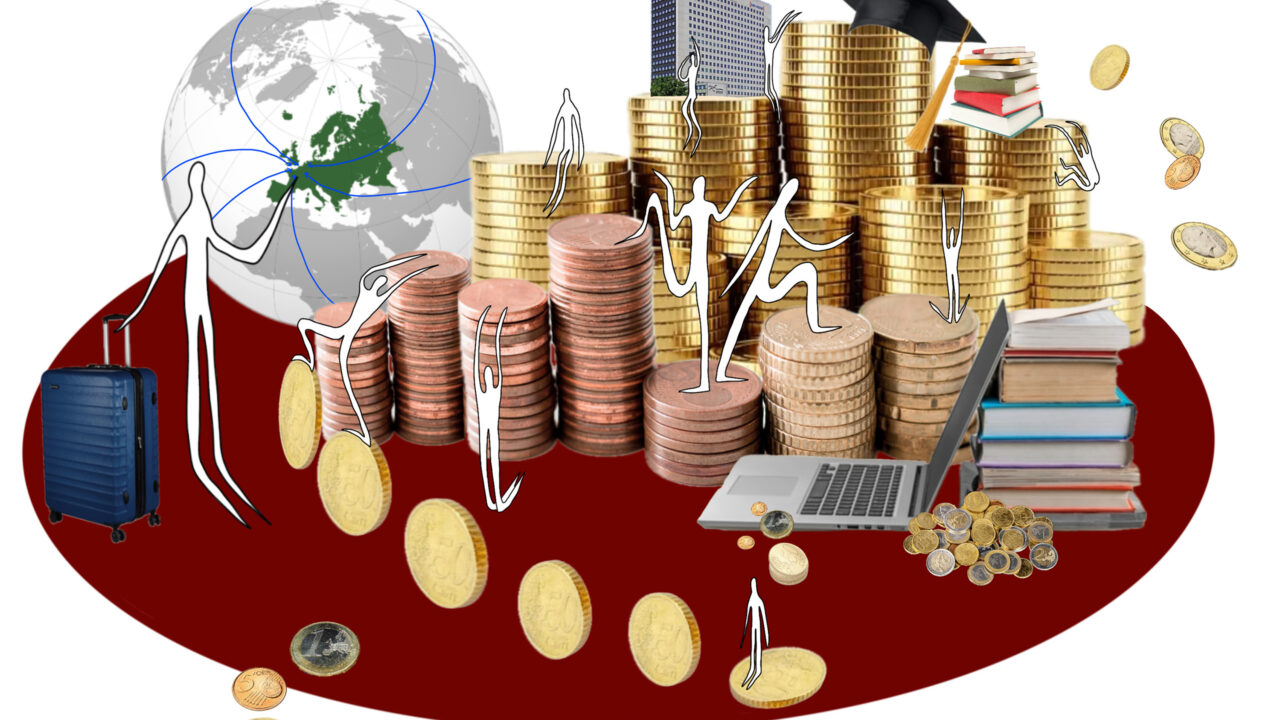
Last year, the universities’ pension fund ABP severed its ties with the fossil fuel industry and with Shell in particular, in which the fund had in excess of 430 million euros’ worth of shares. The relationship with Shell was also a significant focus of the protest organised by OccupyEUR, a group of staff and students who occupied the Sanders building on 28 November.

Image by: Levien Willemse, Pauline Wiersema
What proved to be an easy-going, convivial protest culminated in the police moving in. It’s Erasmus University’s relationship with heavyweights like Shell that should be the focus of discussion rather than these protests. This isn’t a new subject by any means, and even our own pension fund has already reached a verdict on the matter.
For many people, Shell used to be a source of pride for the nation. Others took the view that it was the ultimate symbol of the political arena and the business world being in bed with one another. Shell had a powerful lobby in The Hague, and our ministers of Finance (Sigrid Kaag) and Foreign Affairs (Wopke Hoekstra) have carved out careers there. For many years now, Dutch embassies abroad have surreptitiously operated as lobbyists for the multinational. It has exerted a great deal of influence on domestic politics, including on policy pertaining to gas extraction in Groningen and tax regimes for multinationals. And the blame should be pinned squarely on the politicians – after all, they’re the ones who gave Shell this latitude.
The issue of the relationship between Shell and the EUR has been raised many times, particularly by students. In fact, it was a former student who investigated the ties between the company and the university and the integrity issues that this could give rise to in education and research back in 2017. The debate on dividend tax in 2018 served to demonstrate that such issues could indeed arise. It became evident at that juncture that the lobbying done by employers’ organisation VNO-NCW had been based on research conducted at Erasmus University. Which was partially funded by Shell, a multinational that itself had considerable interests in these lobbying efforts. That whole affair eroded trust in science.
Shell and EUR
- ‘Shell able to influence design of RSM curriculum’
- Controversial RSM study used as grounds for abolishing dividend tax
OccupyEUR’s primary call and the reason for the occupation was for the university to cut ties with the fossil fuel industry, including with Shell. This strikes me as a good opportunity to revisit those ties and subject them to scrutiny. What relationships exist and why were they entered into in the first place? What agreements were made in that regard and what issues might we expect to crop up? The spirit of the times is changing, and what was once considered normal is now being viewed from a different perspective. The calls made by these students and staff are far from radical. They are the natural extension to a debate that our pension fund ABP has already had. These are questions that we need to be able to discuss openly nowadays.
Read more
-

Science is not politics on demand
Gepubliceerd op:-
Column
-
De redactie
-
 Ronald van Raak
Columnist
Latest news
-
Interest on student debt at highest level in 17 years
Gepubliceerd op:-
Money
-
-
Behind on repaying your student debt? DUO may soon pass the details on to your municipality
Gepubliceerd op:-
Politics
-
-

Extra funding for higher education does not keep pace with inflation
Gepubliceerd op:-
Education
-
Politics
-
Comments
Comments are closed.
Ad
Read more in Column
-
The drama of Jason Arday
Gepubliceerd op:-
Column
-
-
The president of the Executive Board hopes scientists will draw energy from hot air
Gepubliceerd op:-
Column
-
-

Notes on your phone
Gepubliceerd op:-
Column
-