Ad

Online education leads to lower grades and study delays

There is a link between online education and study delays, according to the conclusions of three researchers from the Erasmus School of Health Policy & Management. “In short: the more online education, the greater the risk of study delays”, says researcher Manja Vollmann. Together with her colleagues Femke Hilverda and Renee Scheepers, she conducted a national study on online education during the pandemic. They will present the results during a symposium on Thursday.

Image by: Rachel Sender
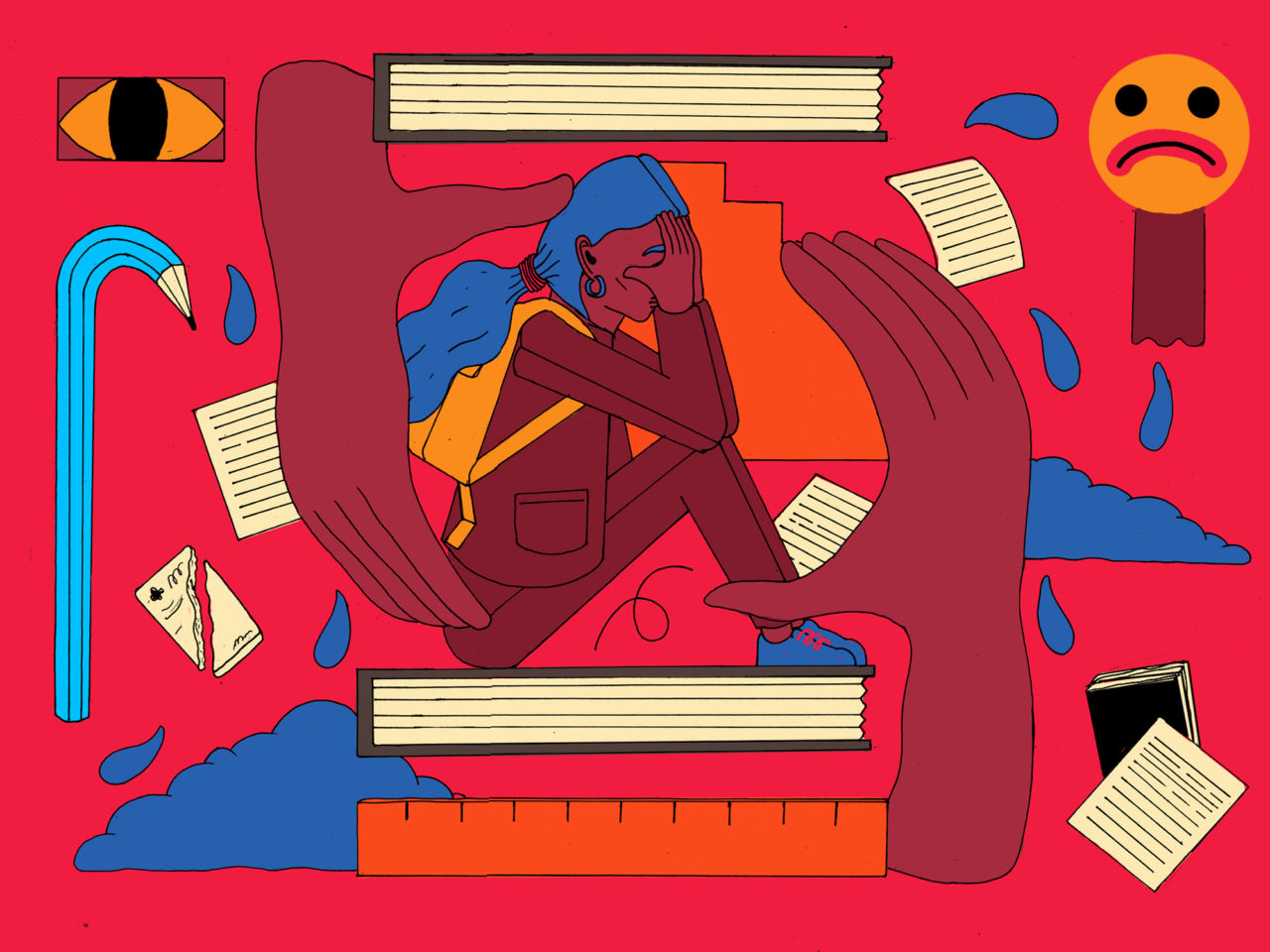
According to the study, students are less positive about online education than in-person education. During the lockdowns in particular, students reported more burnout symptoms and were less satisfied with their courses. Decreased student well-being affects average marks at the end of the academic year and the risk of study delays. “Students were dissatisfied with online education, so they were less committed to their studies, which resulted in lower marks and study delays”, Vollmann explains.
Lees meer
-
Student Wellbeing Monitor: EUR students on the edge of depression and burnout
Gepubliceerd op:-
Mental health
-
Who does benefit from online education?
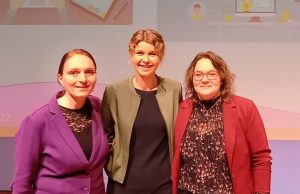
From left to right: Manja Vollmann, Renee Scheepers and Femke Hilverda
Image by: personal collection
Vollmann, Hilverda and Scheepers conducted the study among 680 Dutch students during the 2020-2021 academic year. “Throughout the year, we distributed a survey three times in which we asked students what their lectures were like and what their experiences were with online education”, Hilverda says. They surveyed the same students each time to identify developments over the course of the year. “This allowed us to measure different situations. During the first measurement in November 2021, universities offered limited in-person education. We took the second measurement during the lockdown in March 2021, and the third in June 2021 when the universities reopened.”
Lees meer
-
Rector: ‘Excessive performance culture at the EUR has to change’
Gepubliceerd op:-
Mental health
-
The researchers also examined whether there are specific groups that do benefit from online education. “We did not find any clear indications for this”, Hilverda says. “All students, regardless of gender, personality and background, experience the same thing: the more online education they have, the less satisfied they are.”
In-person education is extremely important
Due to the negative effects of online education, the researchers argue that universities should continue to offer in-person education during a new coronavirus wave. “On the one hand, you have public health, but on the other, you have student well-being and the quality of education”, Vollmann explains. “If we want to have well-educated future professionals, then we have to give more weight to in-person education.”
Lees meer
-

ESHPM study: it helps students when online education is interactive
Gepubliceerd op:-
Education
-
“If courses really need to be held online, then it’s important to foster social interaction with lecturers and fellow students”, Hilverda says. The results indicate that the negative impact of online education disappears if students have a lot of support from their classmates and a large network. The researchers also found that interaction with lecturers and fellow students has a positive effect on academic commitment and enthusiasm and subsequently on average marks.
Symposium
The three researchers will present the results on Thursday during a symposium at the Pavilion. Lecturers, students, education specialists and policymakers will also come together at the symposium to discuss education and student well-being.
De redactie
-
 Feba Sukmana
Editor
Latest news
-

TU Delft may not favour women in admissions to courses
Gepubliceerd op:-
Education
-
-

Hate campaigns and political pressure: KNAW wants legal protection for academic freedom
Gepubliceerd op:-
Science
-
-
Signing up for a Dutch course ‘feels like a race’, no more places available for now
Gepubliceerd op:-
Internationalisation
-

Comments
1 reactie
Comments are closed.
Ad
Read more in Science
-
Hate campaigns and political pressure: KNAW wants legal protection for academic freedom
Gepubliceerd op:-
Science
-
-

Why Philip Hans Franses had students look in wallets at a DIY store
Gepubliceerd op:-
Eureka!
-
-
Nobel Prize for research into ‘stabilisation’ of the economy
Gepubliceerd op:-
Science
-

Mario C. op 18 November 2022 om 17:24
Interesting positioning of scientists claiming that online education was the cause of study delays..
Can scientists confidently use a single measure – a self-reported percentage – to validly measure the degree of online education? What does 23% online education mean?
Did online education contribute to study delays, or perhaps the global pandemic that engulfed us in 2021?
Were these study delays significantly different to those of previous years?
A critical perspective seems to be secondary nowadays compared to en masse clickbait reports..