Students and staff take part in the climate march: ‘The climate crisis is also a health crisis’
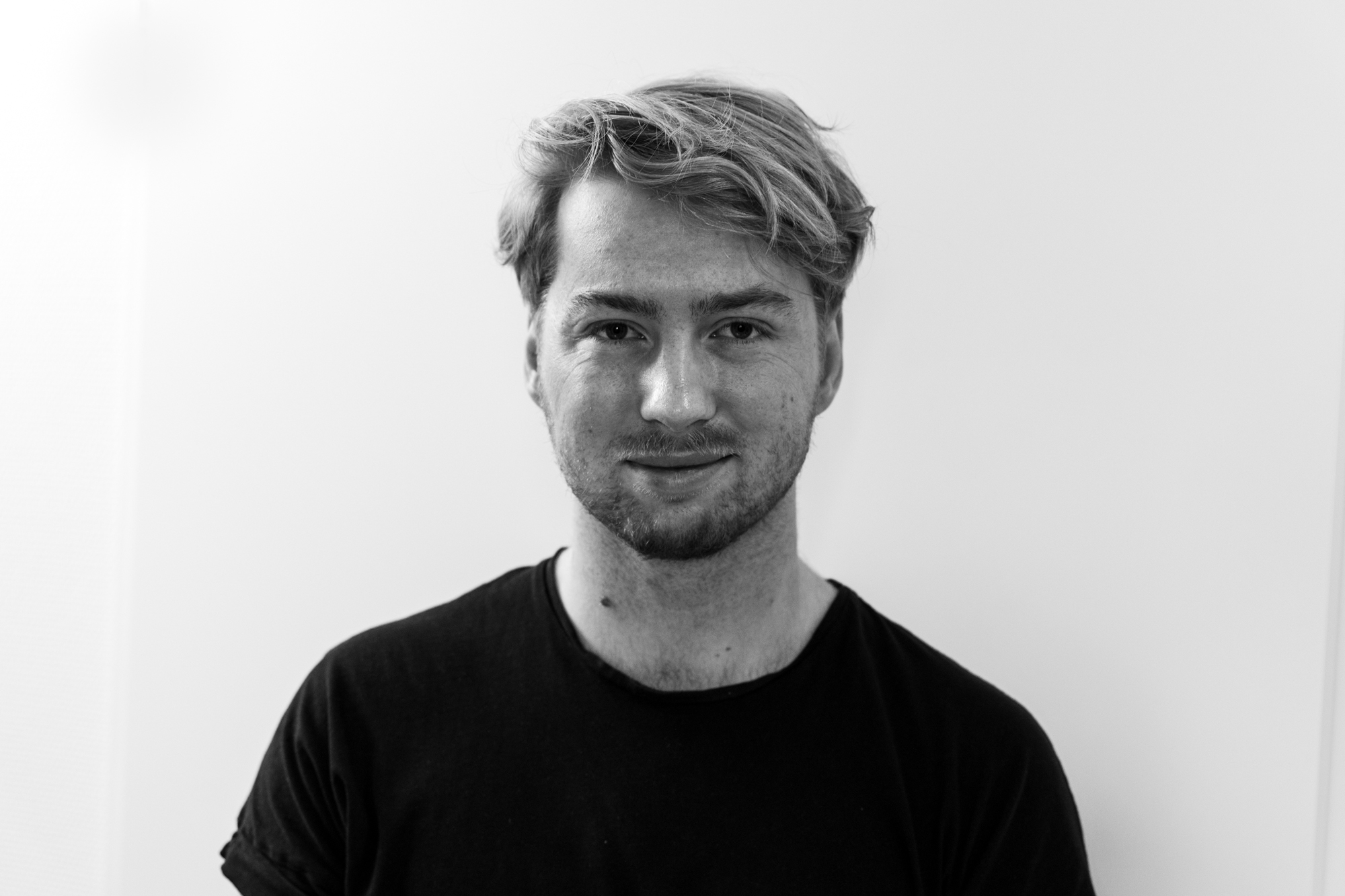
On Sunday afternoon, ten thousand people took part in the climate march in Rotterdam, demanding action against climate change. They included many students and staff from Erasmus University. Why were they marching, what changes do they want to see and how can the university play a role in this?
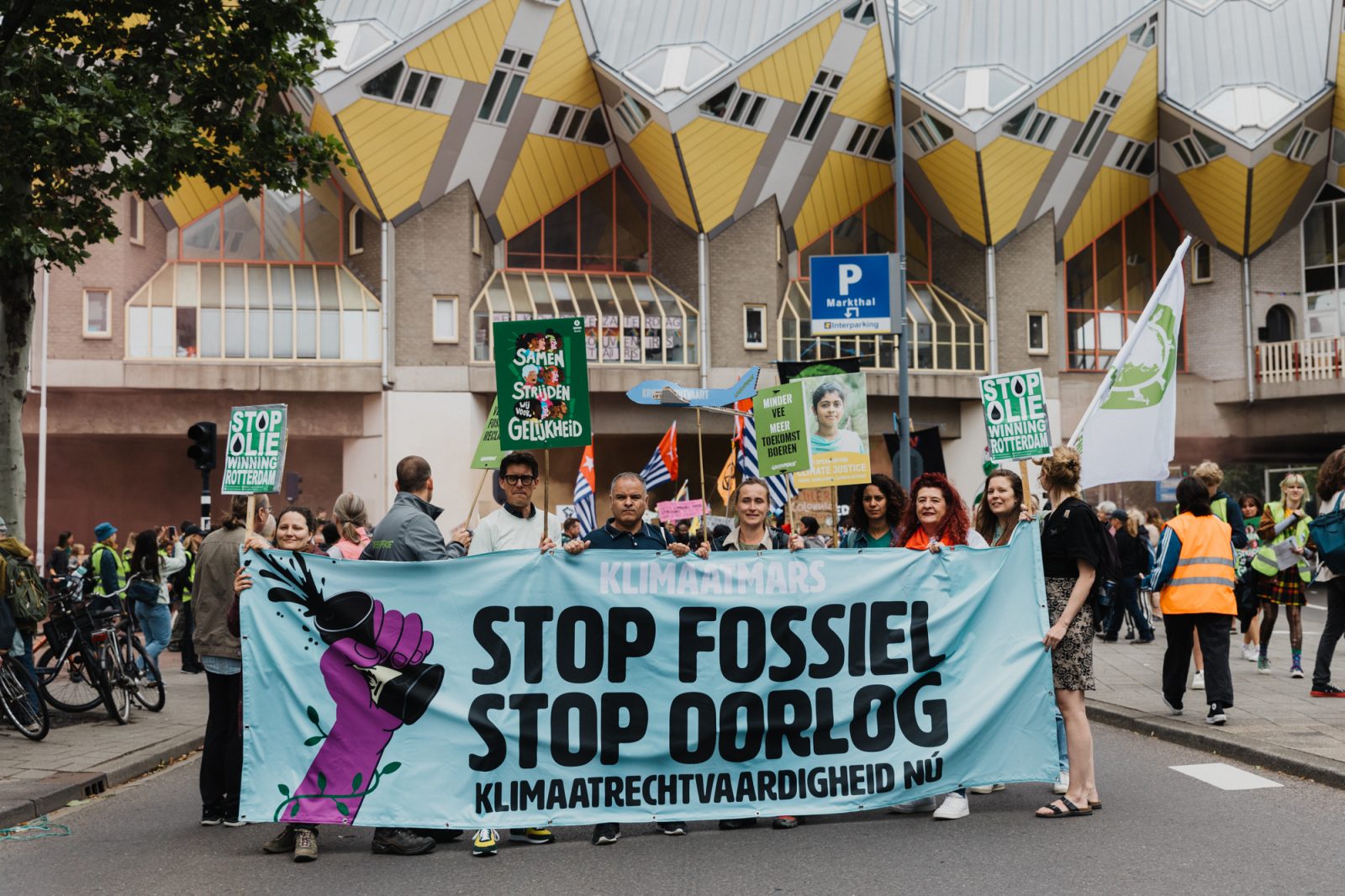
Image by: Wouter Sterrenburg
For Willem Schinkel, professor of Sociology, taking part in the climate march is a no-brainer: “Whether you study or work at EUR: we all live on a planet whose resources are being exploited. I hope that this protest will add fuel to the fire and show that change is necessary, to use a rather inappropriate metaphor.”
Critical approach
Schinkel sees the nature of the problem in unbridled capitalism, which is the basis for the exploitation of raw materials and the pollution of the planet. “I’d like to see our university changing its role in this: we are currently educating a capitalist elite, which will then work in industry and contribute to that exploitation and pollution. That needs to change.”
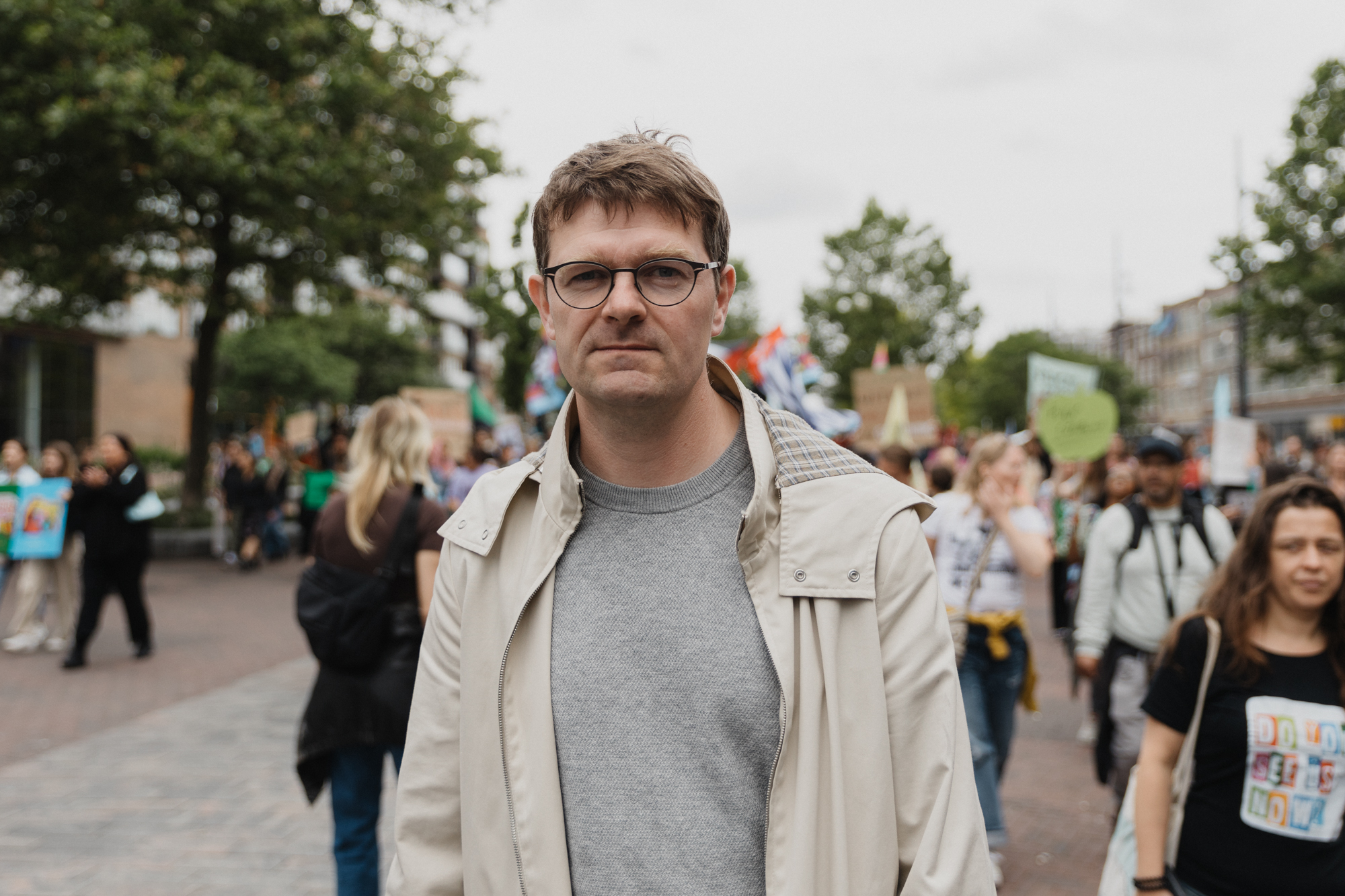
The professor hopes that there will be more scope in the bachelor Sociology for the theme of climate change but is glad that there is room in the master Engaging Public Issues to address the subject from the social sciences.
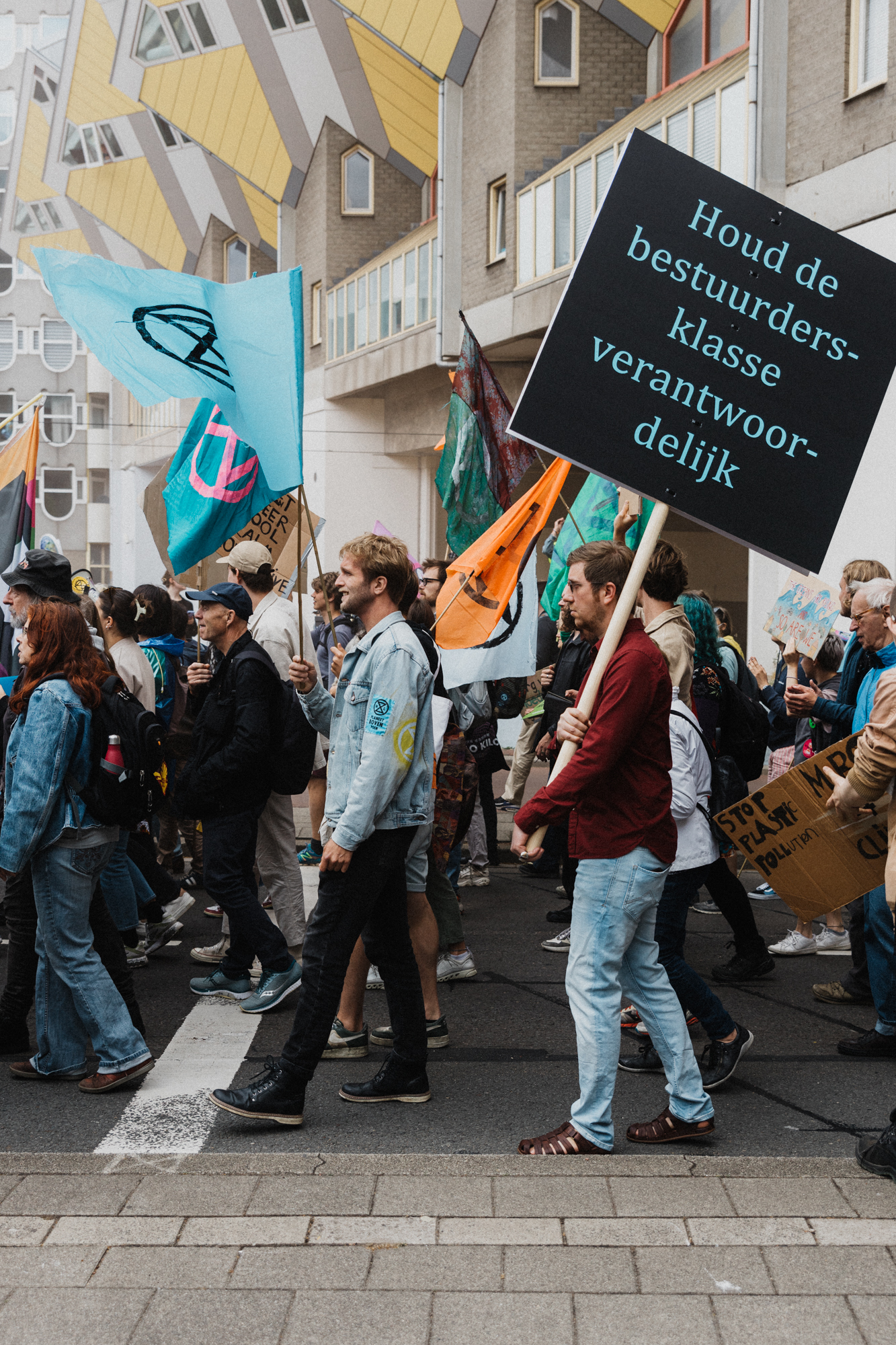
Image by: Wouter Sterrenburg
Jaïr van Nes is doing that programme and is glad about the critical theoretical approach taught in the master. “Partly thanks to my study, I now know more about how social subjects like climate change are framed. Companies like Shell like to claim that climate change can’t be prevented and is very complex, whilst making conscious choices that ruin ecosystems.”
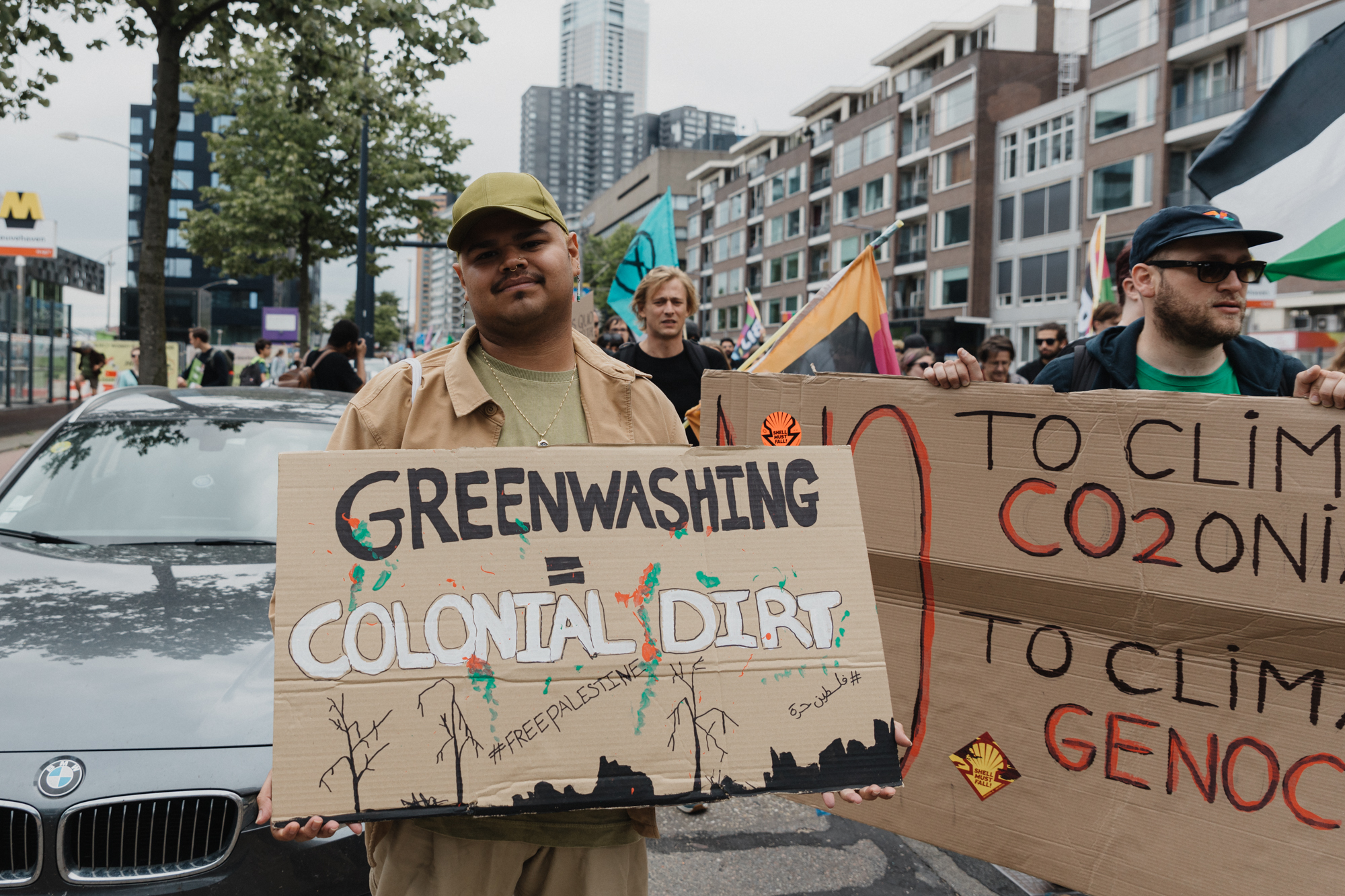
Image by: Wouter Sterrenburg
Flying to conferences
Justine van de Beek, who is doing a PhD at the Erasmus School of Health Policy & Management, sees plenty of scope for improvement in the academic world. She is amazed, for example, about the air miles notched up by scholars: “We have a massive climate crisis, yet scholars are constantly flying to conferences abroad. When I discovered that, I was surprised to see so little awareness, particularly in a group who you’d expect to be more aware. In other areas, I think we do well: we are increasingly moving towards offering a vegan range on campus. However, I’d like to see us including the role of sustainability more in our own research.”
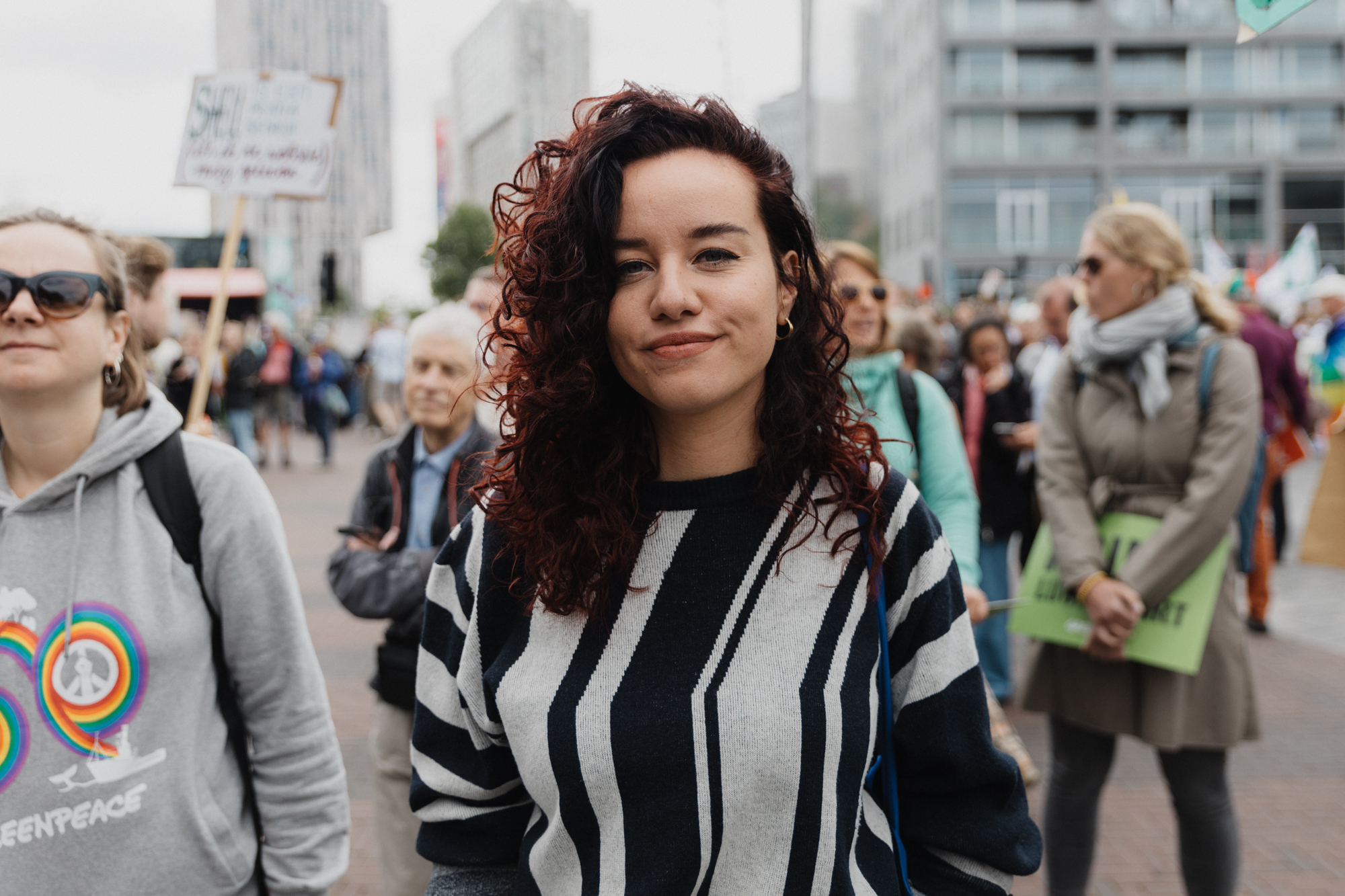
Image by: Wouter Sterrenburg
During the climate march, many different groups were represented: from the grandparents for climate to groups of anarchists, and from political parties to the trade union FNV. One of those groups was the healthcare block, consisting of doctors, nurses, mental healthcare workers and medical students.
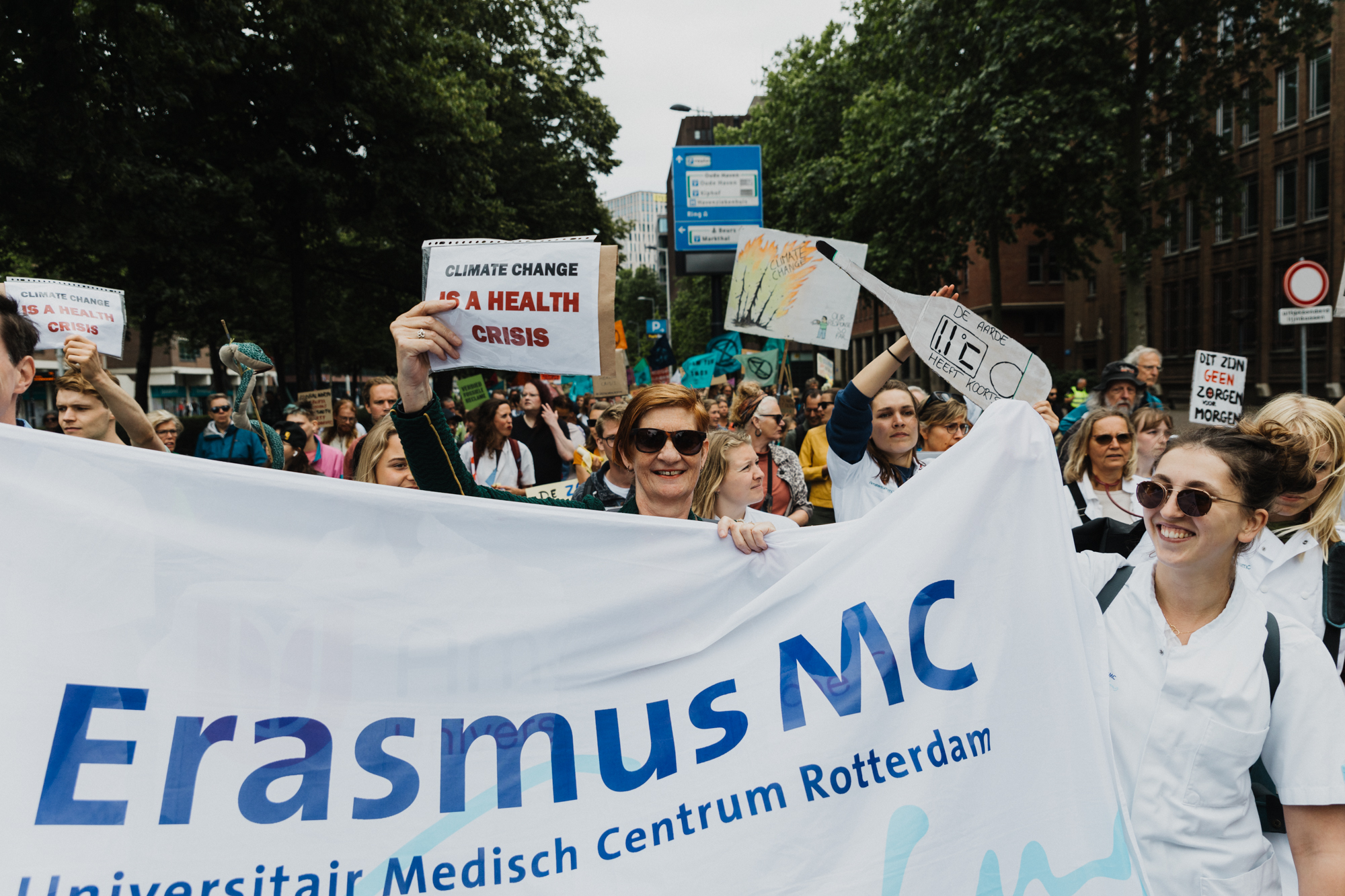
Image by: Wouter Sterrenburg
Health crisis
Final year medical student Juliette Mattijsen was one of them. At Erasmus MC, she promotes education about the relationship between climate and health. “Climate change sometimes seems far away, but it’s about you, me, your loved ones. Climate change makes people ill. I hope that this protest will make that more tangible. We must fully include health in climate policy.”
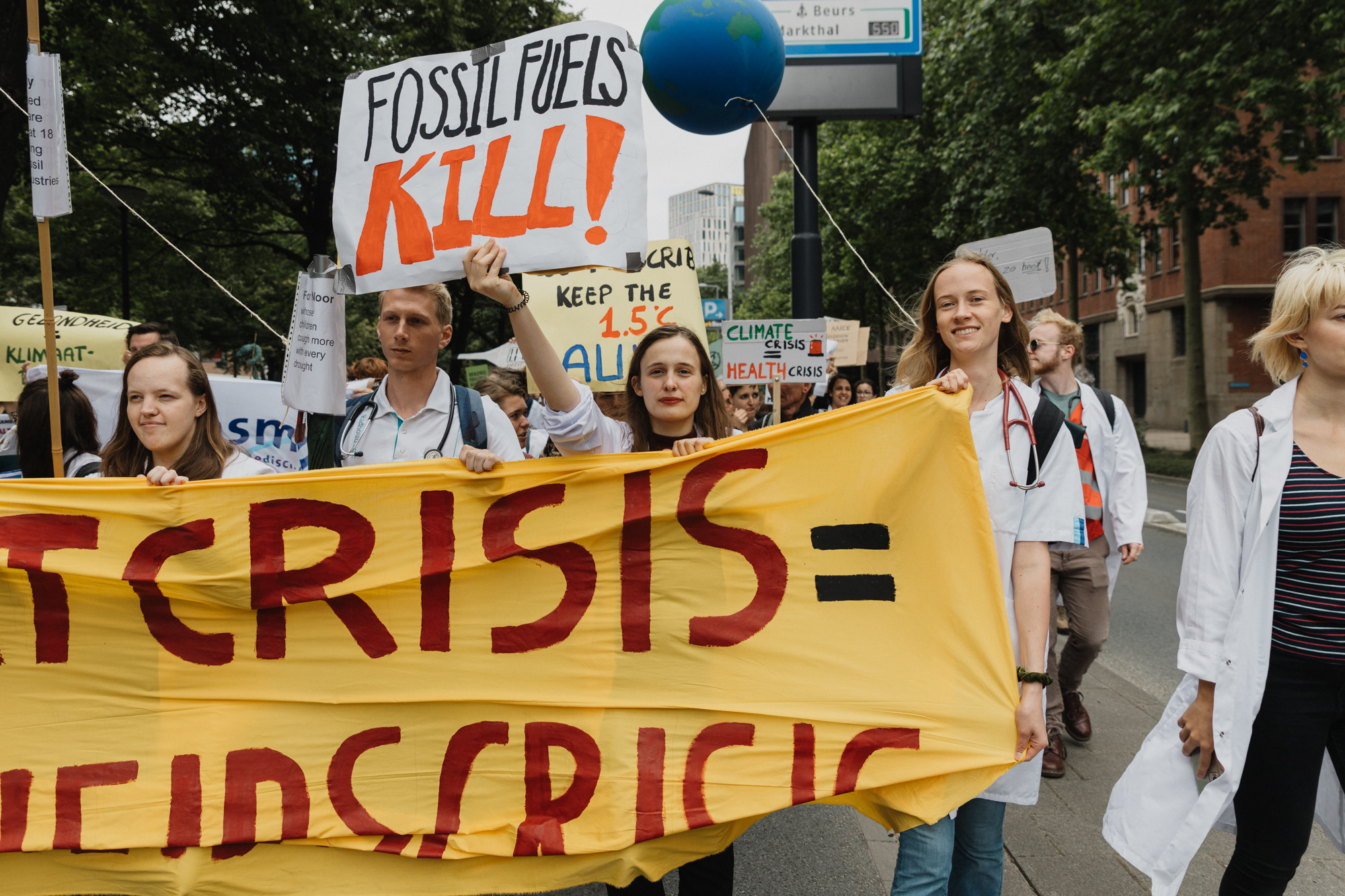
Image by: Wouter Sterrenburg
According to Juliette, the university could play an important role in that: “We must obviously give a good example, by improving our own sustainability and reducing emissions. But we academics must also be prepared to take a political stand and include the consequences of climate change on health in the medical programme. We must do everything we can to avert this crisis and not give up on that one and a half degree warming: the climate crisis is also a health crisis.”
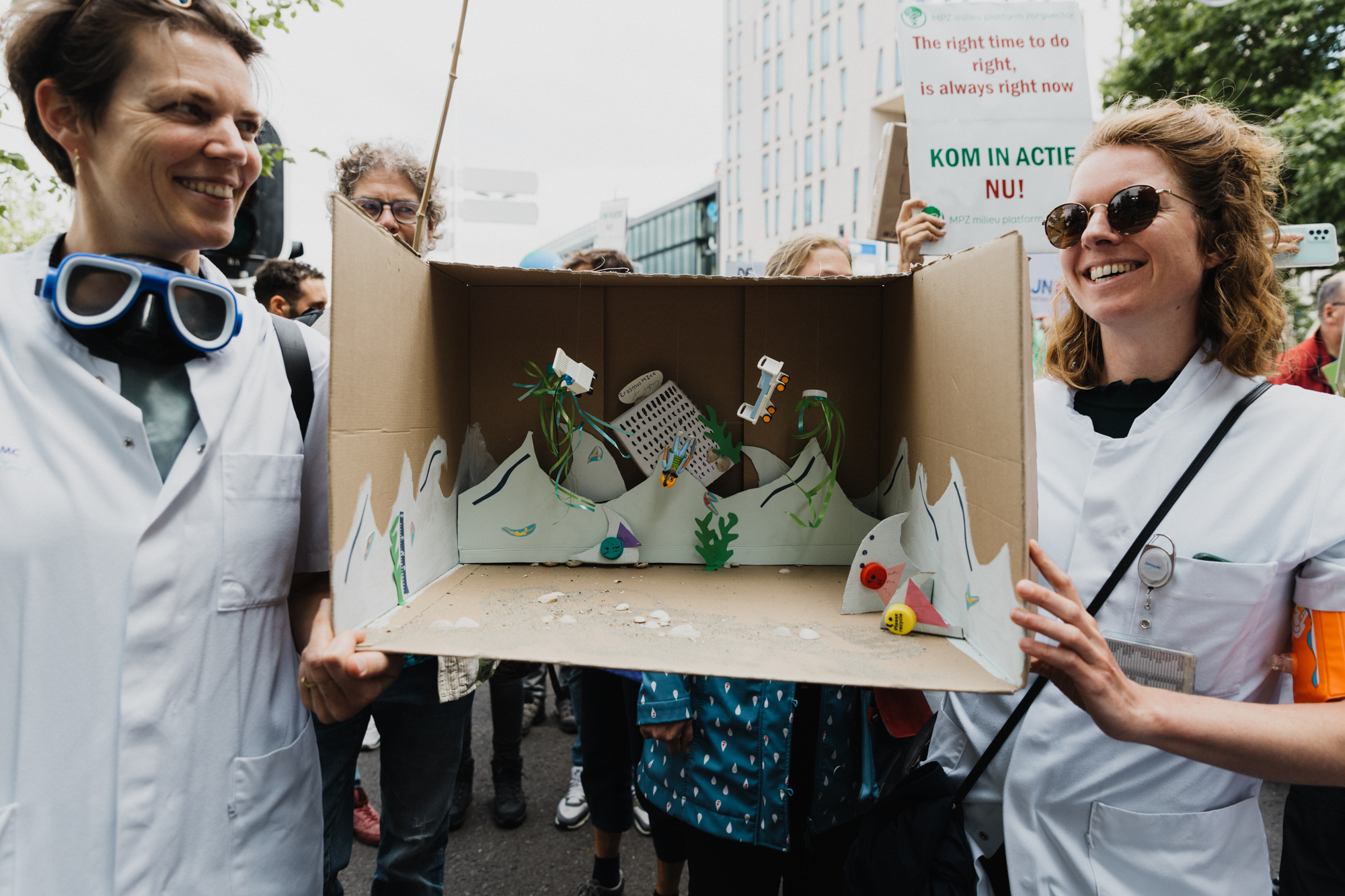
Image by: Wouter Sterrenburg
De redactie
Latest news
-
Letschert gives nothing away in first parliamentary debate
Gepubliceerd op:-
Education
-
Politics
-
-
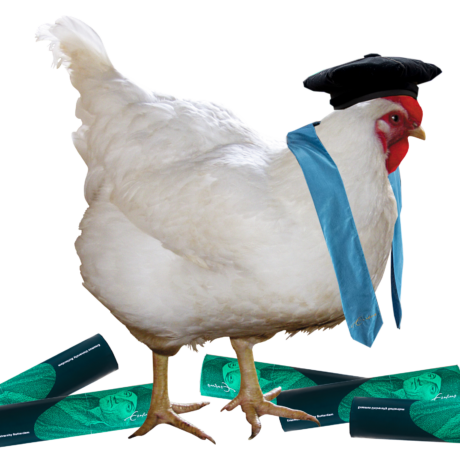
Away with the ‘profkip’, says The Young Academy
Gepubliceerd op:-
Science
-
-

House of Representatives wants basic grant for university master after HBO
Gepubliceerd op:-
Money
-
Politics
-


Comments
Comments are closed.
Read more in Sustainability
-
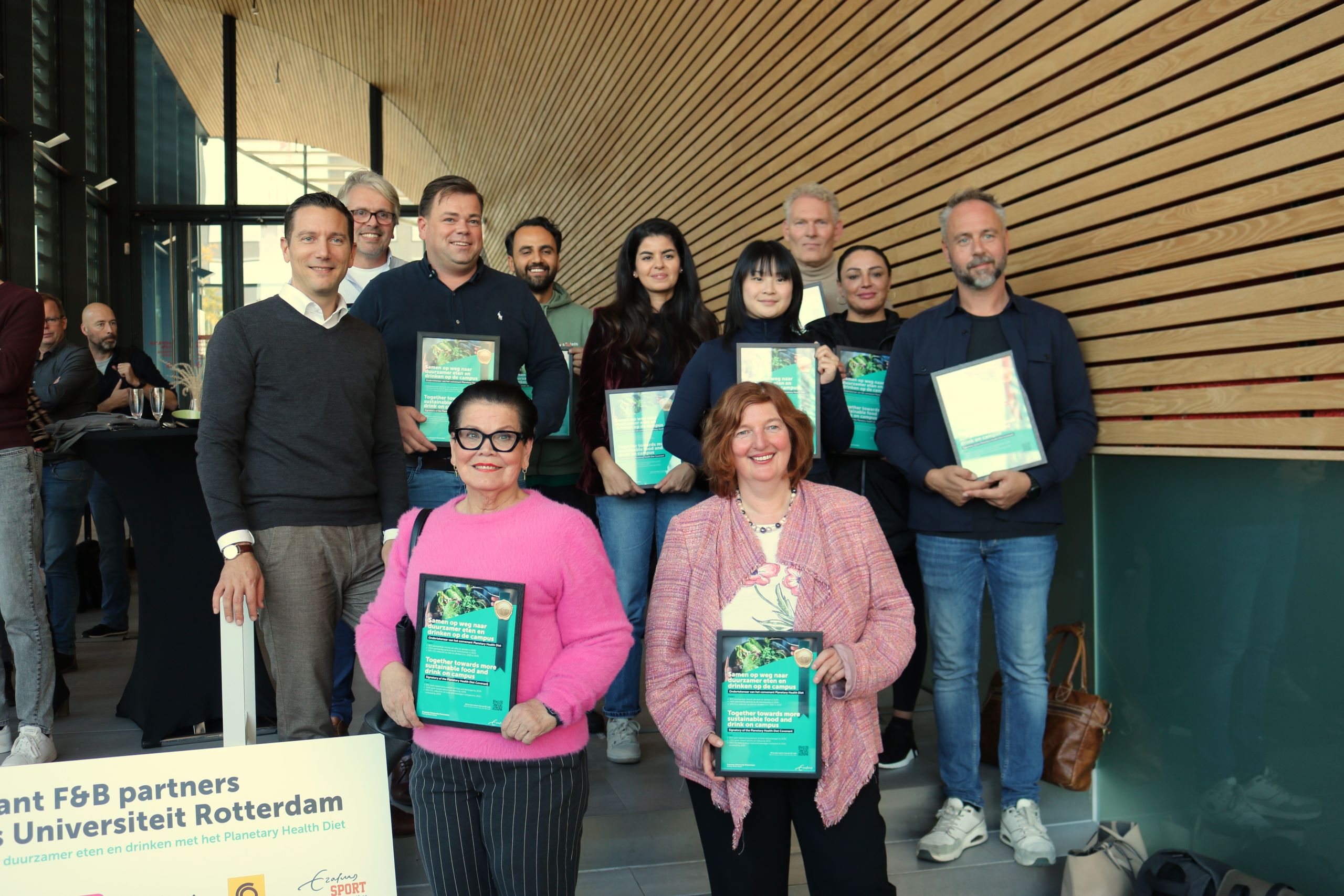
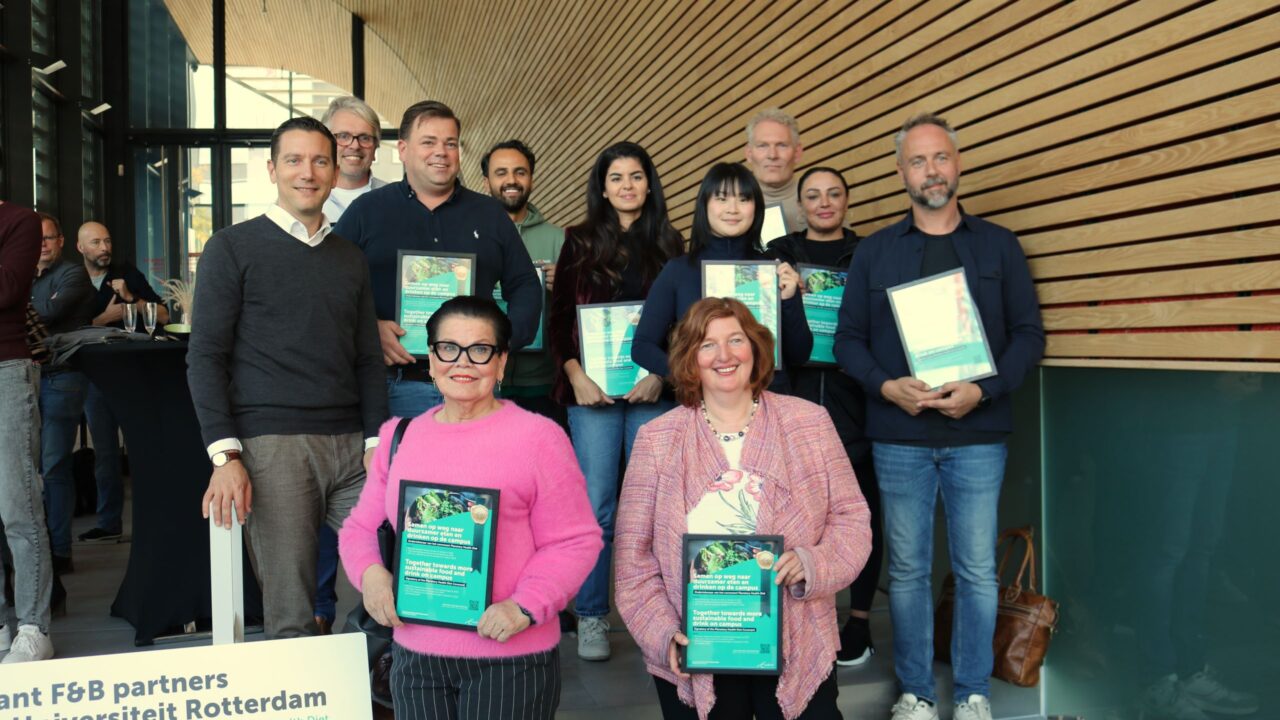
Campus food companies aim for 50 per cent plant-based by 2030
Gepubliceerd op:-
Sustainability
-
-
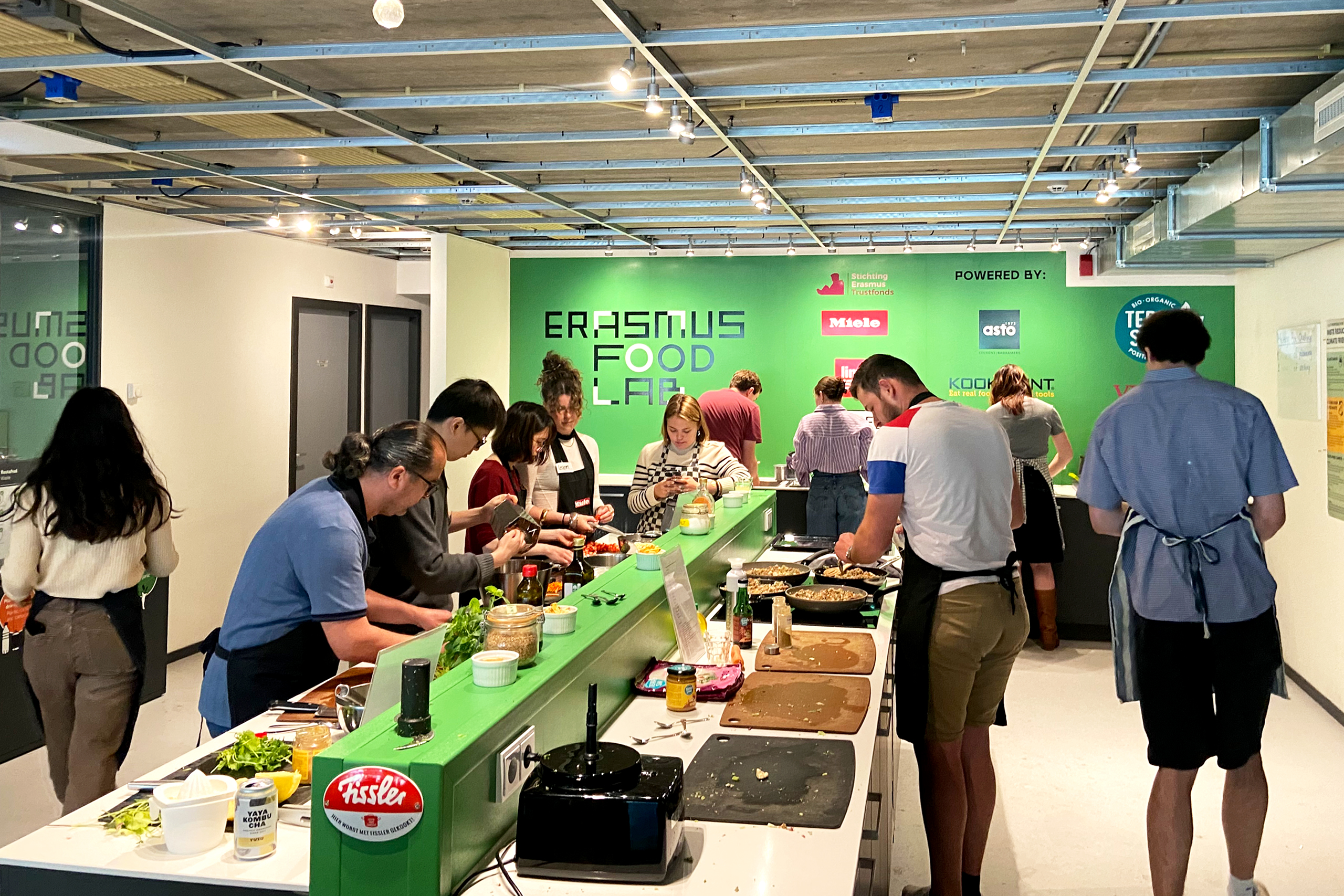
Students cut, cook and compost correctly during Sustainability Days
Gepubliceerd op:-
Sustainability
-
-
Committee on fossil industry: Collaboration must meet ‘moral minimum’ or stop
Gepubliceerd op:-
Sustainability
-