Ad

Boycott on Russian academia, but not a witch hunt

As expected, the Cabinet today called on Dutch academia to pause all partnerships with institutions in Russia and Belarus, in light of the invasion of Ukraine. Similar requests have also been made in Germany and Denmark, and by the European Commission.
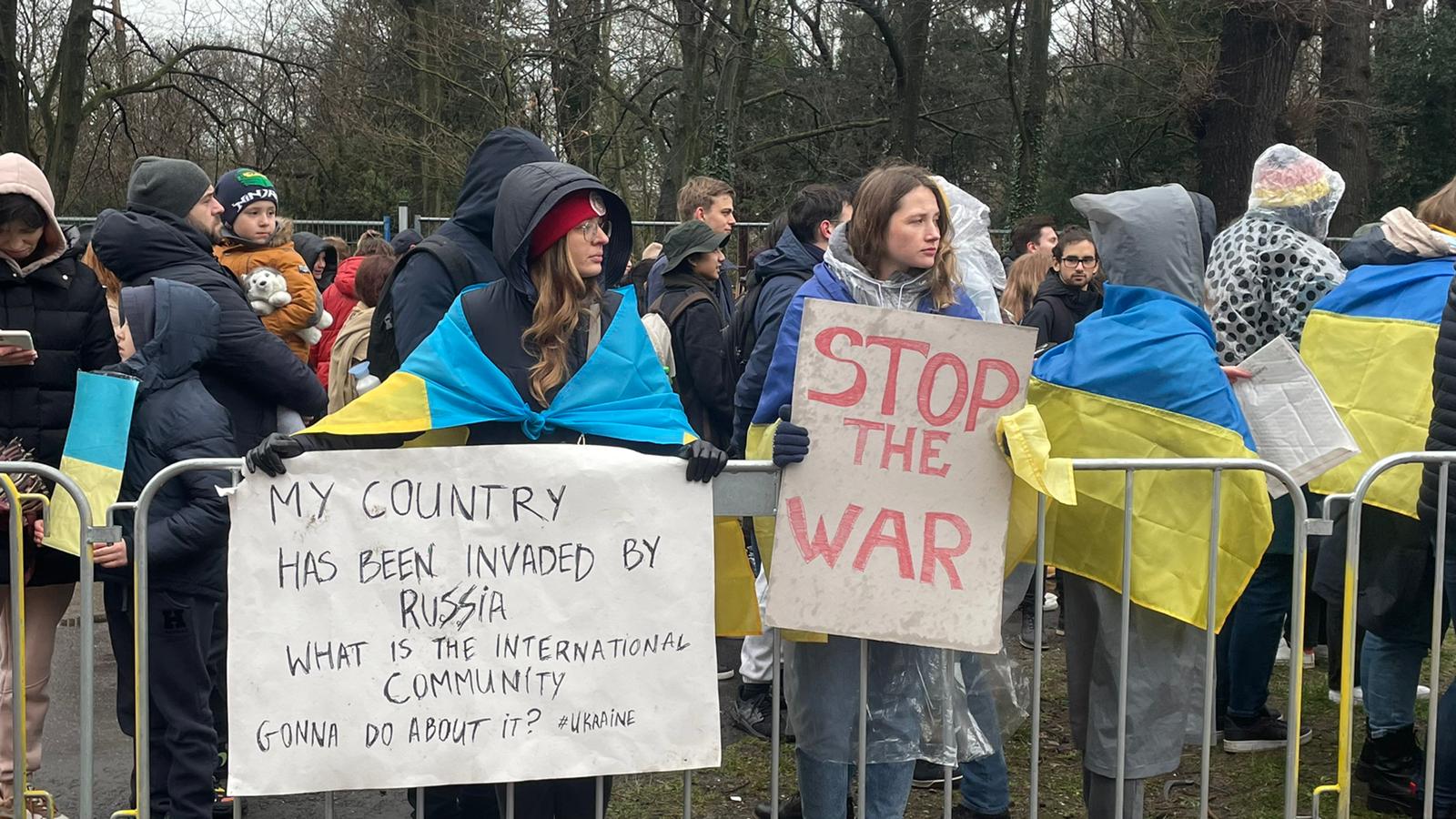
The Dutch higher education network UNL has already expressed support for the Cabinet’s position, as have research funder NWO and the Royal Netherlands Academy of Arts and Sciences, KNAW. The statement does note that the Dutch scientific community laments the impact on education and research.
“Research flourishes through international collaboration and the open exchange of knowledge, insights and ideas”, the statement continues. “That is why we are not only taking these measures but also supporting Russian and Belarusian researchers, teachers, students and organisations speaking out against the invasion of Ukraine.”
Students and staff
- ABP sells investments in Russian companies
- Netherlands about to end academic collaboration with Russia
- Higher education institutions support both Ukrainians and Russians
There are currently 917 Ukrainian and 1,653 Russian students in the Netherlands, as well as a small number of students from Belarus. Meanwhile, “several hundred” Ukrainian, Russian and Belarusian nationals are employed in Dutch research centres.
Minister of Education, Culture and Science Robbert Dijkgraaf is grateful for the support being offered to students and staff. The Cabinet has – “for the moment” – earmarked a budget of one million euros to aid these efforts.
Russian and Belarusian students, teachers and researchers will not be asked to leave the Netherlands. Dutch students in Russia and Belarus, on the other hand, are urgently advised to return home, if it is safe to do so.
Boycott
Among other things, the boycott means that the flow of money from Dutch institutions to Russia and Belarus is being suspended, and that no more data and knowledge will be exchanged. Moreover, no new collaborations will be initiated.
Under the boycott, participants from Russian and Belarusian institutions will be excluded from scientific events. Researchers from Russian and Belarusian institutions will also no longer be invited as referees or committee members in the evaluation of research proposals.
“But many collaborations in education and research are based on peer-to-peer relationships with colleagues in Russia and Belarus”, the statement reads. “Many of them have publicly criticised the invasion, risking their lives in doing so. The institutions therefore want their staff to feel free to continue existing personal contacts with these researchers, where appropriate.”
Dialogue
“In times of war and conflict, it is important that we maintain a dialogue with these researchers”, the higher education institutions believe. This might involve risks, but these should be assessed on a case-by-case basis. Researchers can contact the Integral Security Department or the National Knowledge and Technology Security Office, “if desired”.
Minister Dijkgraaf agrees with this approach. “These contacts will form the basis for normalising educational and scientific relations again at a later date”, he writes.
Incidentally, he calls on all research institutions to be extra vigilant when it comes to cybersecurity and knowledge security. Yesterday, it was revealed that Russian hackers had already infiltrated dozens of Dutch routers.
De redactie
Latest news
-
Interest on student debt at highest level in 17 years
Gepubliceerd op:-
Money
-
-
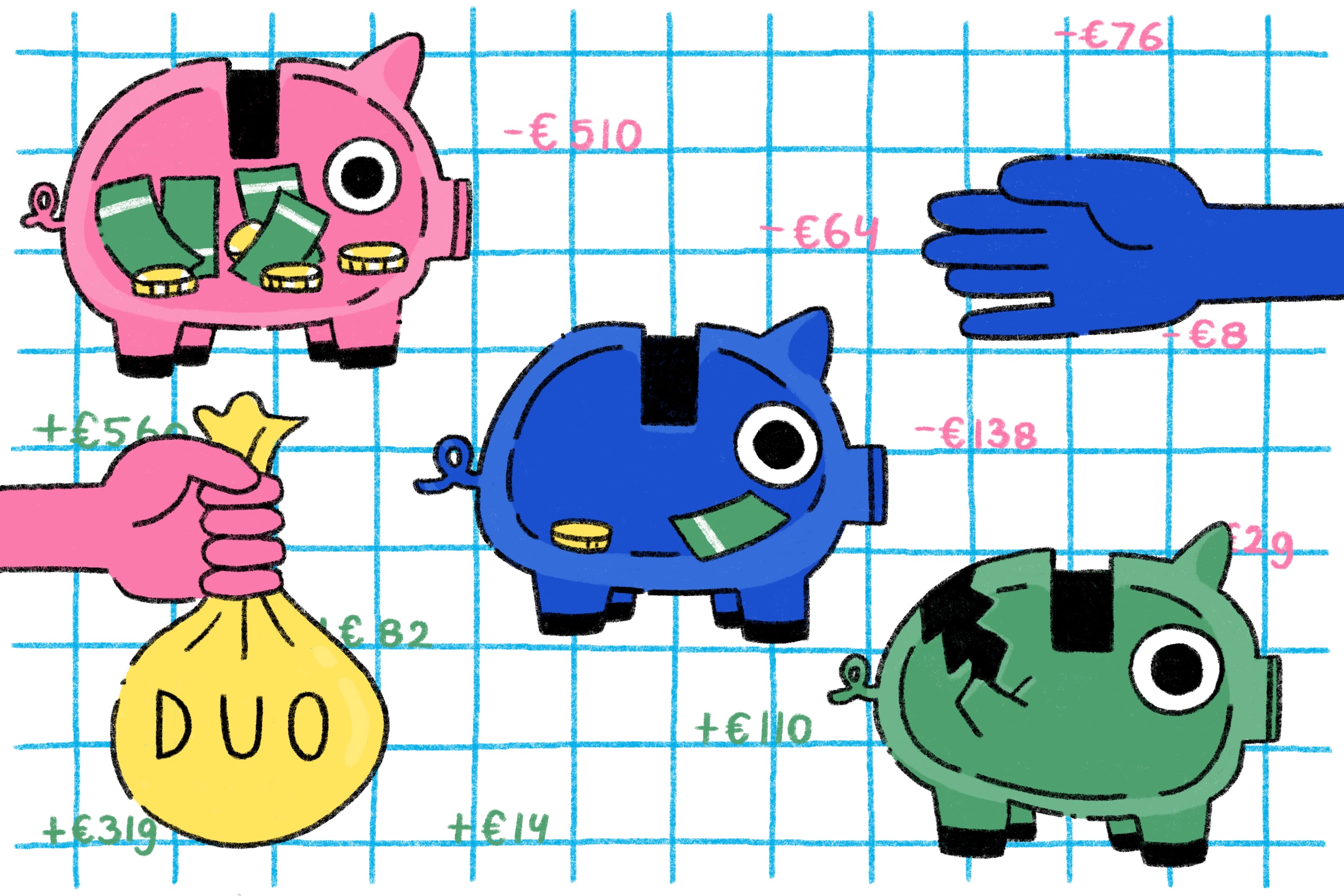
Behind on repaying your student debt? DUO may soon pass the details on to your municipality
Gepubliceerd op:-
Politics
-
-
Extra funding for higher education does not keep pace with inflation
Gepubliceerd op:-
Education
-
Politics
-
Comments
Comments are closed.
Ad
Read more in Science
-
The emotions of science (and scientists) are palpable during theatre performance DOPE
Gepubliceerd op:-
Culture
-
Science
-
-
‘There should be a minimum age for fatbikes’
Gepubliceerd op:-
The Issue
-
-
Dutch people increasingly believe AI cannot help advance science
Gepubliceerd op:-
Artificial Intelligence
-
Science
-