‘Will I be OK out in the world’, Audrey wondered after she was diagnosed with autism
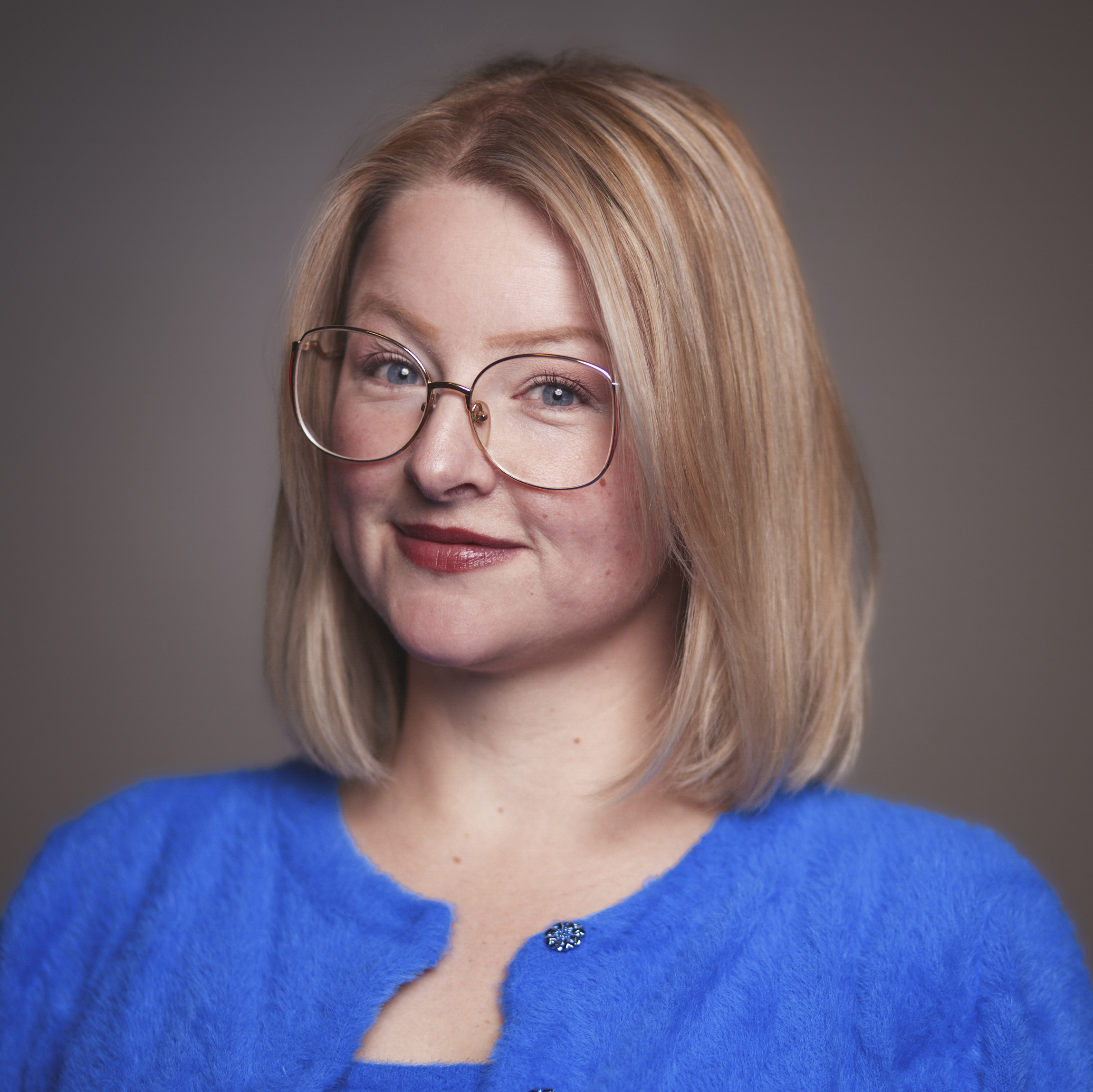
The tests she took at age fifteen were not conclusive. However, her parents’ and teachers’ stories ‘showed very clearly that I’m autistic’, says Audrey Ng-a-Tham. There was a time when she did not believe she had a future ahead of her, let alone that she’d be able to get through a degree programme. So obviously, she was ecstatic when she successfully passed her first year at uni.
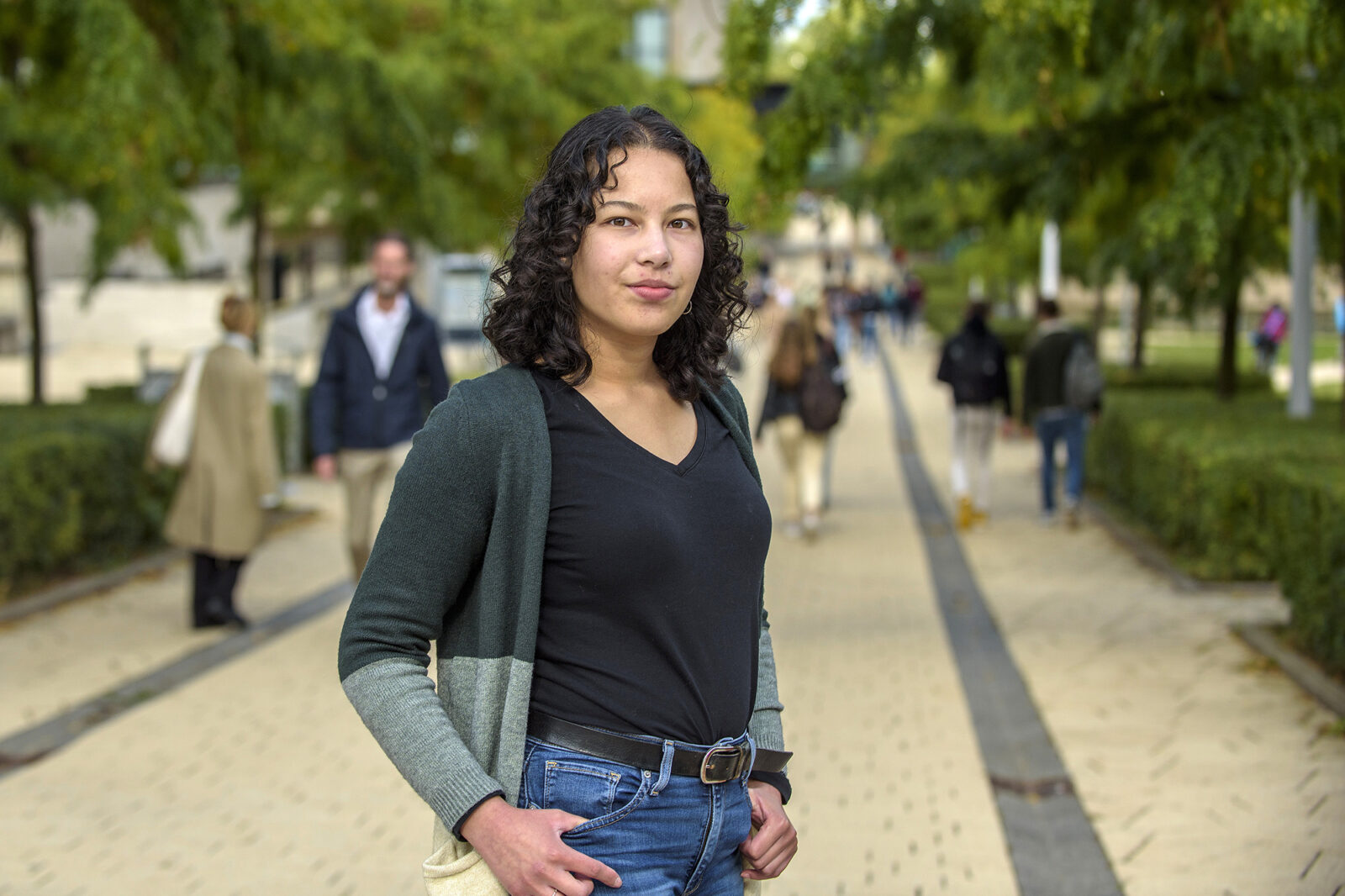
Image by: Ronald van den Heerik
“I live in Spain, but the ‘s’ is silent”, Audrey, 22, says jokingly when she tells us about the amount of reading she has to do for her International Bachelor’s degree in Arts and Culture Studies. “But I’m putting up with it, because I like my studies and when it comes down to it, all the reading materials are actually quite interesting.” Last month she embarked on her second year. “When I received my final pass mark last academic year, I couldn’t believe it was happening! I called my mother to ask her if it was real.”
The diagnosis
“Autism manifests differently in every individual”, Audrey explains. “Quiet girls are generally regarded as ‘a little shy but otherwise normal’. When I was fifteen, I took a test, which wasn’t conclusive either way. Because of my intelligence and experiences, I could ‘compensate’ for my autism. I knew the ‘right’ answers, even though I did not experience the world in the way I indicated on the tests. But my parents’ and teachers’ stories showed very clearly that I’m autistic.”
For instance, Audrey used to spend a lot of break times on her own, rather than hanging out with her classmates. She found the other pupils too loud. “My mother would often call my school on Mondays to say I was sick, because a weekend wasn’t long enough for me to recover from all those stimuli.”
Depression
Even though her parents are always there for her, Audrey felt very lonely prior to her diagnosis – so lonely that she came to suffer from depression. “I didn’t understand the world, and the world didn’t understand me. I was bullied, and my only friends were the couple of kids who did treat me like a normal human being. I was different, which got many of the other kids going. I felt like everyone had received a script on how to live – everyone except me.”
‘I couldn’t see a future for myself, which weighed heavy on my mind. I kept wondering: is this life for me? Will I be OK out in the world?’
After she was diagnosed, Audrey was given the counselling she badly needed, as well as help understanding her autism. “I was glad to know what was wrong with me, but I didn’t understand what it meant. How does it manifest? What do I need to take into account? They helped me understand all those things.”
Things did not immediately change for the better once she had been diagnosed. It took years for her to start feeling better, and during those years, she was having a rough time of it. “I never tried to kill myself, but I definitely thought of it. I couldn’t see a future for myself, which weighed heavy on my mind. I kept wondering: is this life for me? Will I be OK out in the world?” Medication, a lot of support and six years’ therapy helped her, to the point where she’s quite all right now.
Study and support
“I don’t know how I would have managed without the support I was given by my secondary school.” For instance, she was allowed to take her school-leaving examinations over the course of two years, rather than the usual one. The Ministry of Education initially did not allow this arrangement, but the school insisted. “They could tell that this was what I needed.”
Audrey chose to attend Erasmus University because she knew that the university would provide her with assistance. “I did look at a few other universities, but the deciding factor was the Students with Functional Impairment Support Unit. Not all universities have such a unit. They assigned me a peer coach in my first year, who showed me what kind of problems I would run into and how to solve them. She also told me I could always message her, whenever I ran into a problem. I was also taught a course on how best to study, how best to read a text, that sort of thing. I may get overstimulated if I try to absorb a lot of information in a short period of time. If I hadn’t received that help, I wouldn’t have been able to see the forest for the trees.”
Read more
-
IBCoM student Hazem: ‘People with ADHD aren’t lazy; we really do our best’
Gepubliceerd op:-
Student life
-
Getting to know yourself
Audrey is getting to know herself better all the time. When she is getting overstimulated, she now recognises the symptoms: she feels nauseous, goes very quiet and prefers non-verbal communication because talking takes too much of her energy. She recharges her batteries in silence. She avoids crowded places if she can, even the ever-beautiful Christmas market in her hometown of Dordrecht. When she has to go to crowded places, she likes listening to music. “And if I can’t listen to music, I have these,” says Audrey, taking a little pouch from her bag. “These are made-to-measure ear buds that filter out a lot of background noise. You can still hear life around you, but it’s less distracting.”
For the time being, Audrey is not planning to move out of her parents’ house. “My parents have told me to take my time, and they’re glad I’m still here. Maybe that’s because Surinamese culture is very welcoming and hospitable? Also, I ask my mother a lot of questions. She’s the only neurotypical personin our household. My father and brother are autistic, as well. So I’ll sometimes ask my mother: is this normal, or is this me being autistic? I feel safe at home. But yes, I do feel safe at uni, too.”
Do you need help? If so, please know that you can contact Stichting 113 Zelfmoordpreventie (‘The 113 Suicide Prevention Foundation’) at any time (24/7) by calling 113, 0800-0113 (free of charge) or 0900 0113. You can also chat with social workers and ask questions on www.113.nl. The people behind 113 speak English as well as Dutch.
De redactie
-
 Tessa Hofland
Editor
Latest news
-
Letschert gives nothing away in first parliamentary debate
Gepubliceerd op:-
Education
-
Politics
-
-
Away with the ‘profkip’, says The Young Academy
Gepubliceerd op:-
Science
-
-

House of Representatives wants basic grant for university master after HBO
Gepubliceerd op:-
Money
-
Politics
-

Comments
1 reactie
Comments are closed.
Read more in Student life
-
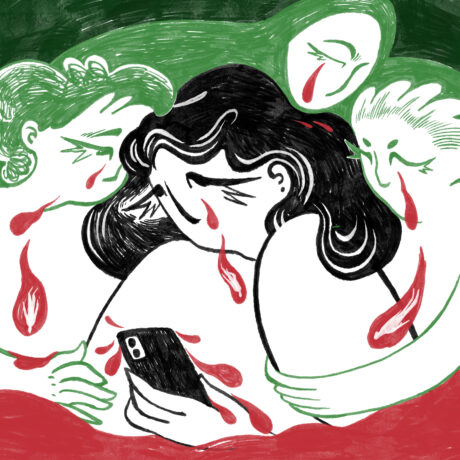
Large-scale student protests at universities in Iran
Gepubliceerd op:-
Student life
-
-
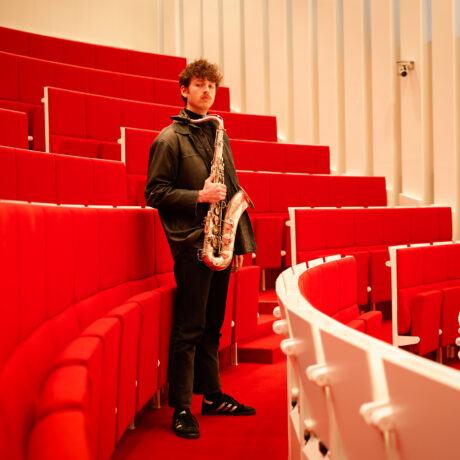
Medical student Daan Kluwer wins 10,000 euros to record his own jazz album
Gepubliceerd op:-
Student life
-
-
Master seeks master in love
Gepubliceerd op:-
Culture
-
Fanny Passeport op 14 October 2021 om 18:53
Thank you for sharing your story Audrey and pushing everyone to think about how we might create more optimal learning environment for our neurodiverse student population, so all students can feel understood, valued, and cared for. I hope to read more from a wide range of students on this very important topic of inclusion.