These handy tips can help reduce the amount of waste that ends up in your bin

En route to a waste-free planet, a number of students have set to work on their waste – or rather: on cutting back its volume. Including Lena Burgdorf – one of the organisers of this year’s Zero Waste Week. Looking ahead, she shares a number of strategies that students can follow to fill fewer bin bags.
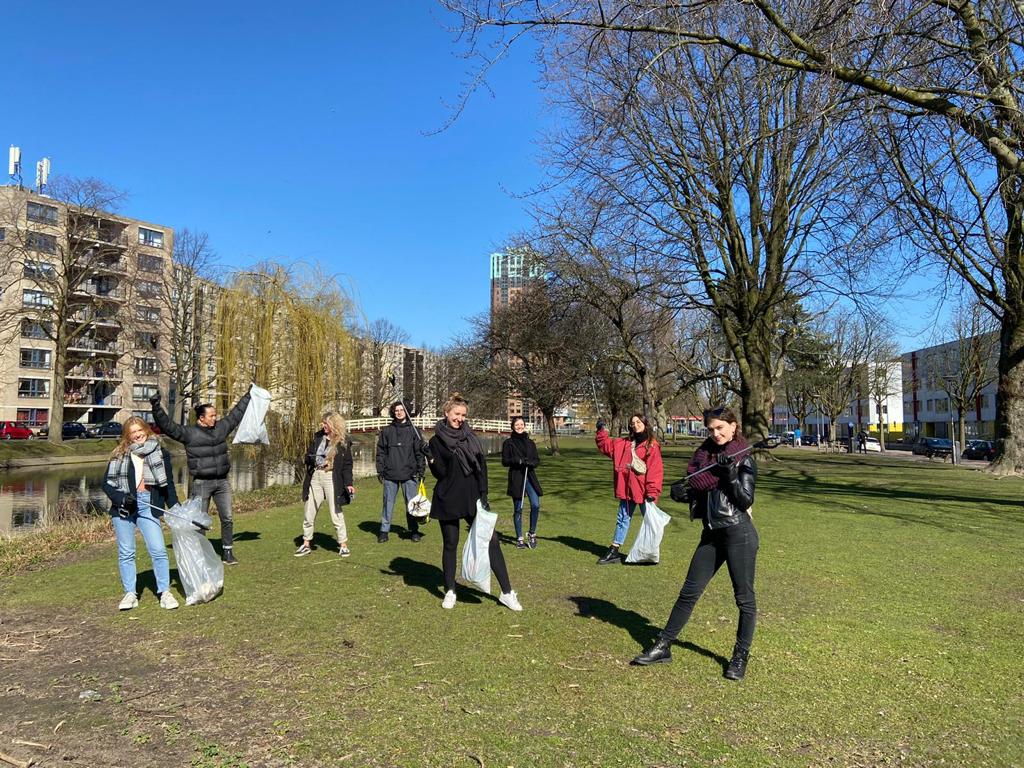
Image by: own archive
“Since I moved to Rotterdam, I’ve been able to take some big steps towards a zero-waste lifestyle,” says Lena. “For example, nowadays I can go to special shops for my groceries.” After starting on her master’s in Global Business and Sustainability at EUR this year, Lena joined Erasmus Sustainability Hub’s Waste Committee. Among other things, the committee works to raise awareness of our collective waste problem, as well as offering handy pointers for students who want to reduce the amount of waste they bring into this world.
“It can be quite complicated to avoid packaging when you’re out shopping,” says Lena. “In many cases, you may need something that is only offered as a packed product. At that point, you have to decide whether you really need it, or look for an alternative.” That’s why Lena usually doesn’t do her groceries at the better-known chains. Instead she frequents establishments like Gimsel: an organic supermarket where a lot of the products are sold without packaging. “You take along your own containers and bags and use those for your groceries. And you can also weigh your products, so you only have to buy what you need. Which is a good way to save money too, incidentally: you aren’t forced to get the standard pre-packed quantities that you see in ‘regular’ supermarkets. Quite handy actually.” Gimsel isn’t the only supermarket that focuses on sustainability: another example of a chain that offers a responsible range of products is Ekoplaza. “And if you’re a student, I also recommend going to the market. You can get unpacked fruit and veg there, and it’s generally a lot cheaper.”
Make your own
Image by: own archive
Besides going for unpacked food, there are various other ways to cut back your waste. “We have this workshop where we explain how you can make your own cleaning products – which is actually a lot easier than you’d think. In addition, I myself use solid shampoo and tooth powder. They come in these really nice boxes that you can re-use for other stuff afterwards. There are loads of things that are really easy to make yourself: dry shampoo, for example, or hairspray. You could basically go through your home and stop in each room to determine which opportunities there are to minimise waste.”
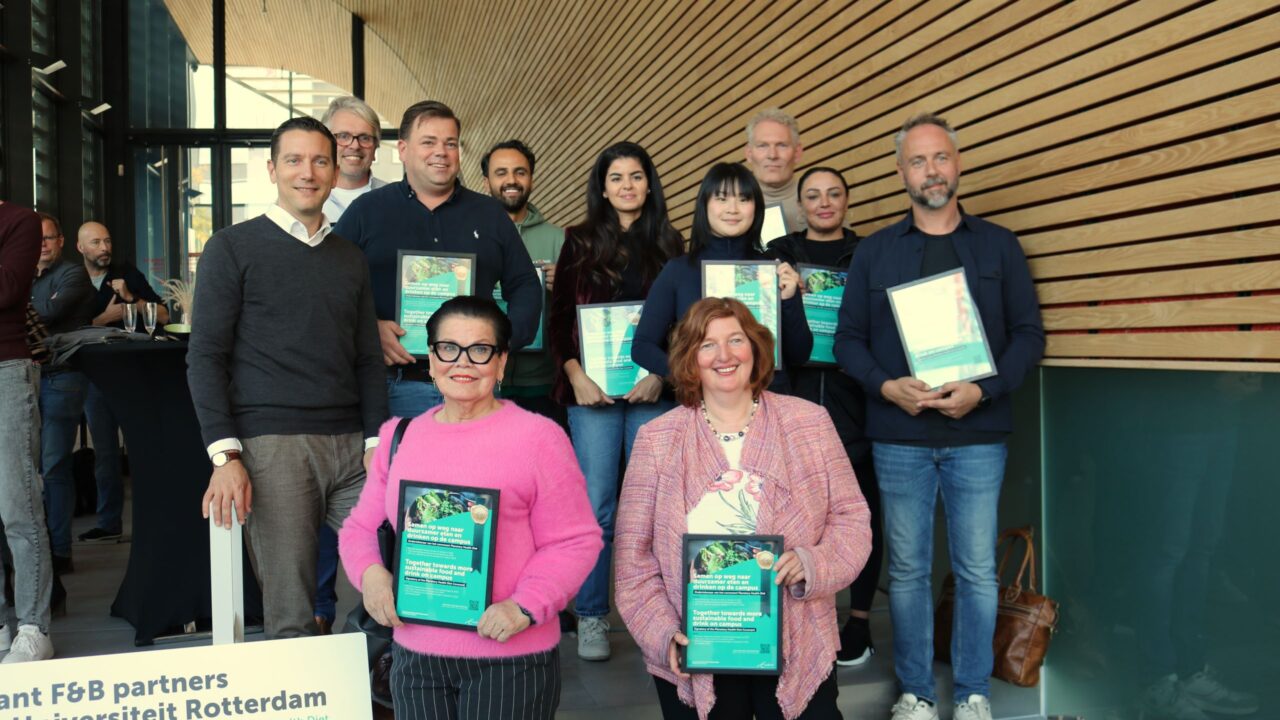
Over the course of the year, ESH’s Waste Committee organises various activities aimed at tackling the waste problem and promoting a zero-waste lifestyle. “For example, every month we have this event where we pick up litter. We choose a location, get a group together and go over there to clean it up. These get-togethers can be really nice – particularly when it’s sunny out.” Lena indicates that these activities aren’t just useful in the sense that some area gets cleaned up: “I think it also helps to raise awareness. When you’re picking up litter, you start thinking about where it comes from and how you could prevent it getting thrown there in the first place.”
“We want to continue educating ourselves too, which is why we often talk with private sector players and invite speakers from these organisations. We exchange ideas and ask them how they handle waste. PeelPioneers and Rotterzwam are two examples of companies that are active in this area.” PeelPioneers makes packaging from fruit and vegetable peel, while Rotterzwam sells kits that you can use to make your own compost for growing mushrooms.
Zero-waste cooking
The Waste Committee came up with several new activities for this year’s Zero Waste Week. “We’ll be holding a zero-waste challenge. Everyone who takes part gets two glass jars that they have to fill with all the waste they produce that week. The objective is to end up with as little as possible.” And EUR will be welcoming a lot of speakers over the course of the week. Someone from Clear Rivers will be talking about their recycling project, and Max La Mana, a zero-waste chef from New York will be giving a cooking master class – the definite highlight of the week in Lena’s book. But there are all sorts of other activities you can take part in besides: from an upcycling workshop to a vegan cooking class.
Lees ook
-
From cup to pulp: what happens to your coffee cup after you throw it away on campus
Gepubliceerd op:-
Campus
-
De redactie
Latest news
-
Letschert gives nothing away in first parliamentary debate
Gepubliceerd op:-
Education
-
Politics
-
-
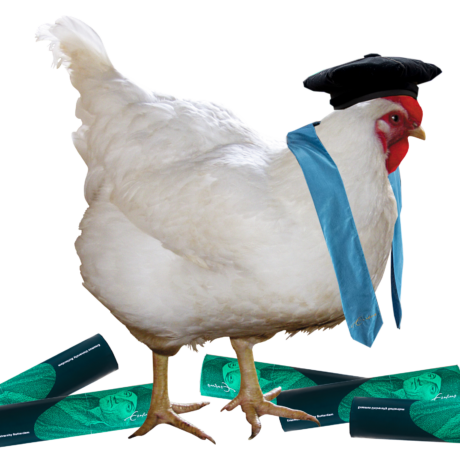
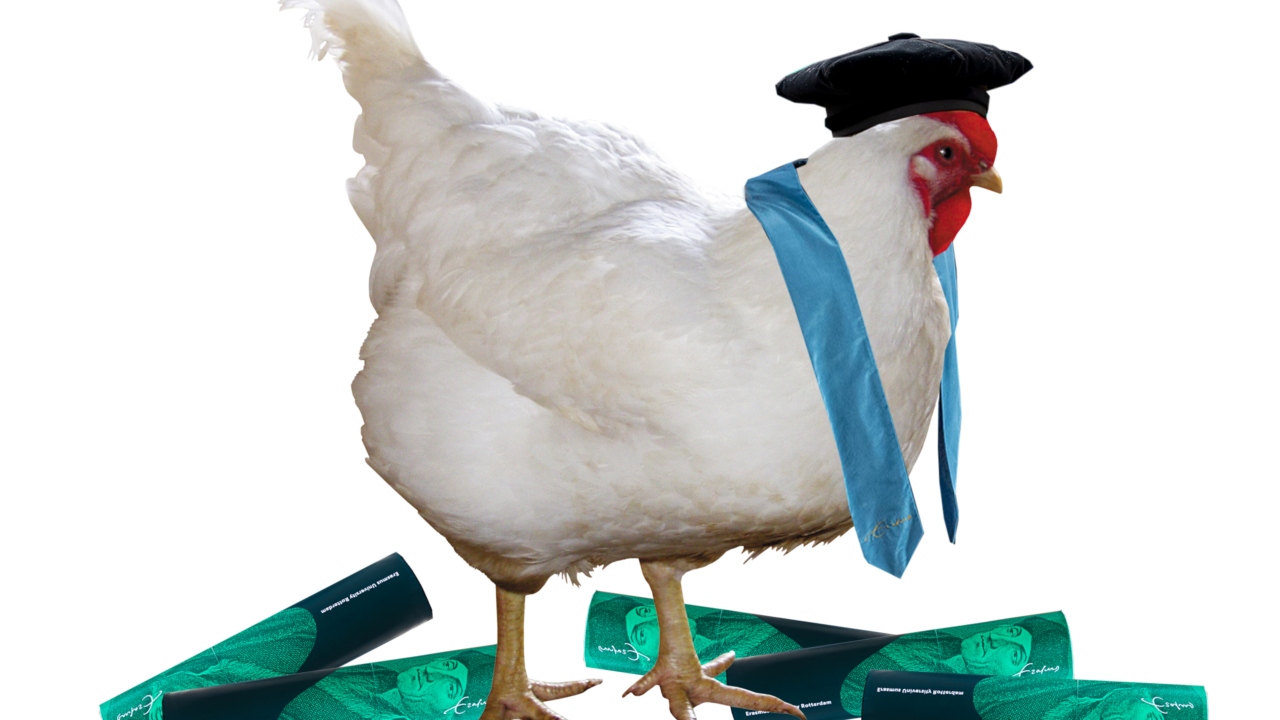
Away with the ‘profkip’, says The Young Academy
Gepubliceerd op:-
Science
-
-

House of Representatives wants basic grant for university master after HBO
Gepubliceerd op:-
Money
-
Politics
-

Comments
Comments are closed.
Read more in Sustainability
-
Campus food companies aim for 50 per cent plant-based by 2030
Gepubliceerd op:-
Sustainability
-
-
Students cut, cook and compost correctly during Sustainability Days
Gepubliceerd op:-
Sustainability
-
-

Committee on fossil industry: Collaboration must meet ‘moral minimum’ or stop
Gepubliceerd op:-
Sustainability
-