No equal opportunity in honours programmes, ‘little can be done about that’ says minister
Students whose parents had a lower level of education have less chance of being selected for honours programmes in higher education. Minister van Engelshoven finds this unfortunate, but there is little she can do about it.
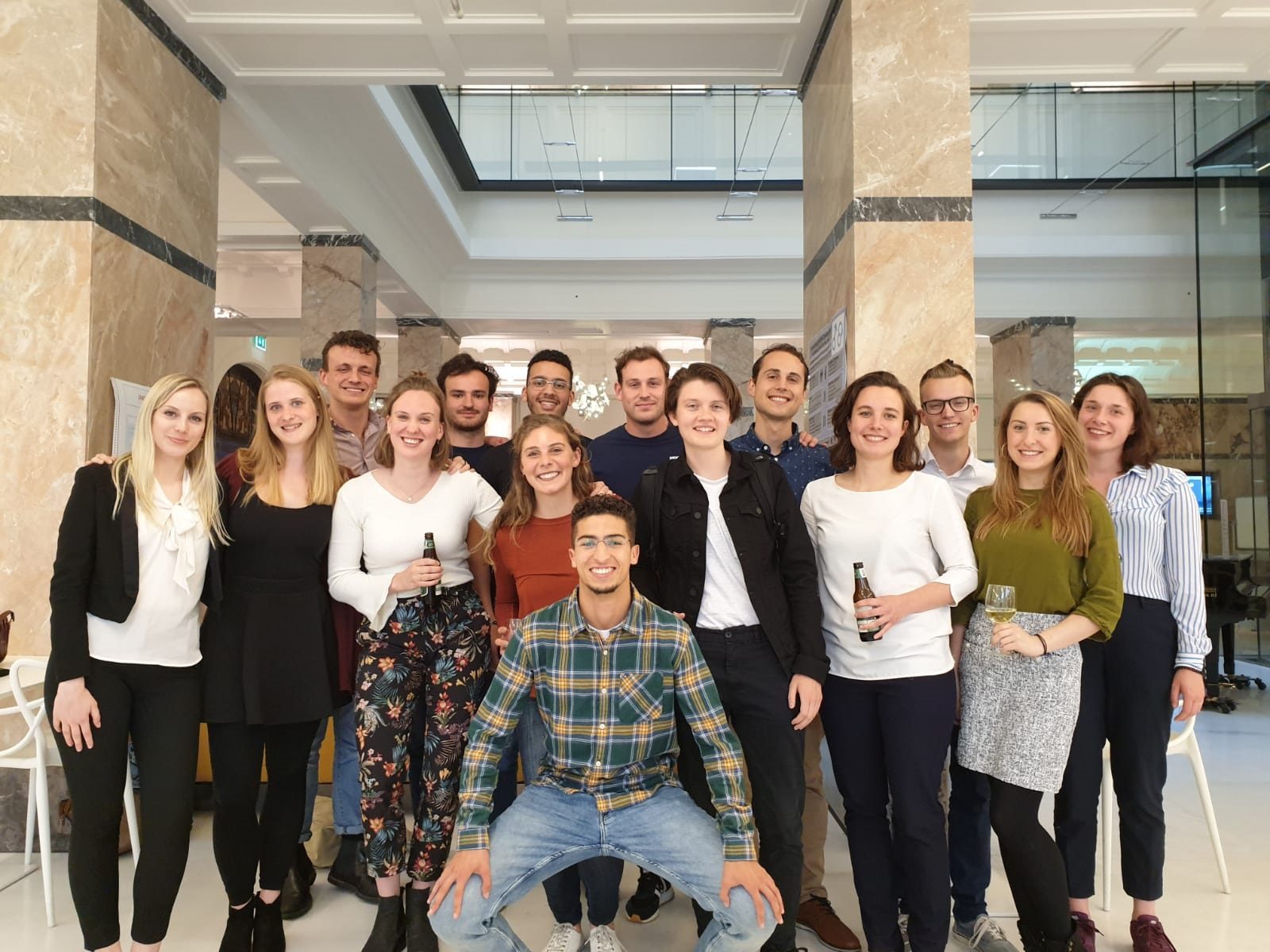
Image by: Feba Sukmana
Honours programmes at the EUR
- Multidisciplinary honours programmes allow students to learn to know their place
- New Honours Programme ‘Tackling Inequalities’ for EUR master students
- ‘I want students to give something back to the city’
- Students conduct research into social inequalities in Rotterdam
To be selected for an honours programme students must have higher grades and be able to demonstrate critical thinking, according to a study by Radboud University Nijmegen of a thousand students at three universities (Radboud, Maastricht and Twente) and two universities of applied sciences (HAN and Hanzehogeschool). And that is how it should be.
But the researchers discovered something else: students whose parents had a lower level of education were admitted to such programmes less frequently. Lower family income also decreases the chance of selection.
Part-time jobs makes it harder
This makes it impossible to speak of equal opportunity. Even when they have been admitted to programmes of excellence, a student’s bank account plays a role: part-time jobs make it harder to complete such programmes. The PvdA put written questions to Minister Van Engelshoven: what does she think about this?
Her answers were three pronged: the Minister thought it was “not right”, but people are working on it and ultimately educational institutions decide themselves how students are selected.
So just like the PvdA – and probably all the other political parties – the Minster thinks that students whose parents did not attend post-secondary education “should have an opportunity to further develop their talents”.
'Need not any action'
But she thinks that the research findings reconfirm the government’s strategy. Starting in 2015, these programmes have aimed at “more attention to diversity and wider accessibility”. At present, not only high grades but also motivation and student background form part of admissions requirements.
She therefore concludes that programmes are on the right track. Moreover, a special group of experts is being set up to look at the accessibility of higher education, and in the meantime institutions are working to improve their methods of selection.
Thus, the Minister need not take any action right now, in her own opinion. She hopes universities will develop sensible policies. “Each individual institution is responsible for deciding which factors and method of selection it uses.”
De redactie
Latest news
-
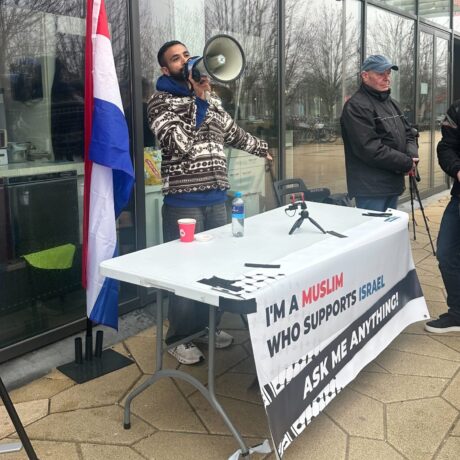
Pro-Israel demonstration on campus: ‘The text ‘I am a Muslim who supports Israel’ is rather provocative’
Gepubliceerd op:-
Campus
-
Protest
-
-
TU Delft passed columnist’s name to police
Gepubliceerd op:-
Protest
-
-

NOS: Crisis of trust and culture of fear in Erasmus MC intensive care unit
Gepubliceerd op:-
Safety
-

Comments
Comments are closed.
Read more in Education
-
Letschert gives nothing away in first parliamentary debate
Gepubliceerd op:-
Education
-
Politics
-
-

EUR master’s in International Management among sixteen ‘excellent’ masters in the Netherlands
Gepubliceerd op:-
Education
-
-
Faculty honours programmes mostly continue, but have to adapt to budget cuts
Gepubliceerd op:-
Education
-