Ad

Students sue university over webcam-monitored exams

The Central Student Council of the University of Amsterdam has begun preliminary proceedings against the university for its use of surveillance software during online examinations. Depending on the outcome, the case could have repercussions for the rest of Dutch higher education.

Image by: Rachel Sender
- Big brother exams or more workload for lecturers? Balancing act for faculties
- More study places available from 2 June, confirmed that all exams will be held online until September
- Two universities of applied sciences prefer to pass on online proctoring
- Filmed online exams: ‘The footage will be kept for six weeks’
Privacy complaints about online invigilation have been piling up since the start of the corona crisis. Youth organisations voiced their concerns, and the House of Representatives weighed in on the issue as well. So far, two universities of applied sciences have openly distanced themselves from the hotly debated monitoring software.
The University of Amsterdam (UvA) has not: it expects to hold another two hundred online exams using Proctorio invigilation software before the end of the spring semester. The software uses students’ webcams to monitor them as they take their exams at home.
The Central Student Council is now bringing the matter to court, reports student magazine Folia. The Council feels that students should be able to refuse the use of Proctorio during online exams without incurring study delays.
Under the Dutch Higher Education Act, new exam methods cannot be used without the consent of the central councils and faculty councils. In April, the Central Student Council of the UvA issued a negative recommendation on the use of Proctorio, but the university’s Executive Board decided to use the software nevertheless. The Council hopes that participation councils at other institutes of higher education will also benefit from the preliminary proceedings.
Difficult to predict
The case will be brought before the Amsterdam District Court on Thursday. The students’ chances of winning the suit are difficult to predict, says Paul Zoontjens, professor of education law at Tilburg University. “If the university can make it clear that it has neither the staff nor the facilities to hold exams in any other way, the judge will be sensitive to that. But if the students can demonstrate that other institutions do offer alternative options, that could sway the case in their favour.”
The question remains whether the students are going about this the right way, as there is also a national committee for these kinds of disputes, to which the council could have turned first. “It won’t help their case if it turns out they did not approach the committee”, says Zoontjens.
Minister of Education Ingrid van Engelshoven (D66) seems unsympathetic to the privacy concerns raised with regard to online invigilation. Earlier this year, she called on the participation councils to show adaptability and flexibility “where necessary” during the corona crisis.
De redactie
Latest news
-

Minister scraps ‘interest cap’ for students: plan much more expensive than expected
Gepubliceerd op:-
Money
-
-
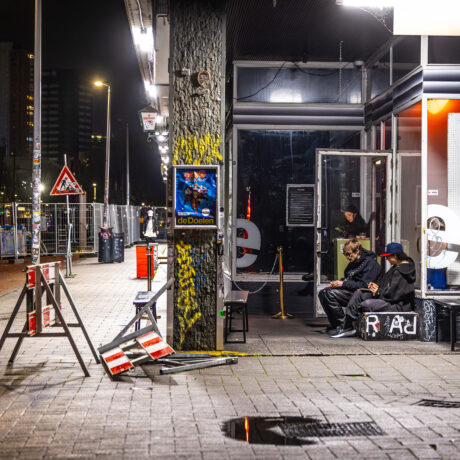
Clubs closing, expensive drinks and dancing with a matcha. How Rotterdam’s nightlife is changing
Gepubliceerd op:-
Culture
-
-

Powerhouses are like shoulder pads
Gepubliceerd op:-
Column
-

Comments
Comments are closed.
Ad
Read more in Education
-

TU Delft may not favour women in admissions to courses
Gepubliceerd op:-
Education
-
-

RTL: More than half of master’s theses contain AI-generated text
Gepubliceerd op:-
Artificial Intelligence
-
Education
-
-
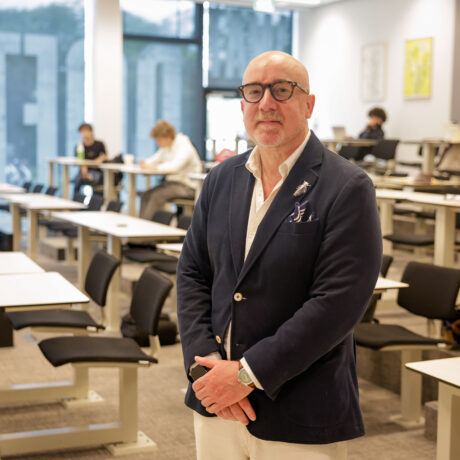
Education pioneer Etienne Augé: ‘Technology should give us more time for people’
Gepubliceerd op:-
Education
-