National Student Union: more attention is required for #metoo in higher education

If you are harassed at your own university or university of applied sciences, to whom can you turn? According to LSVb (the National Student Union), the universities’ websites often provide too little information.
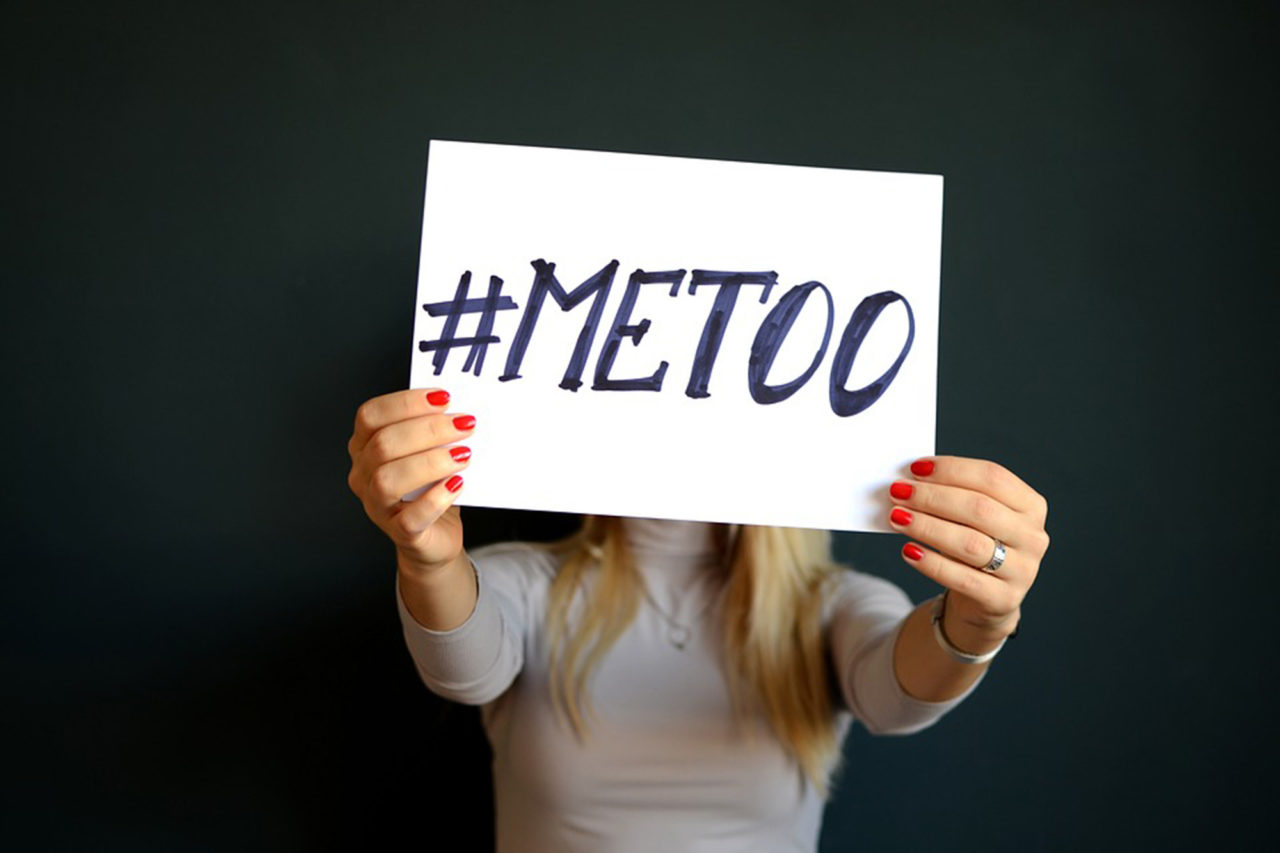
This is bad, because the number of sexual harassment cases reported to Dutch universities has nearly doubled in two years, the EenVandaag current affairs show reported last Friday afternoon. LSVb says this proves that more attention for such problems is required.
'Outrageous'
“It’s bad enough that people are subjected to harassment,” says LSVb president Alex Tess Rutten. “But that they should receive poor support, or no support at all, from their university on top of that, that’s outrageous.”
The Union checked the websites of 18 Dutch universities and 36 Dutch universities of applied sciences and found that two in five universities of applied sciences do not mention on their publicly accessible websites how or where to report harassment. The same is true for three of the eighteen universities whose websites were subjected to a check. The investigators did not draw any conclusions about the individual websites.
LSVb conducted its investigation shortly after a debate that was held in the Lower House on personal safety in higher education. One of the subjects debated was whether more ombudspersons should be appointed at higher education institutions. The Minister for Education refused to make any promises to that effect, to the chagrin of LSVb.
On Tuesday MPs will be able to table motions. By releasing the results of its investigation the day before, LSVb is hoping to encourage the MPs to do just that. “We can see that the universities are taking the problem seriously,” says Rutten. “But they appear to be unable to provide a safe environment.”
-
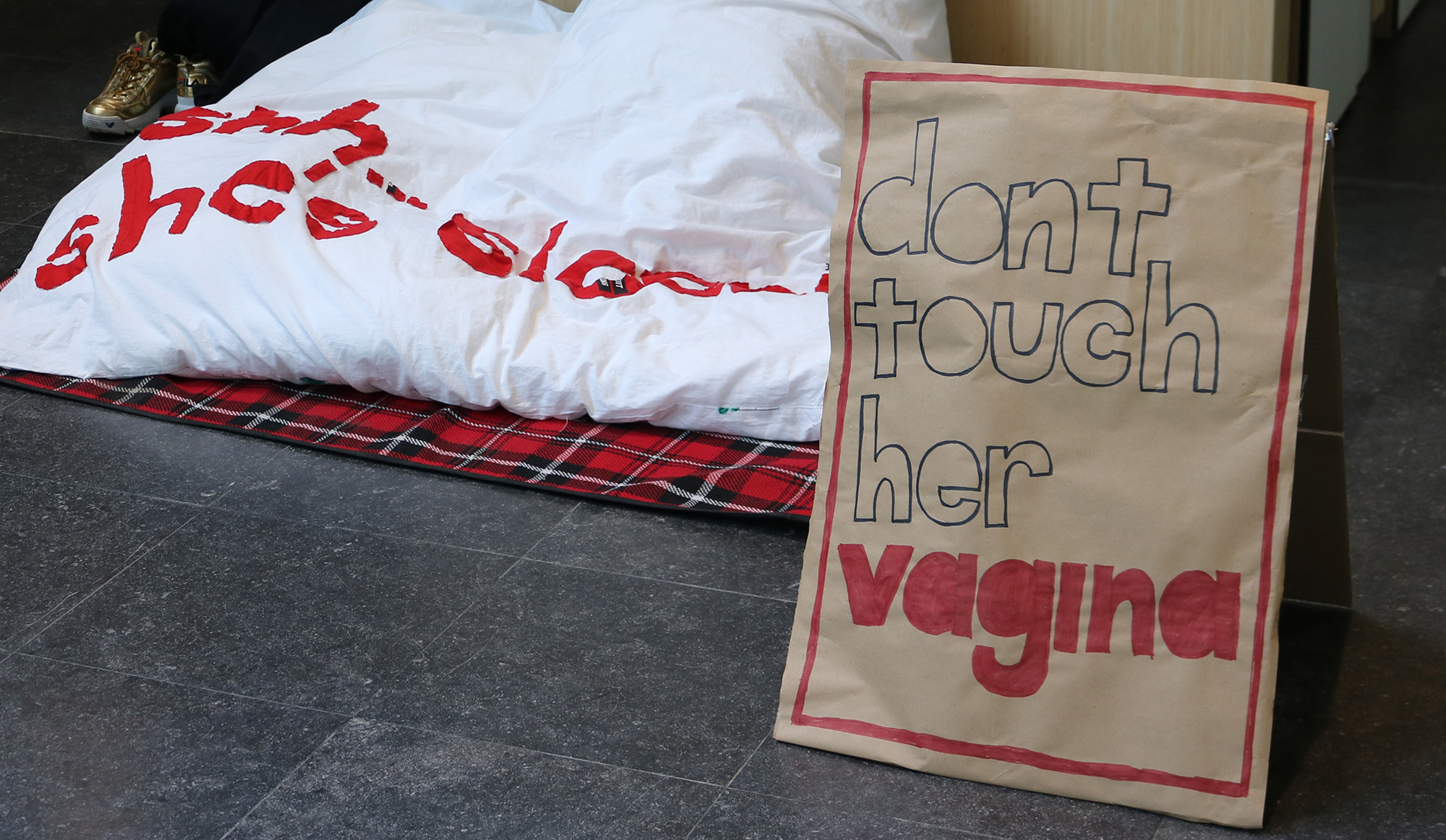
Number of sexual harassment cases reported to universities has increased a lot
Gepubliceerd op:-
Safety
-
Guarantee
She relates the story of a female PhD student who wanted her university to guarantee that she would get a new supervisor before reporting the harassment she had had to endure from her current supervisor. She was not given that guarantee. “That kind of thing makes it hard for a student to file a complaint,” says Rutten.
In recent years, several Dutch #metoo-in-higher-education cases have made the news, particularly with regard to drama schools, but fewer stories were published than some people had expected. The hashtag #MeTooOnderwijs (#MeTooEducation) never trended.
The Minister for Education, Ingrid van Engelshoven, wrote the following to the Lower House in relation to the low number of cases reported to universities: “At the same time, there are no reasons to suppose that [harassment] happens in all strata of society but not in the education industry.”
The Minister said that tertiary education institutions must ensure that their students and lecturers “feel encouraged” to report any kind of harassment, without any consequences for their degrees, careers or legal status.
Reporting study results
Rutten admitted that LSVb would have liked to comment on the problem in greater detail, but considering how topical the subject is at present, what with politicians discussing it on Tuesday, the Union did not wish to defer reporting this result of its investigation.
De redactie
Latest news
-

Away with the ‘profkip’, says The Young Academy
Gepubliceerd op:-
Science
-
-

House of Representatives wants basic grant for university master after HBO
Gepubliceerd op:-
Money
-
Politics
-
-

Company takes a huge chunk of the student finance of at least 350 internationals
Gepubliceerd op:-
Internationalisation
-


Comments
Comments are closed.
Read more in Safety
-
New campus camera system costs 1.7 million euros
Gepubliceerd op:-
Safety
-
-

Joining the active bystander training: ‘Social safety is a long-term effort’
Gepubliceerd op:-
Safety
-
-

Executive Board adopts Israel advice and freezes collaborations immediately
Gepubliceerd op:-
Safety
-