Ad

Heavy workloads and burnouts are like a ‘many-headed monster’


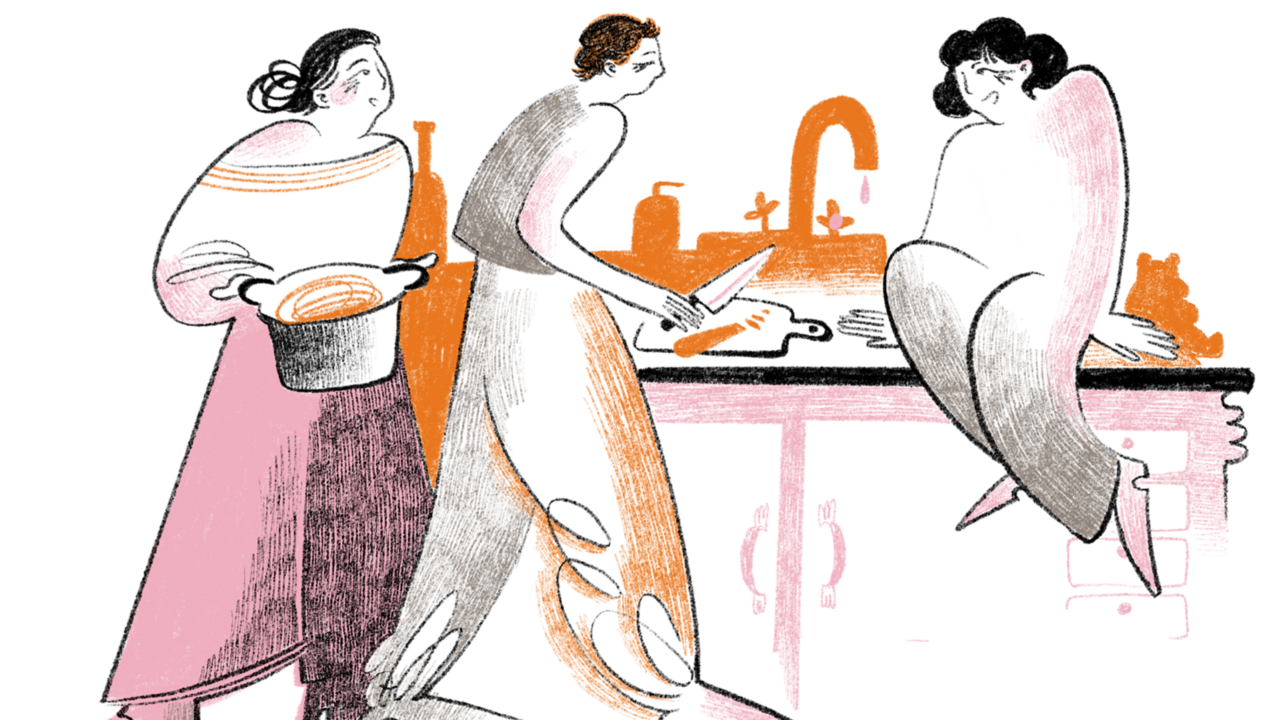
Heavy workloads for staff and students are referred to as a ‘many-headed monster’ at EUR. They are dynamic, mobile and seemingly invincible. A growing number of students is experiencing burnout. In a series of articles, EM is looking for causes and solutions.
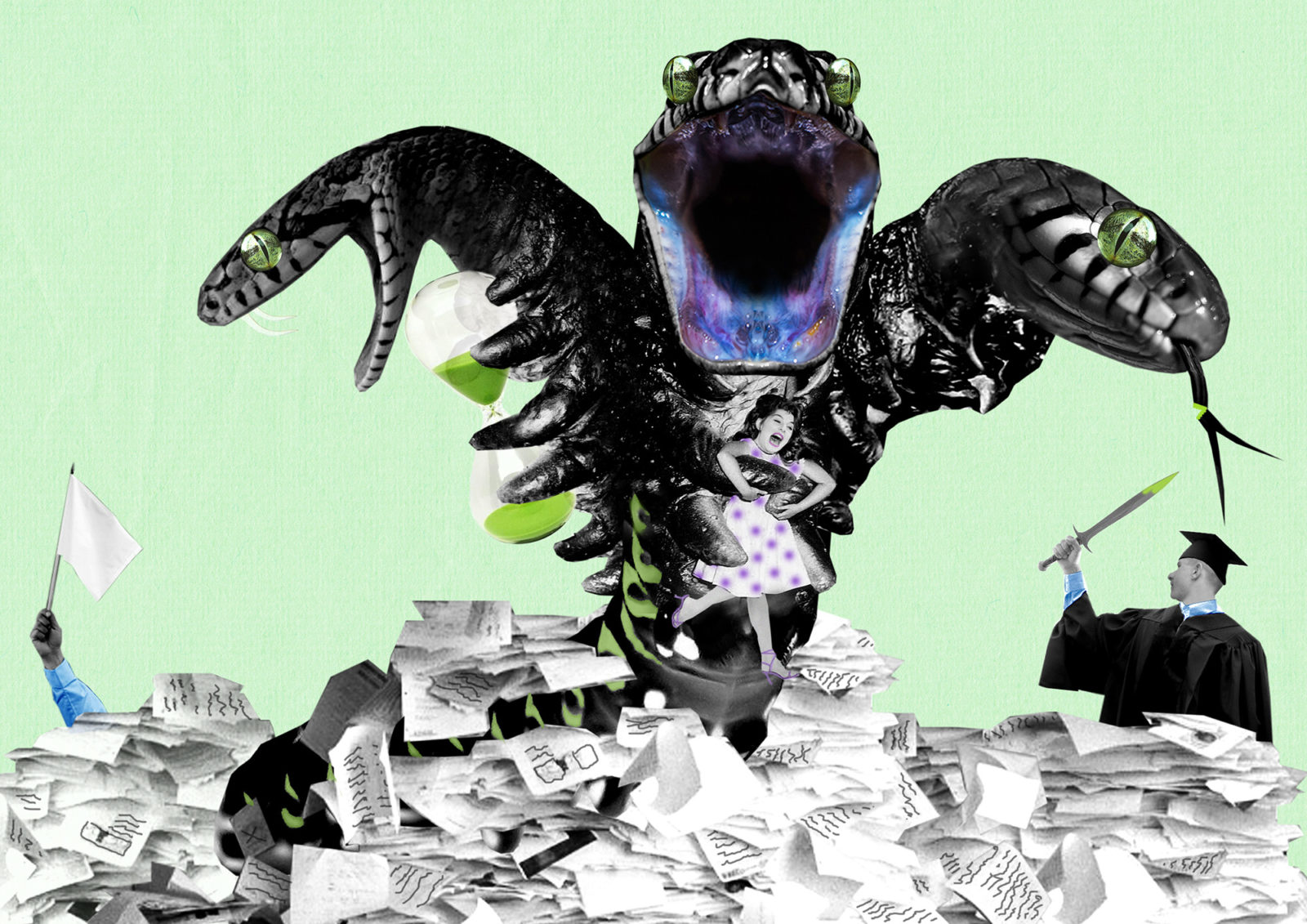
Image by: Esther Dijkstra
- Erasmus MC medical students run greatest risk of burn-out
- ‘Students with student loans suffer greater anxiety and pressure to perform’
- The future of the university: an excellent CV with a burn-out on top
- ‘In hindsight, my burnout was also a highlight’
If you are reading this, take great care, because universities are a breeding ground for burnouts, as many studies and reports have confirmed in recent years. In the last year, EUR has hired additional coaches, psychologists and confidential advisers to help students and staff alike, but for the time being, no one is sure how to defeat this ‘many-headed monster’.
First, let’s look at some numbers. According to Statistics Netherlands (CBS), nearly 11 per cent of Dutch adults aged 18-25 experienced mental health issues between 2015 and 2017. Ten years ago, that percentage was lower: 8.8 per cent. According to Statistics Netherlands, more than one in three young adults who suffered mental health issues were depressed.
How student loans are affecting students
The Dutch student organisation ISO recently tasked the Motivaction research and consultancy agency with investigating how student loans are affecting students’ wellbeing. Among other things, the study showed that many students experience extreme fatigue and emotional exhaustion during the day at least once a week. In addition, students worry about their financial situation and have a feeling they are heading for a burnout at least once a week. The researchers found that these feelings and concerns were more severe in students who have taken out a student loan.
Heavy workload
The figures are equally bad (or worse) for those who work at universities, with the majority of university employees saying they feel their workload is either heavy or very heavy. A survey conducted by trade unions VAWO and FNV showed that 71 per cent of staff indicated that their workload had become heavier in the last few years. The survey respondents indicated that the pace of the work, the looming deadlines and the insecurity inherent in temporary contracts were causing a lot of problems. Workloads were found to be the heaviest for academic staff and for people aged between 36 and 45, many of whom are so busy that they have no time to use up their entire holiday entitlement. While the university is seeking to address the problem, staff continue to feel that their workload is heavy – even heavier than before, actually.
Een lijst met artikelen
-

Support staff unhappy, high work pressure levels persist
Gepubliceerd op:-
Staff
-
The most recent employee satisfaction survey conducted at Erasmus University found the same, with 40.6 per cent of EUR employees indicating that they felt their workload was too heavy, and another 11.6 per cent indicating that their workload was ‘far too heavy’. Despite all sorts of measures implemented to combat this issue, these percentages are actually higher than they were in 2016.
“Heavy workloads are like the Hydra,” said Victor Bekkers, the Dean of ESSB, during a meeting on workload-related problems. “They are dynamic and always on the move. And whatever you do, you can’t just defeat the snakes.” Later in this theme week dedicated to mental health, EM will explain how EUR is seeking to tackle the problem of heavy workloads. In addition, we will discuss the effects of stress on the human body, and talk to students who are suffering from a burnout.
Een lijst met artikelen
-

‘Workload has increased even more for academics’
Gepubliceerd op:-
Staff
-
De redactie
-
 Tessa Hofland
Editor
-
 Tim Ficheroux
Desk editor
Latest news
-
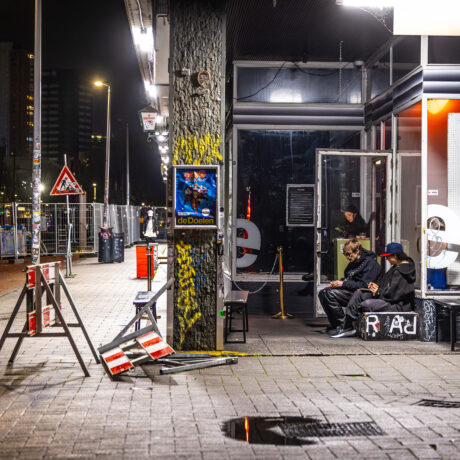
Clubs closing, expensive drinks and dancing with a matcha. How Rotterdam’s nightlife is changing
Gepubliceerd op:-
Culture
-
-

Powerhouses are like shoulder pads
Gepubliceerd op:-
Column
-
-

Seven EUR scientists receive a Vidi grant
Gepubliceerd op:-
Science
-
Comments
1 reactie
Comments are closed.
Ad
Read more in Student life
-
Clubs closing, expensive drinks and dancing with a matcha. How Rotterdam’s nightlife is changing
Gepubliceerd op:-
Culture
-
-

RSC/RVSV accused of poo stunt targeting student houses in Utrecht
Gepubliceerd op:-
Student life
-
-
Carolina could wake up ten minutes before her lectures
Gepubliceerd op:-
Housing
-

Eren op 25 April 2019 om 03:56
If the academic year has only 2 semesters, and a bachelor lasts for 4 instead of 3 years, both the students and staff will be more releived, with longer deadlines and more free time. This is the case in North American and Asian universities. However, I can not comment on what financial effects this change could have.