Controversial RSM study used as grounds for abolishing dividend tax

A controversial Rotterdam School of Management (RSM) report was used to legitimise abolishing the dividend tax. This was reported on the investigative journalism website Follow the Money.
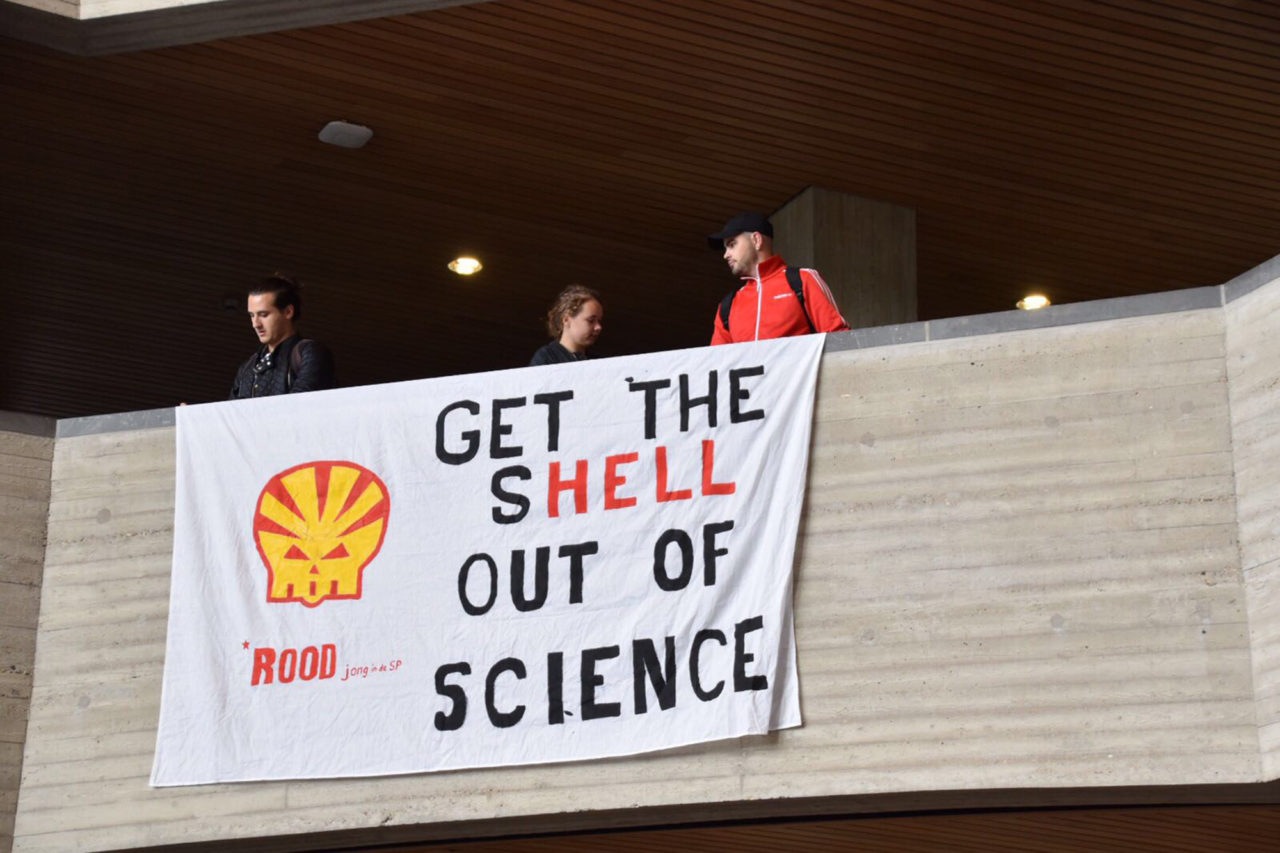
Image by: Sandra Beckerman
More
- RSM dean: ‘Severing ties with Shell won’t solve a thing. On the contrary.’
- SP organises demo against ‘very close ties’ between RSM and Shell
- ‘Shell able to influence design of RSM curriculum’
- RSM and Shell: an (im)possible relationship?
An RSM study on the business climate for head offices in the Netherlands turned up in the memos used as grounds for abolishing the dividend tax, a controversial political move that should improve the business climate, but costs tax payers 1.4 billion euro per year. The report in question is Wederzijds Profijt: de strategische waarde van de top 100 concernhoofdkantoren voor Nederland en van Nederland voor deze top 100 (the strategic value the top 100 corporate headquarters represent for the Netherlands and vice versa). What is striking is that this is the only scholarly source in the documents that emerged last April in relation to the dividend tax.
Scientific integrity
The report is controversial because the employers’ organisation VNO-NCW (Confederation of Netherlands Industry and Employers) had previously used the report to lobby for another tax measure that would benefit large corporations. Added to that was the fact that an investigation conducted by the think-tank Changerism revealed that Shell, along with a number of other companies, had paid for the study. However, the authors of the report, four RSM scholars, did not name these companies as financers of the research. This contravenes the Netherlands Code of Conduct for Scientific Practice, which requires that external financers in publications be named.
The Scientific Integrity Committee is currently investigating one of the report’s authors. In the wake of his Changerism investigation, sociologist Vatan Hüzeir submitted a complaint to the Committee citing his concerns with the report, including the omission of the external financers and the scientific reliability of the report.
De redactie
-
 Tim Ficheroux
Desk editor
Latest news
-

International students pleased with Erasmus University, majority want to leave the Netherlands after their studies
Gepubliceerd op:-
Campus
-
Internationalisation
-
-

Bottlenecks in higher education funding: will they change?
Gepubliceerd op:-
Education
-
-

Binding study advice mainly has disadvantages, according to new large-scale research
Gepubliceerd op:-
Education
-
Comments
Comments are closed.
Read more in Campus
-
International students pleased with Erasmus University, majority want to leave the Netherlands after their studies
Gepubliceerd op:-
Campus
-
Internationalisation
-
-

110 million euros to increase the basic grant for students living away from home
Gepubliceerd op:-
Money
-
Student life
-