Ad

When researchers get emotional

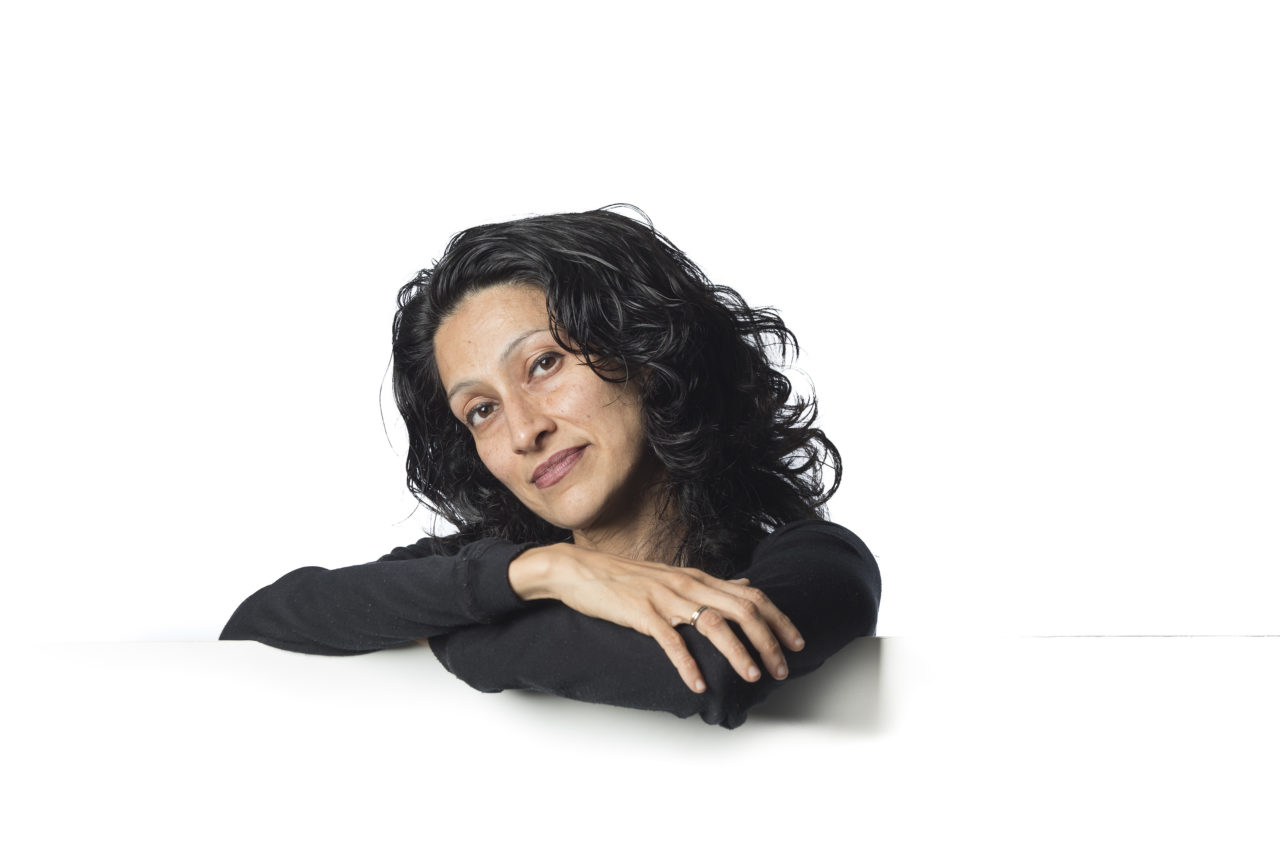
Image by: Levien Willemse
When it comes to emotion in research, there’s a clear divide between ‘us’ and ‘them.’ Researchers are rational and our subjects are emotional. ‘We’ think about what ‘they’ feel.
Entire theories and methods are deployed to capture the rollercoaster of people’s desires, shame, insecurities, passions, hatred and aspirations. After all, emotion is invaluable data. Today, emotion research labs capitalise on facial recognition coding systems and eye tracking to help us understand the vast array of moods people go through in real time. We provide a stable explanation to unstable experience.
Our academic credentials have earned us the right to detachment. Our job is to compute compassion. We train students to be objective. This often translates to distancing themselves from what they care about. A theoretical lens is a fancy term for choosing a biased worldview through which data is filtered.
The fact is that some of the best data can be the most emotionally charged. To research hate speech for instance, we need to follow trolls, absorb their constant vitriol and deeply engage with anger. To analyse crime, we may find ourselves going underground and facing moral dilemmas whilst flirting with the illicit. To unpack sexual content, we need to consume them first. As we voluntarily sponge this intense data, our academic training tells us we are immune to such emotionally exhaustive content. It can flow through us, leaving us unchanged.
This dehumanisation of oneself in the service to humanise the other may not be the most optimal or even authentic. By denying or mitigating the effects of our vulnerability, we are failing ourselves and our subjects in empathy. By training ourselves to not feel, over time we may harden ourselves to that which must be felt.
Through such sidelining of the role of emotion in academic pursuits, researchers and students may develop discreet coping mechanisms that may inadvertently affect the quality of the data. Perhaps we quickly recode trigger content into sanitary bits that are palatable for analysis. Perhaps we shed the toxic for milder versions to protect our emotional bandwidth. As we speed up our emotional immersion, we may slow down empathetic research.
By ruling solely with our heads and not our hearts, we may lose sight of the very reason we embarked on research in the first place.
Payal Arora is Associate Professor at de Erasmus School of History, Culture and Communication
De redactie

Latest news
-
TU Delft may not favour women in admissions to courses
Gepubliceerd op:-
Education
-
-

Hate campaigns and political pressure: KNAW wants legal protection for academic freedom
Gepubliceerd op:-
Science
-
-
Signing up for a Dutch course ‘feels like a race’, no more places available for now
Gepubliceerd op:-
Internationalisation
-

Comments
Comments are closed.
Ad
Read more in Column
-
The sad anniversary of powerless staff and students
Gepubliceerd op:-
Column
-
-

Tea, theory and a healthy dose of procrastination
Gepubliceerd op:-
Column
-
-

The drama of Jason Arday
Gepubliceerd op:-
Column
-