Ad

‘There is no reason for students to be bored at night here’
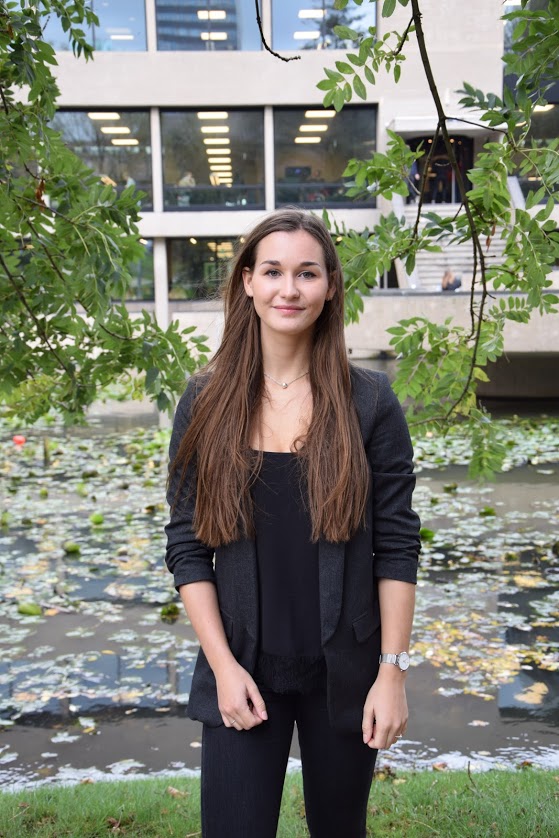
Sven de Langen is CDA’s lijsttrekker (top candidate) in Rotterdam and also serves as a councillor holding the Education, Youth and Health Care portfolio. After obtaining a degree in physiotherapy, he studied public administration at EUR because many physical problems are rooted in social issues.

Image by: Aysha Gasanova
Elections 2018
- Beyond the dikes of Zeeland lies the promise of politics on the national stage
- Leading candidates’ debate: the fierce, the silent, and the court jester
- The Smartest Vote – choose your student!
- Christel (CU-SGP) wants a stronger feeling of connection and cleaner air in Rotterdam
Last year, we had a municipal referendum on the Housing Vision policy document. What is your party’s view on housing, and how does student housing figure in it?
“The Housing Vision policy document is very important to us. Rotterdam has a very significant supply of cheap places to live, but it does have a shortage of houses for young professionals and people my age (31 – ed.) to move into. The city should establish special student neighbourhoods, where student accommodations should be concentrated. Such student neighbourhoods should be strategically located to provide easy access to the university.”
Do you think there should be more such municipal referendums?
“No. We think the best way to reach people is to be in the city every single day. I really feel we are talking ourselves into believing our democracy is failing to some extent. The members of our party can be found at the lowest grassroots level. We are represented in every borough. We talk to Rotterdammers every day – by means of working visits, among other things. I receive e-mails every day, and everyone is welcome to come and visit us at the City Hall for a bit of a discussion.”
But don’t you think you are only reaching outspoken people in this way?
“That’s true, but we have many other opportunities to talk to people who are less outspoken.”
‘The city should establish special student neighbourhoods, where student accommodations should be concentrated’
How to make democracy more appealing to people in general?
“Well, referendums definitely aren’t the way to go. You can’t reduce something as major as the Housing Vision policy document to one single sentence and tell people to express their opinions on it by ticking a box. I call that a ‘fake referendum’. The way to do it is to give people a greater say in their immediate surroundings. For instance, if work is being done in a street in front of some people’s homes, that would be a good time to ask those people to weigh in on the subject.”
A new memo on restaurants and cafés was passed last autumn. What is your policy with regard to restaurants and cafés?
“I think we have a highly varied restaurant and café scene as it is. There is no reason for students to be bored at night here. But some people act as if we need to allow way more places to remain open at night to make our nightlife scene even more vibrant. There are enough places that are allowed to remain open as it is. If we give out any more permits, people living in those neighbourhoods will get annoyed. My party frequently receives complaints from people who live in entertainment districts. More permits won’t help entrepreneurs, either, as they will only increase their competition.”

Image by: Aysha Gasanova
Last November, Mayor Aboutaleb stated in AD that Rotterdam wishes to experiment with weed vending machines. Will that constitute the next step in Dutch coffee shop policy?
“We are on our way to having a smoke-free generation. The current weed policy does not fit into that. Soft drugs, and hard drugs in particular, result in crime. That is one of the main issues in terms of security and the undermining of society. People are not taking weed seriously enough. We oppose the initiative proposing municipal weed-growing. Quite frankly, I hope there will no longer be a need for tobacco and weed some ten, twenty or thirty years from now. I hope the coffee shops will disappear because there is no longer any demand for them. And just to take things a step farther, I think we need a sugar tax, as well.”
A sugar tax? Surely people are able to make up their own minds about that?
“Well, clearly they aren’t. It’s OK to protect people up to a certain extent. We could allocate the revenues to the health care system. Rotterdammers, too, suffer from obesity and type-2 diabetes. People have a more sedentary lifestyle and poor diets, which means we need a sugar tax.”
‘I think we have a highly varied restaurant and café scene as it is. There is no reason for students to be bored at night here’
CDA has been on the Municipal Executive for the past few years. Which CDA achievement of the last four years are you most proud of?
“I am particularly proud of all the public services we have improved. Better education, better health care, good sports facilities. We provide Rotterdammers with the right kind of opportunities to help them grow.”
Did you have to make any particularly hard concessions?
“We had several difficult debates. The hardest one was the one about the establishment of the asylum seekers’ centre. People were acting as if the establishment of the asylum seekers’ centre would sound the death knell for Rotterdam, but in the end it wasn’t too bad. Another thing that was hard was the Assimilation Memo. Diversity is a great thing, but if you want people to co-exist, you need to draw up rules. We felt Leefbaar Rotterdam (the local right-wing party – ed.) was taking things a little too far. We really had to tell Leefbaar to tone it down a bit during the negotiations.”
De redactie
Latest news
-
Interest on student debt at highest level in 17 years
Gepubliceerd op:-
Money
-
-

Behind on repaying your student debt? DUO may soon pass the details on to your municipality
Gepubliceerd op:-
Politics
-
-

Extra funding for higher education does not keep pace with inflation
Gepubliceerd op:-
Education
-
Politics
-

Comments
Comments are closed.
Ad
Read more in Politics
-
Behind on repaying your student debt? DUO may soon pass the details on to your municipality
Gepubliceerd op:-
Politics
-
-
Extra funding for higher education does not keep pace with inflation
Gepubliceerd op:-
Education
-
Politics
-
-

Cuts to education after all? It could happen, according to secret coalition plan
Gepubliceerd op:-
Education
-
Politics
-