The greatest lectures at the EUR
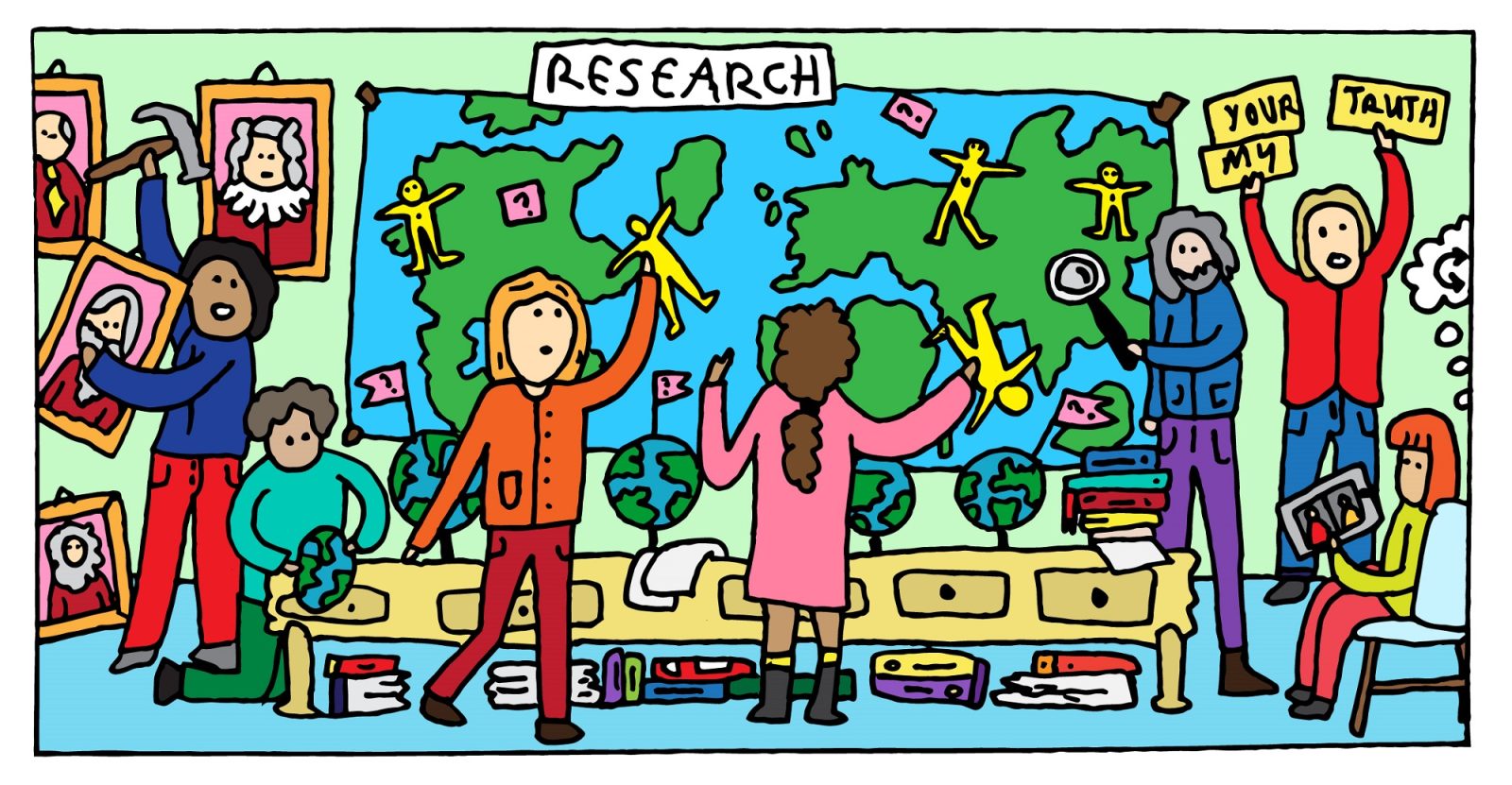
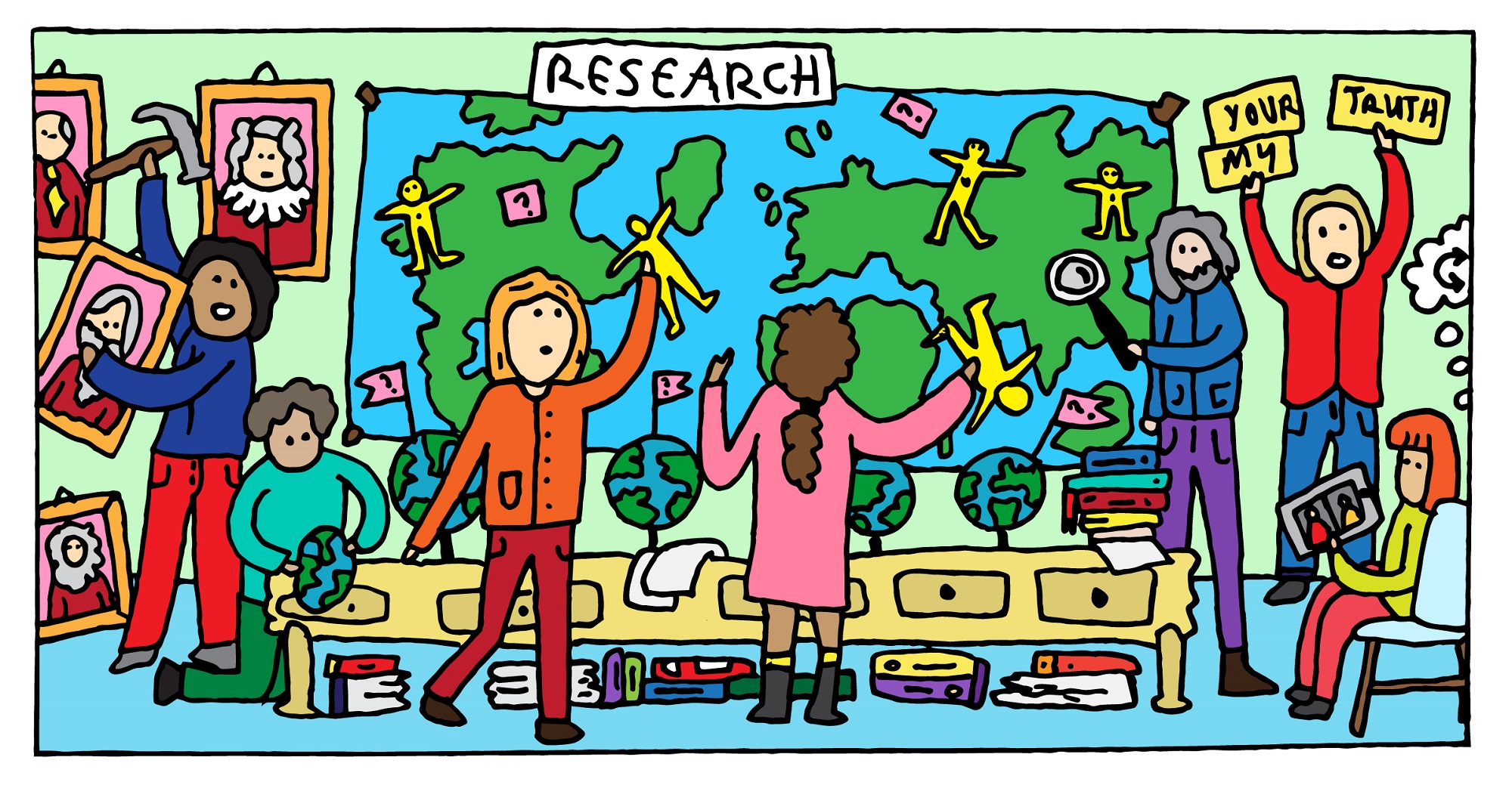
Each month, editor Feba Sukmana and illustrator Pauline Wiersema attend a lecture at EUR. Together they describe and illustrate how the class is being taught, what happens inside the lecture hall and how the students feel about the lecture. Read everything about the greatest lectures in this special.
Image by: Pauline Wiersema
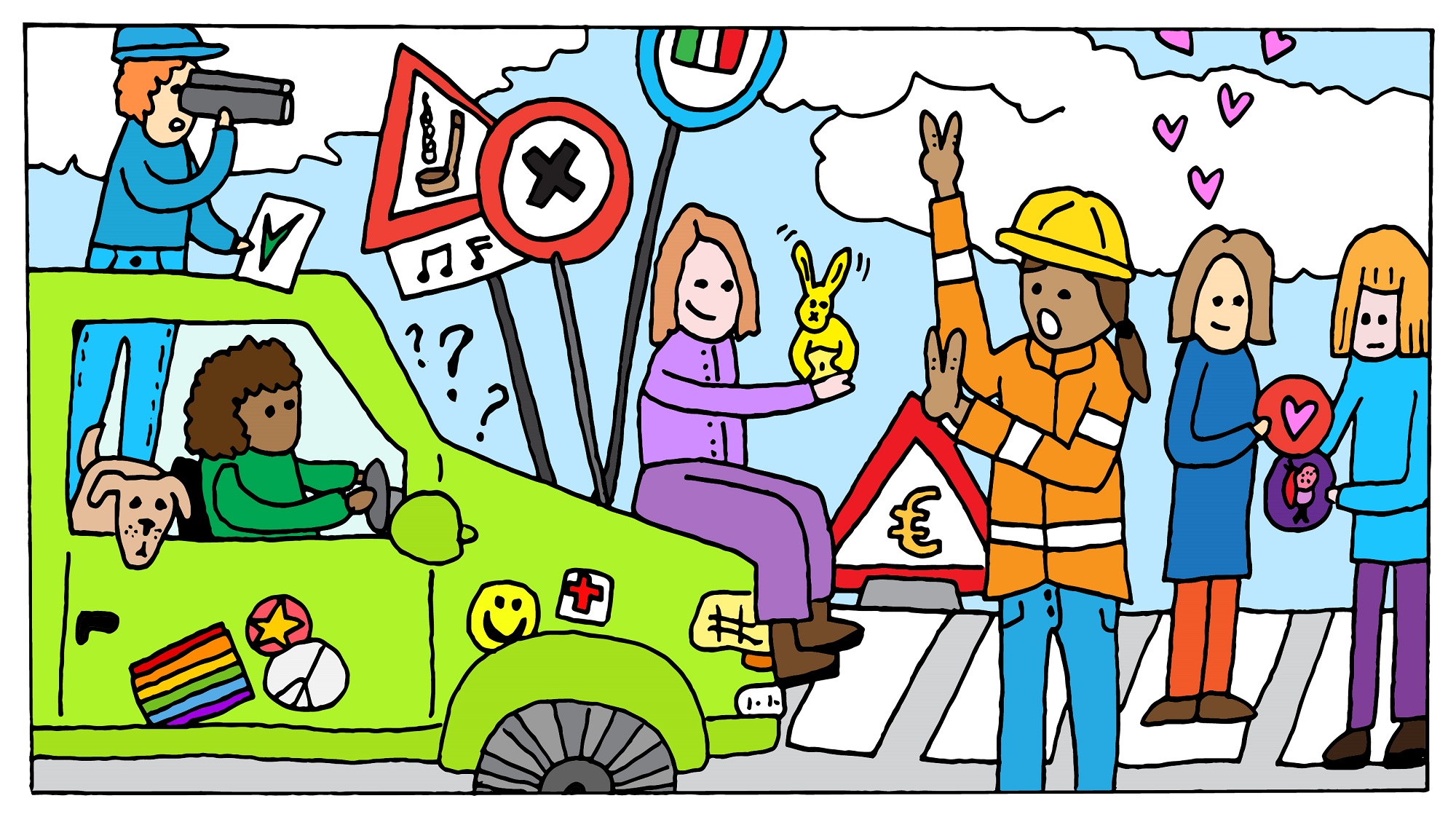
Despite an admittedly low number of attendees, the three students present at the intercultural communication lecture dissected themes such as stereotypes, ethnocentrism, and essentialism as guided by lecturer Maaike Aans. “If you’re being ethnocentric, you use your own culture as the standard to be aspired to,” she explains to the group.
Read more
-
Poor turnout, but the intercultural communication lecture is worth it
Gepubliceerd op:-
In the lecture hall
-
After two weeks of quarantining at home, lecturer Peter Verkoeijen delivered a TED Talk-like lecture that turned the difficult topic of probability calculus into an easy-to-follow seminar.
Read more
-
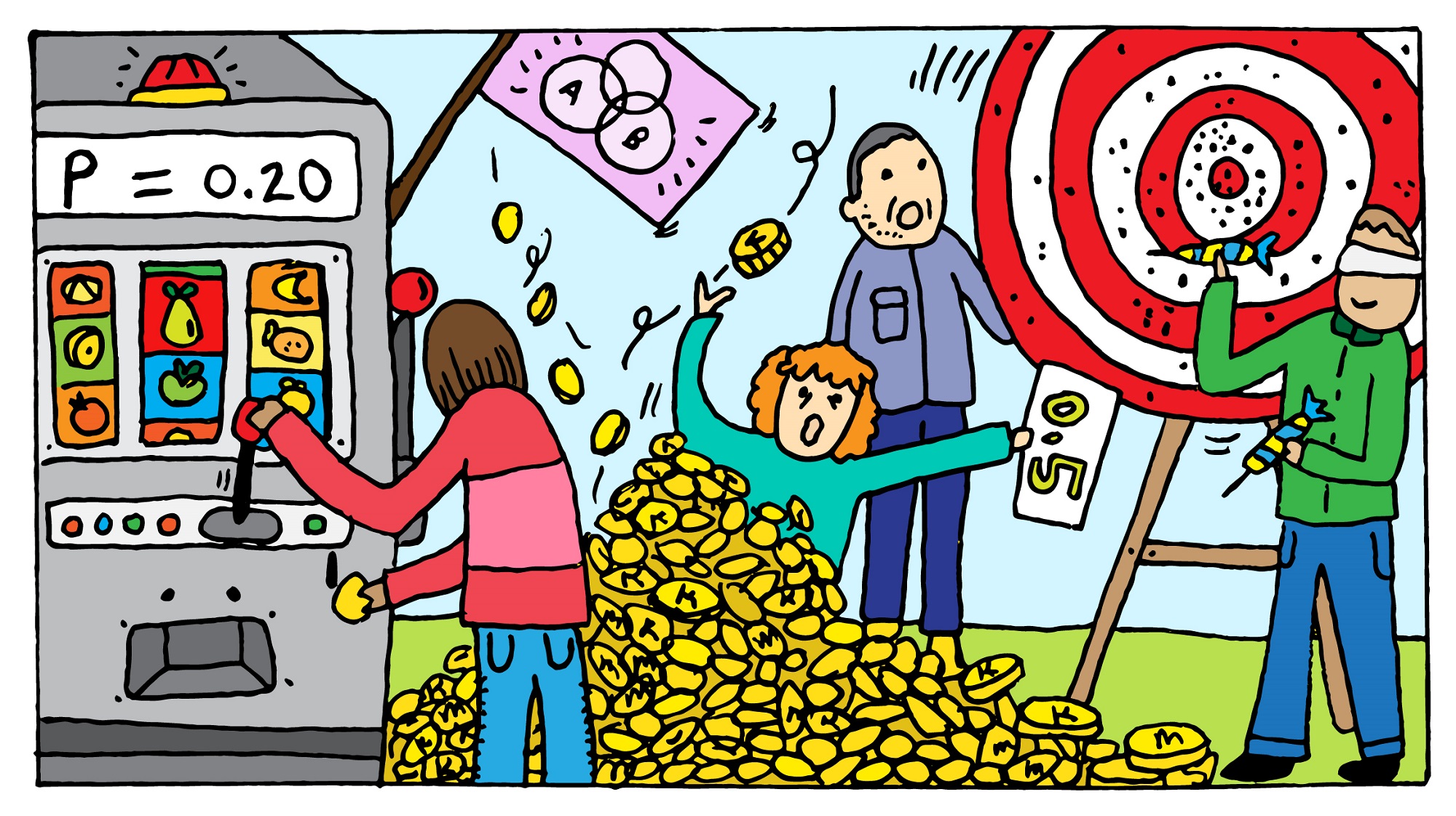
Probability calculus minus the tricky jargon in a Statistics lecture
Gepubliceerd op:-
In the lecture hall
-
In the Families and Inequalities lecture, Sociology master’s students passionately took part in the lecture themselves, as they contributed their perspectives on the topics discussed throughout. “In fact, we still have a lot of gender patterns to break through.”
Read more
-
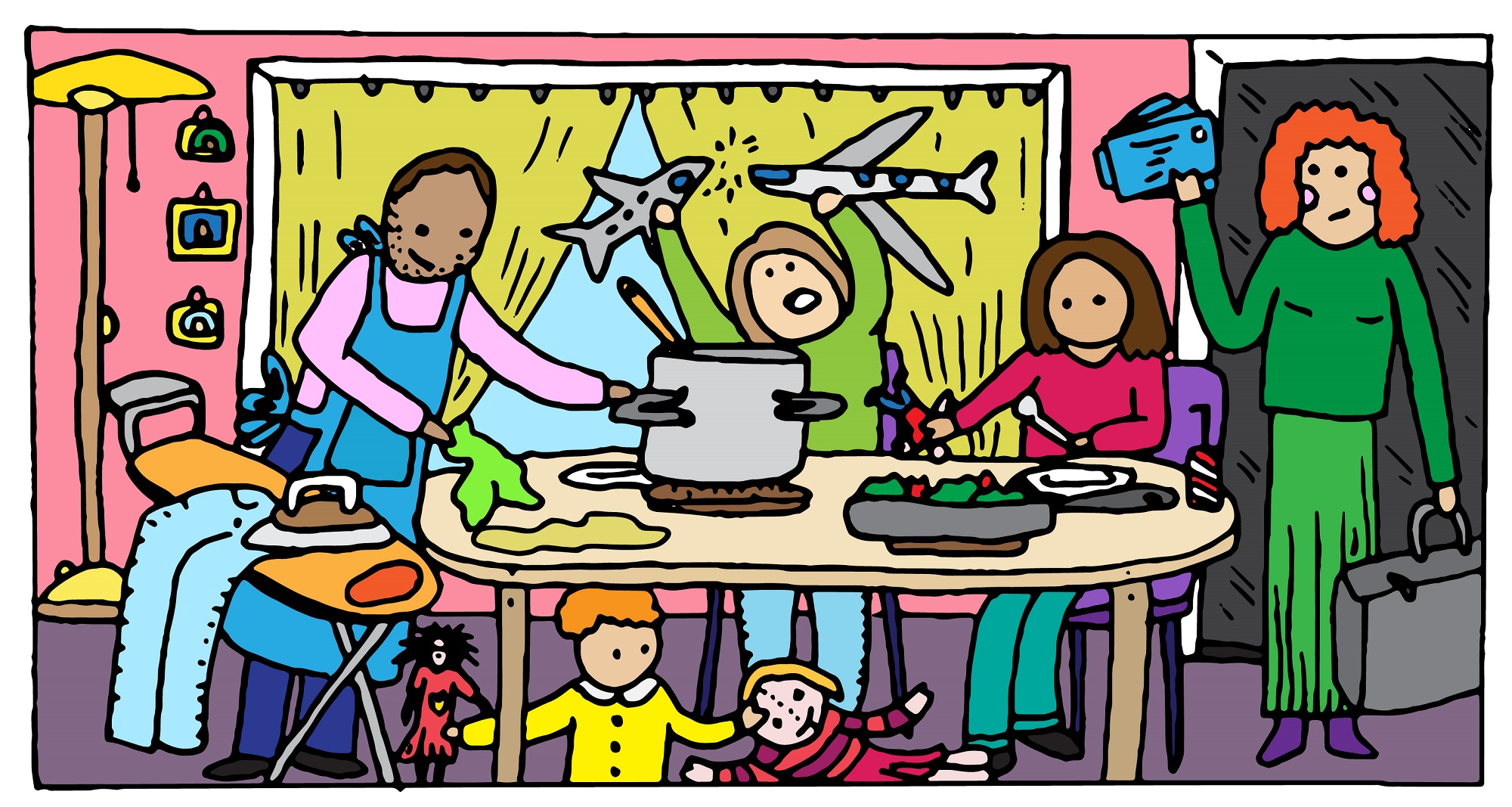
Gender inequality ignites fiery discussion in lecture hall
Gepubliceerd op:-
In the lecture hall
-
In this skill-based seminar taught by professor Bob Zietse, medical students learn to answer all sorts of questions in relation to kidneys. “You’re not allowed to guess the patient’s urine volume.”
Read more
-
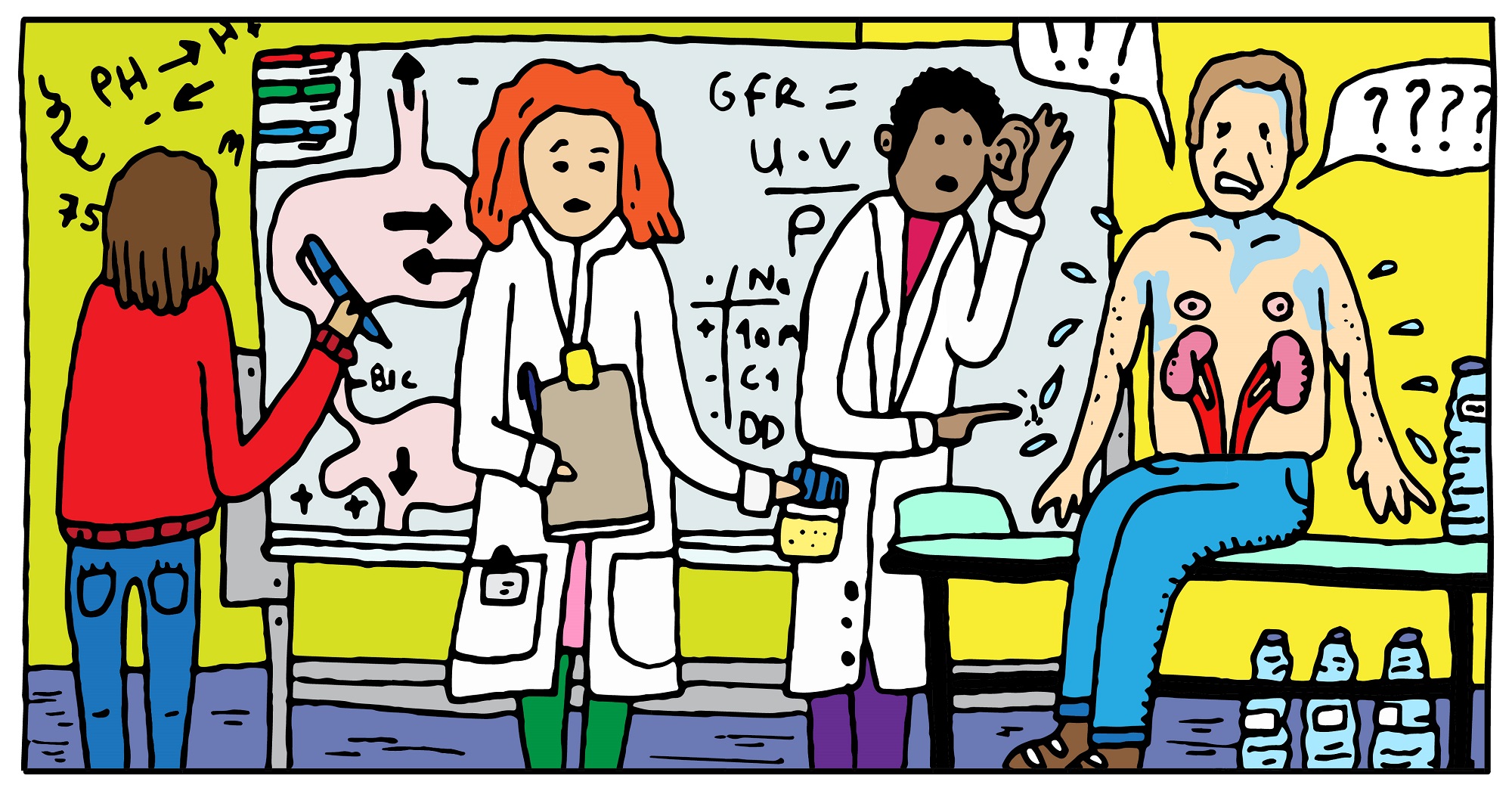
First-year medical students learn what a meal at an Italian restaurant does to your kidneys
Gepubliceerd op:-
In the lecture hall
-
There is never a dull moment in this three-hour lecture by Etienne Augé, as students explore the ideas and complexities of popular science fiction productions. “I just realised how relevant science fiction is when it comes to understanding the world.”
Read more
-
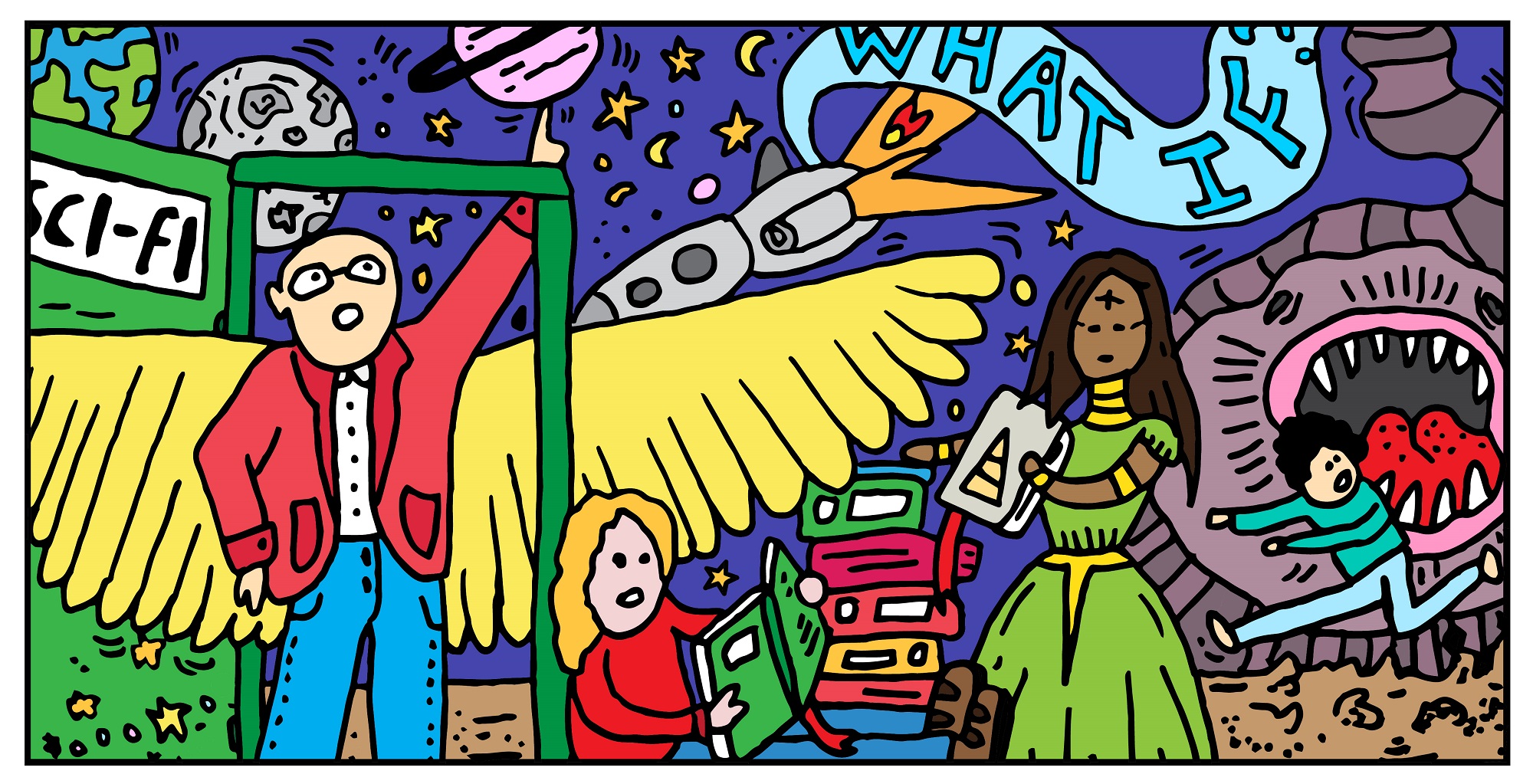
Enjoy a cinematic experience in the lecture Science Fiction and Media
Gepubliceerd op:-
In the lecture hall
-
Damaged or enriched? In the Aesthetics Lecture at Depot Boijmans, students discuss aftermath of the peanut-butter platform incident, post-modernism, and philosophy within the art world.
Read more
-
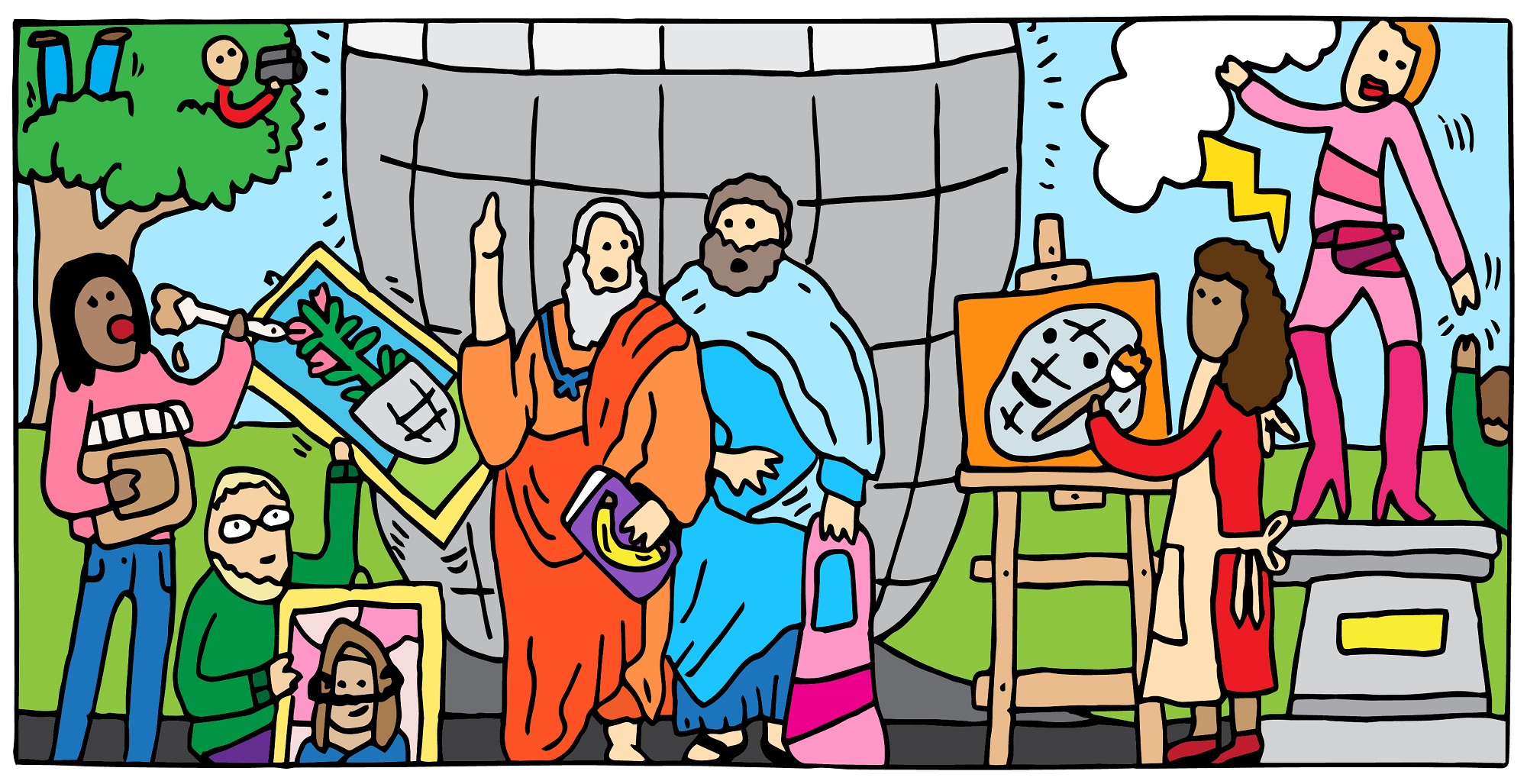
Philosophy students delve into the art world at Depot Boijmans
Gepubliceerd op:-
In the lecture hall
-
Using many emojis, lecturer Jeroen Suijs explains the stages of sales bookkeeping and how to cater for unexpected bookkeeping situations, such as returns, late payments or failure to pay.
Read more
-
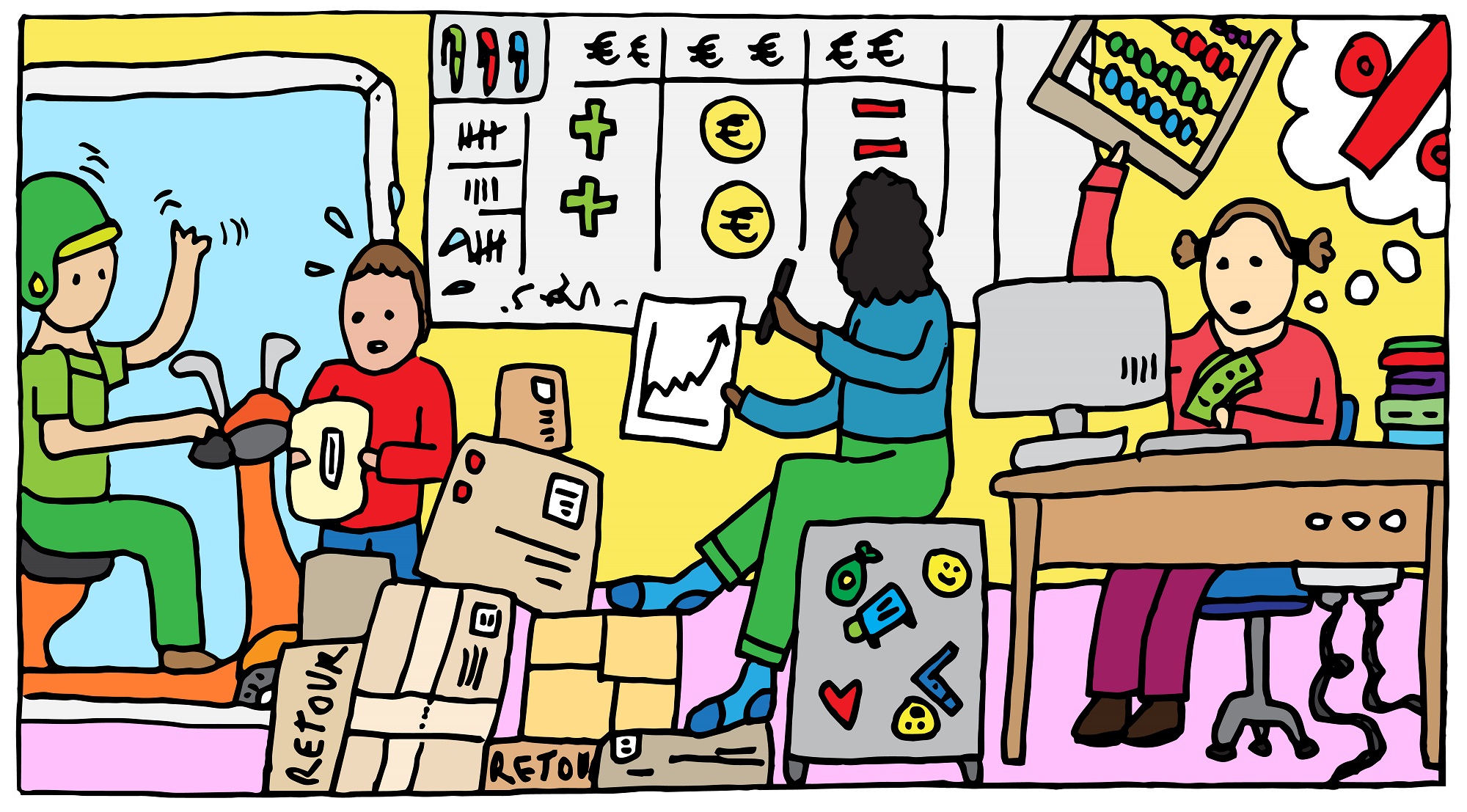
During Accounting lectures, economics students learn what companies do when you return your order
Gepubliceerd op:-
In the lecture hall
-
Was the Round City of Baghdad an Islamic city? In this lecture, students at the Erasmus University College receive an introduction on the political history of Islam, based on key historical buildings and events.
Read more
-
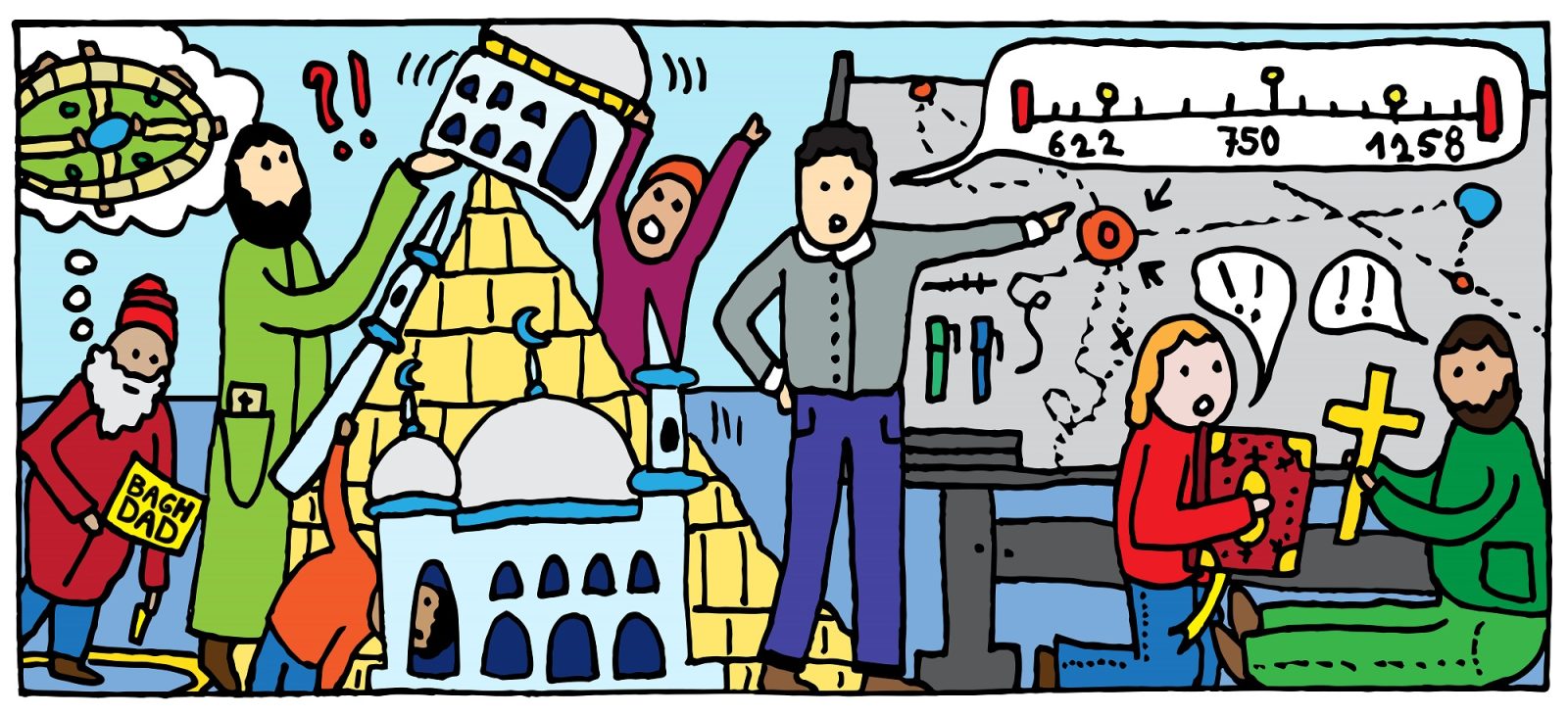
At EUC, students learn about the complexities of Islam by studying historical buildings
Gepubliceerd op:-
In the lecture hall
-
In the Innovation Management lecture by lecturer Jasmien Khattab, business students took a quiz which served to test the knowledge they had acquired. Student Max won and was rewarded with a bag of chocolate coins.
Read more
-
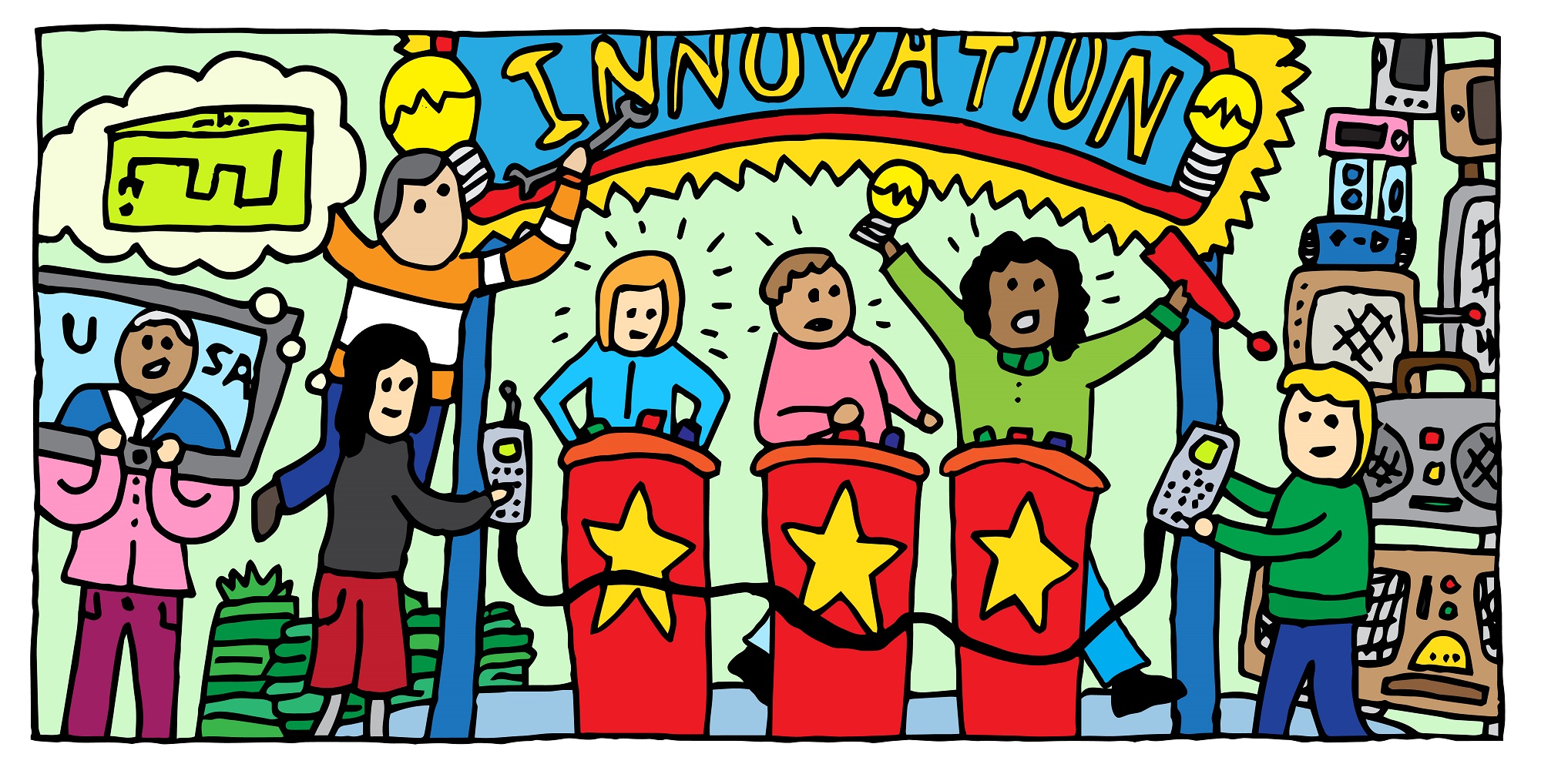
Student wins chocolate coins in quiz during Innovation Management lecture
Gepubliceerd op:-
In the lecture hall
-
Erasmus University College students attend their first anatomy lecture at Erasmus MC, where they first see all types of human bones. Students examined the spinal column, though some felt uncomfortable by the presence of preserved human bodies.
Read more
-
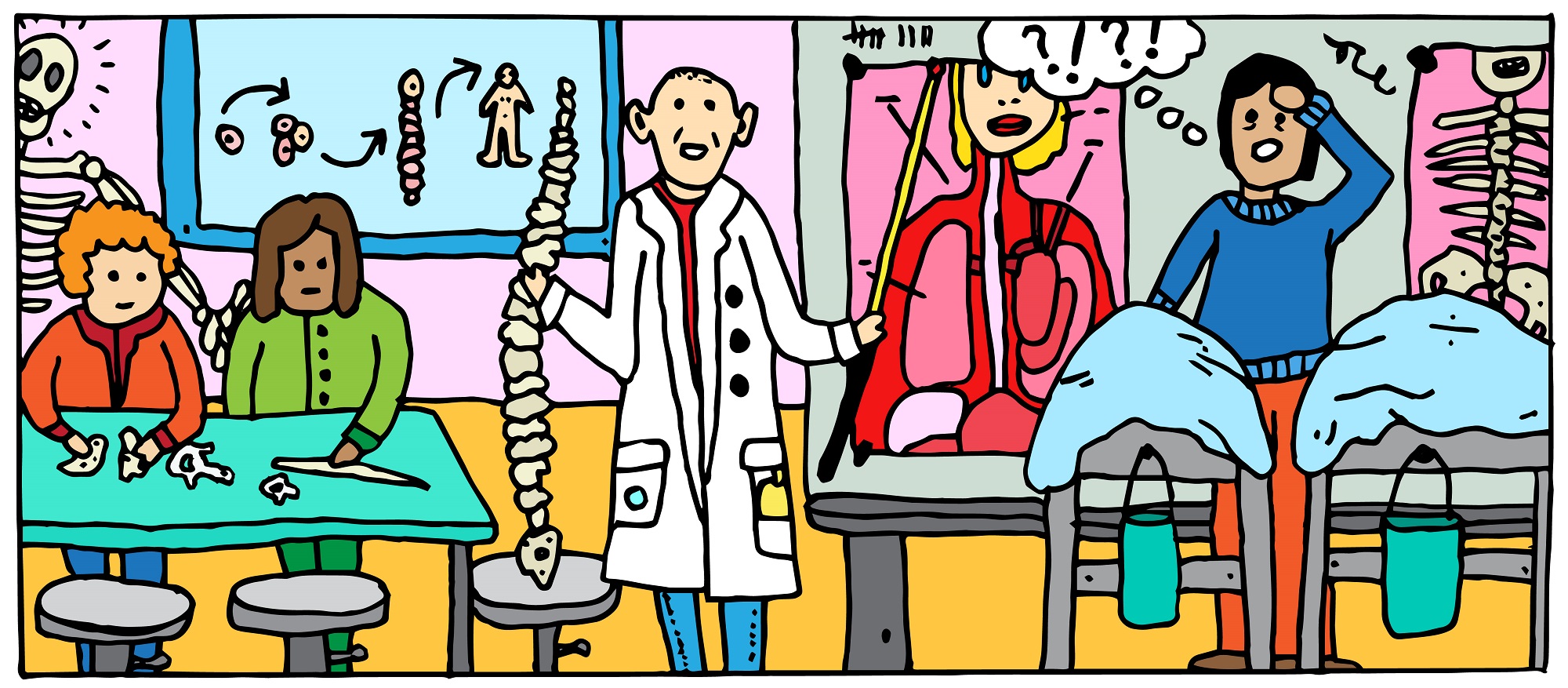
In anatomy lectures, students work with real bones
Gepubliceerd op:-
In the lecture hall
-
Students and researchers at the International Institute of Social Studies discuss the power system and coloniality in art. “Universality is a Western narrative. With it, the West determines what is beautiful and what is not.”
Read more
-
ISS students learn about colonial power in art during lecture Decoloniality
Gepubliceerd op:-
In the lecture hall
-
At the radiology department of Erasmus MC, Marketing Management master’s students have their own brains scanned and examined. Over fifty enthusiastic students analyse brain activity when exposed to stimuli such as commercials.
Read more
-
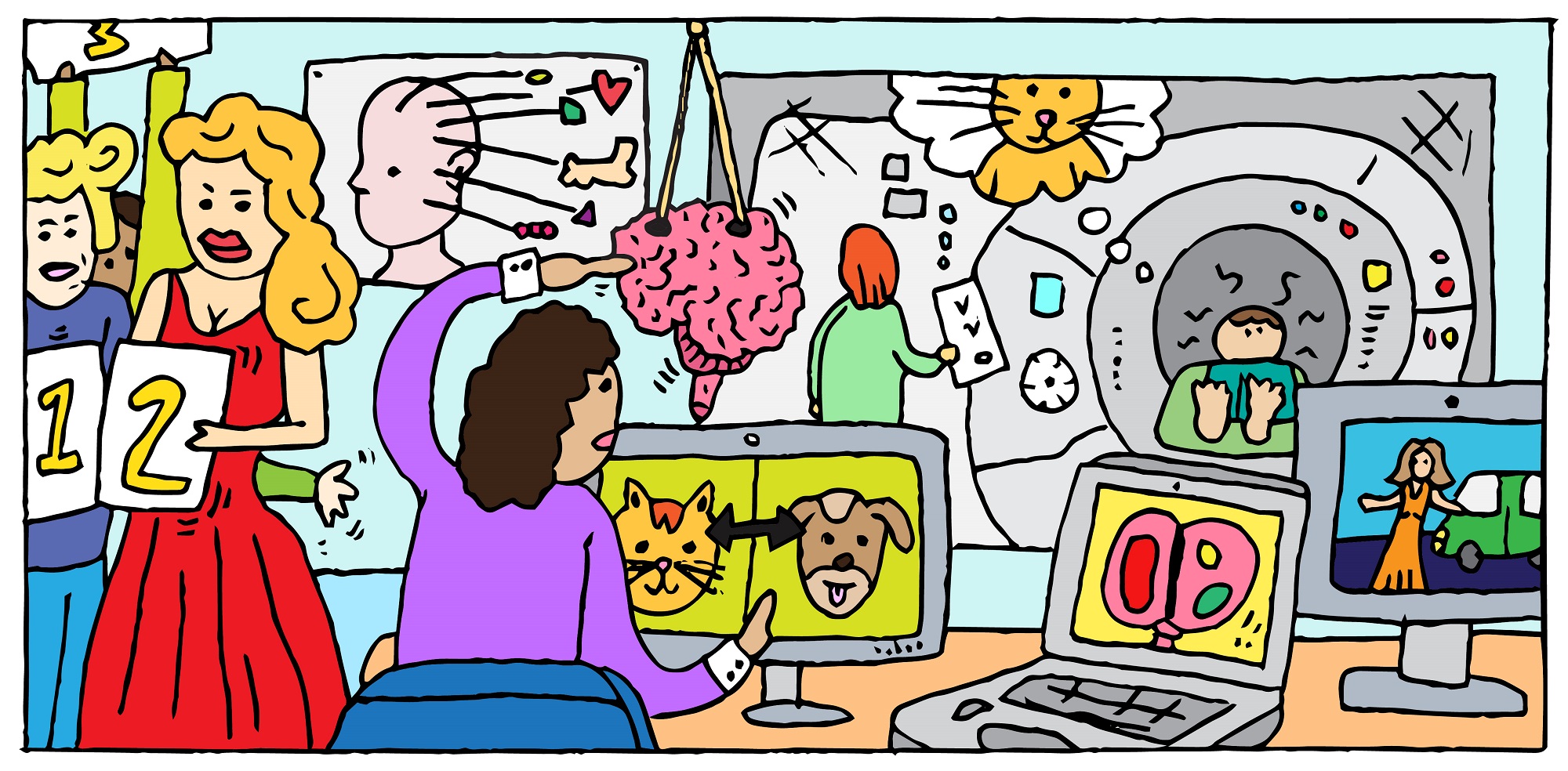
Neuromarketing students slide into fMRI machine to examine their own brain
Gepubliceerd op:-
In the lecture hall
-
How realistic is the representation of people with autism in popular culture? With lecturer Aleksandra Badura, Students at Erasmus University College discuss the biological and social aspects of autism during the lecture Genes, Brains and Society.
Read more
-
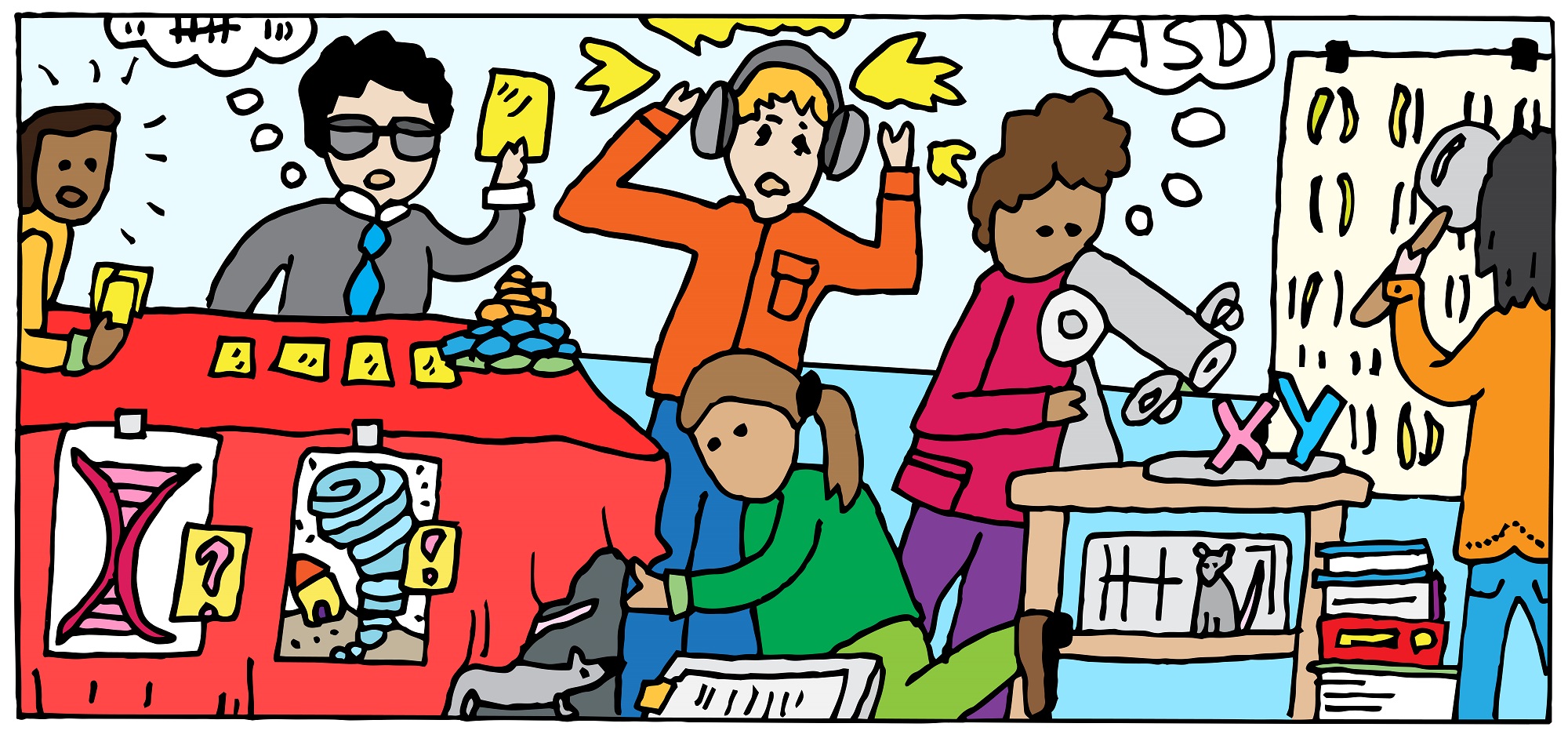
Sheldon Cooper and Sherlock Holmes are not actually good representations of people with autism, EUC students learn
Gepubliceerd op:-
In the lecture hall
-
From the perspective of an ex-con, students get first-hand experience of the criminal world at this four-hour-long Criminology lecture. “We didn’t want to hurt them at all, we just wanted the money!”
Read more
-
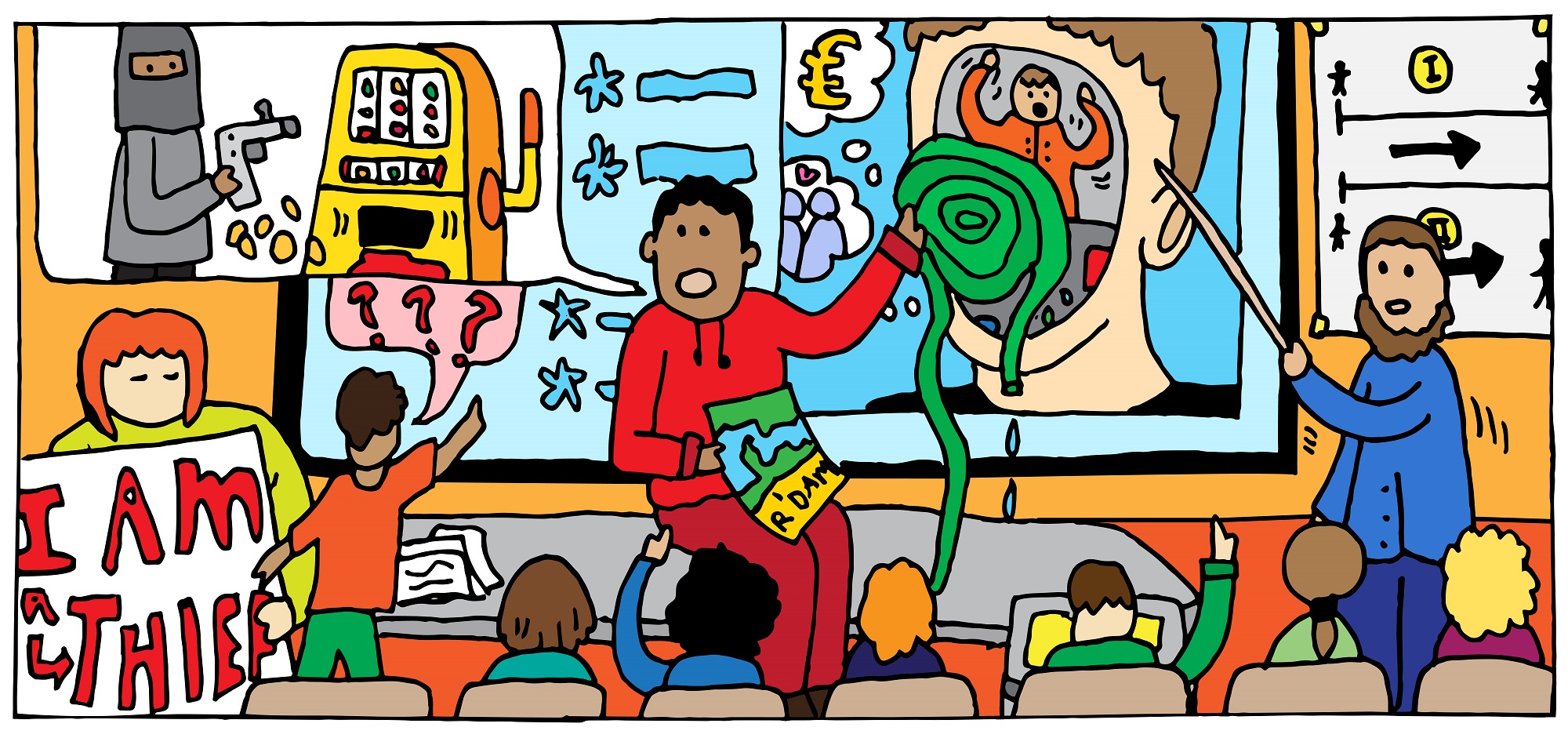
From drug deals to violent robbery: ex-con tells his life story in lecture Criminal career
Gepubliceerd op:-
In the lecture hall
-
On a hot summer day, Philosophy students question Hannah Arendt’s views on education in a Philosophy and Practice lecture.
Read more
-
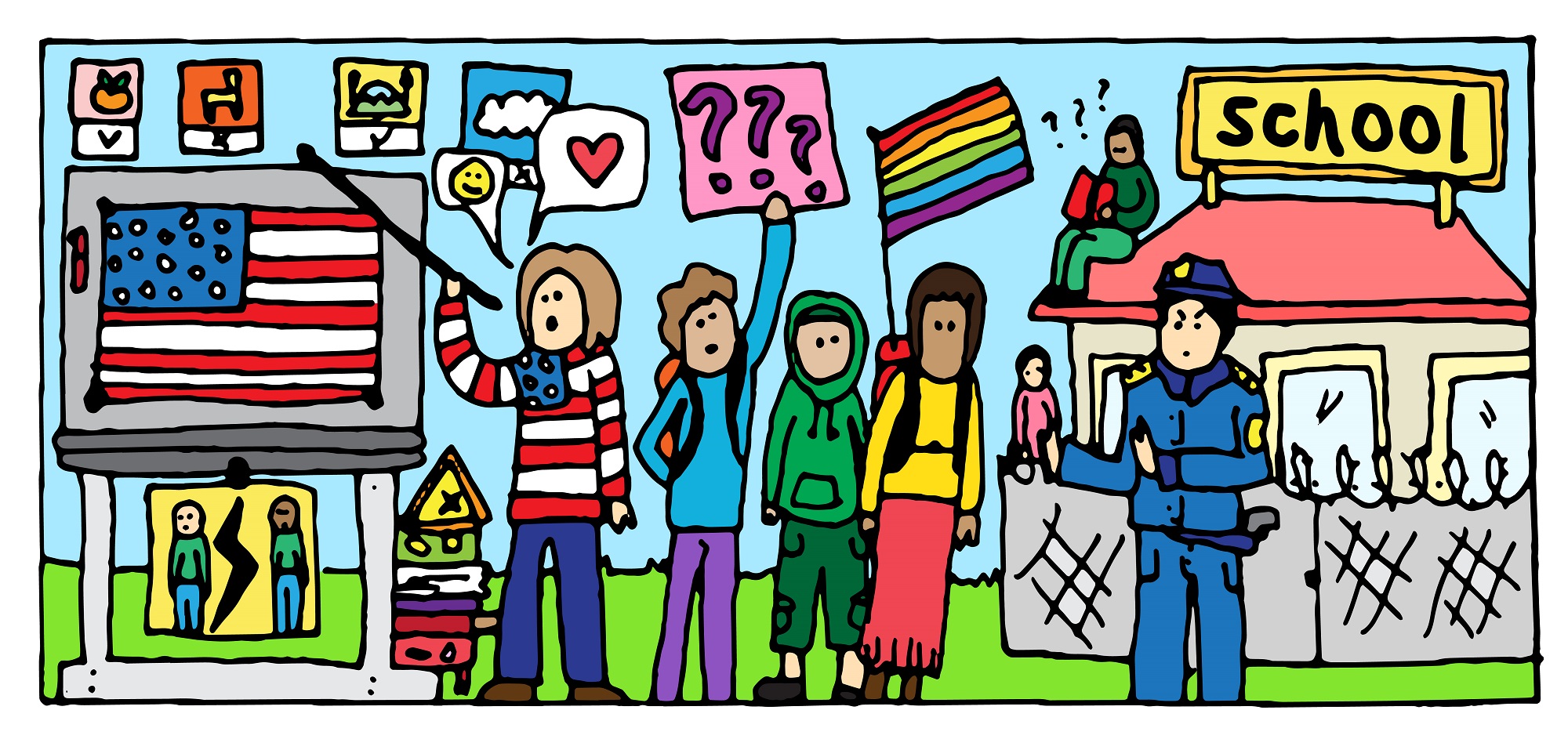
‘So she was in favour of racial segregation?’ Philosophy students take a closer look at Hannah Arendt
Gepubliceerd op:-
In the lecture hall
-
Students use electroencephalography in their Electrophysiology class to measure their brain activity. “Oops, sorry – I’ve overdone it with the gel!”
Read more
-
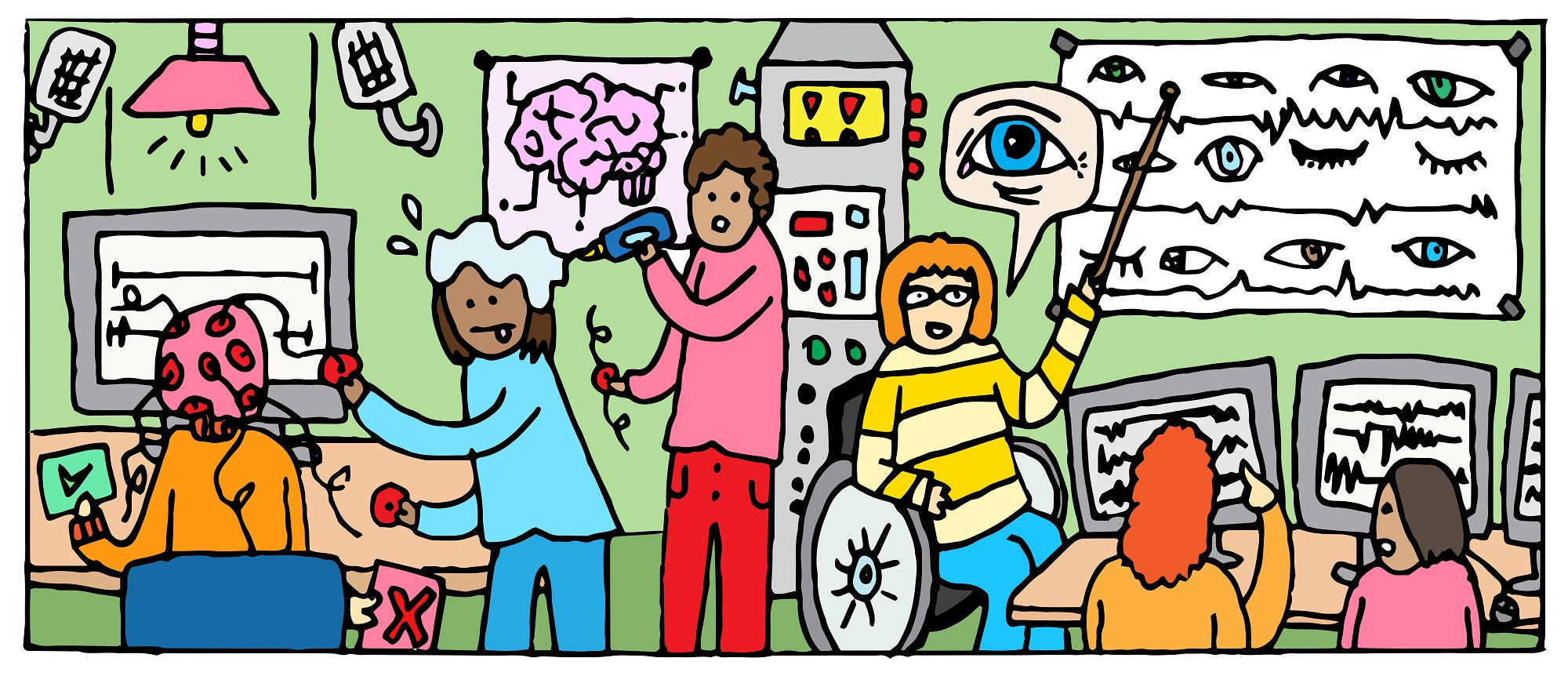
Students play around with gel and stick electrodes on each other during Electrophysiology practical
Gepubliceerd op:-
In the lecture hall
-
Through the AI and societal impact lecture series, students explore the impact of artificial intelligence (AI) on various aspects of life. Guest lecturer Claartje ter Hoeven talks about exploitation on the digital labour market.
Read more
-

Who cleanses your social media feed? Students learn about digital exploitation in a lecture on artificial intelligence
Gepubliceerd op:-
In the lecture hall
-
In the final seminar of Fashion Media, students present their assignments, from an exhibition on fashionable criminals to a podcast about the influence of social media on beauty ideals among young people. “This course has changed my consumption behaviour.”
Read more
-
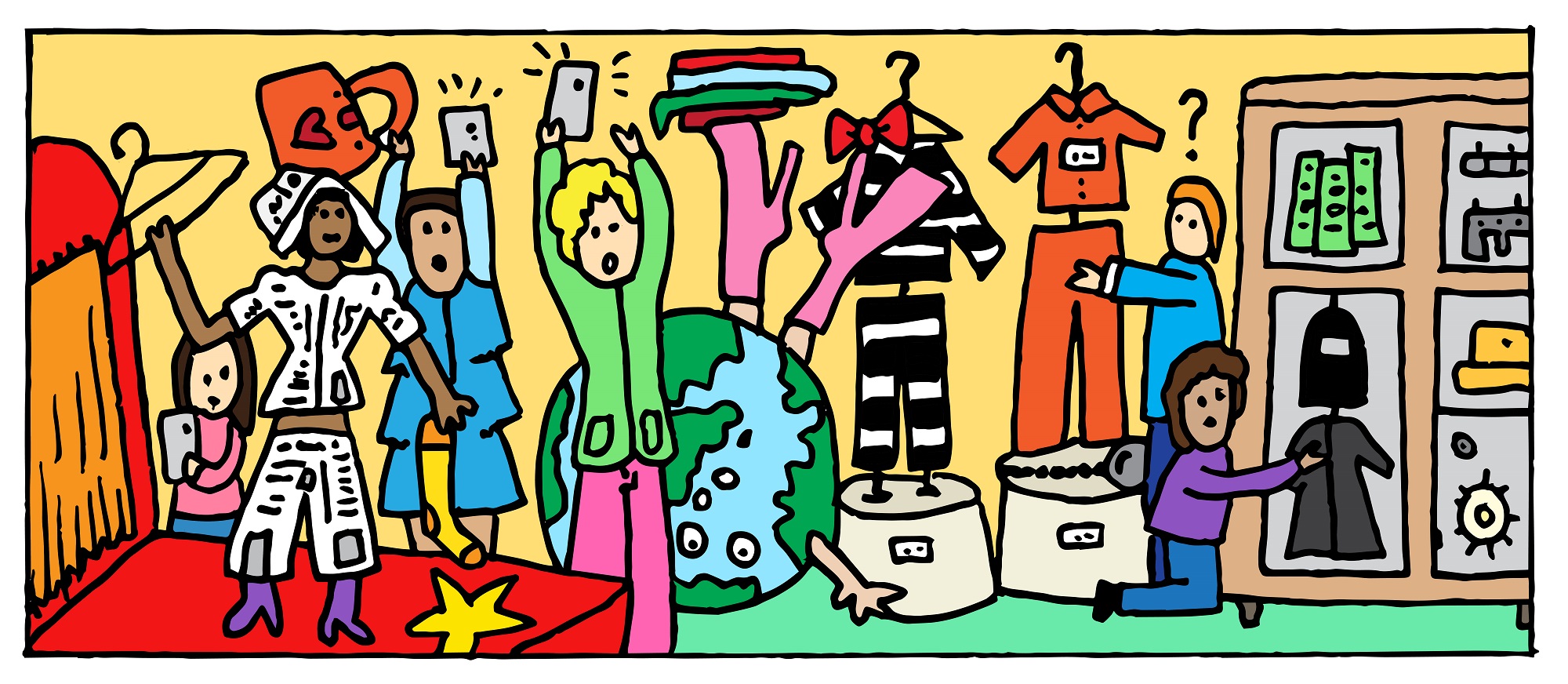
Is it ethical to portray criminals as fashionable? Students come up with the craziest ideas in Fashion Media seminar
Gepubliceerd op:-
In the lecture hall
-
In the lecture Neuroscience of Everything, Erasmus University College students learn about the anatomy of brains. “I became interested in everything to do with the brain because of my ex.”
Read more
-
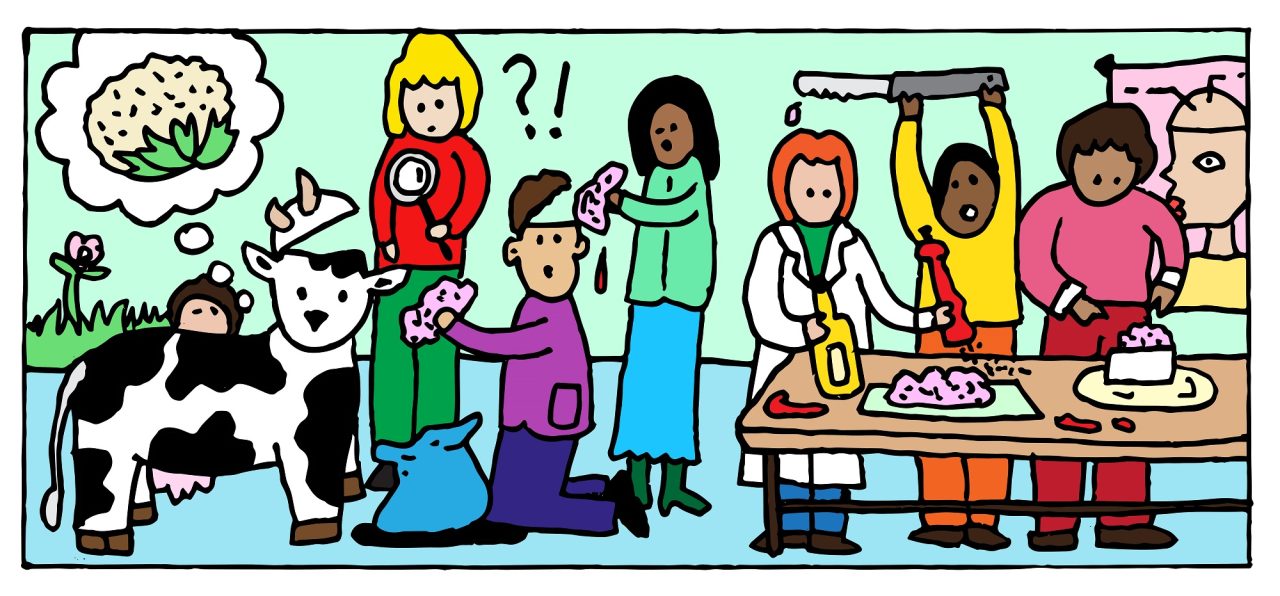
‘This feels like jelly.’ EUC students dissect calf brains
Gepubliceerd op:-
In the lecture hall
-
In the Advertising and Communication lecture, Marketing students learn strategies to influence and persuade people. “Requests can backfire. Sometimes, it’s better not to say anything.”
Read more
-
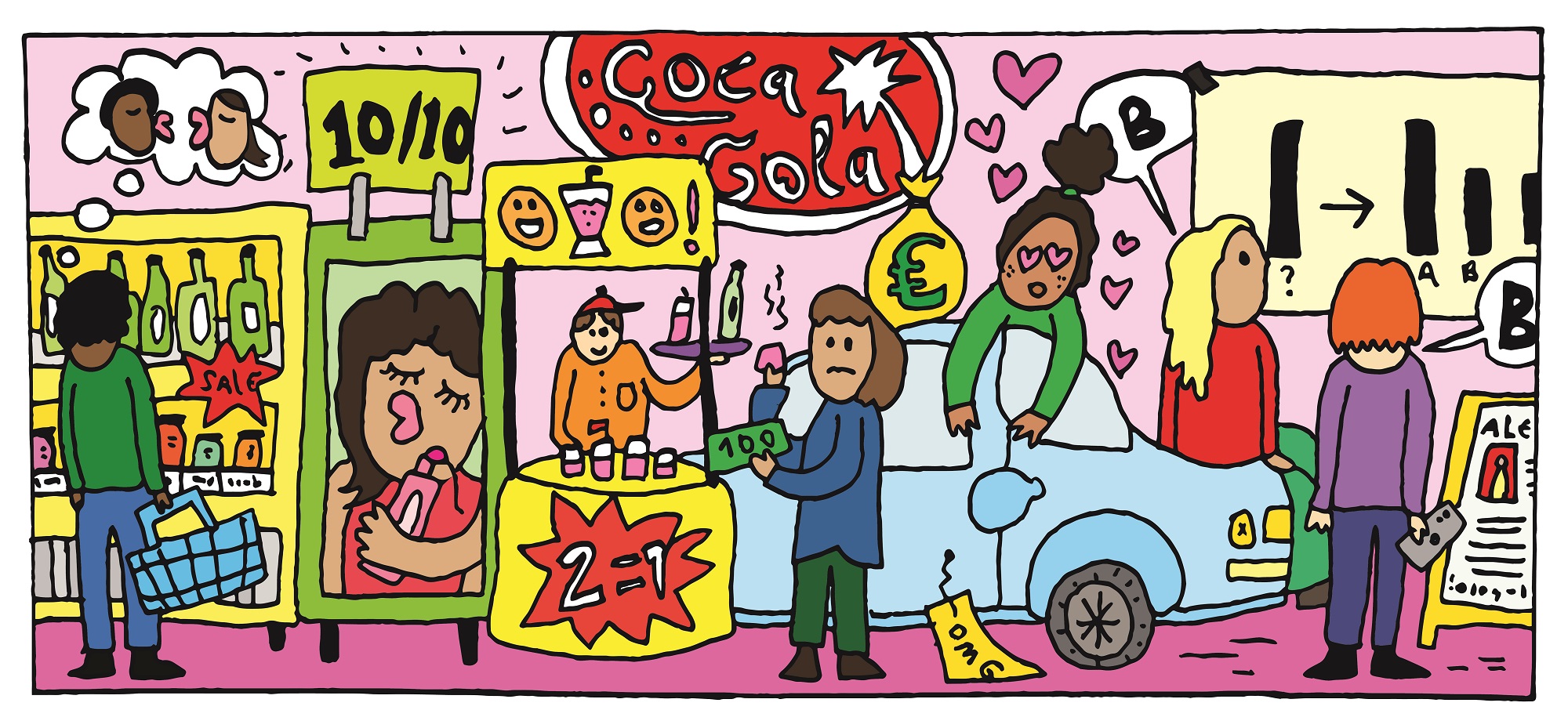
How to cut in line? Marketing students learn how to persuade people
Gepubliceerd op:-
In the lecture hall
-
During the lecture Migration, citizenship and identity in a globalising world, history students think about the best way to recruit an army if war were to break out in their non-existent country, Utopia. “If I were called up for service, I would definitely do it. I won’t be chased out of my country.”
Read more
-
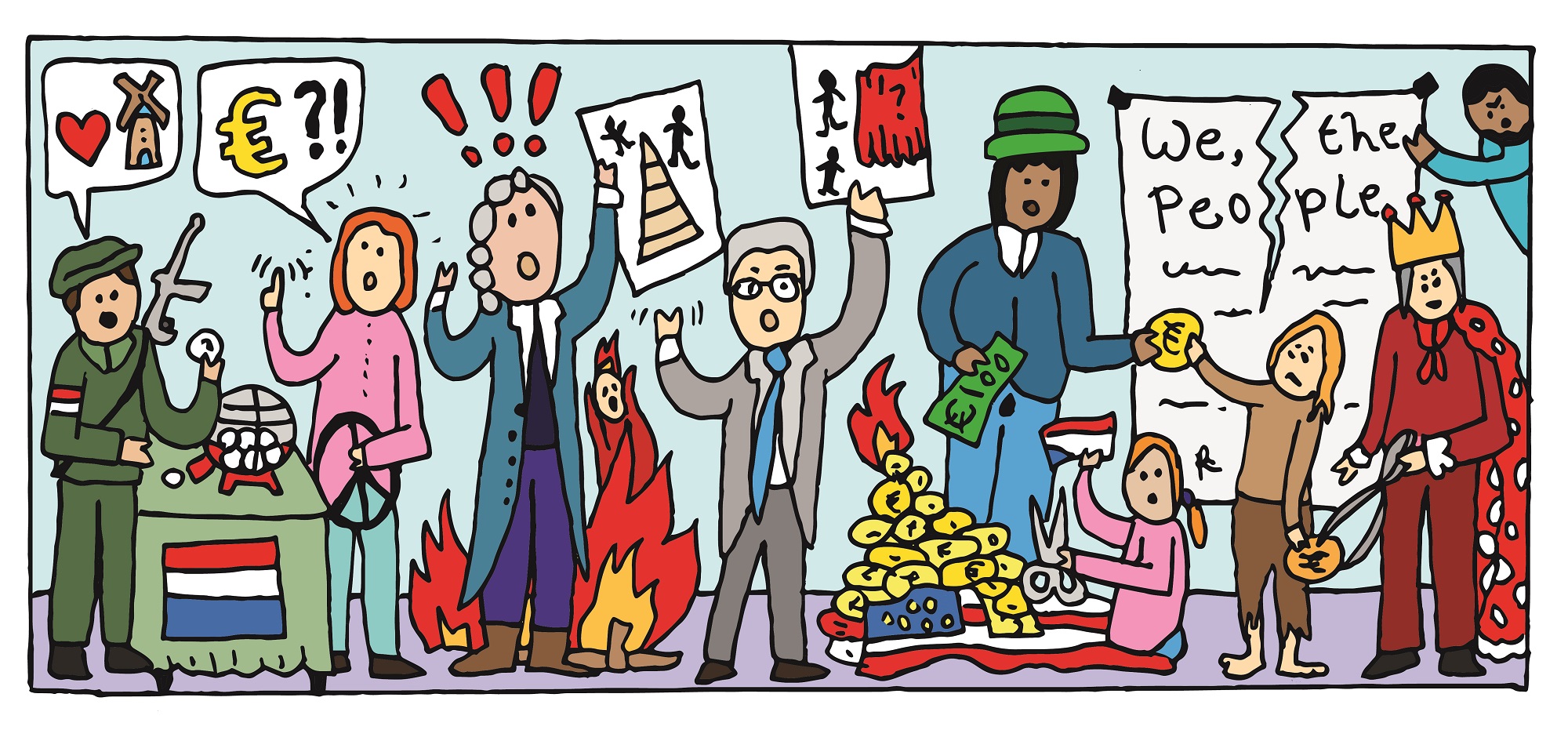
History students face dilemma over conscription: ‘Sending people to war is actually unacceptable’
Gepubliceerd op:-
In the lecture hall
-
In the lecture Economics of Arts and Culture, students learn why the cost of admission to art performances rises quicker than the price of items like clothing. “As an artist, I never really get paid well for my performances. Sometimes, it actually costs me money to perform.”
Read more
-
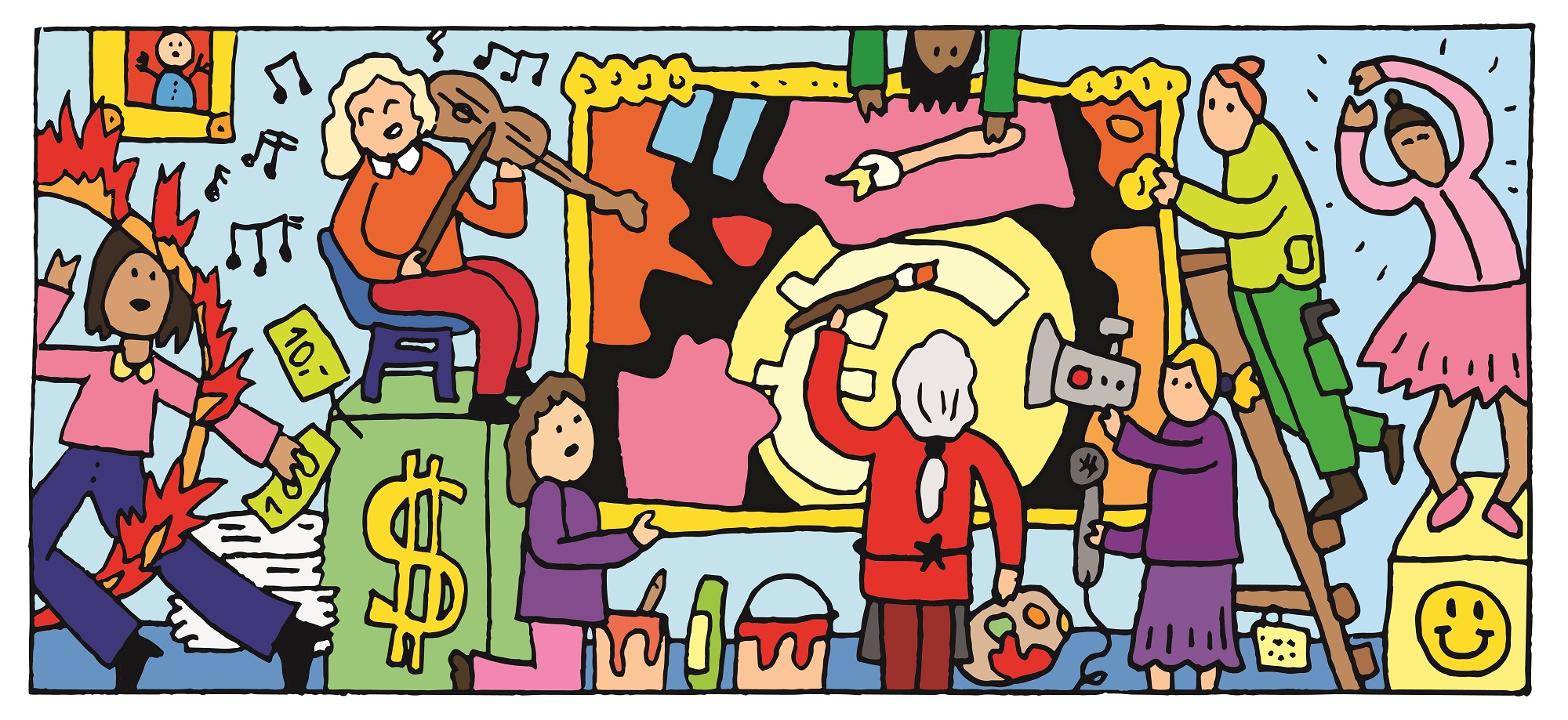
Why are concert tickets getting pricier? Students delve into the concept of cost disease in the art world.
Gepubliceerd op:-
In the lecture hall
-
How can we safeguard the rights of people with disabilities and where do we draw the line when it comes to self-determination for this group? These are the central questions in André den Exter’s International Health Law course. “This course give me a broader view of the law.”
Read more
-
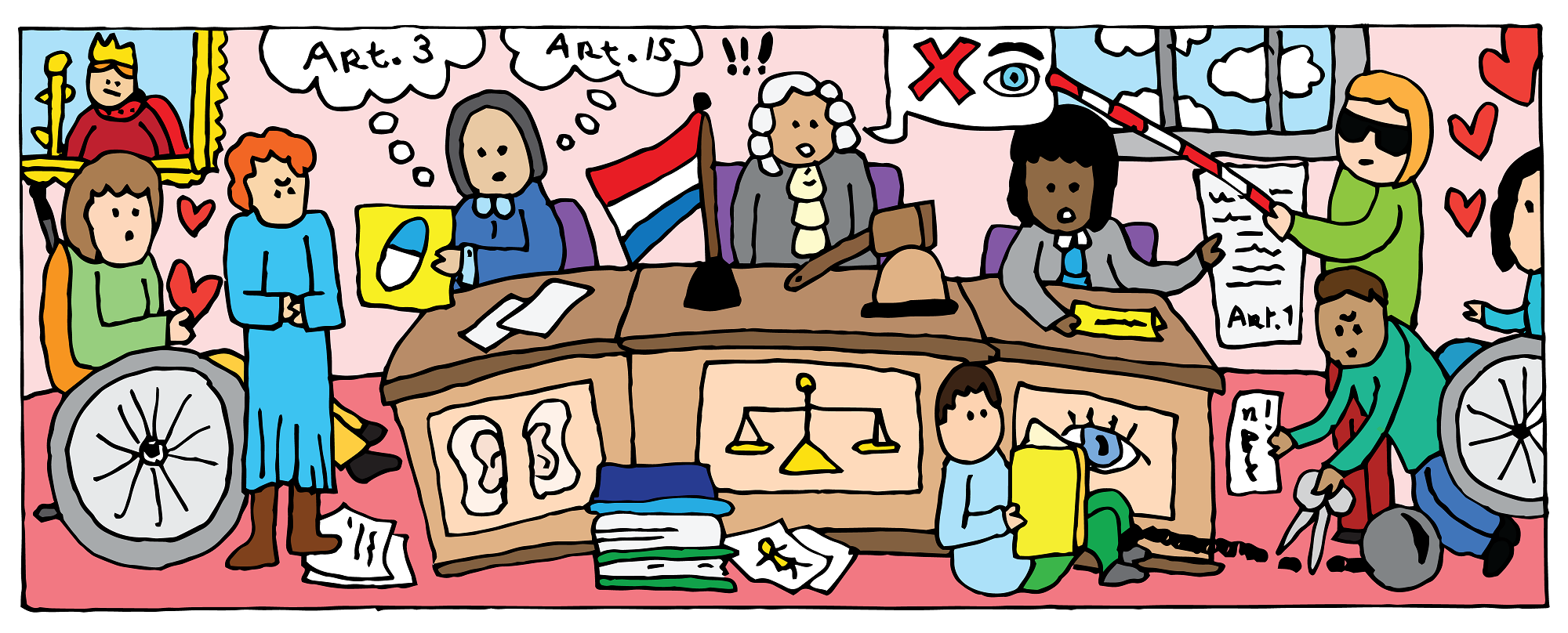
Can you make contraception mandatory for psychiatric patients? Students learn about the health rights of people with disabilities
Gepubliceerd op:-
In the lecture hall
-
In a dance workshop, Suzan Tunca from ICK Dance Academy gives students tools to deal with climate anxiety. “Sometimes it is good to be engaged with your body instead of your thoughts.”
Read more
-
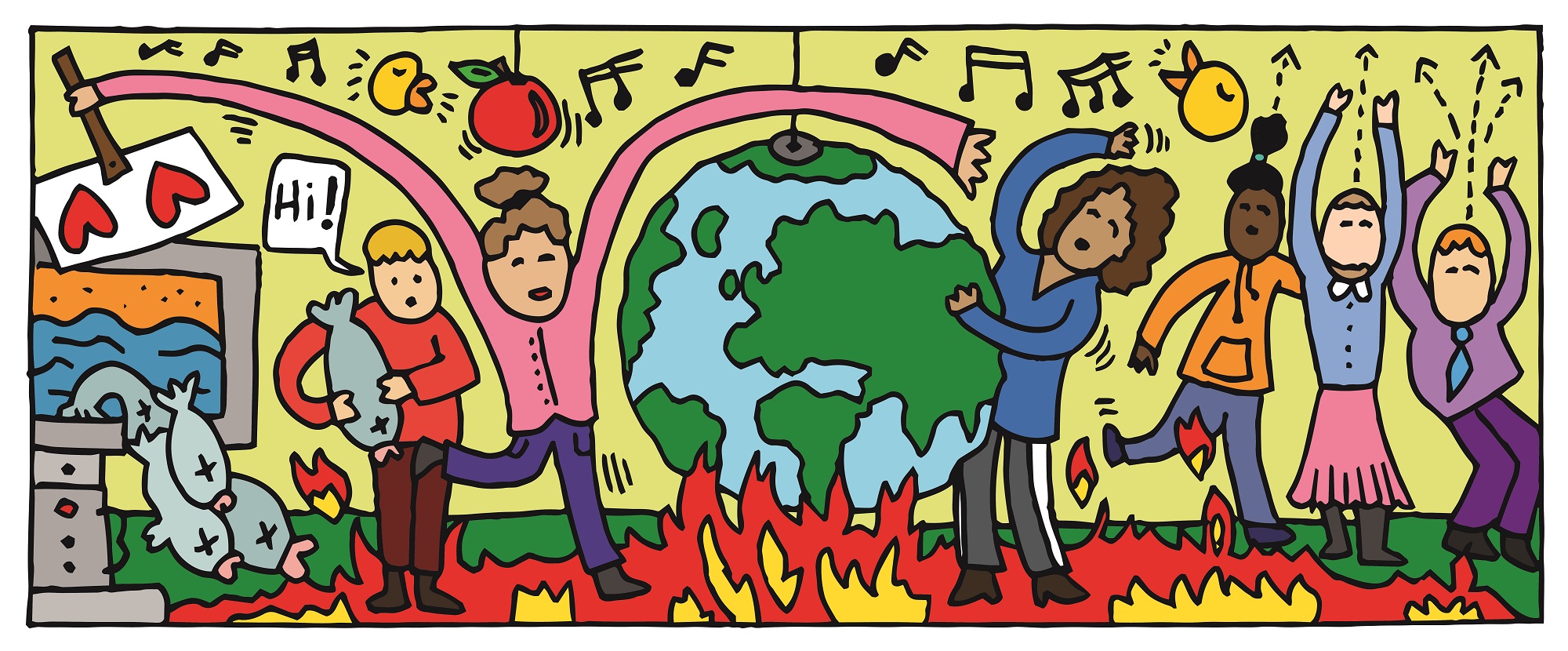
Students chase away climate anxiety with dance moves
Gepubliceerd op:-
In the lecture hall
-
Latest news
-
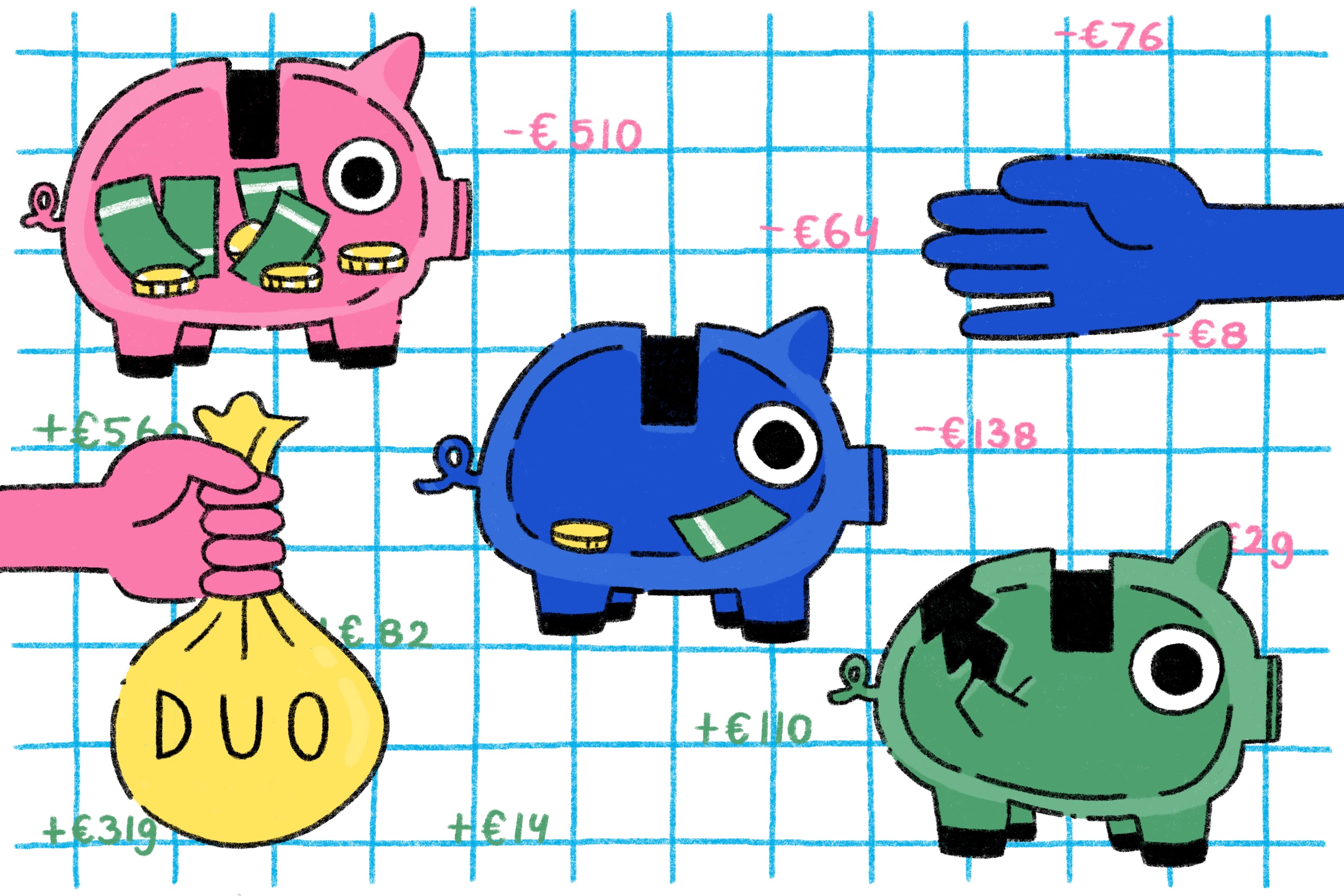
Interest on student debt at highest level in 17 years
Gepubliceerd op:-
Money
-
-
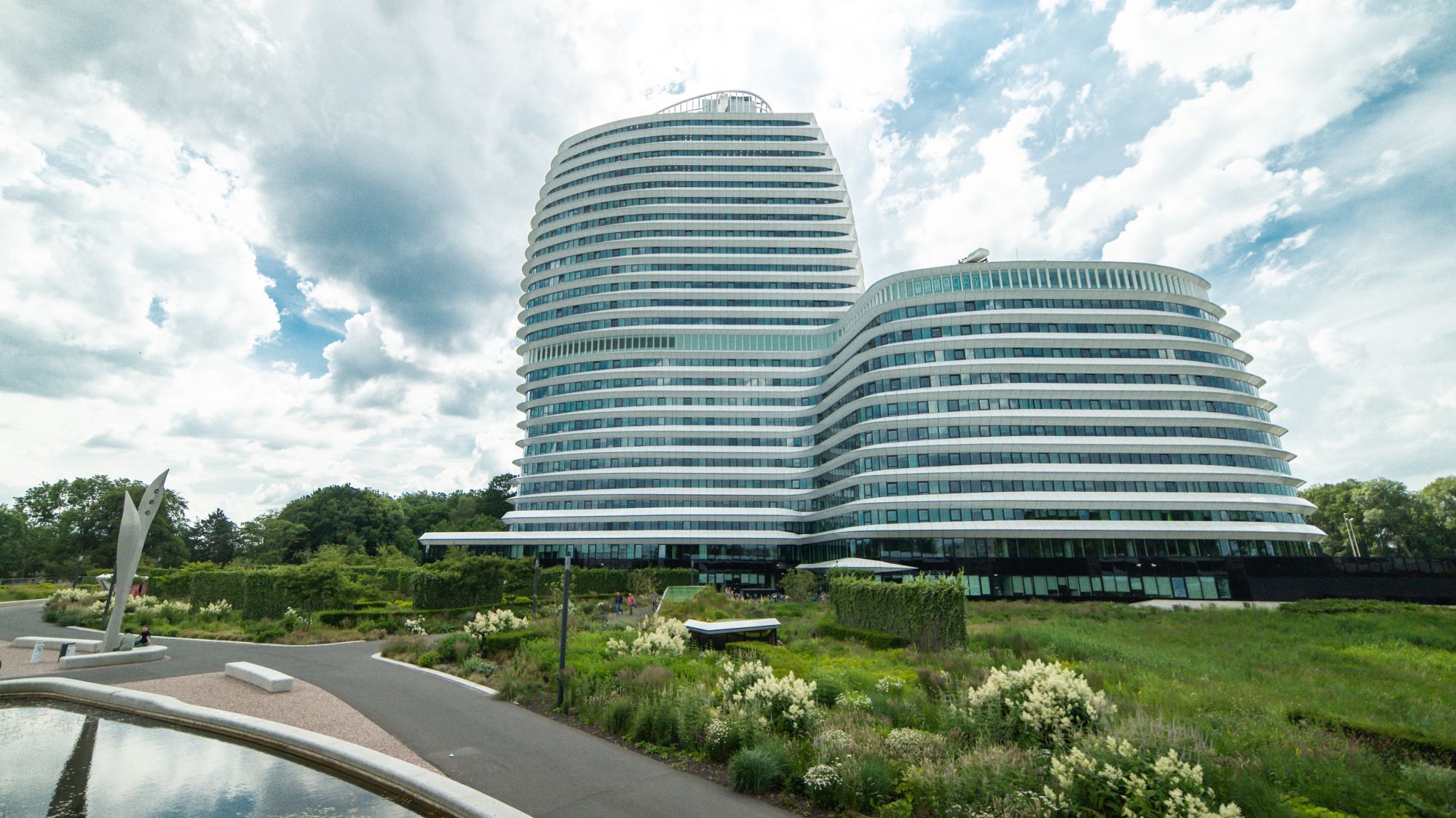
Behind on repaying your student debt? DUO may soon pass the details on to your municipality
Gepubliceerd op:-
Politics
-
-

Extra funding for higher education does not keep pace with inflation
Gepubliceerd op:-
Education
-
Politics
-