Ad

Movements like #MeToo need a ‘zero’
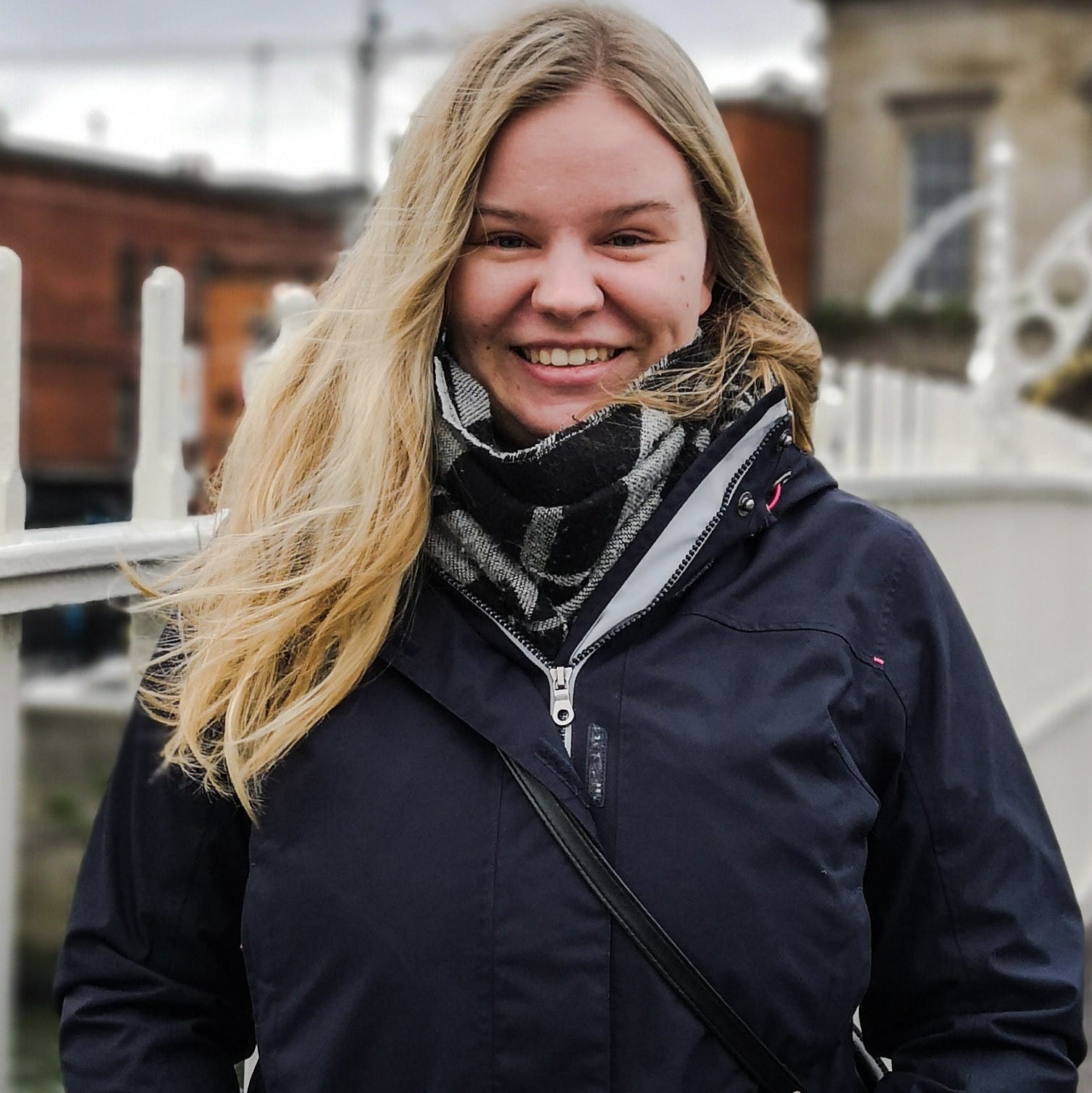
The auditorium at Erasmus Pavilion was filled with curious students and professors alike, as Harvard professor Cass Sunstein gave a lecture on Tuesday afternoon, about #MeToo and how social change happens.
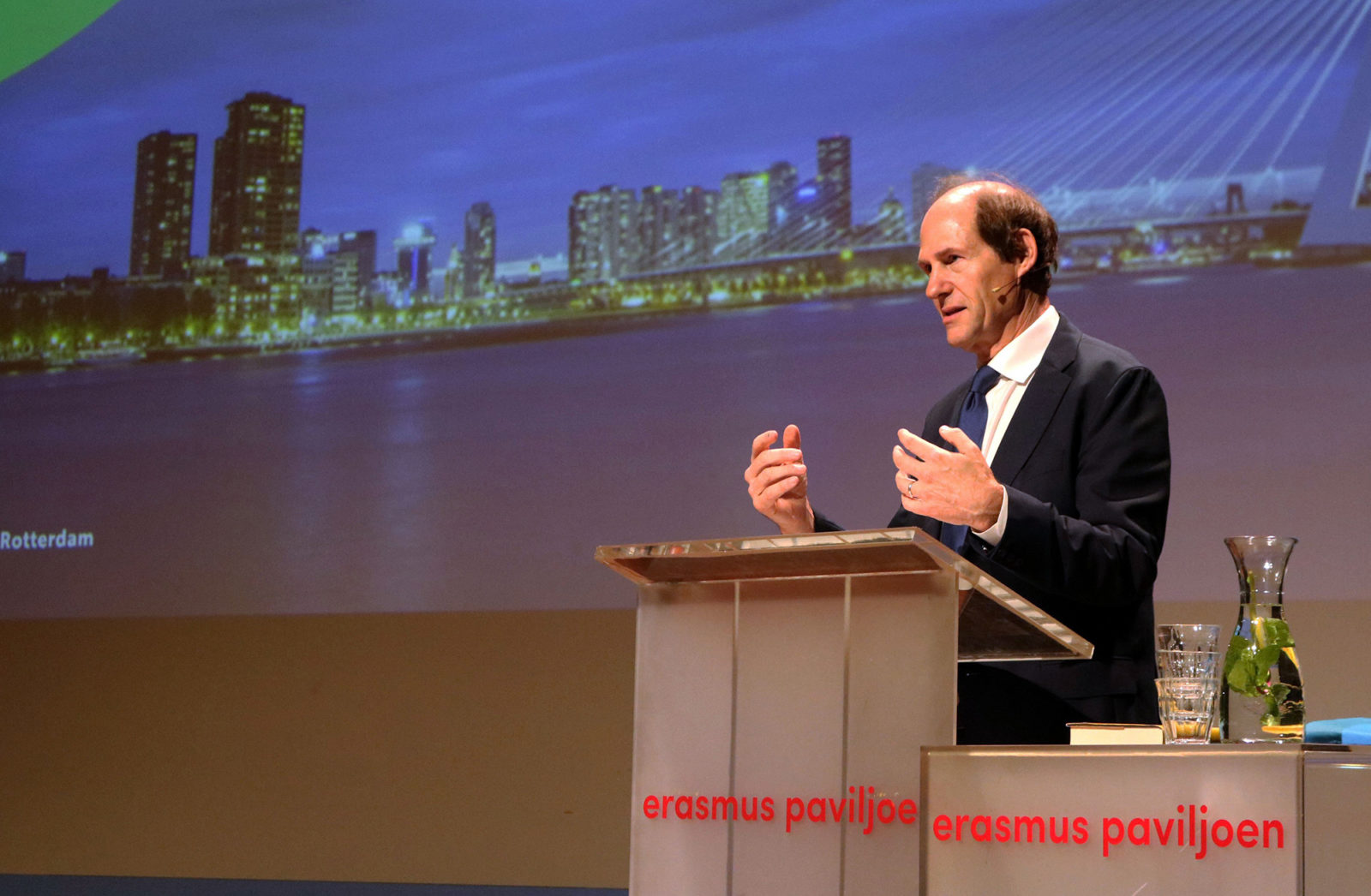
Cass Sunstein lecturing at the Erasmus Pavilion.
Image by: Iida Riikinsaari
Sunstein’s talk focused on exploring how social movements begin, relating his theory to #MeToo. According to Sunstein, different people have different thresholds for responding to injustice: some are more eager than others to take action.
According to Sunstein’s theory, each movement needs a ‘zero’ who is the first person to speak out publicly. The ‘zero’ will inspire each subsequent person: the one, the two, the three and so on, who each require someone to lead the way so that they can follow. “This sequence is essential for a successful social movement”, Sunstein explained.
In the case of #MeToo, the movement was sparked when something inside the minds of a lot of women was publicly expressed by Alyssa Milano in the first #MeToo tweet.
Who are the zeros?
At the end of his talk, Sunstein was confronted with multiple eager questions from his audience, consisting of both students and researchers; is legislation prone to follow social movements? Who establishes the social norms? What should we do if we wanted to fuel social change?
Delia Dumitrica, an ESHCC assistant professor, was one of the people to raise her hand and ask a question. She wanted to ask Sunstein about what happens in the background of social movements and what actually enables a person to become a ‘zero’. “In my own research, I have found that a lot of activists emphasise the importance of that background work” Dumitrica explains. “I think that Sunstein acknowledged that this background work is very important but it was not present in the story of the zeros and ones”. A researcher of activism and social movements herself, Dumitrica felt that Sunstein’s description was catchy but also a bit simplistic; “I was left thinking about the question of power, like who can be a zero and under what circumstances?”.
Exciting lecture
RSM master’s student Sarath Gopinath, who was also present at the lecture, is a fan of Professor Sunstein’s. “I have read Sunstein’s book ‘Nudge’ and was excited when I saw that he was lecturing here”, Gopinath said. “I consider myself a feminist so I thought that the lecture would be an informative session, as it indeed was. It also helped me understand why people don’t take that first step to spark a movement.”.
Cass Sunstein is a Robert Walmsley University Professor at Harvard, and the founder and director of the Program on Behavioural Economics and Public Policy at Harvard Law School. From 2009 until 2012, Sunstein was also part of the Obama administration as an Administrator of the White House Office of Information and Regulatory Affairs.
Read more
-
#MeTooAcademia: ‘Sexual intimidation occurs at universities, as well’
Gepubliceerd op:-
Campus
-
De redactie
Latest news
-
TU Delft may not favour women in admissions to courses
Gepubliceerd op:-
Education
-
-

Hate campaigns and political pressure: KNAW wants legal protection for academic freedom
Gepubliceerd op:-
Science
-
-

Signing up for a Dutch course ‘feels like a race’, no more places available for now
Gepubliceerd op:-
Internationalisation
-

Comments
Comments are closed.
Ad
Read more in Lecture
-
Porn in the Pavilion: vanilla sex is the favourite among viewers
Gepubliceerd op:-
Lecture
-
Science
-
-
‘Do women need to appear masculine to emancipate?’ Students attend lecture on gender identity
Gepubliceerd op:-
Lecture
-
-
Iranian ambassador visits Erasmus University: ‘I want to be careful with what I say’
Gepubliceerd op:-
Lecture
-